Categories
News

The Titanic Sets Off

Titanic embarked on its fateful maiden voyage. Departing from Southampton, England, with over 2,200 passengers and crew, the ship was meant to arrive in New York on the 17th April. The product of intense rivalry between ship manufacturers, and in particular that of White Star Line and Cunard, the Titanic was the largest steam ship ever built. Cunnard had launched the Mauritania and Lusitania in 1907, two ships lauded for spectacular exteriors and beautiful interiors. The Titanic was built in response to these two ships, with construction beginning in 1909. Its hull was completed in May 1911, and at the time held the accolade of being the largest movable man made object in the world. As has been well documented in books, television programmes and movies, the Titanic never completed its journey. On the 14th April, at about 11:30pm, the ship struck an iceberg somewhere in the Atlantic. The Titanic‘s look outs had spotted the ice berg just before the impact, and attempts at evasive action had avoided a direct hit. Nevertheless, ice under the surface of the water had created a 300 ft cut into the ship’s hull below the water line. After investigating the harm done to the ship,the Titanic‘s captain realised the damage was too extensive, and the ship would sink. Calls for help were made to surrounding vessels and the order to abandon ship was given. Following a chaotic and ineffective evacuation procedure, the ship sunk three hours after the initial impact with the iceberg. Only 700 people escaped the disaster. Several factors contributed to the horrendous death toll, and various theories have been put forward since as to exactly what went wrong on the Titanic‘s first and only voyage. Many experts focus on design flaws in the ship itself, and the inadequate safety regulations of the period. The Titanic was deemed ‘unsinkable’ as a result of its system of watertight bulkhead doors. These doors could be operated individually or in unison from the ship’s bridge, and were intended to seal off sections of the ship’s hull in the event that it was breached. However, these doors could not prevent water spilling in from other compartments, a feature present in the two liners produced by Cunard. Experts have since hypothesised that if the Titanic had had the same system as the Lusitania and Mauritania, it would not have been sunk by the iceberg. By modern standards, the most shocking failure was the lack of emergency provisions on the ship. The Titanic held sixteen life boats and four Englehardt ‘collapsible’s’ which could only hold 1,178 people between them. As mentioned above, the debut voyage of the Titanic saw the ship carry over 2,200 passengers, and this was not even the ship’s full capacity. Nevertheless, the ship had passed the recommended safety standards of the British Board of Trade Regulations, giving a startling insight into health and safety considerations of the period. Of course, the disorderly evacuation of the Titanic meant that the life boats were not full when they left the ship anyway. An evacuation drill had actually been scheduled for the morning of the 14th April, but was cancelled for reasons which have never been determined. Again, many experts have speculated that completing the drill could have made a significant difference to the effectiveness of the evacuation. Many modern analyses of the Titanic tragedy are perhaps mislead by the benefits of more than a century of hindsight. The tragedy may have been avoidable, it is impossible to say, but the details of the sinking reveal the dramatic changes that have occured in standards of health and safety in the years since.]]>

Categories
News

The War of Jenkins' Ear

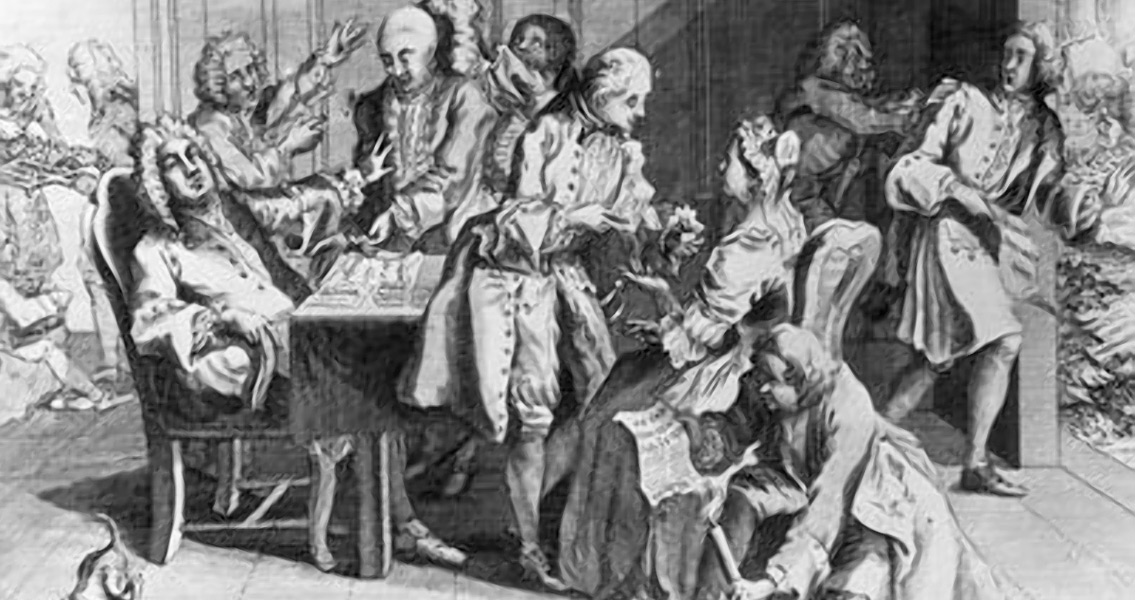
Rebecca was apparently stopped and boarded by a crew of Spanish coast guards led by Captain Juan de Leon Fandino. The coast guards pillaged the ship, attacked the crew, and ultimately set it adrift. Most shockingly, Jenkins claimed that the Spanish crew had tied him up and cut off his ear. At the time tensions were high between Britain and Spain as they competed for influence and control over the New World. Britain sought to expand its trade in the Americas, and its sailors carried out illicit trade in Spanish territories. Both Spanish and British crews frequently launched raids on the other’s ships, making trade in the Caribbean increasingly expensive and risky. As well as competing over the high seas however, Britain and Spain also found themselves in dispute over claims to land on the North American continent. In the preceding century the two countries had found themselves at war with each other on a number of occasions, as they competed to assert their imperial dominance. Jenkins survived the ordeal and set sail for England with the severed, pickled ear. News of the attack enraged the British public, and Jenkins was supposedly called before the House of Commons (with the severed ear) in 1738, to testify about his ordeal. When asked how he had responded to the assault, Jenkins famously claimed “I commended my soul to God and my cause to my country.” Jenkins’ ear became a symbol for the outrage the British public increasingly felt towards what it perceived as Spanish belligerence on the high seas. Holding Spain accountable became a matter of national pride, and the demand for war grew. Just as significantly, British Prime Minister Sir. Robert Walpole found himself increasingly under pressure from his opposition in Parliament, who used the actions of Spanish ships to paint a picture of a weak, powerless British government. In October 1739, the war started with a series of skirmishes between British and Spanish forces in the Caribbean. Ultimately, it was something of a stalemate, with neither side making significant gains. The real importance of the War of Jenkins’ Ear can be seen with hindsight, for the events it came to foreshadow. French support of Spain ultimately saw the conflict merge into the War of Austrian Succession, the eight year fight over the fate of the Hapsburg Empire following the death of the Holy Roman Emperor, Charles VI. France sought to cripple Austria, as a means to secure its position as the dominant power in mainland Europe. Britain wanted to prevent France becoming too powerful, as a means to secure its own economic well being, and thus came to the aid of Austria. Spain’s alliance with France means that the War of Jenkins’ Ear can be seen as part of a brewing conflict between groups of European powers over influence in both the Old World and the New. The war also symbolised a drastic change in the causes of conflict, at least for Britain. In 1909, Harold W. V. Temperley, a British historian, argued that the War of Jenkins’ Ear had been the first war Britain had fought in “which the trade interest absolutely predominated, in which the war was waged solely for balance of trade rather than for balance of power”. Starting a war over one man’s severed ear might seem feudalistic, if not fantastical, but in reality it symbolised the very modern concerns of securing access to trade and resources. Hysteria surrounding Jenkins’ Ear gave the war its name, but in reality the conflict was a manifestation of a series of defining themes from this period of history. ]]>

Categories
News

Poindexter Found Guilty in Iran-Contra Trial

Categories
News

Argentina Invades the Falklands

Categories
News

Origin of April Fools' Day

Categories
News

Sicilian Vespers

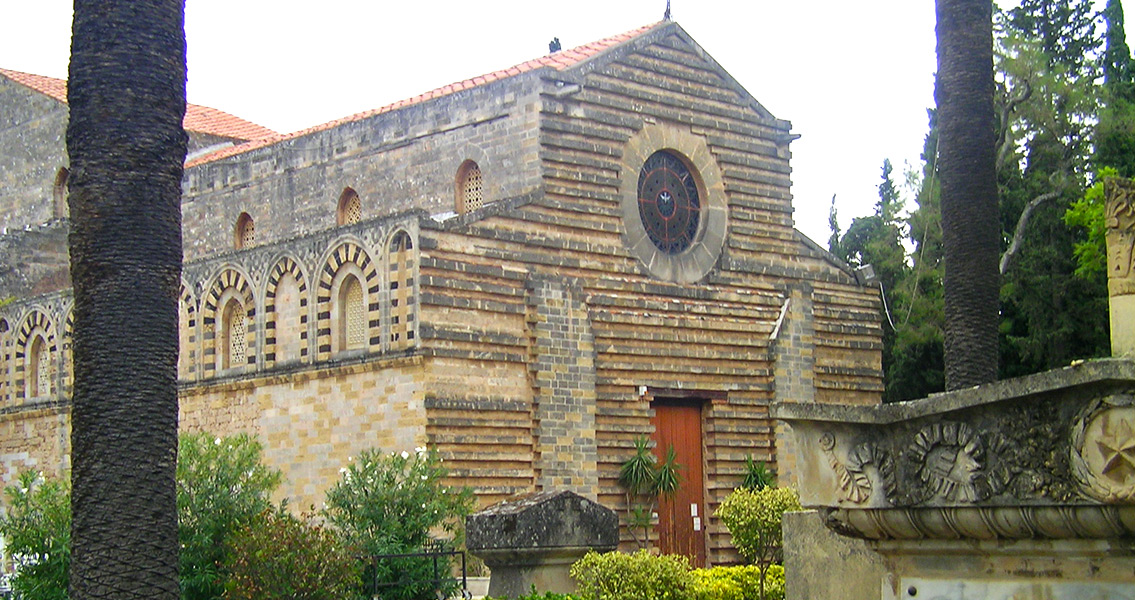
Sicilian Vespers came to an end. The night of rioting and massacre which had started on Easter Monday proved crucial in the history of Sicily and also had a significant impact on the broader history of the Mediterranean in this period. The revolt, which gets it name from the Hour of Vespers ceremony where it supposedly began, started on the 30th March and is believed to have been triggered by an Angevin soldier stopping a Palermitan woman outside the church of Santo Spirito di Palermo, to search her for weapons. Although details of the event of course vary depending on the source, it seems the soldier somehow offended the woman, triggering a riot against the Angevin-French among the local community. Reflecting the deeply ingrained tensions in Sicily’s multicultural society, the rioting spread through Palermo and then the whole of the island. The local Sicilian population attacked and killed Angevin people wherever they could be found, going as far as murdering monks and nuns. The rioters supposedly used a simple test to determine the Sicilian population from Angevin. Anyone believed to have originated from Anjou was asked to say the word “ciciri”, something native French speakers could not do in a convincingly Sicilian accent. In the annals of Medieval history, the revolt was a unique event. A spontaneous, popular uprising which affected political change. Following the night of the 30th to the 31st March the Angevin-French fled Sicily, and the people of the island eventually secured the support of the King of Aragon who sent troops there in August 1282. Although the revolt seemed to have occurred without any pre-planning, it is important to acknowledge that the uprising against the Angevin-French rulers was not completely without premeditation. Since 1266 Charles of Anjou, with the support of the papacy, had ruled Sicily from Naples. Deeply unpopular in Sicily, Charles’ strict rule incurred the wrath of normal Sicilians, but his unpopularity in a broader context was just as significant. A group of Italian nobles, known as the Ghibellines, supported the authority of the Holy Roman Emperor rather than that of Charles and the papacy. Peter III of Aragon, a rival of Charles for the Neapolitan throne and one of the main beneficiaries of the uprising, also had a clear interest in altering the status quo on Sicily. The Night of the Sicilian Vespers may have been a demonstration of popular dissatisfaction at Charles’ tyranny, but there were a diverse range of groups with an interest in ending the Angevin presence on Sicily. The revolt was followed by series of sea skirmishes and land battles between Angevin and Aragonese forces, sometimes referred to as the War of the Vespers. The fighting finally came to a close in 1302, with the Peace of Caltabellotta. The treaty saw Charles II, the son of Charles of Anjou, concede Sicily to King Frederick, a relative of Peter of Aragon. Sicily was now firmly under the sphere of Spanish influence, a situation which would persist for another five centuries. Historians have since argued that the Sicilian Vespers, and the subsequent war, proved crucial in the failure of the crusades in the Eastern Mediterranean. Charles of Anjou and the Vatican had been planning to send troops to take Constantinople when the uprising started. The need to divert resources to Sicily put this campaign on hold. Although one of many factors which ultimately led to the failure of the crusades, it is not a coincidence that the fall of Acre in 1291, a pivotal defeat for Christians in the Middle East, took place during the War of the Vespers. Indeed, the significance of events in Sicily in the broader context of Mediterranean history in this period can be seen in the theory that the Aragonese and Sicilian forces received financial support from Byzantine. Although the scope and nature of this support cannot be confirmed, it hints at the complex political workings of the period. The Sicilian Vespers revolt was an expression of popular dissatisfaction at the harsh rule of Charles of Anjou over Sicily. This moment of rebellion by Sicilians however, can only be truly understood in the broader context of Medieval history. Image courtesy of Wikimedia Commons user: Enzian44]]>

Categories
News

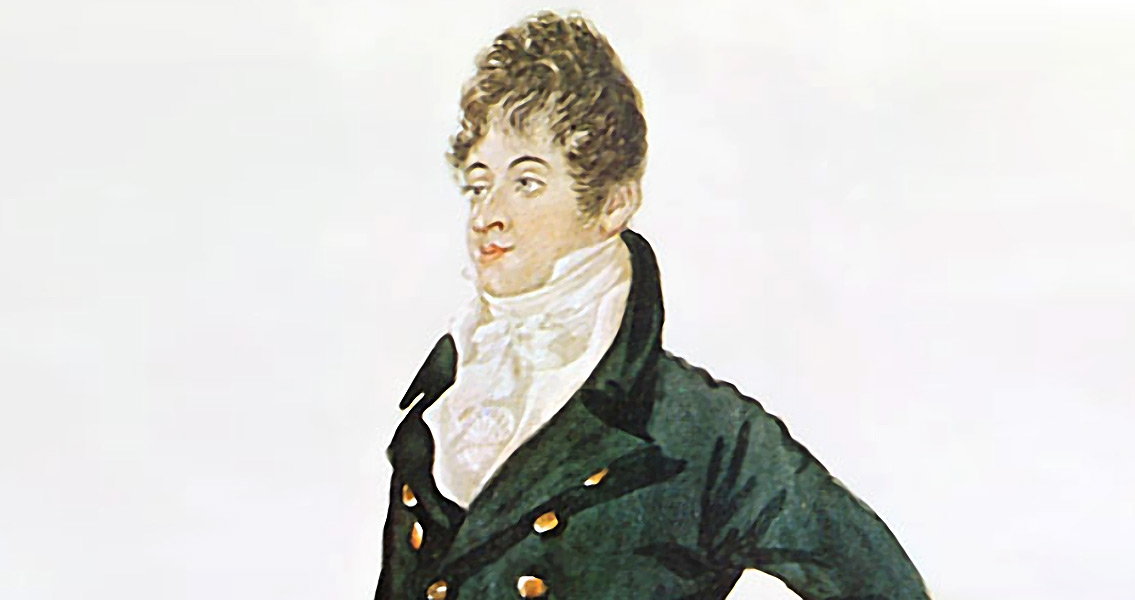
Beau Brummell Dies in A French Asylum

Categories
News

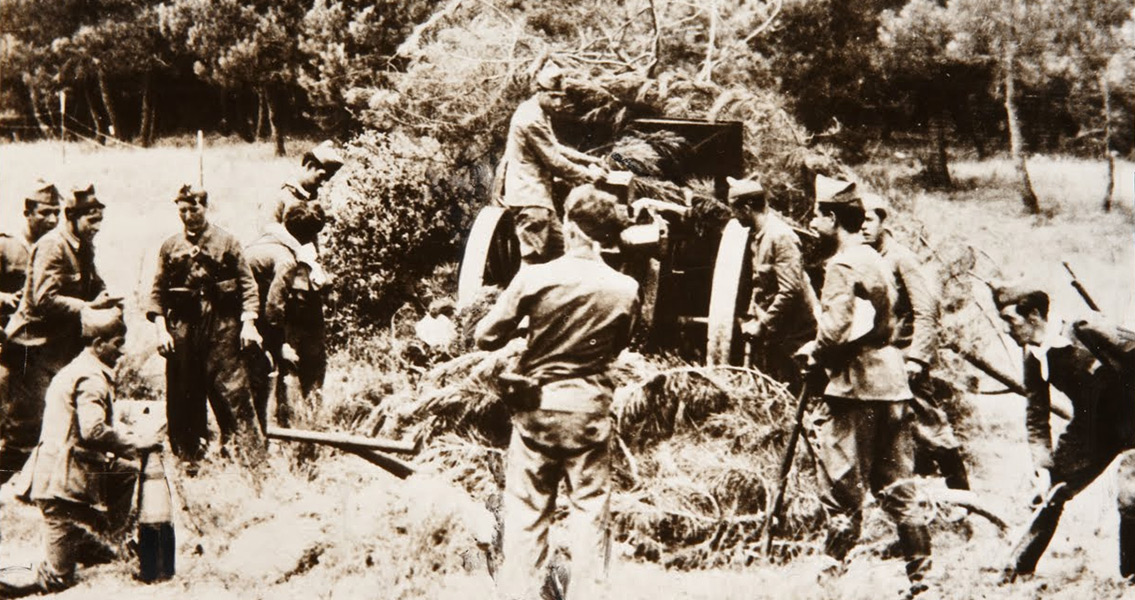
White Flag Over Madrid: Spanish Civil War Comes to An End

Homage to Catalonia. Clearly, the divisions in Spanish society were taken to symbolise something much broader, a set of competing values which many felt had an international importance. By 1939 the Republican forces were in disarray, Barcalona was captured in January and the situation had clearly become unwinnable. The Republicans attempted to sue for peace but Franco refused to negotiate. Madrid was soon surrounded and the city eventually became divided when sections of the Republican forces began fighting with each other. On 28th March, Franco’s forces marched into Madrid. It marked the end of a conflict which had seen over a million people lose their lives and whole cities leveled by the shocking power of modern military technology. The reality of the consequences were most directly felt in Spain, but in some ways people around the world had felt a connection to the Spanish Civil War. ]]>

Categories
News

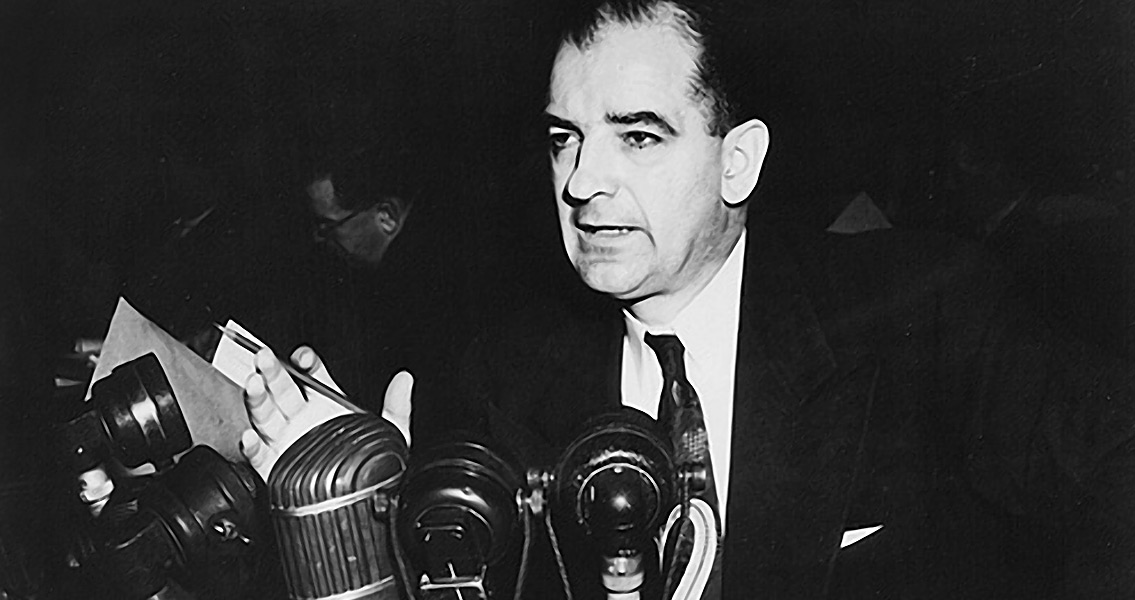
Owen Lattimore Charged By McCarthy

Categories
News

Belarus Proclaims Independence