This article was changed on 1st July 2016. The original wrongly claimed that the Roman Empire had ruled over the entirety of Great Britain]]>
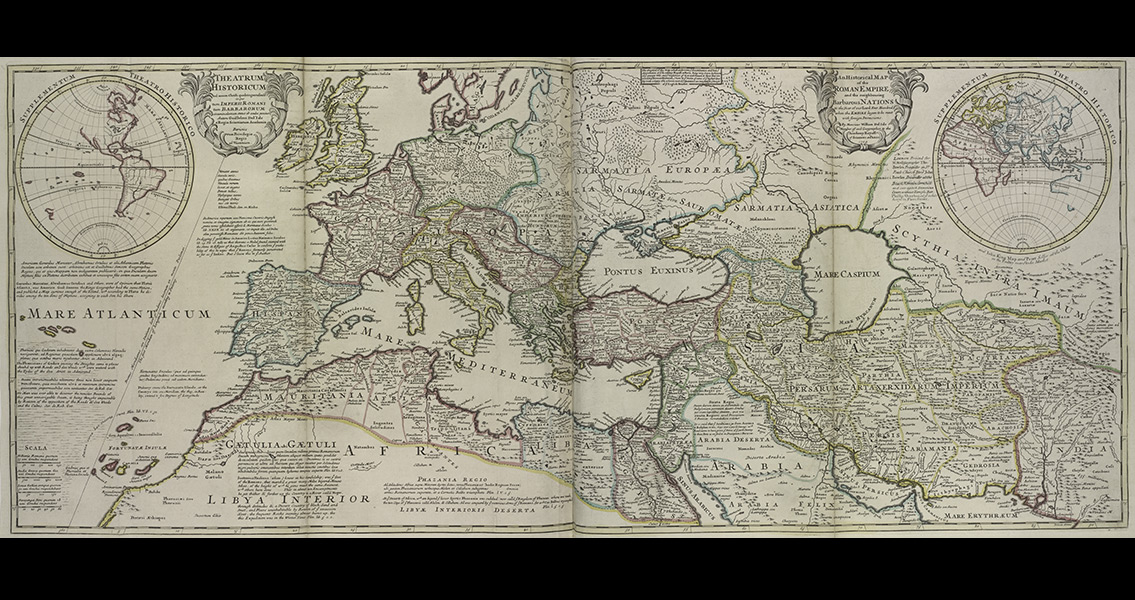
This article was changed on 1st July 2016. The original wrongly claimed that the Roman Empire had ruled over the entirety of Great Britain]]>
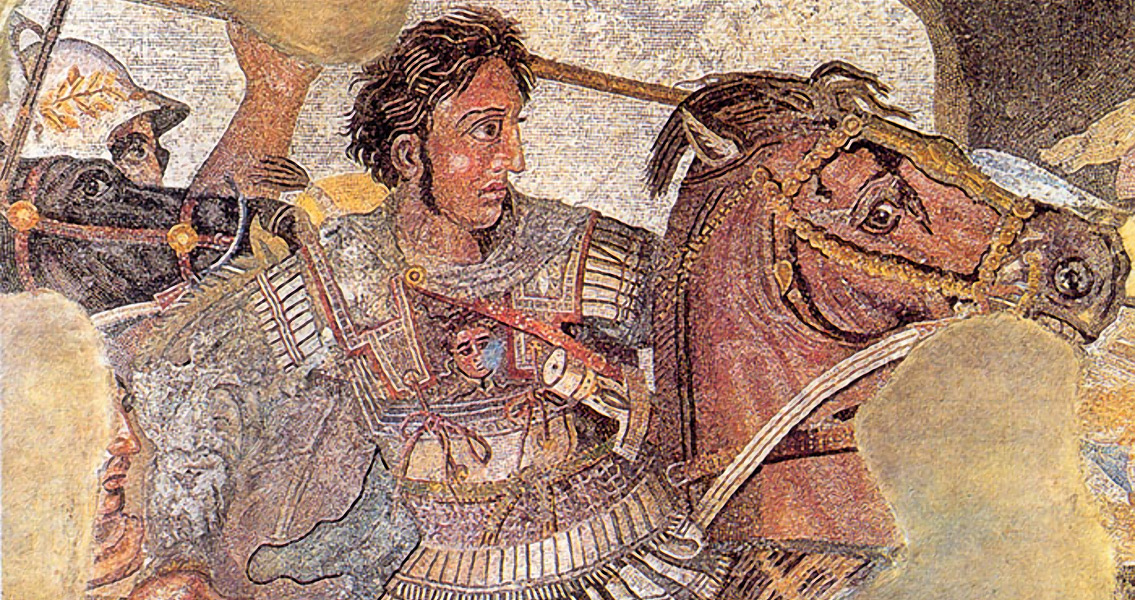
Veratrum album plant. There is evidence that some dissatisfaction had spread through Alexander’s senior officers in the last few years of his life, shown by a strike in 325 BCE when his army refused to march through India. It is possible, therefore, that Alexander was the victim of a conspiracy among his commanding officers, launched perhaps out of fear that the campaigns Alexander was planning during his stay in Babylon would be too costly. Whatever the cause, Alexander’s death over 2,000 years ago drastically altered the course of history in the Ancient World, creating a power vacuum which descended into a period of intense fighting among his former subordinates and subjects. ]]>


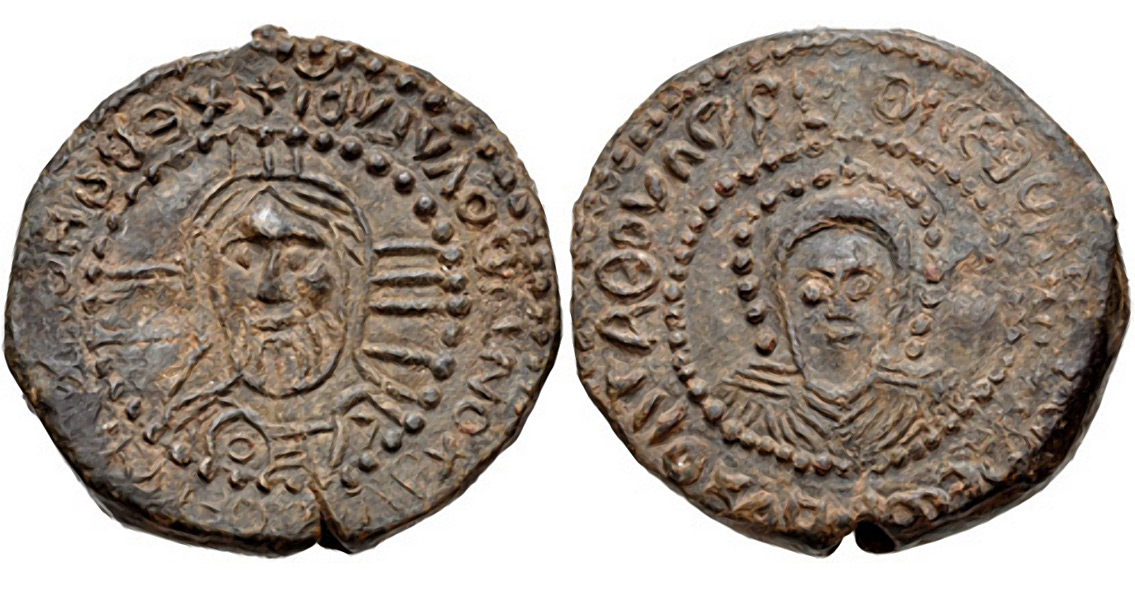
History Compass, Ian Mladjov, from the Department of History, Bowling Green State University, Ohio, USA, noted that “when it comes to diplomatic relations, the phrase ‘too close for comfort’ perfectly describes the relationship between the medieval Byzantine and Bulgarian states in the Balkan peninsula.” The Byzantine Empire was the predominantly Greek-speaking remains of the Eastern Roman Empire. Its citizens referred to themselves as ‘Romans’ and the ruler retained the title of ‘Emperor’. Mladjov argues that the conflict between Bulgaria and the Byzantine Empire was about more than simple territory or wealth. The bloody conflict was rooted in prestige. Interestingly, the siege of Constantinople in 912 did not end in an agreed peace. At a ceremony between the Patriarch of Constantinople and Simeon, the Bulgarian king was placated and given a crown, although not the imperial title. Simeon returned home after the meeting, laden with gifts, but with no formal peace treaty being signed. After returning to Bulgaria, Simeon began using the imperial title and, curiously, even styled himself ‘Emperor of the Romans.’ In all contemporary sources, it is made very clear that Simeon was never offered the title of emperor. In fact, it appears that Byzantine rulers went to great lengths to preserve the Byzantine emperor’s exclusive monopoly on the Roman imperial title. “For a long time, the significance and importance of [this] event were overlooked,” Mladjov explains. Much more attention has been paid to subsequent events, particularly Simeon’s adoption of the imperial title. For Mladjov, the crowning of Simeon by the Patriarch is of crucial importance, revealing a tremendous amount of information about how the Byzantine Empire conducted itself with its neighbours. “Clearly, the form a crown took was less important than the coronation itself,” Mladjov writes. “Whatever the idiosyncrasies of Simeon’s coronation by Patriarch Nicholas in 913, it must have been considered acceptable to him. The implications of our sources are clear: Simeon had been recognized as emperor, apparently only of his own people, by the Byzantine court and left for home in peace.” Simeon seems to have sought parity with the Byzantine Empire. Mladjov argues that Simeon identified recognition as fellow emperor as a means to redress the situation where the Byzantines claimed authority over Bulgaria. Diplomatic relations in the medieval world were rife with states posturing for status. The Byzantine Empire, in particular, wanted to maintain an aura of superiority to other states. As this episode shows, the Empire’s neighbours desired parity and respect from the Byzantines. Sometimes, this was expressed in demands for recognition as fellow emperors. The Byzantine Empire’s response to this was impressively nuanced, they crowned Simeon I as emperor and of the same rank as the Byzantine emperor. Importantly, however, Byzantium never conceded the title of emperor of the Romans; instead they crowned Simeon the emperor of his own, non-Roman people. For more information: www,onlinelibrary.wiley.com Image courtesy of Wikimedia Commons user: Cplakidas ]]>

Journal of Archaeological Science. A possible explanation for why the Aztecs did not intervene in Tlaxcallan’s obsidian gathering is that obsidian was a plentiful resource. “Obsidian was widely available and was an everyday good. It probably wasn’t worth the time and expense to try to cut off Tlaxcallan’s supply of obsidian from El Paredón because other sources were available,” Millhauser writes. Millhauser and his team’s research emphasises the complexity of international relationships in Aztec-era Mesoamerica. Conflict was not as widespread or continual as previously thought. “The fact that they got so much obsidian so close to the Aztec Empire makes me question the scope of conflict at the time,” Millhauser says. “Tlaxcallan was able to access a source of household and military goods from a source that required it to go right up to the border of enemy territory.” Another important aspect of this research is that it reveals an economic divide between Tlaxcallan and the Aztecs. The Aztecs obtained most of their obsidian from a source other than El Paredón. Almost 90 percent of Aztec obsidian came from a site to the north known as Pachuca; Tlaxcallan only obtained around 14 percent of their obsidian from Pachuca. “All of this drives home the fact that geopolitics mattered for the economies of ancient states,” Millhauser says. “Political stances and political boundaries influenced everyday behaviour, down to the flow of basic commodities like obsidian. The popular conception of the Aztec Empire as all powerful before the arrival of Cortés is exaggerated. The region was a politically and culturally complicated place.” For more information: www.sciencedirect.com Image courtesy of Wikimedia Commons user: Nemissimo]]>