Categories
Breaking News

Volcanoes Linked to Roman Plague – The History News of the Week

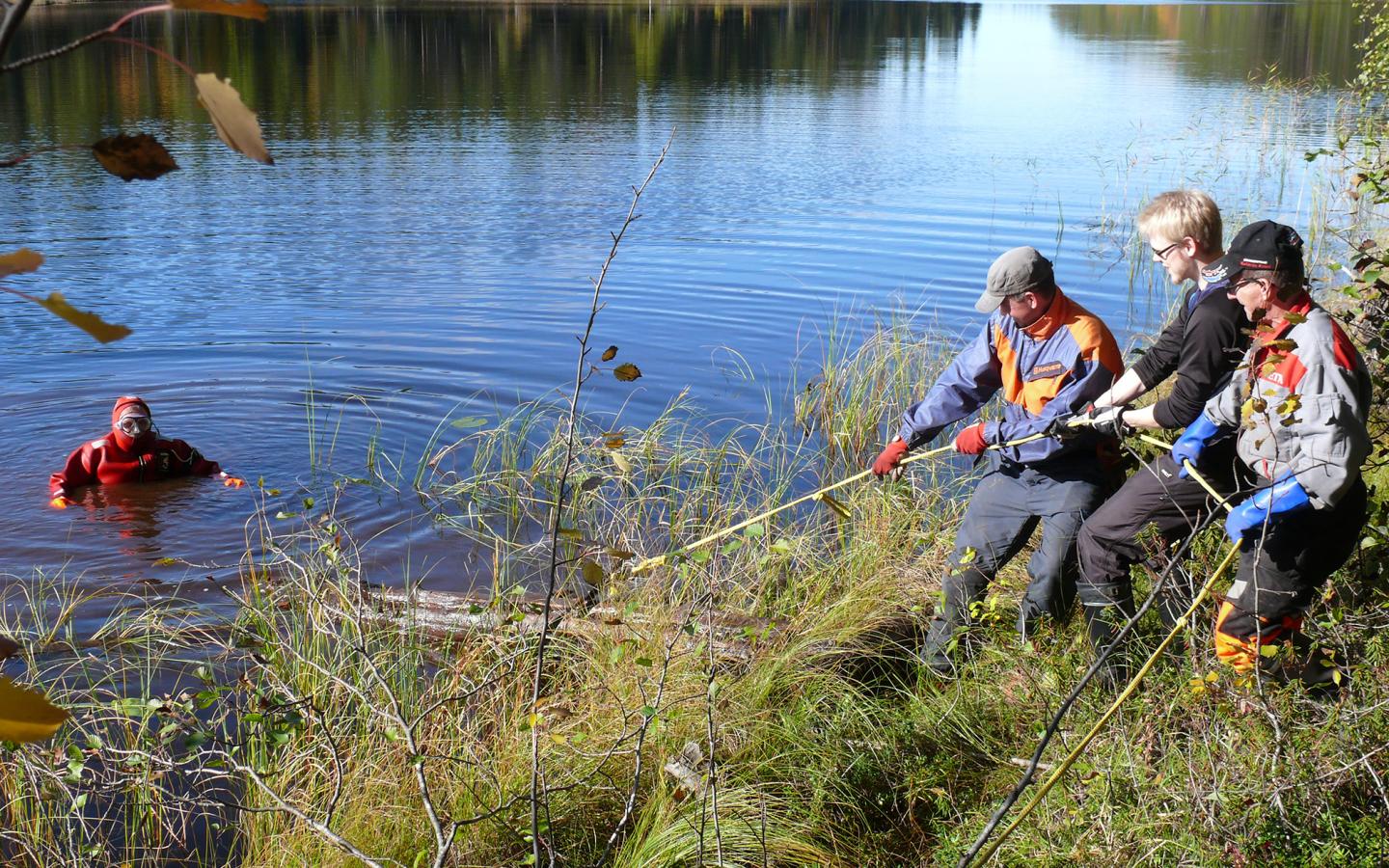
Volcanoes and a Roman Climate Crisis Volcanic eruptions in the Roman period led to climate anomalies affecting the whole northern hemisphere, according to new research. The years 536 CE and 541 – 544 CE experienced a reduction in natural light which would have made human survival much more difficult, the researchers from the Chronology Laboratory of the Finnish Museum of Natural History and Natural Resources Institute Finland (Luke) claim. Farming and animal husbandry would have been adversely affected by the reduction in sunlight, while humans would have been more prone to disease due to a lack of vitamin D. “Our research shows that the climate anomaly, which covered all of the northern hemisphere, was the compound result of several volcanic eruptions,” says Markku Oinonen, director of the Chronology Laboratory. Published in the Journal Scientific Reports, the new research is based on dendrochronology, also known as tree ring dating. The researchers analysed the variation in carbon isotopes in the annual growth rings of trees. The isotopes reflect the photosynthesis of the trees, which is largely dependent on the amount of solar radiation available in summer. “Researchers have put together an annual growth ring calendar of treeline pine spanning more than 7,600 years. Various historical events can be contrasted with the calendar. The growth ring calendar is an important indicator of global climate change,” says researcher Samuli Helama from Luke. Significantly, the years of unusually poor sunlight coincided with bubonic plague epidemic that ravished the Roman Empire. Starting in 542CE, the plague is believed to have killed around 50% of the inhabitants of the Eastern Roman Empire. From its beginnings, the devastating plague spread in western Europe and as far north as Finland, killing millions. Sulawesi Younger than Thought The unique island of Sulawesi is not as old as typically thought, new research is claiming. Located in the interface between Eurasia and Australasia, Sulawesi is home to myriad unique flora and fauna, such as the ‘deer-pig’ (Sulawesi Babirusa), ‘warty pig’ and the ‘miniature buffalo.’ Researchers from Oxford University’s Department of Archaeology and Queen Mary University of London used a combination of morphological and genetic data, alongside geological reconstructions of the island to gain a better understanding of the origins of the island’s fauna. Based on over a thousand samples, the scientists claim it is the largest ever genetic study of the island’s species. It was found that each species most likely arrived on what is now Sulawesi at different times over the past 13 million years, but all of them began to spread across the island simultaneously about 1-2 million years ago. According to the study, this coincides with geological evidence for the emergence of the arms of the island from the ocean. [caption id="attachment_8588" align="alignnone" width="512"]Location of Sulawesi Location of Sulawesi (Celebes), Indonesia, Public Domain[/caption] “Sulawesi is an amazing island, unlike any other on Earth. The key link between the three large mammals in this study is that none of them fly. Sulawesi has been an island for a long time so however they arrived, they have been evolving in isolation,” Professor Greger Larson, Director of Palaeogenomics & Bio-Archaeology Research Network at Oxford and senior author of the study. “Understanding their evolutionary history was only possible by looking not only at their genetic signatures but also the geologic history of the island. The whole region is highly tectonic and we were able to reconstruct how much of the island was under water and when. “Using a molecular clock we were then able to date the time of the expansion of all three species and by correlating those dates with the appearance of the different land masses that make up Sulawesi, we found a perfect temporal match.” Laurent Frantz, Lecturer in Molecular Genetics and Informatics at the Queen Mary University of London, said: ‘Following his famous explorations, Alfred Wallace described Sulawesi as anomalous, first noting the merging of two immensely different worlds on this island. For a long time, we thought these anomalous ecosystems slowly assembled over tens of millions of years, as continents drifted. Yet, we now know that very recent geological processes, over only the last few million years, dramatically shaped this singular tropical paradise.” Ancient Egyptian Papyrus Reveals Sexual Assault A 3,000-year-old Ancient Egyptian papyrus contains some of the oldest evidence of a man being accused of sexual assault, The Independent reports. Dubbed Papyrus Salt 124, the text lists alleged indiscretions by an artisan called Paneb, who lived in Thebes around 1200BCE. Paneb was the chief foreman of a community of artisans who built royal tombs in the ancient city, according to The Independent. The papyrus is authored by someone called Amennakht. It was sent to an official of the Pharaoh, and lists a series of complaints against Paneb. Although ambiguities in the text make some of the charges unclear, among the accusations are one of rape. Paneb is described as having taken the clothes of a woman called Yemenwaw before “he threw her on top of a wall and violated her.” The papyrus was originally translated into English in 1929, by Jaroslav Cerny. The main accusation in the text is that Paneb bribed his way to the chief foreman job, a position Amennakht was due to inherit. Light was first shed on the remarkable text by Narratively. Featured image: A subfossil tree trunk being lifted out of a lake. Image credit: Samuli Helama / Natural Resources Institute Finland ]]>
Categories
Breaking News

Why Neanderthals Couldn’t Draw – The History News of the Week

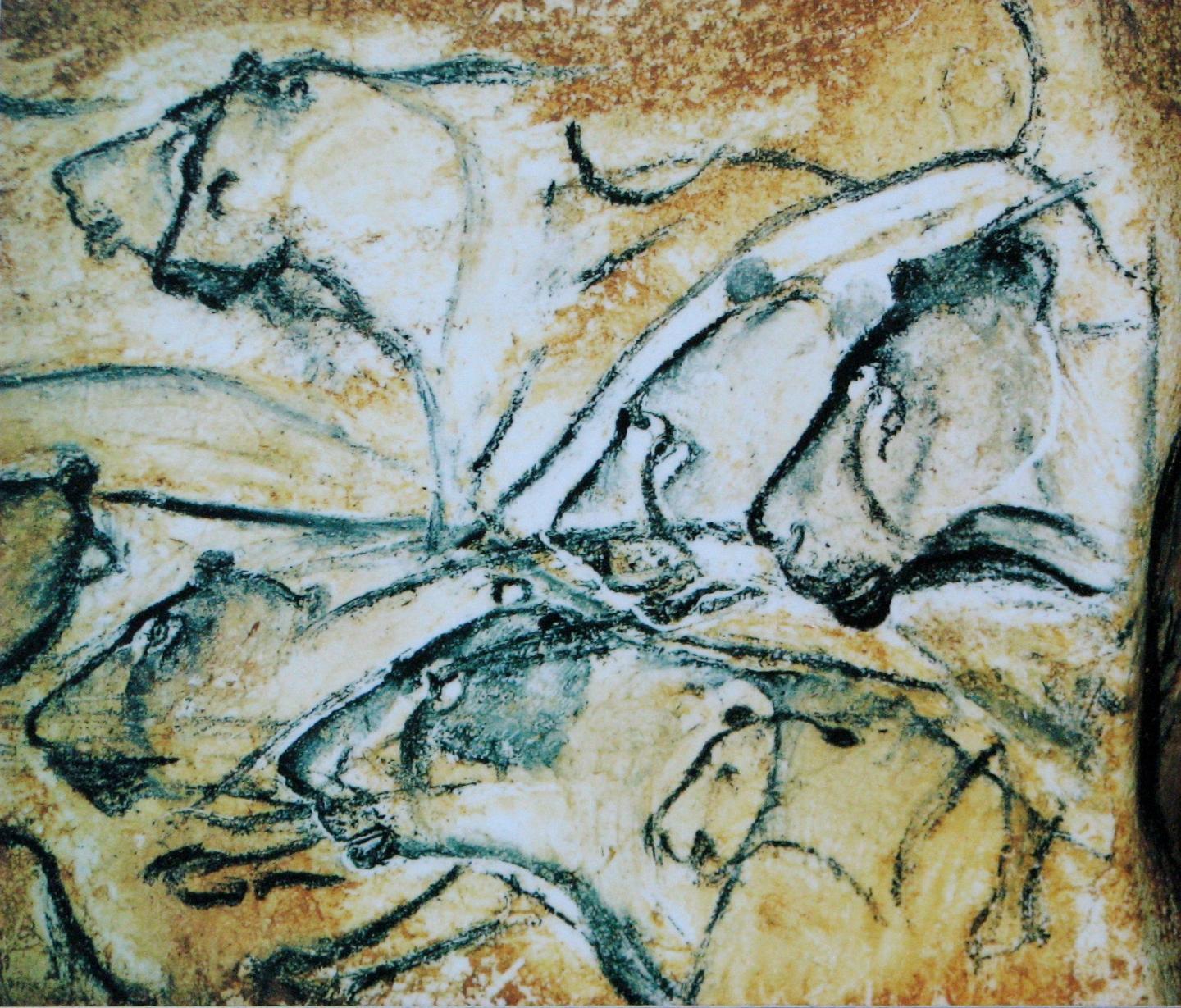
Hunting Skills Affected Neanderthals’ Drawing New research from the University of California Davis claims that Neanderthals’ lack of drawing ability compared to other early modern humans could be connected to their hunting skills, Neanderthals had large brains and were capable of making sophisticated tools, yet never demonstrated the ability to draw recognisable images. On the other hand, early modern humans created vivid depictions of animals and other figures in cave drawings. Richard Coss, a professor of psychology from UC Davis, thinks this difference could be connected to the fact that Neanderthals hunted with thrusting spears while early humans used throwing spears. Coss argues, in his study published in the journal Evolutionary Studies, that the hand-eye coordination involved in both hunting with throwing spears and drawing representational images could explain differences in intelligence between Neanderthals and humans. For 500,000 years early humans hunted with throwing spears in sub-Saharan Africa, something which caused their prey to develop better fight or flight strategies. Anthropologists have suggested that using throwing spears from a distance made hunting large game less dangerous. “No explanation has been given for why large animals, such as hippos and Cape buffalo, are so dangerous to humans,” Coss said. “Other nonthreatening species foraging near these animals do not trigger alert or aggressive behaviour like humans do.” Coss argues that Neanderthals, which left Africa for Eurasia long before modern human ancestors did, used thrusting spears at close range to kill horses, reindeer, bison and other large game that had not developed an innate wariness of humans. “Neanderthals could mentally visualise previously seen animals from working memory, but they were unable to translate those mental images effectively into the coordinated hand-movement patterns required for drawing,” Coss writes. After studying the drawings and engravings of animals made by human artists 28,000 to 32,000 years ago in the Chauvet-Pont-d’Arc Cave in southern France, Coss concluded: “The visual imagery employed in drawing regulates arm movements in a manner similar to how hunters visualise the arc their spears must make to hit their animal targets.” Coss argues that the development of drawing could have triggered a host of social changes in the early human ancestors. “There are enormous social implications in this ability to share mental images with group members,” he writes, in the recently published study. Toba Supereruption Didn’t Cause Volcanic Winter 74,000 years ago, the Toba supereruption caused spectacular destruction on the island of Sumatra. It has been hypothesised that the eruption triggered a six-year long volcanic winter in East Africa, in turn causing the human population in the region to plummet. New research from the University of Arizona has looked at the effect of the eruption on East Africa. The findings disagree with the Toba Catastrophe Hypothesis, finding no evidence of severe ecological disruption following the eruption. “This is the first research that provides direct evidence for the effects of the Toba eruption on vegetation just before and just after the eruption,” said lead author Chad L. Yost, a doctoral candidate in the UA Department of Geosciences. “The Toba eruption had no significant negative impact on vegetation growing in East Africa.” Yost and colleagues studied microscopic bits of plants preserved in two sediment cores from Lake Malawi, the southernmost of the East African Rift Lakes. They analysed samples taken from roughly every 8.5 years over a period beginning approximately 100 years before the eruption and ending 200 years later. “It is surprising,” Yost said. “You would have expected severe cooling based on the size of the Toba eruption–yet that’s not what we see.” According to Yost, if the region had experienced the multi-year cooling suggested in the Toba Catastrophe Hypothesis, the cores would have evidence of a massive die-off of the region’s vegetation at all elevations. However, the team only found some die-off in mountain plants just after the eruption, and no die-off in lower elevation plants. Part of the Toba Catastrophe Hypothesis says the eruption caused human populations to shrink. However, according to Yost, all known archaeological evidence of human habitation in the region is found at low elevations. “We know anatomically modern humans were living within 50 kilometers of Lake Malawi,” Yost said. “People would have been able to travel to habitats and lower elevations that had little to no cooling effect from the Toba eruption,” he said. Co-author Andrew S. Cohen, UA Distinguished Professor of Geosciences, said: “That a singular event in Earth history 75,000 years ago caused human populations in the cradle of humankind to drop is not a tenable idea.” The research has been published in the Journal of Human Evolution. First Briton had “Dark to Black Skin” Scientists have carried out the first ever full DNA analysis of Britain’s oldest modern human specimen, revealing that 10,000-year-old Cheddar Man likely had “dark to black skin”, blue eyes and dark curly hair. “Generally people would be very surprised to see what Cheddar Man – an individual from 10,000 years ago – looked like,” Dr Selina Brace, an ancient DNA researcher who contributed to the work at the Natural History Museum, told The Independent. The fossil of Cheddar Man was first discovered in 1903 in Gough’s Cave in Somerset. He lived shortly after the first settlers crossed from continental Europe to Britain at the end of the last ice age. The new revelations, made through genetic analysis of Cheddar Man’s bones, show that the genes for lighter skin became widespread in European populations later than traditionally thought. Tom Booth, an archaeologist at the Natural History Museum who worked on the project, told the Guardian: “It really shows up that these imaginary racial categories that we have are really very modern constructions, or very recent constructions, that really are not applicable to the past at all.” The key to the surprising discovery was genetic markers that showed skin pigmentation usually associated with sub-Saharan Africa. Dr Brace told The Independent: “It’s kind of surprising, because you would have thought [light skin] would have come more quickly as people are moving into these different climates. But in fact what we think is they had a very meat and fish-rich diet, so it was quite likely they were getting their vitamin D from there.” Featured image: Replica of drawing of lions painted in the Chauvet Cave. Art in the cave has been identified as created by early modern humans.]]>

Categories
Breaking News

History News of the Week – Volcanoes Caused Upheavals in Ancient Egypt

Volcano Led to Unrest in Ancient Egypt An event that “changed everything about Near-East history,” according to Yale University historian Joseph Manning, could be explained by volcanic eruptions. In the middle of a highly successful campaign against the Seleucid Empire, Ptolemy III, leader of the Ancient Egyptian Ptolemaic Kingdom, abruptly decided to return his forces back to Egypt in around 245 BCE. It was a dramatic and hugely significant move which historians have long been unable to explain. Manning and colleagues believe Ptolemy’s actions could be explained by the effects of volcanic eruptions. In particular, they’ve found evidence that by cooling the planet’s atmosphere, major volcanoes can disrupt the flow of the Nile River. This could have led to drastic food shortages in the region, and heightened tensions. Beyond the war with the Seleucid Empire, Manning believes that volcano eruptions could be linked to a host of upheavals and uprisings in Ptolemaic Egypt. Manning’s study, which has been published in the journal Nature Communications, drew on evidence ranging from ice core records to ancient papyri to analyse the effects of climate events on Ancient Egyptian society. “That’s the beauty of these climate records. For the first time, you can actually see a dynamic society in Egypt, not just a static description of a bunch of texts in chronological order,” Manning says. “This is of absolutely enormous importance.” During the Ptolemaic period, which spread from just after the death of Alexander the Great until the death of Cleopatra, Egyptian farmers depended hugely on flooding of the Nile in the summer months to irrigate their grain fields. “When the Nile flood was good, the Nile valley was one of the most agriculturally-productive places in the Ancient World,” says Francis Ludlow, a climate historian at Trinity College in Dublin and a co-author of the new study. “But the river was famously prone to a high level of variation.” If the Nile didn’t flood the land, it could lead to grain shortages. The authors suggest it was one such grain shortage that forced Ptolemy to return home in 245 BCE. The study authors highlight how this lack of flooding in the Nile could have been caused by volcano eruptions elsewhere on the planet. The key is a band of monsoon weather around the equator called the intertropical convergence zone. Most years, in the summer months, this band of weather moves up from the equator and floods one of the major tributaries to the Nile. When volcanoes erupt they blast out sulphurous gases which can ultimately cool the atmosphere. When this happens in the northern hemisphere, it can prevent the monsoon rains moving as far as normal. “When the monsoon rains don’t move far enough north, you don’t have as much rain falling over Ethiopia,” Ludlow said in a press release. “And that’s what feeds the summer flood of the Nile in Egypt that was so critical to agriculture.” Using computer simulations, the team found that poor flood years on the Nile matched up with major volcanic eruptions at locations across the globe. They then found that these volcanic eruptions also preceded major political and economic events that affected Egypt, including Ptolemy III’s abandonment of the campaign against the Seleucid empire, as well as the Theban Revolt. The volcanic eruptions didn’t cause these upheavals on their own, both Ludlow and Manning stress, but they likely added fuel to existing economic, political and ethnic tensions. Ominously, Ludlow claimed the findings could hold a warning for the future. “The twenty-first century has been lacking in explosive eruptions of the kind that can severely affect monsoon patterns. But that could change at any time,” he says. “The potential for this needs to be taken into account in trying to agree on how the valuable waters of the Blue Nile are going to be managed between Ethiopia, Sudan and Egypt.” Permian-Triassic Extinction Happened a Million Years Earlier than Thought New research in the remnants of the Godwanides mountain range has discovered evidence that one of the greatest mass extinction events in history happened earlier than previously thought. “We’ve established that climatic changes related to the devastating end of the Permian mass extinction event about 250 Million years ago were beginning earlier than previously identified,” said Dr. Pia Viglietti from the Witwatersrand University. The Permian-Triassic was one of history’s most significant mass extinction events, wiping out 96% of all marine species and 70% of terrestrial vertebrate species. Viglietti analysed fossil rich sediments present in the Karoo region of South Africa, which were deposited in the tectonic events that created the spectacular Gondwanides mountains. She found that the vertebrate animals in the area started to go extinct much earlier than would be expected under conventional dating of the mass extinction event. “The Karoo Basin takes up a huge portion of South Africa and most of us who drive through it do not think much of it,” explained Viglietti. “But if you know what you’re looking for, the Karoo represents a wealth of knowledge about the story of life on Earth.” She continued: “The Gondwanides not only influenced how and where rivers flowed (depositing sediment), it also had a significant effect on the climate, and thus the ancient fauna of the Karoo Basin,” As mountains erode, they place less weight on the earth’s crust, meaning the depression they’ve created in it starts to reduce. 100 million years ago, the Gondwanides would have had this effect on the Karoo region. This process is recorded in the sediment by periods of deposition and non-deposition. “During my PhD, I have identified a new tectonic “loading” event (mountain building event) that kick-started sedimentation in the Latest Permian Karoo Basin,” explained Viglietti. The sediments during this loading event also provided evidence of climatic changes as well as evidence of a previously overlooked “faunal turnover”, which points to the start of the end Permian mass extinction event, according to Viglietti’s findings. “Within the last million years before this major biotic crisis, the animals had already started to react. I interpret this faunal change as resulting from climatic effects relating to the end-Permian mass extinction event – only occurring much earlier than previously identified,” concluded Viglietti. Viglietti’s study has been published in the journal Scientific Reports. Amber Room Discovered? Three German researchers claim to have discovered the most valuable piece of treasure looted by the Nazi regime, the Independent reports. A series of ornate panels, the legendary Amber Room is often considered the most expensive item stolen by the Nazi’s in the Second World War. Embellished with amber and gold leaf, the panels were gifted to Peter the Great in 1716. Estimated to be worth £224 million, their whereabouts has remained a mystery since the end of the war. After examining witness reports compiled by the Stasi and KGB after World War Two, treasure hunters Leonhard Blume, Peter Lohr and Günter Eckhardt concluded that the Amber Room had been hidden in a network of tunnels in a cave in the Ore Mountains, eastern Germany. They used radar to reveal what lay beneath the cave outside the town of Hartenstein, close to the Czech border. “We discovered a very big, deep and long tunnel system and we detected something that we think could be a booby trap,” Blume told The Times. The three explorers also claim to have found evidence of an explosion in the area, which they say fits with witness accounts of items being hidden in the tunnel and then the entrance blown up to hide them. According to the Independent, historians tend to argue that either the Amber Rooms were destroyed in an air raid on Konigsberg, or by Soviet soldiers at the end of the war. Blume, Lohr and Eckhardt are now seeking funding from a sponsor, so they can excavate the location. Featured Image Caption: This piece of papyrus from the mid-Third Century BCE describes a period of famine in Egypt that occurred when the Nile River failed to flood for several years in a row. It was collected from the Egyptian city of Edfu. Credit: © Department of Papyrology, Institute of Archaeology, University of Warsaw ]]>

Categories
Breaking News

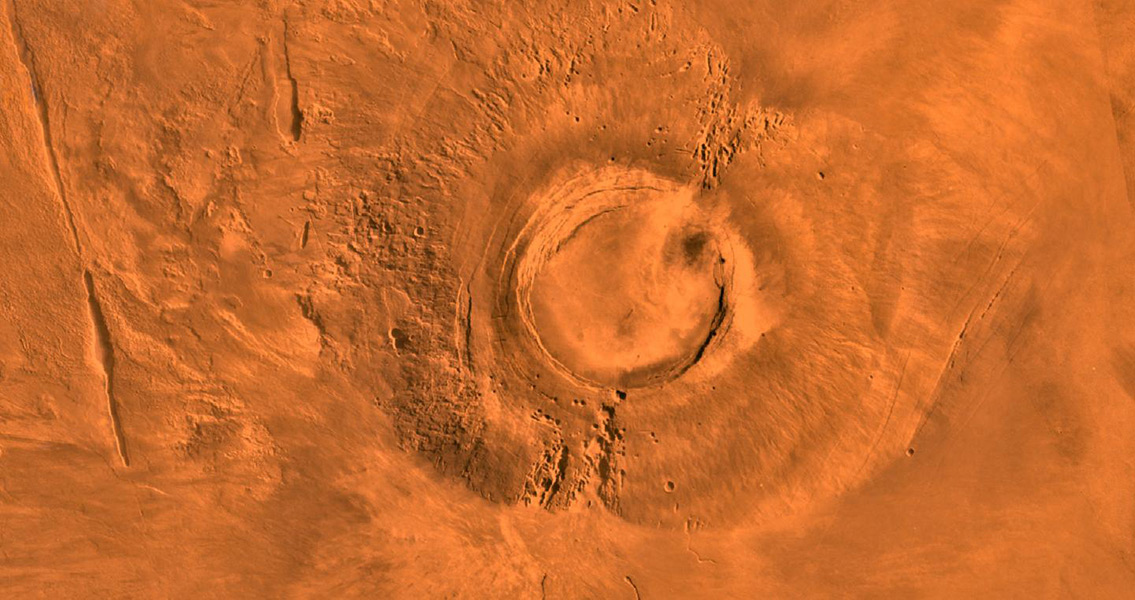
Massive Mars Volcano Last Active During Dinosaur Die-Off

here Image courtesy of NASA/JPL/USGS]]>

Categories
News

Massive Volcano Eruption at Mount Etna in 1669 Kills Thousands

Categories
Breaking News

Volcano May Explain Mysterious 100-Year Maya Dark Age

Geology. ]]>

Categories
Breaking News

Neighbors Helped Maya with Disaster Recovery

Categories
Breaking News

Volcanic Activity Connected to Climate Change

Science by the American Association for the Advancement of Science.]]>

Categories
Breaking News

Super Volcanoes in Idaho More Powerful Than Yellowstone

www.crossref.org Image courtesy of Marc Reichow, University of Leicester ]]>

Categories
Breaking News

Cave Art Shows France Ravaged By Prehistoric Volcano

discovered in Northern Spain, but these images were dated to 13,000 years ago. In 2012 Nomade visited the Bas-Vivarais region with the aim of dating volcanic eruptions which would have coincided with the initial Homo sapien habitation of southern France. Through measuring the levels of certain isotopes of radioactive argon gas, he determined that the region had been struck by a series of spectacular eruptions between 19,000 and 43,000 years ago. Once it was clear that those living in the Chauvet-Pont d’Arc cave could have witnessed volcanic eruptions just a short distance away, Nomade and his team set about determining that the mysterious, as yet unidentified images in the cave were of volcanoes. The fact that the designs are unprecedented from the time period and region is a key part of the team’s reasoning: “The distinctive design of spray-shape signs specific to Chauvet-Pont d’Arc cave is reminiscent of typical lava fountains associated with strombolian eruptions. Such symbols have no close equivalent within the considered time period (i.e Aurignacian), or even among the more than 340 known ornate caves in France and Spain”, they write in the study. In addition, the iconography of the designs in France bares a resemblance to the petroglyohs depicting the Porak volcano in Armenia. The authors of the study point out that many of the images in the cave tend to be symbolic rather than naturalistic depictions of dangerous animals such as cave lions and bears. As mentioned above, there is no evidence of the inhabitants of the cave depicting scenery. However, the image of the volcano could be interpreted as reflecting a broader fascination with things seen as powerful or threatening. “We must add that as there is no other example in prehistoric rock art of natural scenery it is here perhaps the strength of the eruption image that might have inspired the Aurignacian artists”, the authors write in the study. For more information: www.plosone.org Image courtesy of Plos One ]]>