Categories
Breaking News

Open Wide: T. Rex Had a Major Bite
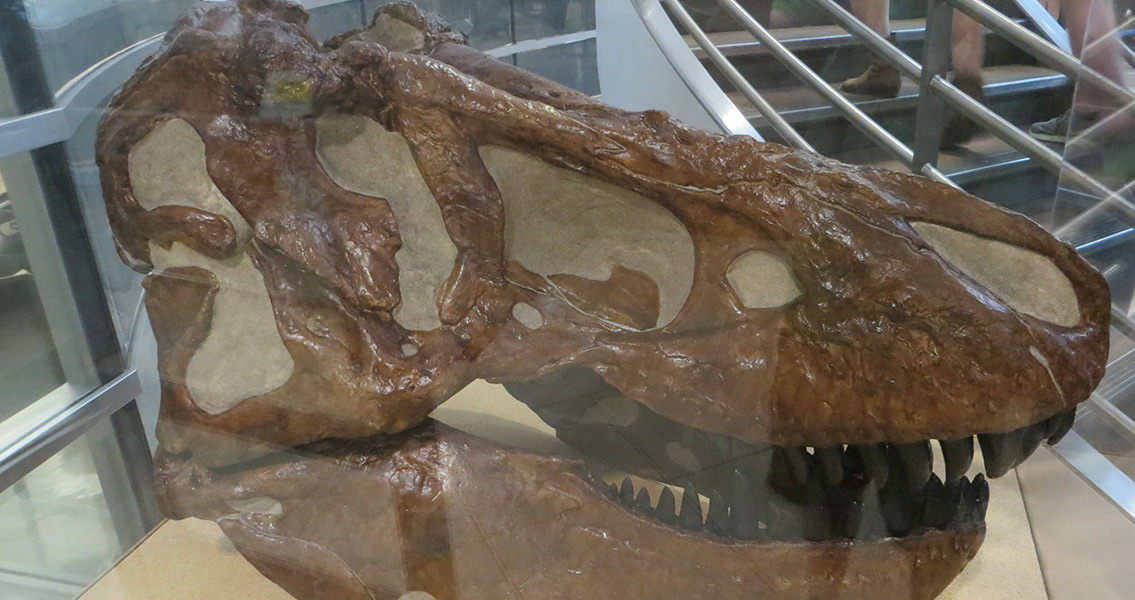
Allosaurus fragilis, and a third specimen – a herbivorous theropod known as Erlikosaurus andrewsi. The simulations were held up against several bird and crocodile species – the closest living relatives of dinosaurs – in order to have a comparison point for maximum jaw gape and muscle strain. According to the results of the study, carnivorous theropods like the Allosaur and the Tyrannosaur were capable of opening their mouths an impressive and perhaps terrifying 90 degrees at the maximum. Meanwhile the Erlikosaurus, the herbivorous relative of the meat-eating pair, could only open its mouth as wide as around 45 degrees. Additionally, the bite force that the Tyrannosaur could sustain over a wide variety of jaw angles was prodigious, a strong indication that the carnivore was easily capable of rending flesh and crushing bone in order to feed on its prey. The results were eye-opening but not necessarily unexpected, Dr. Lautenschlager said in the press release. The jaw gapes of modern herbivores is almost universally smaller than that of predatory animals living today, the scientist remarked; the fact that this trend was also apparently present in theropods millions of years ago shows commonalities in evolution and biology. Image courtesy of Wikimedia Commons user: WildFrogs]]>

Categories
Breaking News

Downfall of Mammoths a Function of Their Diet?

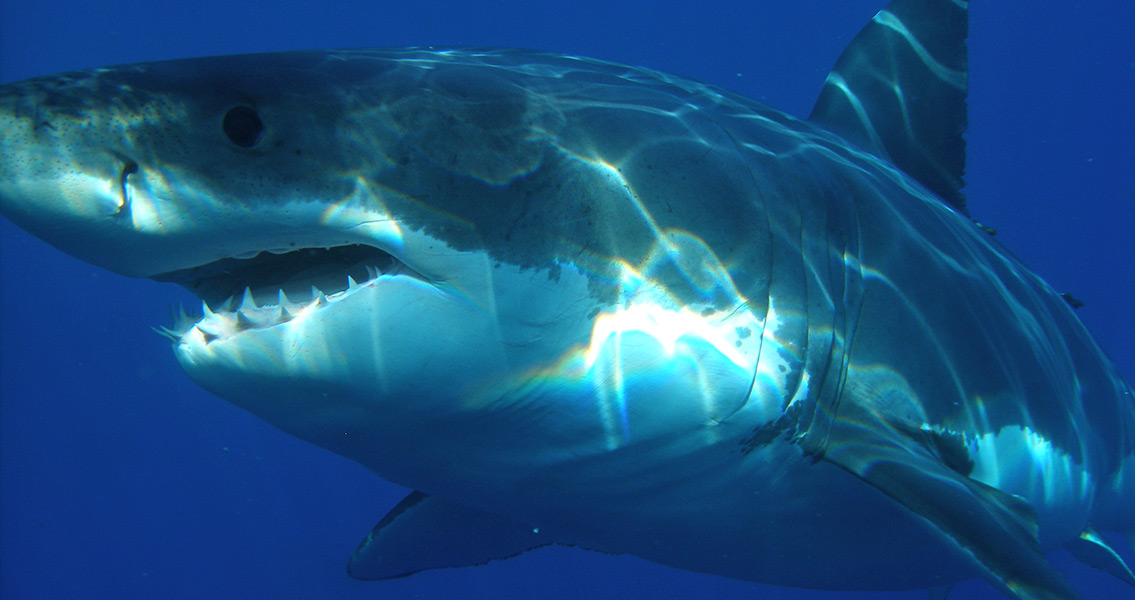
www.link.springer.com Image courtesy of Wikimedia Commons user: Yara shark]]>

Categories
Breaking News

Megalodon Teeth Appear in North Carolina

Categories
Breaking News

Newly Discovered Bird Fossil Points to Ancient Flight

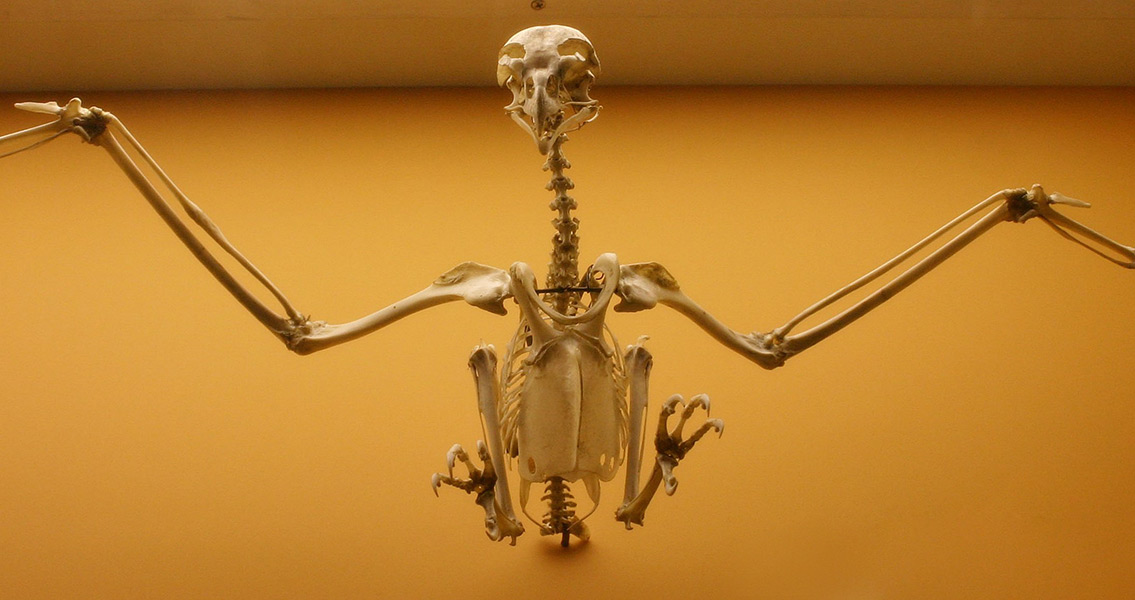
www.nature.com ]]>

Categories
Breaking News

Details of Montana State Fossil Revealed in Giant Study

www.journals.cambridge.org Image courtesy of Wikimedia Commons user: Daderot]]>

Categories
Breaking News

Fossilized Footprints of Dinosaurs Discovered in Germany

Categories
Breaking News

Alaskan Researchers Discover Marine Fossil

plesiosaur family known as an elasmosaur. According to the museum’s press release, Curvin Metzler, a fossil collector based out of Anchorage, made the find. The elasmosaur featured extremely long necks and long, paddle-like limbs that would have enabled them to swim freely underwater, according to the museum’s marine fossil expert and earth science curator Patrick Druckenmiller, who was quoted in the museum announcement as comparing the ancient dinosaur and the mythical Loch Ness monster that is rumored to live in the Scottish lake. Elasmosaurs roamed the waters of Alaska around 70 million years ago, but are not actually classified as dinosaurs because they never set foot on land. Theresa Bakker, a spokeswoman for the museum, said that there were highly specific criteria that needed to be satisfied before a creature could be considered a dinosaur, despite the fact that elasmosaurs lived during the Late Cretaceous when terrestrial giant reptiles were at the top of the food chain. The new find represents a historic moment in Alaskan paleontology, as it is the first time fossilized remains of an elsamosaur have been discovered within the state. Metzler discovered several of the creature’s fossilized vertebrae protruding from a bluff as the stone around it eroded, and he joined forces with Druckenmiller and an additional pair of experts to excavate the site in June this year. It was at that point that the fossil hunter was able to identify the skeleton as originating from an elasmosaur; a large percentage of the remains have since been recovered. Although the fossils were 30 feet up a 60-foot cliff, Druckenmiller wasn’t deterred from pursuing the find. A passionate plesiosaur fossil hunter, he has previously led several paleontology excavation teams across North America; one of his most recent finds was a nearly-complete elasmosaur unearthed in Montana in 2010. For now, the majority of the skeleton is being put on display at the Museum of the North, located in Fairbanks. Druckenmiller says there’s still a few remnants to recover from the site; according to his estimates, the elasmosaur would have been a minimum of 25 feet long in life. This new find isn’t the only example of a fossilized marine reptile being discovered within the state. Alaska has also been the home of two distinct finds, the first being a long, lizard-like reptile with a flattened tail known as a thalattosaur, which was uncovered on the shores of the Thongass National Forest southeast of Juneau; the other, an ichthyosaur, which resembles a modern dolphin, was discovered in the Brooks Range, located in the northernmost reaches of the state. Image courtesy of Wikimedia Commons user: D. Gordon E. Robertson]]>

Categories
Breaking News

New Ancient Worm Species Discovered in China

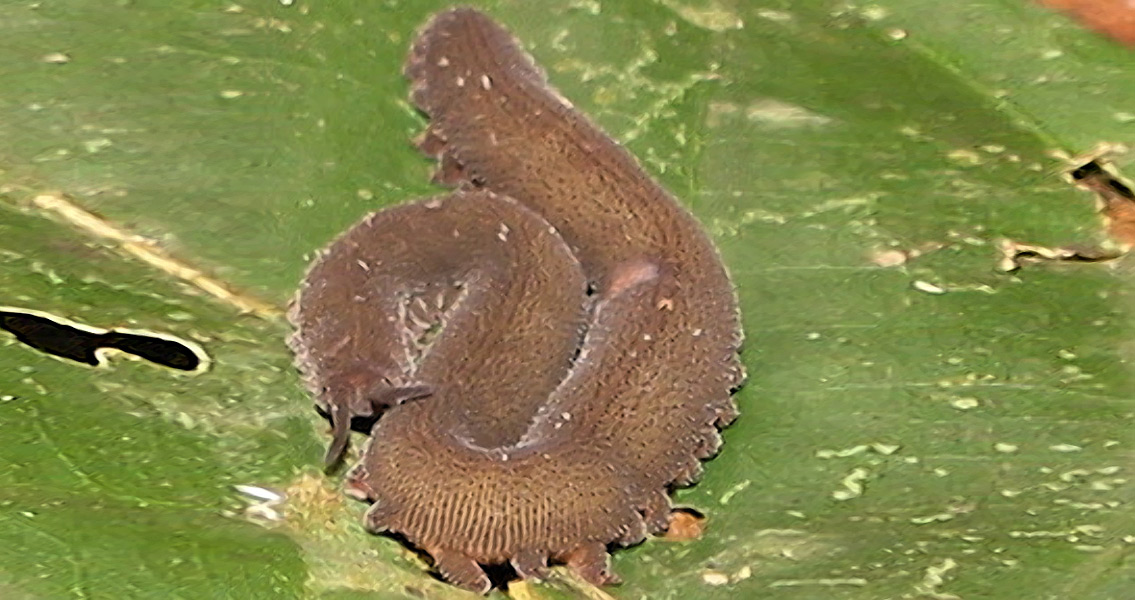
Collinsium ciliosum, the armored worm has been nicknamed “Hairy Collins’ Monster” after Desmond Collins, the Canadian paleontologist that initially illustrated the worm during the 1980s. The closest living relative to C. ciliosum today would be the velvet worm, a strange centipede-like worm with segmented legs; large, almost snail-like antennae; and a distinct lack of armor. There are around 180 species of velvet worm in existence, with most of them living in the Southern hemisphere and exhibiting little in the way of differentiation besides size and coloration. However, according to Cambridge University’s Dr. Javier Ortega-Hernández, the lead author of the study on C. ciliosum, the evolutionary great-great grandfather of the velvet worm exhibited a startling amount of diversification, coming “in a surprising variety of bizarre shapes and sizes” according to a university press release. The sheer volume of divergent forms the armored worms took so far in the past is typical of the geological era in which they lived. Called the Cambrian explosion, the time period was characterized by intense evolutionary development. Other creatures from the period, such as lamp shells and sea lilies, have also demonstrated a high level of evolutionary activity during the Cambrian explosion, but this is the first time that it’s been evidenced in a relatively soft and squishy group of creatures such as that which C. ciliosum belongs to – even if its hard, aggressive-looking carapace seems to belie that description. It is likely that the otherwise soft and tender body of the worm made it a prime target for larger predators. The creature’s limited mobility and its status as a sedentary filter-feeder meant that it could have easily faced extinction through predation if it had not adapted the hard shell that it came to be encased in, complete with as many as 72 sharp, fierce, spiky horns of varying shapes and sizes. Ortega-Hernández referred to C. ciliosum as “Hallucigenia on steroids”, referencing a recent but unrelated fossil find in Canada of a similar worm-like creature that also existed in the Cambrian. The two worms are in fact members of the same evolutionary family and bear a passing resemblance to one another, though Hallucigenia lacked the impressive armored suit that its cousin C. ciliosum evolved to keep itself safe from harm. For more information: www.pnas.org Image courtesy of Wikimedia Commons user: Thomas Stromberg]]>

Categories
Breaking News

Ancient Worm Fossil Smiles for its Close-up

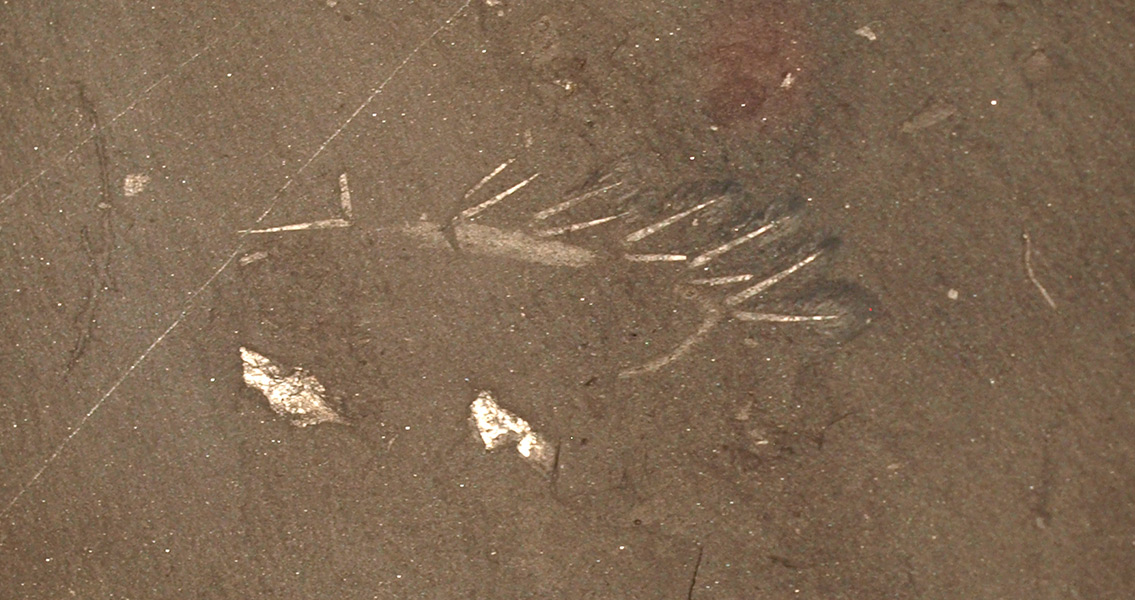
Hallucigenia sparsa, a marine worm that lived some 500 million years in the past during the Cambrian period, has proven to be a tough nut to crack based on what it left behind in the fossil record. Originally discovered in the 1970s, the spiny, 15-millimeter long worm left such strange impressions in its fossilized form that for decades researchers thought that its spines were actually its legs. While the scientific community eventually managed to figure out which side of H. sparsa was up, there was one last problem related to its study – no one could figure out which end was the front. A new research study into the diminutive, worm like marine animal has not only identified the creature’s front end from the back, it has also revealed the unique characteristics of its face. According to paleontology and evolution researcher Martin Smith from the University of Cambridge, the co-author of the study, while the research team expected to at least find a pair of eyes under the microscope they also found a “grinning” mouth lined with sharp teeth. Additional teeth were found lining the interior of H. sparsa’s mouth, angled backwards to direct food deeper into the creature to begin digestion. In an interview with Live Science, Smith said that the circular, toothy mouth of H. sparsa might end up being an evolutionary link to modern species such as nematodes, spiders and tardigrades. “You look at a spider today, and you would have no idea, but actually, its simple mouth used to be much more complicated,” Smith remarked, pointing to the more complex mouth of H. sparsa. The fossils that Smith and his colleagues used to make the discovery were sourced from Canada’s Burgess Shale, located in the mountainous terrain of British Columbia. The rock formation is noteworthy for harboring some of the most well-preserved examples of fossilized intact soft tissue and is one of the oldest fossil beds in the world where soft tissue fossils can be found. Several dozen H. sparsa specimens were examined by researchers as they carefully chipped away at the shale surrounding the ends of the fossils with the help of a micro-engraving tool. Once the specimens had been cleaned sufficiently, they were placed under a microscope for further study, which is when the eerie “smile” of the creature was revealed. While the proper end of H. sparsa has finally been revealed, there is still speculation as to what it actually ate. Smith suggests that the marine creatures could have been filter feeders, using their two long front limbs like tentacles to pluck detritus from the water. Another possibility is that H. sparsa used its legs to latch on to sponges and attach its lamprey-like mouth to feed. For more information: www.nature.com Image courtesy of Wikimedia Commons user: Captmondo]]>

Categories
Breaking News

Shark Fossil Discovered in Outskirts of Fort Worth

www.journals.plos.org ]]>