Categories
Breaking News

Fossil of Strychnine Ancestor Discovered

Nature Plants. The specimen belongs to the genus Strychnos, one which eventually gave rise to some of the world’s most lethal poisons, including strychnine and curare. Asterids are a family of flowering plants which have developed into some of the most crucial species in the world, giving us everything from potatoes to tomatoes, tobacco and cocoa. Providing vital foodstuffs for humans, asterids are an incredibly diverse group of plants spread across ten orders, 98 families and about 80,000 species. All together, they cover around a third of earth’s flowering plants. Two 20-30 million year old fossil flowers were found perfectly preserved in a piece of amber. The discovery was made in what is now the Dominican Republic. “The specimens are beautiful, perfectly preserved fossil flowers, which at one point in time were borne by plants that lived in a steamy tropical forest with both large and small trees, climbing vines, palms, grasses and other vegetation,” said George Poinar, Jr., a courtesy professor in the College of Science at Oregon State University. Prof. Poinar is one of the world’s leading experts on plant and animal life preserved in amber. Visually stunning, the plant was also likely deadly. “Species of the genus Strychnos are almost all toxic in some way,” explained Prof. Poinar. “Each plant has its own alkaloids with varying effects. Some are more toxic than others, and it may be that they were successful because their poisons offered some defense against herbivores.” The study results confirm that plants from the inherently toxic Strychnos genus were around on earth millions of years before humans’s evolved. There are currently around 200 species of Strychnos plants around the world, predominantly found in the tropics. Strychnine is nowadays mostly found as a white, odorless powder. Just a small amount of the dangerous substance triggers severe effects in humans, and can be fatal. Surprisingly however, it also has some medicinal uses and used to be sold in pill form. Its most common application though is in rat poisons, and pesticides. The most readily available source of the poison now is the Strychnos nux-vomica plant from southern Asia and Australia, giving an insight into just how far the genus spread from the Dominican Republic. Curare has long been used in weapons, with indigenous South American tribes using it either with arrows or blow darts for hunting. A strong muscle relaxant, it is able to paralyse hunted prey. Although poisonous, it has medical applications, particularly during surgery. “Specimens such as this are what give us insights into the ecology of ecosystems in the distant past,” explained Poinar. The discovery of the fossils in an area that was once Late Cretaceous forest suggests that many other related plant families could have evolved within similar environments. For more information: www.nature.com Image courtesy of George Poinar, Jr., courtesy of Oregon State University]]>

Categories
Breaking News

The Massacre of Glencoe Revisited With the Discovery of a Turf House

Categories
Breaking News

Odd Upright Burial Found at Ancient European Cemetery

Quartär, can be found online here Image courtesy of Wikimedia Commons user: Aquilla]]>

Categories
Book Reviews

Sex, Health and Government – The Work Of Havelock Ellis

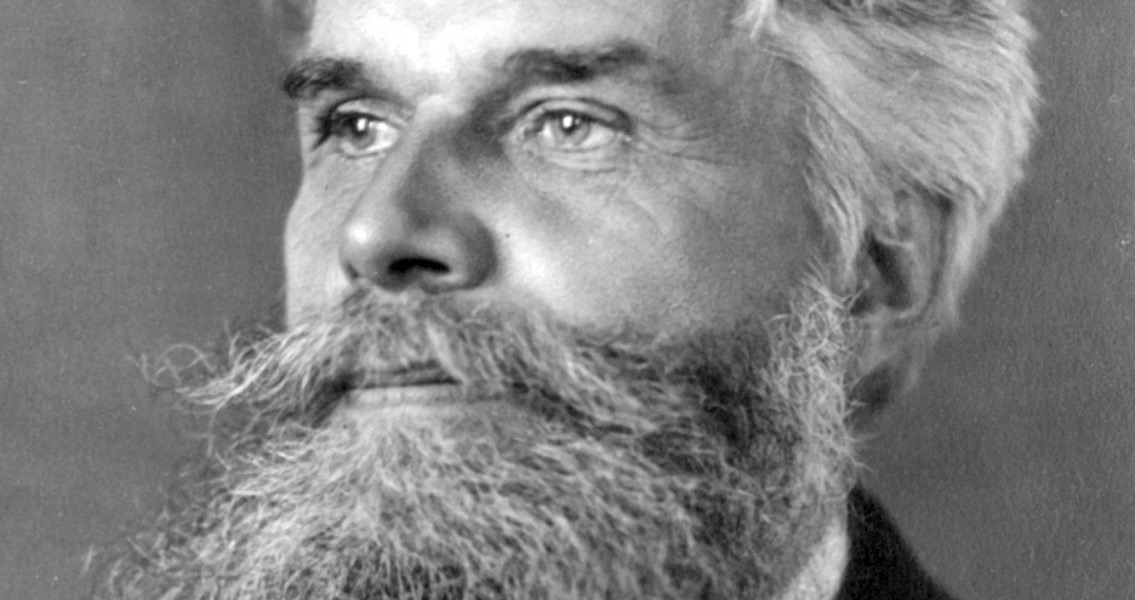
The Nationalisation of Health suggested that the state held responsibility for the health of its citizens. Coming over fifty years before the foundation of the NHS, it was a revolutionary suggestion for its time. The book describes the hospitals of the future, the role of private practitioners, and the need for a Health Minister. Two years later, Man and Woman: A Study of Human Secondary Sexual Characters was published. It was Havelock Ellis’ first study of sexology, coming as the result of over 12 years of research. Attempting to ground the study of gender in biology, the work was in some ways symptomatic of its time. The book traces the history of women’s position in society, from the prehistoric period through medieval times and into the Victorian era, and attempts to analyse the social and economic problems connected to womanhood in the still deeply patriarchal societies of the late nineteenth century. Although some of the conclusions the book reaches about the physical and mental differences between men and women may seem at best overly simplistic and at worse downright sexist now, it was groundbreaking in stressing that men and women had complementary abilities crucial to society, rather than one being more valuable than the other. “Woman is not undeveloped man, but diverse.” ‘Man and Woman’ laid the basis for what is perhaps Havelock Ellis’ best known work, and certainly the most important – ‘Studies in the Psychology of Sex’. The first of the seven volume work, ‘Sexual Inversion’, is perhaps the most significant. Published in 1897, just two years after Oscar Wilde’s conviction for sodomy, the book is the earliest serious study of homosexuality (what Havelock Ellis referred to as ‘Inversion’) and truly innovative considering its context. Highlighting that homosexuality was present in both the animal kingdom and throughout history, ‘Sexual Inversion’ argued that it was a natural occurrence rather than a symptom of social decay, mental illness, or moral degeneracy. Unsurprisingly, the book caused an uproar and was quickly banned. In 1898 George Bedborough was charged with selling copies, the prosecution claiming he “sold and uttered a certain lewd wicked bawdy scandalous and obscene libel in the form of a book entitled Studies in the Psychology of Sex: Sexual Inversion.” Authorities associated the book with anarchism, showing just how dramatically it had shocked a still incredibly reactionary society. For years, the groundbreaking work was only available to the medical profession. Subsequent volumes of ‘Studies in the Psychology of Sex’ would go on to discuss issues such as masturbation and the physiology of sexual behaviour. Throughout, the unifying theme was an attempt to dispel fear and ignorance with open discussion, portraying sexuality as a natural expression of love. In that sense, Havelock Ellis’ works were crucial in defying the rigid repression of Victorian Society.

Related Books


Studies in the Psychology of Sex book

Studies in the Psychology of Sex
The Evolution of Modesty the Phenomena of Sexual Periodicity Auto-Erotism Vol. 1Vol. 1
by Havelock Ellis

[gap height=”20″] ]]>

Categories
Breaking News

Researcher Discovers Ancient Artifacts in Plain Sight

Categories
Breaking News

Portsmouth Harbour Dredging Yields Iron Cannon

Categories
News

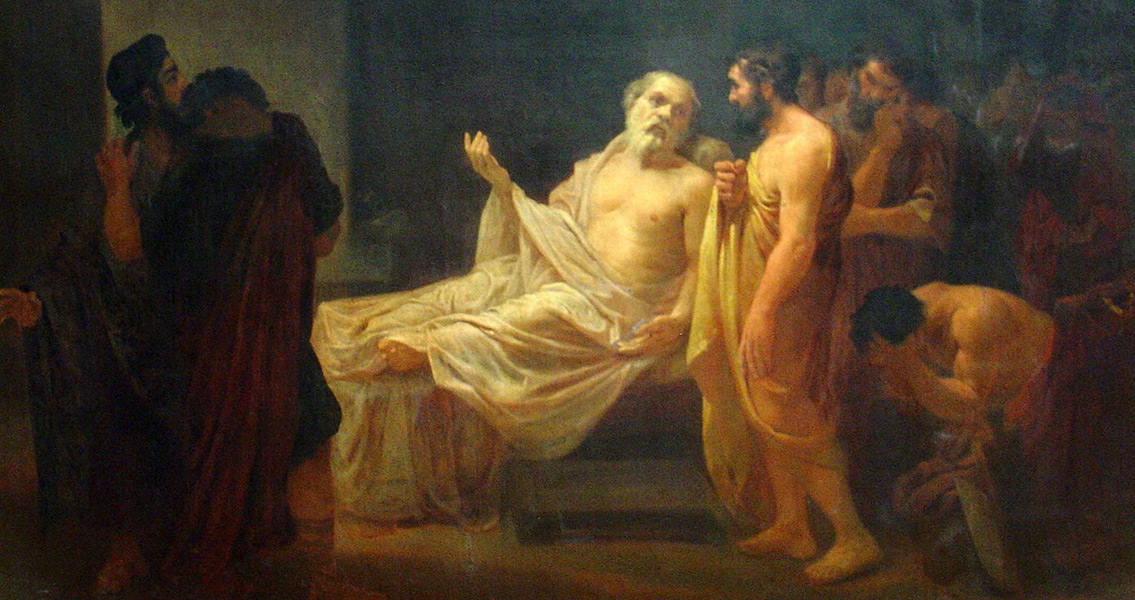
Socrates Sentenced to be his Own Executioner

Categories
Breaking News

14th Century Danish Coins Found in Field

Categories
Breaking News

Ancient Greek Silver Mine Discovered on Aegean Shore

Categories
Breaking News

Neanderthal DNA Linked to Depression, Strokes and Smoking

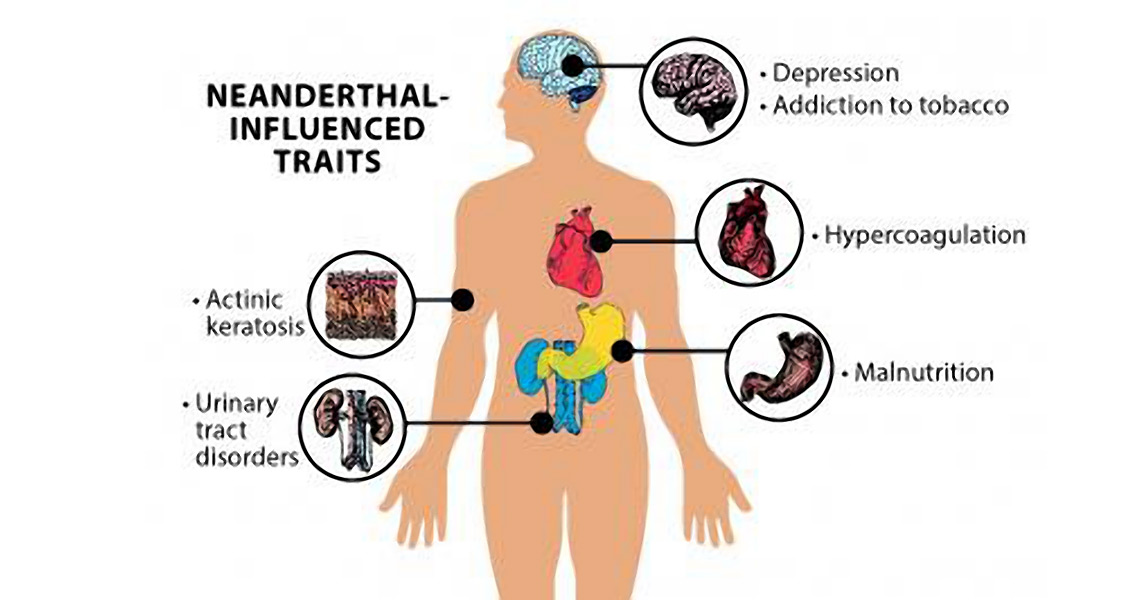
Science, the new study from scientists at Vanderbilt University is the first to actually compare Neanderthal DNA in a significant population of adults from European ancestry with their medical records. Just a few weeks ago, a study claimed that Neanderthal DNA could be responsible for allergies in humans, while previous research has suggested anything from skin colour to our fat metabolism could have been affected by Neanderthal DNA. Led by Professor John Capra from Vanderbilt University, the new study confirms that Neanderthal DNA influences a surprisingly diverse range of clinical traits in modern humans. “Our main finding is that Neanderthal DNA does influence clinical traits in modern humans: We discovered associations between Neanderthal DNA and a wide range of traits, including immunological, dermatological, neurological, psychiatric and reproductive diseases”, Capra explained. A surprising number of Neanderthal snippets are associated with neurological and psychiatric effects, according to the new study. “The brain is incredibly complex, so it’s reasonable to expect that introducing changes from a different evolutionary path might have negative consequences.” explained Corinne Simonti, a doctoral student from Vanderbilt University and the the paper’s first author. Aspects of Neanderthal DNA which modern humans retained to their advantage 40,000 years ago could be proving deadly now. One Neanderthal DNA variant is responsible for rapid blood coagulation in modern humans, something which seals wounds quickly and prevents infection – a crucial trait in hostile, perilous prehistoric environments. In modern societies however, this trait has become detrimental, with hypercoagulation increasing the risk of stroke, pulmonary embolism and complications during pregnancy. The team obtained their results by taking advantage of the Electronic Medical Records and Genomics Network funded by the National Human Genome Research Institute, a database which links the biological samples of 28,000 patients with their health records. After identifying individuals who suffered from specific medical conditions, such as heart disease or depression, the team determined the unique set of Neanderthal DNA those individuals carried. By comparing the two sets of data the team could identify whether each piece of Neanderthal DNA influenced the risks found in the medical records. The techniques developed by the team have the potential to open up new avenues to study the effects of different key events on human evolution. “Vanderbilt’s BioVU and the network of similar databanks from hospitals across the country were built to enable discoveries about the genetic basis of disease”, explained Prof. Capra “We realized that we could use them to answer important questions about human evolution.” Capra and his team are now looking into studying other data held in the medical records, beyond just physical traits, to gain an even wider understanding of the effects of Neanderthal DNA. For more information: www.science.sciencemag.org Image courtesy of Deborah Brewington, Vanderbilt University]]>