PLOS ONE, can be found online here Image courtesy of F. Botas]]>

PLOS ONE, can be found online here Image courtesy of F. Botas]]>

Proceedings of the Royal Society A, is available online here Image courtesy of Selbymay]]>

The Independent, it seems as if those who had been responsible for shifting the local populace’s religious beliefs were attempting in some quite literal way to bury the past. Researchers are now gearing up to see if these religious revolutionaries were seeking to conceal their own history or if it was an attempt to erase the influence of another cultural group instead. The significance of this discovery is also high as this sudden change in religious worship is thought to have occurred nearly simultaneously with the transformation of the nearby Stonehenge site into its current configuration: a relatively small-diameter circle of giant stones, from its older, larger diameter configuration created by a multitude of medium-sized stones. The repurposing of Durrington Walls, the reconfiguration of Stonehenge and other, similar events occurring around Britain during this period of prehistory are thought to be part of the process of the Neolithic giving way to the Bronze Age. While it may not be possible to ever discern the political and religious conflicts and rivalries of this time, these new discoveries at Durrington provide some limited context for what may have been happening. ]]>
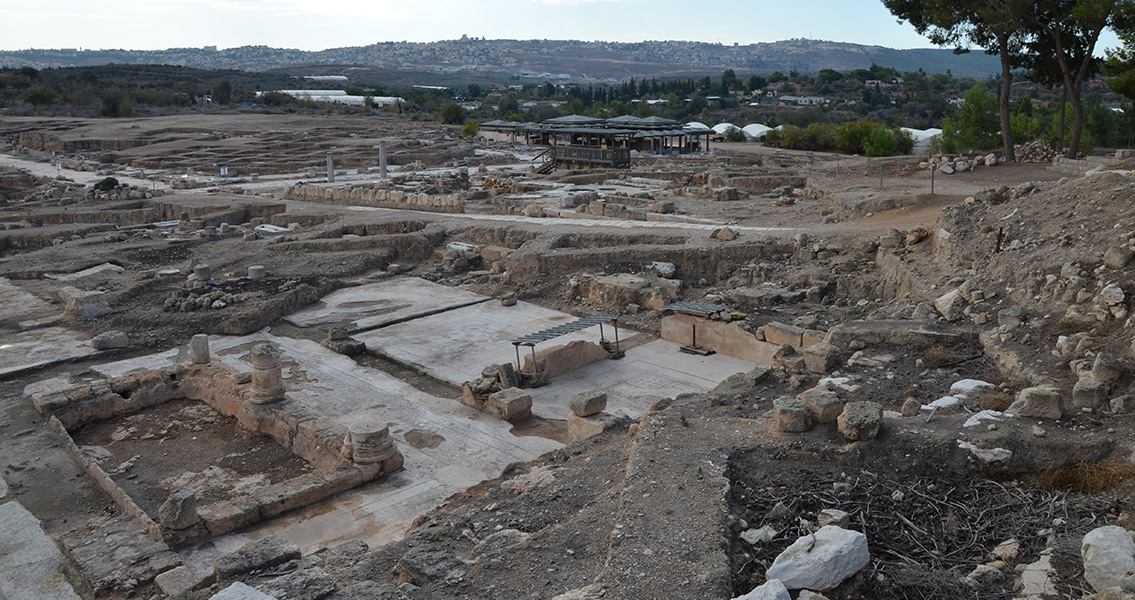
Haaretz, both a dig conducted by researchers from the Hebrew University of Jerusalem at Zippori and one conducted there by archaeologists from Kinneret College have found indications that regions in the Galilee – one of the biggest hotbeds of radicalized Judeans during the Great Revolt – may have been subjected to fewer reprisals at the hands of the Romans than previously thought. Frescoes found in Zippori dating to around 1,800 years in the past and a synagogue found in Nahal Tabor that predates the destruction of Jerusalem’s Second Temple have had researchers questioning what they know of the period. Zippori made a very public and controversial decision in 67 CE, during the early days of the Revolt. Town leaders declined to join in the rebellion, endearing it to Rome and sparing the city. While Jerusalem was sacked and reduced to rubble, Zippori became a major metropolitan center in the region with a mixed pagan and Jewish population, growing to house cyclopean structures and column-lined streets. One of the most impressive of these structures dating to Zippori’s heyday was found this summer, with Hebrew University’s Professor Zeev Weiss spearheading the endeavor. A multitude of colored fresco fragments were found within the structure’s ruins, including partial images of a leopard, a bird, some sort of horned animal that was likely a bull, and the head of a lion. The images are doubly noteworthy as the only other site in ancient Judea that has been found to have similar decorative touches is in Herodium, at Herod’s palace. These depictions are thought to have been a rare deviation from the Torah’s injunction against graven images. Weiss, who has been overseeing the uncovering of Zippori’s ancient ruins for decades, remarked that it’s a strong indication that the Jewish population was not displaced after the Great Revolt, though he was quick to say that there’s no evidence one way or another that Jews built it. However, with stone vessels and ritual baths existing from the time period as well, there are strong indications that pagan and Jewish communities were living side-by-side. Meanwhile, the Kinneret College dig has discovered the newest synagogue dating from the Second Temple period, bringing the grand total to eight found in Israel. The first to be discovered outside of an urban setting, the place of worship certainly predates the Great Revolt, as the historical record has shown that synagogues built after the failed revolution were prohibited from having regular prayer services or to house a Torah in an ark. According to Dr. Mordechai Aviam, the director of the excavation, the rural community survived the Great Revolt intact, much as Zippori did. “We now know that if there is a Jewish settlement that is identified by stone vessels and an absence of pig bones and we find a building with benches along the walls, that is a synagogue.” Having discovered a complex of buildings from the Roman period in the area, Dr, Aviam believes it was home to a large community who used the synagogue.]]>
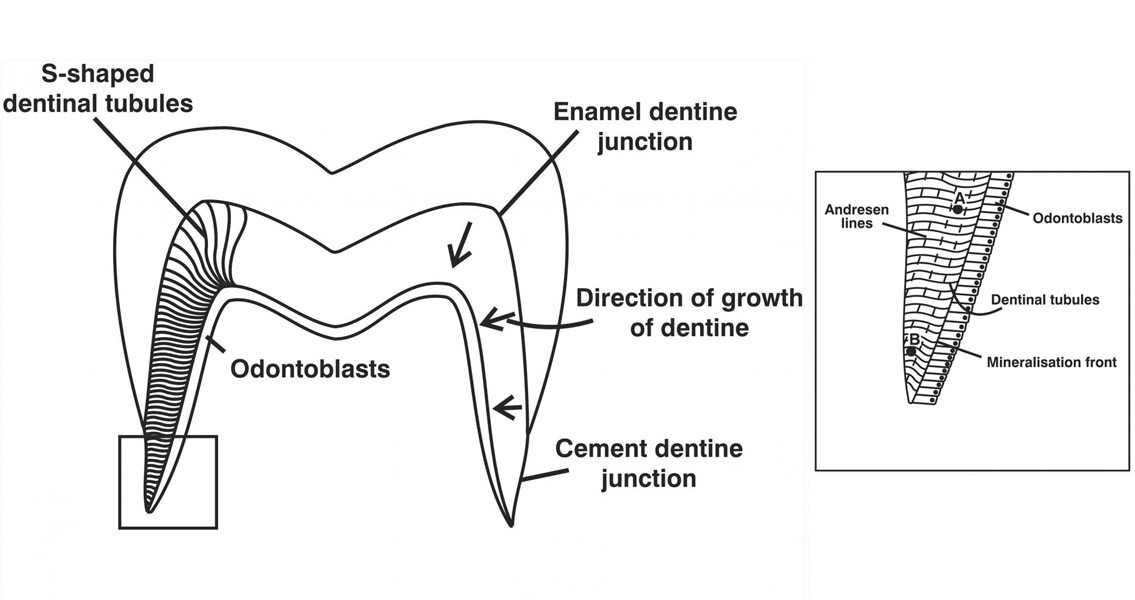
here Image courtesy of Beaumont et al. (2016) ]]>


Greek Reporter has just revealed that the Greek Ministry of Defense, Infrastructure, and Finance has received a letter from the Culture Ministry on behalf of the General Directorate for Antiquities and Cultural Heritage that could place the future of the Elliniko site, and the ability of Greece to move forward with recovering from its myriad financial woes, in jeopardy. The original plans for the site included a small portion of the area to be reserved as an archaeological site, according to the Culture Ministry. However, new developments at the airport have revealed that the scope of the dig site is much more expansive than it was originally estimated to be. In its letter, the Culture Ministry has urged recipients to respond urgently to the new plans. Regardless of whether the Culture Ministry succeeds in setting aside larger swathes of Elliniko for archaeological study, the bureaucratic result is likely to be at the very least a delay in the privatization project – something that has been in development since 2014. Additionally, there are fears now that delays may expose the Greek government to litigation from Lamda Development in the wake of the recently signed memorandum of understanding between the two parties. According to the Greek-language newspaper Kathimerini, opposition leaders in the Greek government have responded angrily. Stavros Theodrakis, leader of the centrist To Potami political party, spoke out in condemning the move, going so far as to accuse factions within the ruling Syriza Party and a handful of government ministers of coming together in collusion to delay the Elliniko project. Likewise, Union of Centrists leader Vassilis Leventis felt that it was unnecessary to discuss Elliniko’s archaeological significance after the investment had already been agreed upon. The Elliniko privatization project will provide the equivalent of more than $1 billion USD to the Greek government. Additionally, it will create around 70,000 new jobs after construction is completed on the new tourist center, which will include hospitality staff for the numerous new hotels, restaurants, and other amenities set to be created for the region in an effort to create the largest metropolitan park of its kind. The plans also call for the creation of a kilometer’s worth of new recreational beachfront. ]]>


New York Times, team leader Qinglong Wu says that a new lake caused after a landslide, precipitated by an earthquake, dammed the Yellow River near the Jishi Gorge, close to the Tibetan plateau. The water level rose by around 800 feet, according to data gathered by the researchers. Water accumulated for between six and nine months, only for the dam to finally give way, releasing a deluge of 3.8 cubic miles of water – easily one of the most extreme floods of the last 10 millennia. Researchers say that there was so much water the flood wave could have traversed as far as 1,250 miles down the course of the Yellow River, easily obliterating the natural banks of the river and causing unprecedented flooding. The course of the river itself could have been altered by this event, they added. While floods can be difficult to place in the historical record, in this case the same earthquake that led to the landslide that dammed the Yellow River also destroyed the local village of Lajia around 16 miles downstream. The flood and the earthquake seem to have occurred in the same year, as fissures created by the earthquake had been filled completely and exclusively with flood-borne sediment. The earthquake that destroyed Lajia has been pinpointed to around 1920 BCE, after the remains of three children killed by the natural disaster were radio carbon dated. Researchers estimate the beginning of the Xia dynasty at between 2070 and 1914 BCE based on records dating from the time, and 1920 BCE is squarely within this period. Additionally, the stories of Emperor Yu organizing the dredging of drainage canals in order to help the region recover from the Great Flood seem to be much more plausible in light of the new discoveries. While there could have been a great many floods over the millennia in the region – and a great many chances to recover from them, the jury is still out on whether this new evidence will be enough to legitimize the annals of Emperor Yu’s reign as historical fact – but Wu and his team believe it’s a step in the right direction. The results of the team’s research, which have been published in the journal Science, can be found online here ]]>