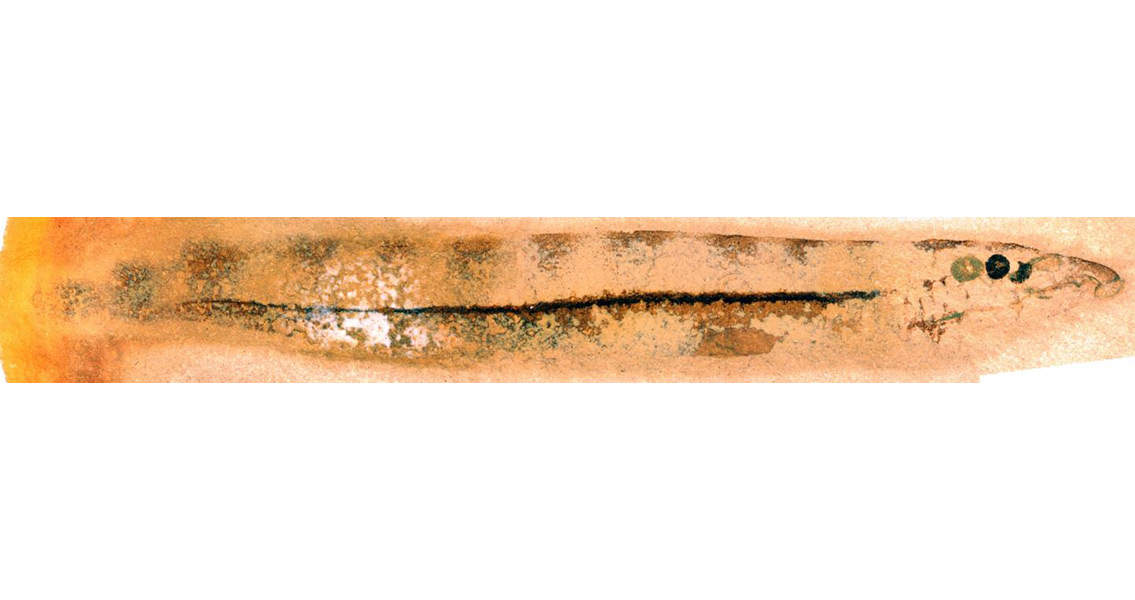
The Proceedings of the Royal Society B, can be found online here Image courtesy of Rober Sansom]]>
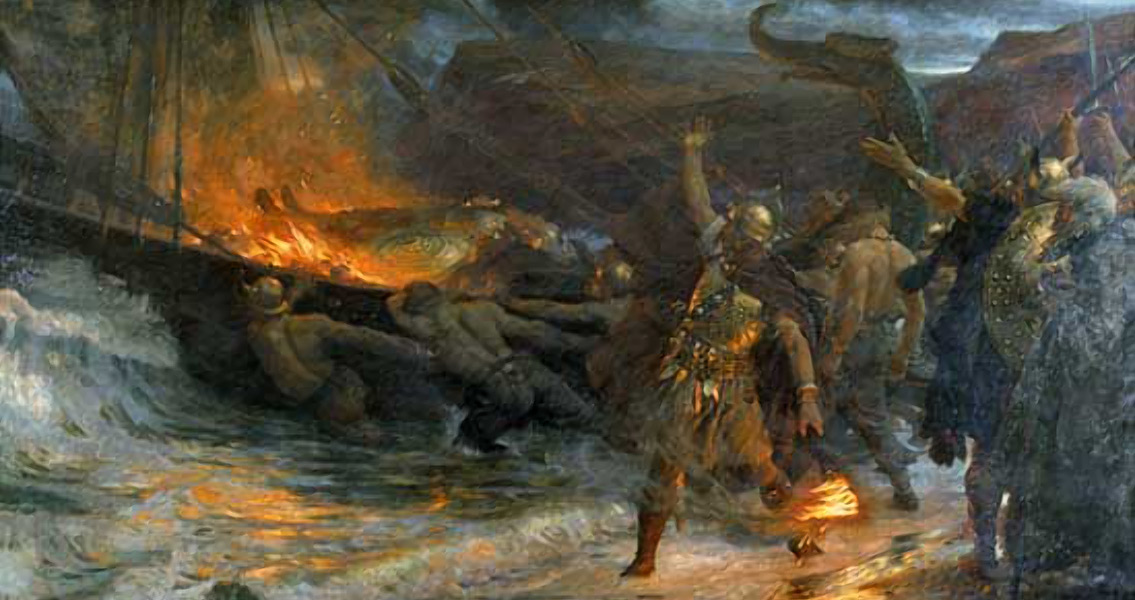
News Corp Australia, Kirsten Nelleman Nielsen, the leader of the excavation, says that the axe is exceedingly large, and would have been the kind of weapon that would have struck fear into the hearts of the wielder’s enemies. Known as the “Dane Axe”, the weapon would have been analogous in the Viking Age to the machine gun of the modern era, the researcher added. The weapon was likely not a ceremonial one, as it is simple and without adornment. Additionally, as it was the only object buried with the man, it is likely to have been a prized possession in life, leading Nielsen and his team to surmise that the tomb contains the remains of a warrior. Nielsen said the find was more than a little extraordinary, as this particular axe is much larger and heavier than other axes found in similar graves. The handle of the weapon would have been very long, requiring the use of both hands to wield effectively. Originally discovered in 2012, the multi-roomed dødehuse was stumbled upon during the construction of a highway in the district of Harup; the timber structure measures 13 meters by 4 meters and is part of an extensive burial ground. Within were found a trio of graves, which have all been dated to 950 CE. The front of the tomb held a man and a woman, seemingly buried together, while the back was the final resting place of the axe-wielding warrior. The couple seem to have been highborn or otherwise people of import, as their grave goods were sourced from across Europe. According to University of Copenhagen, Denmark archaeologist Henriette Lyngstrøm, silver coins originating from ancient Afghanistan and ceramics from the Baltic point to an international reach. Additionally, the female was found with a set of keys, thought to have been symbolic of her power, and the two were found within a wagon that is thought to have been used by Danes of noble birth during the time they were alive. The man, perhaps her husband, was found with a more modestly-sized battle axe. Nielsen remarked that finding a male and a female buried together in such pomp and circumstance is noteworthy, as it explodes the myth of the male-dominated nature of Viking society by affording equal status between the two. ]]>


The Local Sweden recounts how divers undertaking excavation work on the Kronan, a royal ship that sunk in the waters of the Baltic, made the discovery in July, with the cheese housed within a black tin jar resting on the seabed off the coast of the island of Öland. According to the Kalmar County Museum’s Lars Einarsson, researchers are reasonably sure that the object contained within the sealed jar is some sort of dairy product, with it most likely being cheese of some kind. The scientist added that the substance is both thick and gooey, has a strong smell of yeast and cheese, and particularly resembles a rather granular Roquefort, a blue cheese traditionally created from sheep milk. Einarsson remarked that the smell to him was quite appetizing, thanks to his own personal tastes for exotic food. However, while it’s been reasonably well preserved by being in the frigid mud of the Baltic, the 340-year-old cheese isn’t something he’s going to be tasting any time soon; the researcher likened the seafloor to be about as far as possible from the kind of ideal preservation conditions in a location such as Tutankamun’s burial chamber. It wasn’t just exceptionally fragrant ancient cheese that the researchers found. Over the course of a two-week dive, Einarsson and his colleagues also discovered other salvage, such as a diamond ring and over a dozen golden coins. The Kronan sank on June 1st of 1676 at noon, prior to the beginning of a sea battle known as the Battle of Southern Öland, which was a clash between a Danish-Dutch allied fleet and the Swedish one. The warship turned too sharply to port, and water began to flood into the vessel through the dozens of gunports, filling the Kronan with water. Soon, the forward powder magazine of the warship ignited, resulting in a massive explosion that sealed the fate of many of the sailors. The death toll from the wreck was massive, with approximately 800 ship hands perishing in the waters off the coast of the Baltic island; only around 40 men survived the Kronan’s sinking. One of the largest warships ever built during its heyday, the Kronan was found once again in 1980. It has since been subjected to careful study over the decades. In excess of 20,000 artifacts have been recovered from the wreck of the 110-gun three-decker so far, including the cranial remains of several crew members complete with intact traces of brain tissue. The suspected cheese is to be subjected to scientific analysis to confirm its identity, and is being kept in low temperature storage until the mystery can be put to rest in a more decisive manner. Hopes are high that, if it is indeed cheese, it will help to paint a broader picture of what it might have been like aboard a seventeenth century Swedish warship. ]]>
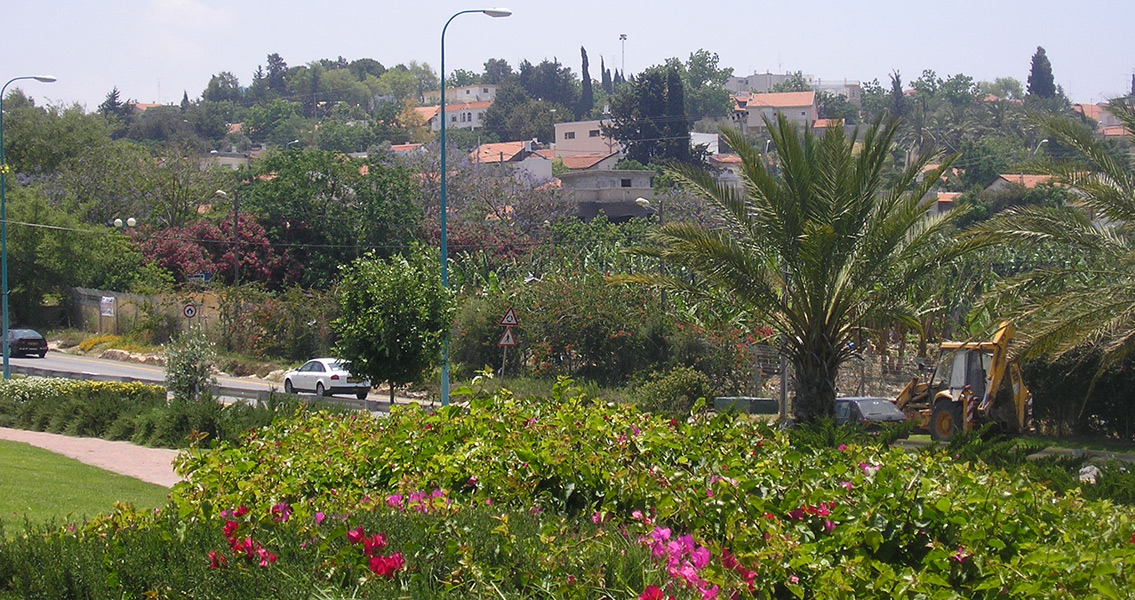
Live Science details the find, which included a ceramics factory where vessels and jars to hold oil and wine would have been made around 1,600 years in the past. Researchers conducting the dig reported that the shop site is noteworthy due to its kiln, which was cut from the living rock of the region. Exhibiting careful construction, the kiln was cut out of the bedrock, according to excavation director Joppe Gosker. This is unique in that the majority of kilns dating to the period would have been constructed not just of stone but of mud and earth as well, Gosker added. The kiln itself was constructed in two parts, the first being a chamber where the unfired clay jars and vessels would have been placed in order to cure them for hours in the blistering heat. The other, the firebox, would have been where combustible materials such as tinder and wooden branches were burned to provide that heat. Based on the types of broken ceramic shards found in piles close to the sides of the kiln, archaeologists are led to believe that there were two types of pottery created at the site. One type, likely exported from the site via the Mediterranean, were large-handled jugs known as amphorae that were typically used to transport oil or wine, while the others were jars that would have been ideal for transporting over land routes. According to Israel Antiquities Authority geologist Anastasia Shapiro, the geological conditions in the town of Shlomi were ideal for creating such a unique type of kiln. Shapiro stated that the chalky bedrock of the region has a high level of durability, making it strong enough to withstand the high temperatures of curing pottery in a kiln, yet at the same time it was not so hard that it would have been difficult to quarry. Researchers have been conducting excavations in the area for the past six months, prior to plans to construct new residences in the region. A portion of the site will be set aside for a public-access archaeological park. Additional discoveries include a handful of mosaic floor tiles and an ancient system for storing water, while geophysical surveys have revealed the ruins of several Byzantine-era walls that date to between the fourth century and the seventh century CE. The Roman-era pottery workshop is not the only one of its kind to be discovered within the borders of Israel recently. Earlier in 2016, researchers announced the discovery of a glass kiln near Haifa that had been traced to the fourth century CE, making it the oldest such kiln ever to be found in Israel. ]]>

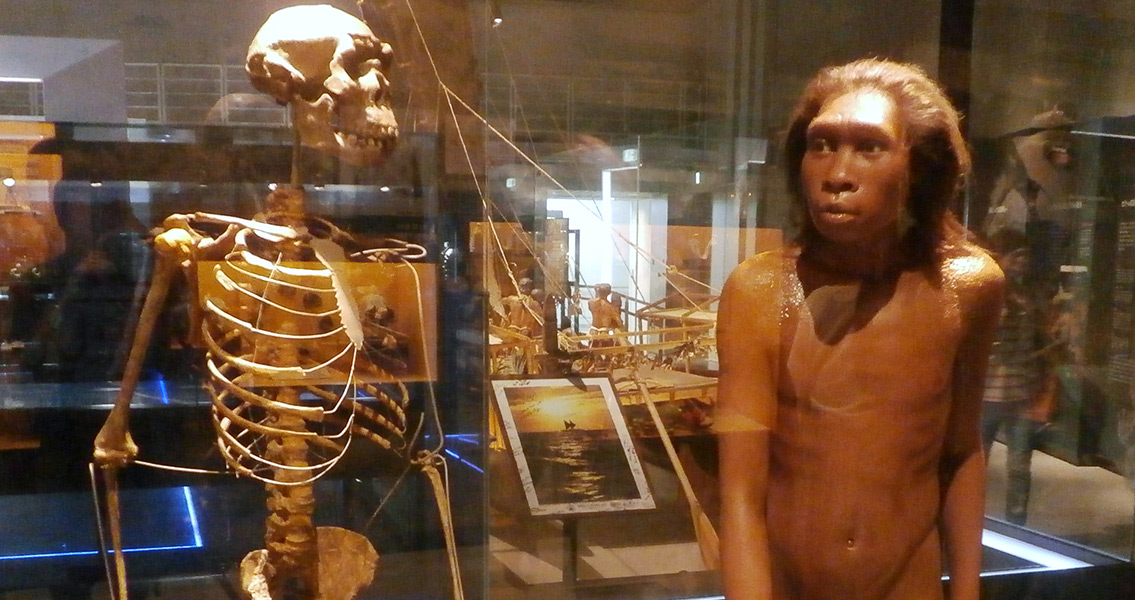
Homo erectus. While there’s no direct evidence that this was the case, the hominin, which is thought to have been the first to walk upright in a manner similar to modern humans, was the first to migrate from Africa. H. erectus fossils present in the Asian fossil record, dated to between 1.8 million years and 33,000 years old, put them in the right place at the right time to have contributed their genetic material. The only way to prove the theory would be to extract DNA samples from the remains of a H. erectus and then compare it to modern populations living in Australasia. This has proven difficult, as there has yet to be a H.erectus fossil discovery with enough genetic data intact to sample successfully. This differs from how scientists have derived the genome of an early hominin species known as the Denisovans after a cave in Siberia yielded a remarkably well-preserved finger bone. As if identifying the identity of the mystery species wasn’t complicated enough, it’s possible that the mystery DNA found within the samples was contributed by more than one unknown hominin living in or migrating to the region. With no frame of reference, there’s no way to isolate the new genetic material conclusively; with Denisovans, Neanderthals and at least one more hominin present within the region and interbreeding, it may be impossible to pinpoint just how many were there without additional ancient genomes to sequence. This is unlikely, as the climate of the Asia-Pacific features warm temperatures and high humidity levels which cause genetic material to degrade much more quickly than elsewhere. Regardless, this new study – and several others – have been building a case for just one single migratory movement by early humans out of Africa around 60,000 years in the past, changing the narrative when it comes to human evolution. The new study, published online in the journal Nature Genetics, can be found online at www.nature.com]]>