Categories
Breaking News

Massive 1,500-Year-Old Stone Complex Discovered in Kazakhstan

Live Science, there were several types of stone structures discovered by archaeologists from the Siberian Department of the Russian Academy of Sciences and Kazakhstan’s Mangistau State Historical and Cultural Reserve. These structures range in size from a modest 13 feet by 13 feet to as large as 112 feet by 79 feet, and are made from stone slabs that were inserted vertically into the ground. Many of the structures have a passing resemblance to Stonehenge, the researchers report. Several of the slabs have also been carved to depict a wide variety of items, including weapons and animals. More than just stone structures were found. Archaeologists unearthed artifacts left behind by those that inhabited the complex, including a saddle featuring silver ornamentation which, like many of the stone structures, depicts animals such as deer, wild boar and prey animals that bear a passing resemblance to lions. Research into the saddle has led researchers to believe ancient artisans originally designed the embellishments using leather before gluing them to wooden boards. These pieces of leather would then have been covered by silver plates and held together until an impression was formed in the silver. The stone complex was originally discovered in 2010 by an amateur metal detector operator who found several artifacts, including parts of a silver saddle. It wasn’t until 2014 that the funds for archaeological research into the region could be secured; the fruits of this archaeological team’s labor, which includes the discovery of several more artifacts, have been recently published. Much of the excavation work and subsequent study has been preliminary in nature, according to the researchers. However, initial analysis indicates that some of the formal details of the stone enclosures and their construction methods point to nomadic tribes. Taking the artistry of the saddle into consideration, researchers are speculating that the Huns, a nomadic group of Eurasian warriors as famous for their horsemanship as they were notorious for their military dominance during the fifth century CE, may have been linked to the site. In fact, due to the design of the saddle, the precious metals involved in its construction and its artistry, archaeologists are nearly certain that its owner held privileged status. The saddle may even bear some indications as to which particular clan the individual belonged to. It could have been left behind as part of a burial ceremony or some other ritual event, researchers suggested; while there were skeletal remains discovered in the structure where the saddle was found, there are no indications that the skeleton was buried at the same time the saddle was left there. Additional research on the complex and other discoveries is ongoing. A research paper on the silver saddle is planned for 2017. The original research paper, published in the journal Ancient Civilizations from Scythia to Siberia, can be found online here Images of the stone complex can be found at Live Science]]>

Categories
Breaking News

Archaeologists Discover Further Details of London’s Curtain Theater

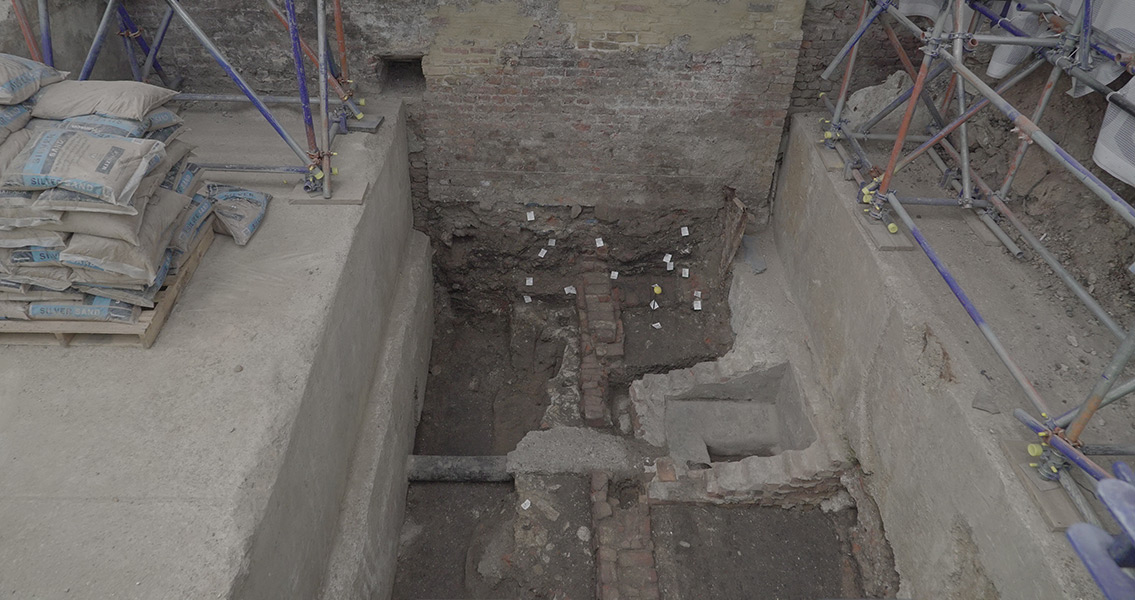
The Guardian, researchers found additional unique features of the Curtain’s stage, including what could have been a tunnel that ran beneath it to allow actors to pass from one side to the other undetected. The innovation could have led to Shakespeare – and other playwrights of his day – writing plays with the capabilities of the Curtain in mind, according to Museum of London Archaeology senior archaeologist Heather Knight. Knight remarked that with the Curtain stage so different from a typical thrust stage, which has places for the audience to stand on three of its four sides, the Shoreditch theater might have led to the development of new and interesting types of theatrical experiences. One of Shakespeare’s most beloved history plays, Henry V, is thought to have been first performed at the Curtain, though historical record is spotty. The famous line from the play’s prologue, where the Chorus describes the story as being portrayed in “this wooden O”, seems to contradict the idea that the Curtain was the first place Henry V was performed. However, historians have pointed out that the descriptive line simply may have been added to performances set in more traditional venues, and these versions of the play are the ones that have survived to this day. The excavation efforts are the first step in a massive development being undertaken in Shoreditch, including the construction of a mixed-use complex of apartments, offices, and retail space dubbed “The Stage” on the site of the Curtain. Detailed plans for the construction have been altered after the discovery of the Curtain’s foundations buried under a layer of gravel and rubble from a former Medieval monastery that had existed on Curtain Road at one time. It is common to find the ruins of many monasteries throughout England, especially from the period after King Henry VIII orchestrated England’s split from the Roman Catholic Church. In addition to the revelations of the size and dimensions of the theater, other artifacts have been discovered as well. Pieces of green-glazed ceramics, typically used as money-boxes for collecting entry fees from paying customers, have been found on the site; the possible remnants of costumes in the form of an assortment of pins and glass beads were also recovered. The new mixed-use office complex will incorporate a visitor center where archaeological finds from the Curtain will be on display. The center is slated for a 2019 opening date. ]]>

Categories
Breaking News

Shackled and Buried: New Etruscan Grave Site Raises Dark Questions

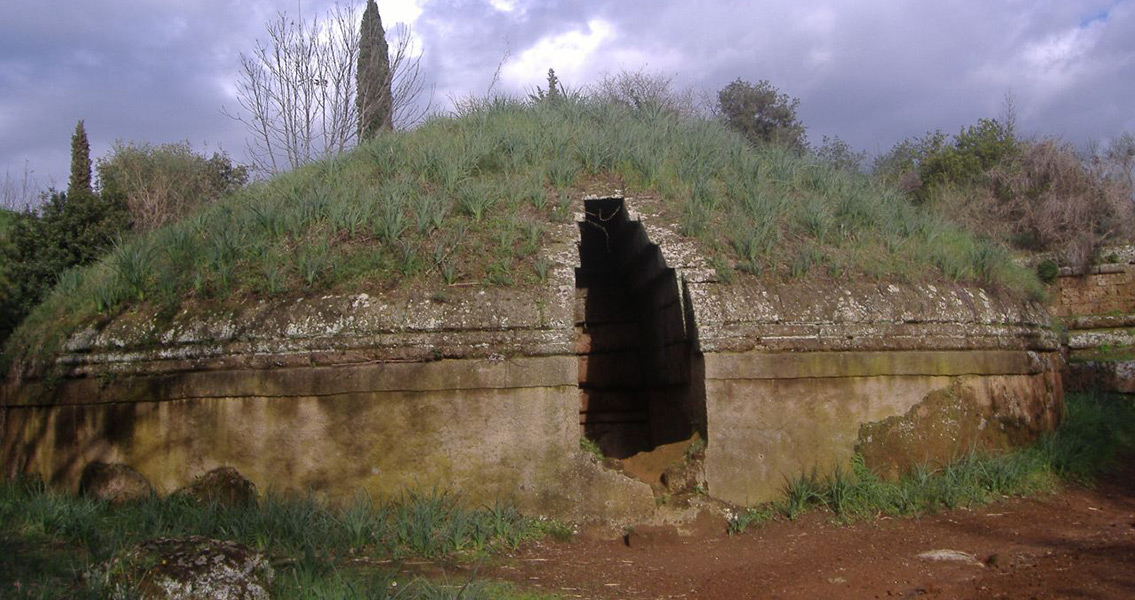
Seeker, researchers say that the mysterious man had died wearing the shackles and had been interred with a shroud around his body. University of Milan archaeology professor Giorgio Baratti, one of the scientists involved in the excavation, added that the remains of what might have been a wooden object were found under the nape of the man’s neck and may have been connected to the collar. There may have been more to the man’s shackles, as an iron ring was found near the remains of his left hand. The object was likely part of a connecting apparatus from the head to the feet, made possible through the use of leather thongs, rope or some other organic material that has not survived the ravages of time. The end result of the device would have been to limit the man’s mobility even further. Professor Baratti suspects the deceased individual had committed some definitive crime in order to be fitted with such a distinctive device. The man may have also been a slave, as Populonia was both a maritime settlement and in close proximity to local iron mines. Between 500 and 300 BCE, the region was a popular Mediterranean destination for the processing of iron ore, much of it coming from the nearby island of Elba. There was little in the grave that could be used to pinpoint its age. However, based on the fact that there was a burial directly above this one that had been definitively dated to the fourth century BCE, Baratti felt comfortable in placing the shackled man’s time of death in the fifth century BCE, with at least a century passing between one burial and the other. The new findings raise some dark questions about the Etruscans, who have been characterized as rather benign in their contributions to early civilizations. Rising to power by around 900 BCE, the Etruscans were the primary power on the Italian peninsula for around half a millennium, only to be absorbed into Roman culture by around 300 BCE. While there is little known for sure about the Etruscans, the research data we do have paints a picture of a carefree people interested in commerce, metalworking, agriculture and art. Credited with pioneering wine-making, road-building, and writing, the Etruscans don’t seem to have been the type of people to bury a still-shackled man. However, Baratti said that there was plenty of cruelty within the Etruscan civilization. He pointed out several instances of what looked like the victims of ritual human sacrifices at other Etruscan archaeological digs throughout Tuscany. ]]>

Categories
Breaking News

Natural Selection Eliminates Neanderthal DNA in Humans

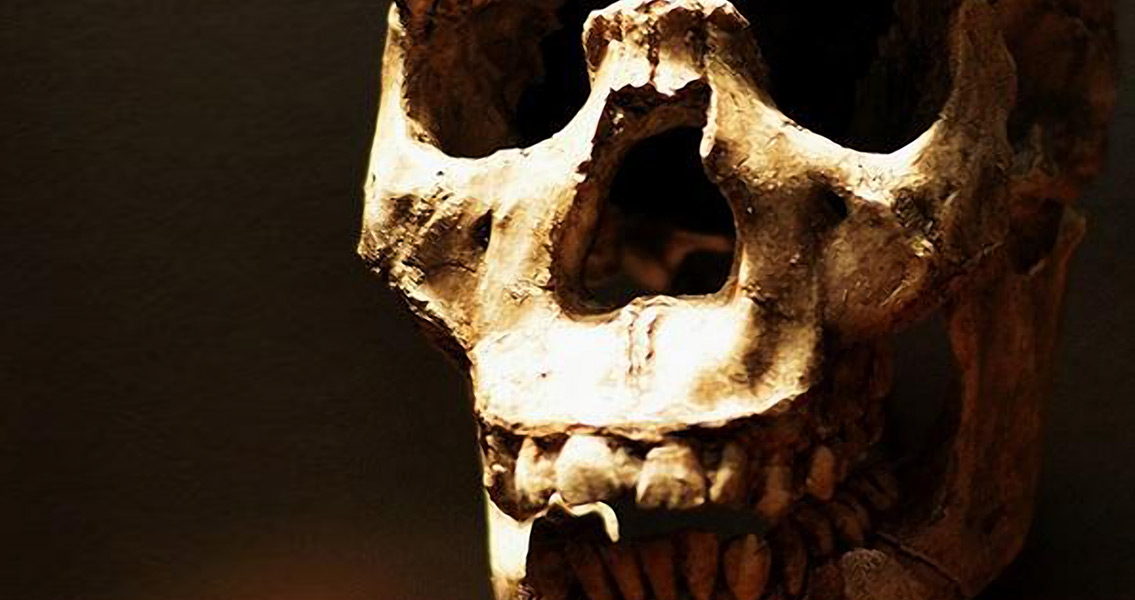
journal PLOS Genetics, can be found at http://journals.plos.org/plosgenetics/article?id=10.1371/journal.pgen.1006340 Image courtesy of Jaysmark, Flickr, CC BY]]>

Categories
Breaking News

Secret Nazi Base Rediscovered Near North Pole

Live Science, senior researcher Evgeny Ermolov said that Schatzgraber was completely free of any snow and ice this year, making it possible to conduct a full exploration of the area. Researchers discovered several Second World War-era artifacts, including pieces of uniforms from the German army and navy, as well as arms and armaments such as hand grenades, land mines, and ammunition for rifles and machine guns. The weather station was active for approximately a year, with around 10 German laborers and meteorologists constructing the site in 1943 as part of an initiative to create an early-warning weather detection network across the Arctic. The artifacts discovered by the team were left behind when the base was evacuated in 1944 via German submarine. More than 600 individual objects have been recovered from the base station building remains, an emergency landing strip for aircraft and a nearby emergency supply depot, Ermolov said. Researchers sent these artifacts to Arkhangelsk’s Arctic National Park Museum for further study. Many of the artifacts were remarkably well-preserved, remarked the researcher, something he attributed to Alexandra Land’s lack of humidity and low microbe population. This allowed many organic components such as cloth, leather and wood, as well as paper documents like astronomical tables and meteorology textbooks, to survive. Additional finds include a copy of Mark Twain’s “Tom Sawyer”, as well as several magazines. Life at the research station was hellish even from the start, according to historical records. The German weather researchers were sustained by canned food, but several supply boats sank after becoming icebound in the bay alongside the weather station, prompting the researchers to hunt polar bears to supplement their diet. However, improper cooking methods left nearly the entire base sick with trichinosis from tainted polar bear meat. The Germans dispatched a plane to the base in July of 1944 bearing medical personnel, only for it to damage a wheel when landing on the emergency airstrip. This prompted a second plane to airdrop replacement parts, which allowed the plane to evacuate those in critical condition. Shortly after the incident, the rest of the base was evacuated by U-boat. In the intervening years, Schatzgraber Base was used briefly after the war by the Russian military, though it sat largely abandoned until the 1980s, when German military experts visited the site to disarm several land mines left behind by Nazi forces to protect the base from an attack that never came. ]]>

Categories
Breaking News

Were Viking Raiding Parties Just Lonely Hearts Clubs?

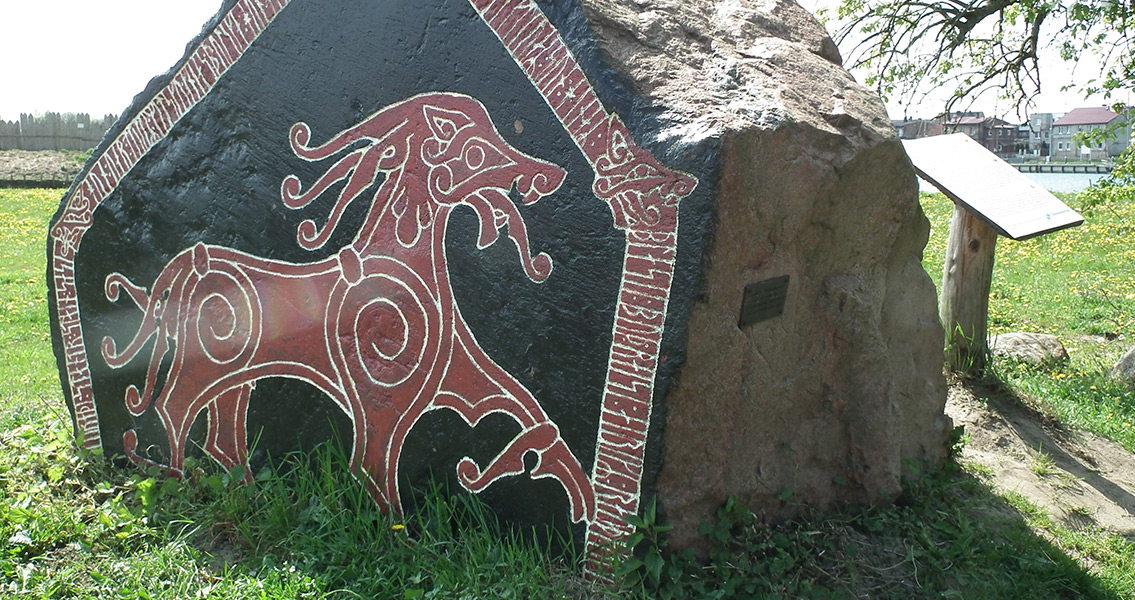
journal Evolution & Human Behavior, can be found online at http://www.ehbonline.org/article/S1090-5138(16)30307-5/abstract]]>

Categories
Breaking News

Habitation of Inland Australia Dates to 49,000 Years Ago

Nature, can be found online here]]>

Categories
Breaking News

Link Between Oil Drilling and California Earthquakes Examined

here Image courtesy of The Aerograph Co./ US Library of Congress]]>

Categories
Breaking News

Archaeology Backs Up Lawrence of Arabia’s WWI Exploits

Categories
Breaking News

New Papyrus Discovery May Not Be Genuine, Experts Warn

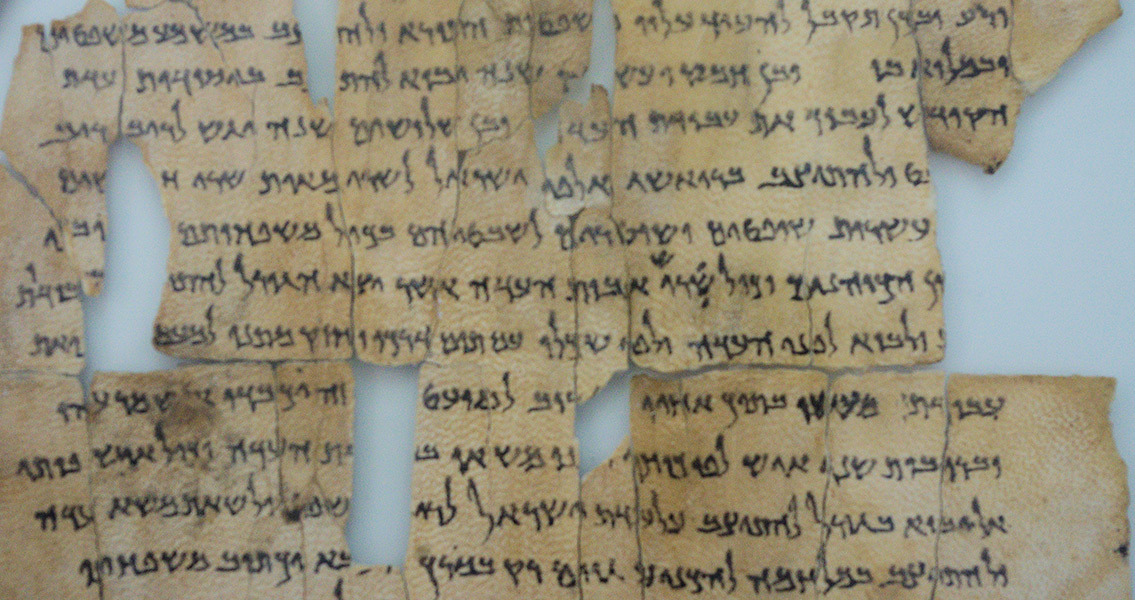
New Historian covered in detail recently – sent shockwaves through the archaeological community, especially in light of a new UNESCO resolution that has been interpreted by some as an attempt to devalue the historical ties of Israel to the city. Many in the Israeli government, up to and including Prime Minister Benjamin Netanyahu, have cited the papyrus discovery as proof that UNESCO’s decision was incorrect, according to Haaretz. However, there are more than a few Israeli researchers who doubt not just the veracity of the papyrus and its text but also the decision to publicize the find, especially as the papyrus was not discovered at a supervised dig site. Initial analysis of the papyrus itself through carbon-14 dating revealed its age to be anywhere from 2,500 to 2,800 years old. The Hebrew text with which the scroll is inscribed is a match for the type of epigraphy used during the seventh century BCE, but Prof. Aren Maeir of Bar-Ilan University, leveling criticism at the IAA , said that while the papyrus may indeed be from that date, there are no indications that the script on the scroll isn’t a clever forgery. There are several well-known cases of antiquities thieves and forgers engaging in similar activity in the past, Prof. Maeir remarked. These forgers would purposely “sacrifice” a legitimate artifact in such a way to whet the appetite of collectors, thus setting up unsuspecting, credulous buyers for any more scrolls they “find” in the future. Additional tests are needed to verify the document, the professor stressed. George Washington University’s Prof. Christopher Rollston agreed with Prof. Maeir, claiming on his blog that there are no indications that the inscriptions on the piece of papyrus are as old as the medium they’ve been placed upon, even when the papyrus, as in this case, has been dated to a specific time. With the abundance of ancient papyrus available to the public – Prof. Rollston claims that nearly anyone can find and order some over the internet – he remains unconvinced of the legitimacy of the inscription. Despite this, the IAA continues to refer to the papyrus as a legitimate find, as it claims to have subjected the new scroll to the same rigorous study that the Dead Sea Scrolls were upon their discovery. However, skepticism still abounds, perhaps most likely due to the seemingly coincidental publication of the find so soon after the UNESCO resolution that sought to downplay and perhaps even sever Judaism’s connection to the Temple Mount, a location of high religious significance to all the Abrahamic faiths. ]]>