

here.]]>

http://journals.plos.org/plosone/article?id=10.1371/journal.pone.0148583]]>




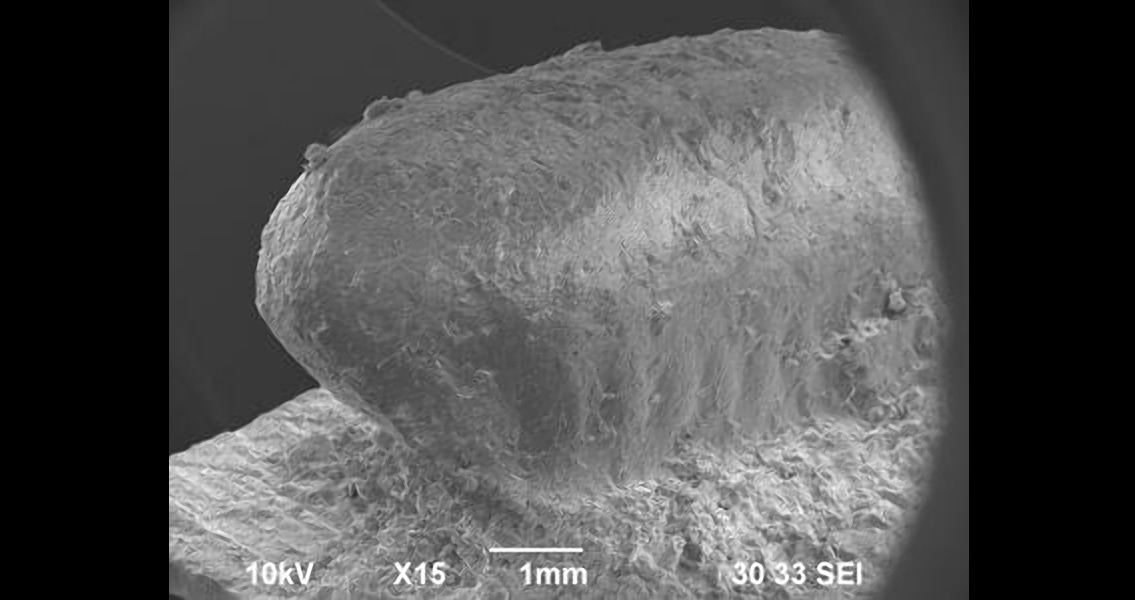
P. fulginosa is depicted in Japanese artwork and literature from the Edo Period of the eighteenth century. Previously, the cockroach species was considered a domestic one from the Edo Period forward based on Japanese cultural evidence, but with these potsherds dating back to at least 4,000 years in the past, it now seems certain that P. fulginosa has been present in Japan for much longer than originally thought. This isn’t the first time Obata and his team has made an insect-based discovery by examining the impressions left behind on ancient Japanese pottery. In a similar study conducted in the same region as this latest one, the archaeologist discovered nearly 175 impressions left behind by the maize weevil, a pest that fed on chestnuts, acorns, or other stored food materials high in starch. Between the maize weevil discovery and this most recent one, Obata says that the humans in the region were likely living relatively settled lives that required them to stockpile food in the longer term. Image courtesy of Prof. Hiroki Obata]]>
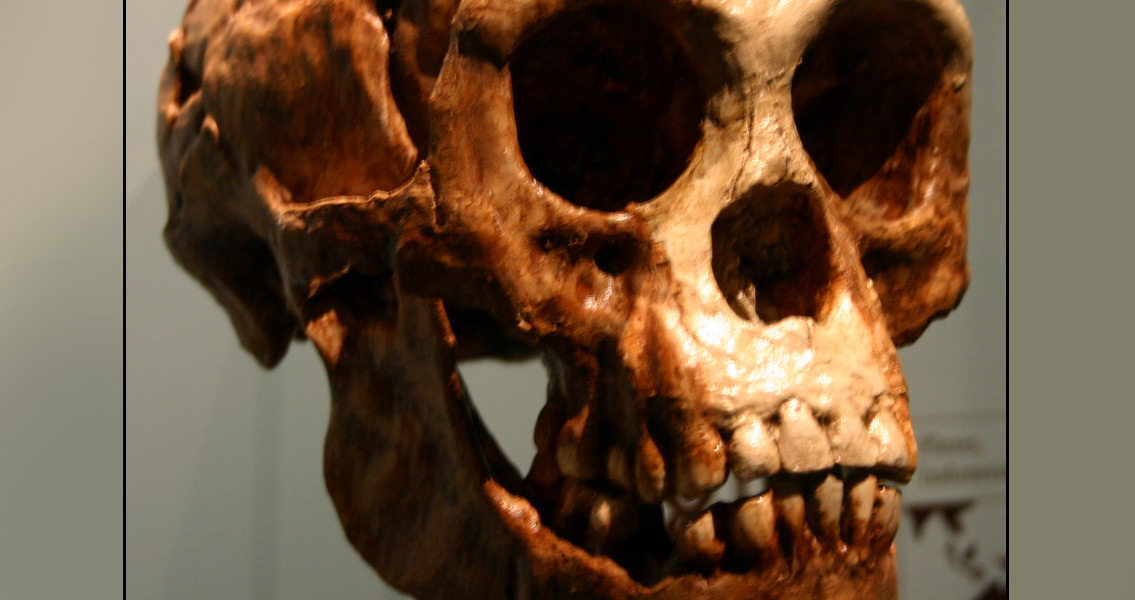
H.habilis (its earliest species). The study’s coauthors, Antoine Balzeau with the Muséum National d’Histoire Naturelle, and Philippe Charlier from UVSQ/Paris-Descartes University, performed the medical study of LB1 which is considered the holotype discovery of H.floresiensis, by performing a micro-CT examination of the thickness of the cranial vault and the skull’s cranial structure. They discovered the skull did not, in fact, bear the traits which are common in modern humans, instead it carried traits much more characteristic of ancient hominins like Homo erectus, an extinct human species considered the first species of human to have moved out of Africa. Popularly referred to as “hobbit” because of its characteristic feet and diminutive build, H.floresiensis was thought by many experts to be an extinct species of human. Their skeletal remains were discovered on Flores Island in Indonesia by a joint Indonesian – Australian team of archaeologists who were searching for evidence related to the origins of human migration to Australia from Asia. The remains were indicative of an individual which would have stood around 3.5 feet (1.1 m) high and had a small brain, similar to ancient hominins. The find included one complete skull (the above mentioned LB1) and the incomplete skeletons of nine individuals. This hominin is considered remarkable for not only its small brain and body but also for its relatively recent survival – possibly just 12,000 years ago. Alongside the skeletons researchers found stone tools ranging from between 94,000 and 13,000 years old. Several scientists have suggested, after examining the “hobbit”, that the remains represented a modern human group suffering from disease and microcephaly which resulted in the physical characteristics that are featured in the fossils. However, other studies haven’t supported the hypothesis, and this latest study puts forth additional findings that support the suggestion the fossils do not exhibit pathological features comparable to extinct human species. Some scholars have suggested the ancient H.floresiensis could be connected to the Ebu Gogo myths which were prevalent on Flores Island. The Ebu Gogo, according to island folklore, were human-like creatures that resided in Flores, Indonesia. In the language of the central Flores Nage people, Ebu translates to “grandmother” while gogo means “he who eats anything.” An equivalent colloquial English could be similar to “Granny Glutton.” The Nage describe the Ebu Gogo as fast runners and able walkers who were about 1.5 m tall. Reportedly, they had flat and wide noses, large mouths, broad faces and hairy bodies. The females were described as having “long, pendulous breasts.” They were also said to have murmured in their own language, and were able to repeat what was said to them in a parrot-like manner. Image courtesy of Wikimedia Commons user: Ryan Somma]]>