Categories
Breaking News

Faeces Eating Fungus Shows Humans Sent Megafauna Extinct

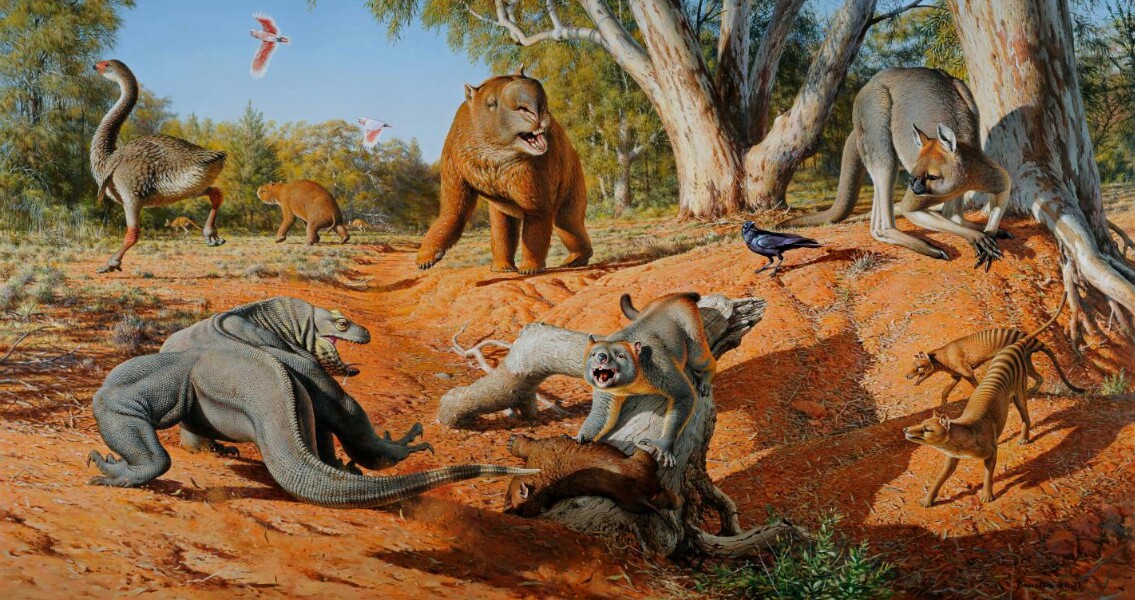
Nature Communications places the blame firmly on humans. Typically, explanations for the extinction of Australian megafauna have focused on either climate change or hunting by humans. The new study, led by scientists from Monash University in Victoria, Australia and the University of Colorado Boulder, has used the ancient faeces left behind by the megafauna to reach its conclusion. The team used a sediment core drilled from the Indian Ocean off the southwest coast of Australia to reconstruct past climate and ecosystems on the continent. The sediment core contains chronological layers of material blown into the ocean including ash, dust, pollen and spores from a fungus known as Sporormiella which thrived on the dung of plant eating mammals. Analysis of the sediment revealed that spores from Sporormiella were in abundance from 150,000 years ago, until plummeting around 45,000 years ago. “The abundance of these spores is good evidence for a lot of large mammals on the southwestern Australian landscape up until about 45,000 years ago,” said Professor Gifford Miller from CU Bolder’s Department of Geological Sciences, one of the study’s authors. “Then, in a window of time lasting just a few thousand years, the megafauna population collapsed.” According to Miller, the study results suggest that shortly after the arrival of humans 85 percent of Australia’s megafauna weighing over 100 pounds went extinct. Tellingly, the sediment core analysis also revealed that Australia’s southwest had dense forests 45,000 years ago, much like it does today. A hotbed of biodiversity, these forests make it unlikely that ecosystem change was behind the extinction of the megafauna. “It’s a region with some of the earliest evidence of humans on the continent, and where we would expect a lot of animals to have lived,” Miller explained. “Because of the density of trees and shrubs, it could have been one of their last holdouts some 45,000 years ago. There is no evidence of significant climate change during the time of the megafauna extinction.” Miller suggests that “imperceptible overkill” could have caused the extinction. A study published in 2006 claimed that even a small amount of megafauna hunting, at a rate as low as one juvenile mammal being killed per person per decade, could well have led to a species going extinct within a few hundred years. “The results of this study are of significant interest across the archaeological and Earth science communities and to the general public who remain fascinated by the menagerie of now extinct giant animals that roamed the planet – and the cause of their extinction – as our own species began its persistent colonization of Earth,” said study leader Sander van der Kaars of Monash University. The issue of the cause behind Australian megafauna extinction is likely to remain controversial, however. Just last week a study was published arguing that humans and certain megafauna coexisted for a least 17,000 years in Australia, highlighting just how complicated the extinction process might have been. Image courtesy of Peter Trusler, Monash University]]>
Categories
Breaking News

New Carbon Dating May Tie Early Humans to Hobbits' Extinction

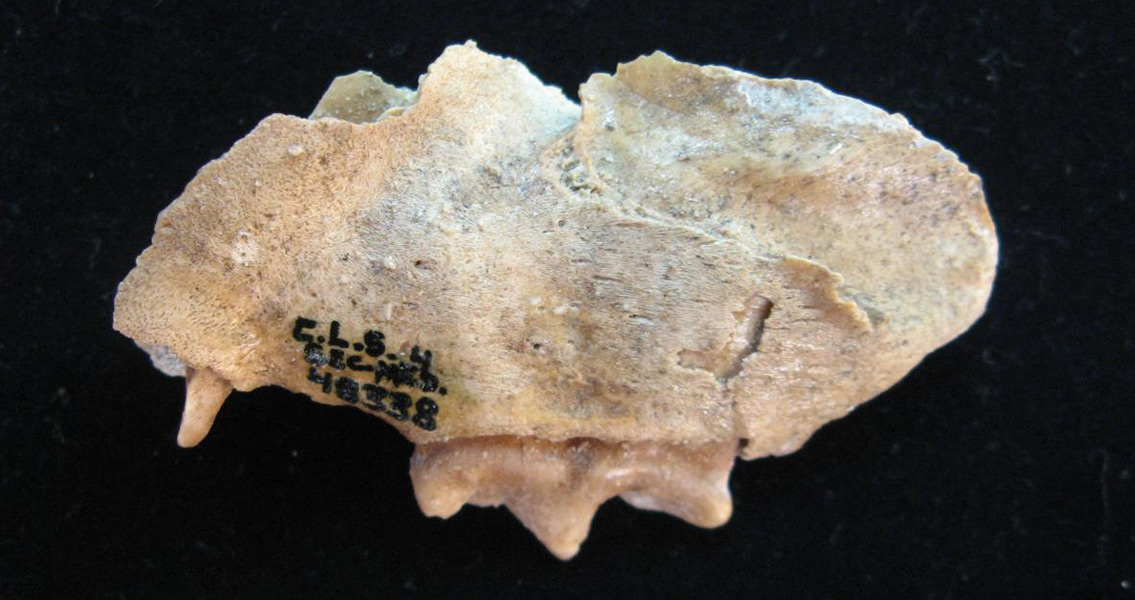
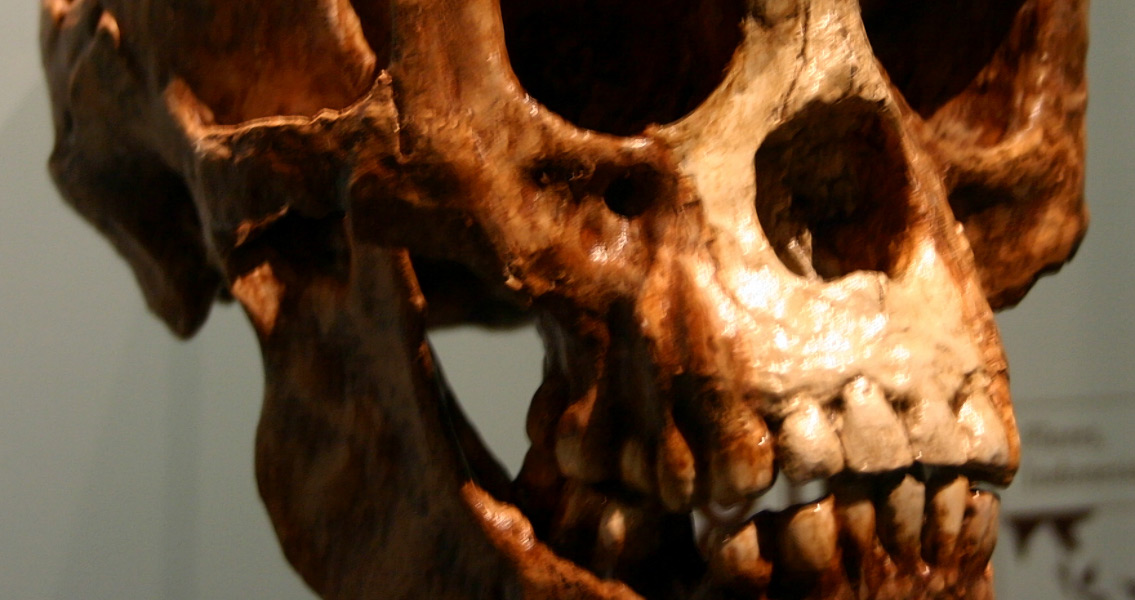
Homo floresiensis – the “hobbit” species – was discovered, have been carbon dated to approximately 46,000 years ago. Because the upper premolar and lower molar are somewhat younger than any of the known hobbit remains, this new information seems to support the theory that humans were involved in the demise of H. floresiensis. Discovered at Liang Bua in 2003, the remains of H. floresiensis, widely believed to be in the genus Homo, suggest they would have been around 3.5 feet (1.1 m) tall. Nine partial skeletons from nine individuals, including a single complete skull, have been discovered. Recent re-dating efforts in the cave moved the hobbits’ extinction back to approximately 50,000 years ago, when early humans were known to already be living in South-East Asia, according to the study co-authored by geochronologist Richard Roberts and archeologist Thomas Sutikna, both with the University of Wollongong, Australia. “It’s a smoking gun for modern human interaction, but we haven’t yet found the bullet,” Roberts told Nature, which published the research. Although the team is confident the teeth are from H. sapiens, partly because they’re larger than those of H. floresiensis; a paleoanthropologist from University College London, María Martinón-Torres, believes that the premolar appears slightly more primitive. To conclusively prove the teeth are human, she believes they should be compared to a wide range of H. sapiens and H. erectus remains. There is other evidence which puts humans on Flores Island immediately after H. floresiensis disappeared, supporting the possibility that humans contributed to the hobbits’ extinction by out-competing them for limited resources on the island. Animals which may have been a food source for early human hunter–gatherers, including giant storks (Leptoptilos robustus), miniature elephants; known as stegodons (Stegodon florensis insularis), and vultures (Trigonoceps), all vanish from the sediment layers in the cave after approximately 46,000 years ago. During this same time period, freshwater mollusk shells start to show up. These shellfish are commonly found at other early human sites across Africa and Eurasia. Stone tools constructed using chert, a material which is also regularly seen at other early human sites, and evidence of fire hearths are further examples of findings more recent than the Liang Bua hobbit remains. “What we don’t yet know is whether there was at least a short overlap in the populations, thus raising the question once again of the possible role of modern humans in the extinction of floresiensis”, paleoanthropologist Chris Stringer with the Natural History Museum in London told Nature, adding that if humans and hobbits had overlapped, interbreeding is also a possibility. Meanwhile, the research team intends to return to Liang Bua in order to explore cave deposits from 46,000 to 50,000 years old. The discovery of the teeth was revealed at the European Society for the study of Human Evolution in Madrid’s annual meeting. ]]>

Categories
Breaking News

Clues to The Great Dying Event Found in the Arctic

Science Daily. Knies is a co-author of a new study that looked to the Arctic for clues as to exactly what slowed the return of life to the world´s oceans. The results of the study illustrate the potential long-term impacts to marine ecosystems of global warming. “What used to be the northwestern continental margin of the supercontinent Pangaea is now Canadian High Arctic. There we found evidence in geological records for a significant nutrient gap during this period. This means that global oceans were severely poor in nutrients such as nitrogen,” Knies says in Science Daily, adding, “The high temperatures caused deepening of the thermocline and nutricline in the ocean so that upwelling of nutrients from the bottom to the surface of ocean ceased. With that the marine algae productivity was stalled.” This nutrient gap was likely caused by the extremely high temperatures of the ocean surface following the extinction event. The planet’s oceans are not just a single layer of water. They consist of boundaries and layers defined by nutrients (nutricline) and temperature (thermocline) among other things. With no algae present, which are at the bottom of the food chain, life in the ocean couldn’t thrive. When the oceans finally began cooling between 6 and 7 million years after the event, the nutrient rich waters returned. “The boundaries that kept the nutrients from reaching the surface were weakened and the ocean waters were mixed. This caused the upwelling of nutrients, resuscitating the oceans, and leading to an explosion of life. The ecosystem voids created by the worst mass extinction in Earth history were finally filled.” Knies explains in Science Daily. The Permian-Triassic mass extinction altered the evolution of both marine and terrestrial life, and made it possible for dinosaurs to evolve. They were left to die off in yet another mass extinction event 66 million years ago. Today there are scientists that contend we’re now facing a new period of mass extinction, caused by human activities for the most part. ]]>

Categories
Breaking News

Neanderthals' Extinction May Rest on Not Having a Coat

Journal of Anthropological Archaeology, the quartet describe how they determined the possible reason Neanderthals perished during the Ice Age while early humans survived, by looking at what’s been found at each groups’ campsites. It’s not what the researchers found by analyzing the data related to Neanderthal campsites that is so significant, but what they didn’t: any evidence the Neanderthals used animal fur to stay sufficiently warm. When the campsites of modern humans and Neanderthals were compared, the researchers discovered the one glaring difference at the Neanderthal sites was the absence of animal remains of the type that would have been used to make the parka style clothing needed in a cold climate. By comparison, numerous examples of fox, mink, rabbit and wolverine remains were identified at 56 locations of early human campfires, many of which might have been skinned for use in crafting fur coats or parkas. The discovery of wolverine remains in particular was of note because it’s the animal which people living in the Arctic often use to keep warm, as it works extremely well as a fringe and lining on the hood. The Neanderthal extinction happened suddenly, at around the same time modern humans started to expand into Eurasia. Since the discovery of the first Neanderthal remains, both their place within the human family tree and their relationship to modern humans has been a hot topic of debate. They’ve been classified, at different times, as both a separate species known as Homo neanderthalensis, and as a subspecies named Homo sapiens neanderthalensis. Following an analysis of 40 individual Neanderthal sites in western Europe, researchers concluded in 2014 that the Neanderthals became extinct around 40,000 years ago. Although much earlier than previous estimates, this date was established using improved methods of radio carbon dating (Neanderthals could have survived longer in Siberia and eastern Europe). Theories on the Neanderthals’ extinction include: an inability or failure to adapt to the changing climate, or competitive exclusion as a result of the encroachment of modern humans. It’s also possible their extinction was hastened by violent conflicts with early humans. Warfare and conflict were pervasive features within hunter-gatherer social groups. Additional evidence of early humans creating warm clothes has also been found, for example, bone needles and other types of tools used to scrape animal pelts. Also, a number of figurines discovered in Siberia, which have been dated back to around 24,000 years ago, were found wearing parka-like animal fur coats. No evidence of Neanderthals wearing or crafting cold weather clothing has ever been discovered. Why the Neanderthals didn’t have clothes warm enough to survive the colder climate remains a mystery, the researchers suggest in their paper that they might have lacked the know-how, or perhaps their cultural traditions somehow prevented it. ]]>

Categories
Breaking News

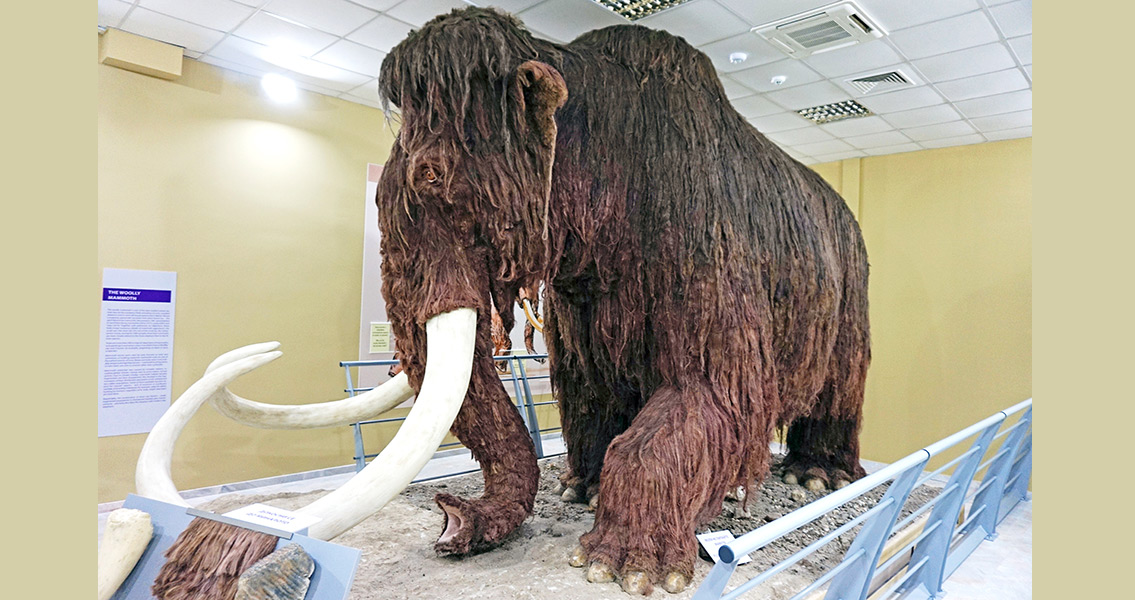
Scientists Get Amazingly Accurate Date for Mammoth Extinction

Proceedings of the National Academy of Sciences. Exactly what caused the extinction of woolly mammoths and other prehistoric megafauna is a major point of contention among scientists. Theories tend to focus on climate change, the actions of humans (for example hunting), or a combination of both. The researchers used environmental proxies to study how the habitat on St. Paul Island was changing at the time of the mammoths’ extinction. They found that the fate of mammoths on the island was different to those on the world’s continents, where mammoths went extinct around 12,000 years ago. Formed between 14,700 and 13,500 years ago, the island sank rapidly until 9,000 years ago, and continued to sink slowly until 6,000 years ago (at present it is just 42 square miles in area). As the island shrank the mammoths were concentrated into an ever decreasing area, and the available water started to run out. Pollen from the lake cores show that the area around the lake was denuded of vegetation by the mammoths. Much like modern elephants, the mammoths likely started to dig holes in search of water, increasing erosion and filling the lake with soil, in turn leaving even less water for drinking. Once the mammoths had gone extinct however, vegetation returned to the area and the erosion came to an end. Put simply, the mammoths had contributed to their own demise. Interestingly, the authors point out that this raises a fresh take on what can push a population to extinction. “(the research) highlights freshwater limitation as an overlooked extinction driver and underscores the vulnerability of small island populations to environmental change, even in the absence of human influence”. Image courtesy of Wikimedia Commons user: Tiia Monto]]>

Categories
Breaking News

Neanderthals in Germany Went Extinct Right After Population Peak

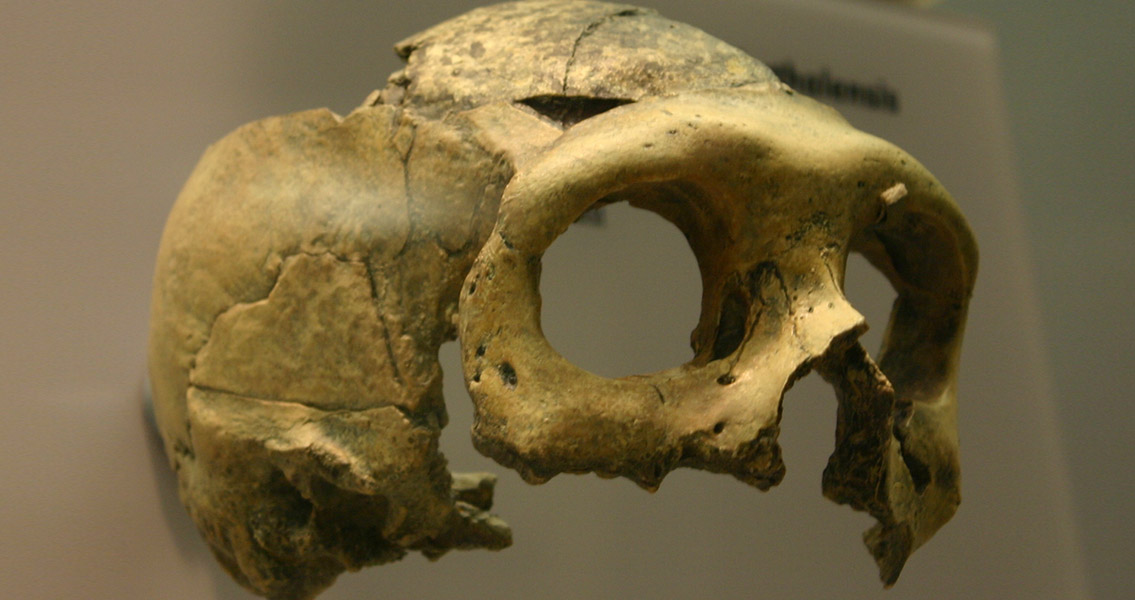
Homo neanderthalensis was the dominant human species in Europe, populating the whole of the continent. Although archaeologists have discovered numerous settlements in Germany, they have also uncovered evidence which shows that Neanderthal populations there came to an unexplained, sudden end. Based on the analysis of several archaeological sites, Jürgen Richter (Collaborative Research Center 806 — Our Way to Europe), has concluded that shortly after Neanderthals reached their peak population in Germany, their numbers rapidly declined, leading to their extinction. Neanderthals lived during the Middle Paleolithic, the time between 200,000 and 40,000 years ago. Richter’s research suggests that over 50 percent of the identified Neanderthal settlements in Germany specifically date back to between 60,000 and 43,000 years ago. Therefore, the peak Neanderthal population lies within this period. Neanderthals were an ancient human species, part of the genus Homo, that became extinct approximately 40,000 years ago. With 99.5% of the same DNA, they’re closely related to modern humans. Bone and stone tools left by Neanderthals have been found throughout Eurasia, in western to central Europe, and northern and western Asia. Their species is generally classified as Homo neanderthalensis, believed to have separated from Homo sapiens around 600,000 years ago. Some experts however, believe Neanderthals were a subspecies of Homo sapiens and therefore should be classified as Homo sapiens neanderthalensis. The number of Neanderthal sites, as well as the analysis of artifacts discovered in them, indicate the Neanderthal population in Germany were subjected to extreme demographic changes. For example, during the Middle Paleolithic there seem to have been numerous migrations, increases and declines in population, even extinctions in certain locations followed by a return of settlers. During the time period between 110,000 and 70,000 years ago there were only four identified Neanderthal settlement sites in Germany, however, during the following period between 70,000 and 43,000 years ago there were ninety-four. Less than 1,000 years later, after this peak in population, there was a rapid decrease and the Neanderthals disappeared. Why the species went extinct is still unknown. It may have been the result of decreased genetic diversity; another possibility is competition for resources with the growing number of Homo sapiens. Around 55,000 years ago, the climate began to fluctuate back and forth from extremely cold to milder cold conditions in the span of a few decades. Neanderthals had bodies that were well suited for surviving in cold climates, with stocky limbs and barrel chests that stored body heat much better than Cro-Magnons (the first early modern humans). However, these rapid climate fluctuations also caused ecological changes that the Neanderthals could not easily adapt to; familiar animals and plants would have been replaced by completely new ones within the space of a lifetime, and the Neanderthals’ ambush hunting technique wouldn’t have worked as trees replaced the grasslands. Neanderthals eventually went extinct in Europe between 41,000 and 39,000 years ago, coinciding with a period of extreme cold. This article has been published in the Quaternary International Journal. Image courtesy of Wikimedia Commons user Claire H. ]]>

Categories
Breaking News

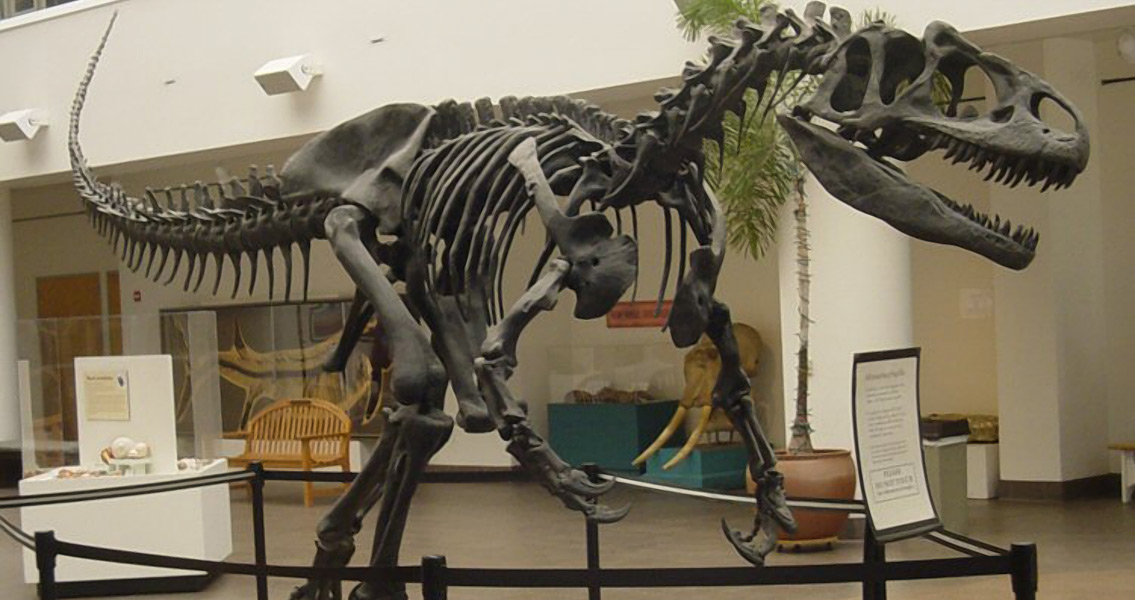
Dinosaur Extinction Tied to Prehistoric Oil Spill

Scientific Reports. ]]>

Categories
Breaking News

With the Dinosaurs Gone the Speed of Human Evolution Tripled

Phys Org as saying, “Our findings refute those of other studies which overlooked the fossils of placental mammals present around the last mass extinction. Using rigorous methods, we’ve successfully tracked the evolution of early placental mammals and reconstructed how it changed over time. While the rate differed between species, we see a clear and massive spike in the rates of evolution straight after the dinosaurs become extinct, suggesting our ancestors greatly benefitted from the demise of the dinosaurs. The huge impact of the dinosaur extinction on the evolution of our ancestors really shows how important this event was in shaping the modern world.” The study was funded by the Natural Environment Research Council and published in Proceedings of the Royal Society. ]]>

Categories
Breaking News

Climate Change and Humans Killed Ice Age Megafauna

Science Advances has used DNA evidence to argue that the Ice Age megafauna were in fact the victims of a ‘perfect storm’ of both. The study, led by the Australian Centre for Ancient DNA (ACAD) at the University of Adelaide, argues that it was only as the climate started to warm, around 12,300 years ago and long after the first humans had arrived in the region, that the megafauna in Patagonia started to die out. Researchers from University of Colorado Boulder, University of New South Wales and University of Magallanes in Patagonia, were involved in the study. For a thousand years humans lived in Patagonia alongside the megafauna. Seemingly, while the region stayed cold, the populations of megafauna remained constant. When the climate started to warm however, the impact was startlingly quick. “Patagonia turns out to be the Rosetta Stone – it shows that human colonisation didn’t immediately result in extinctions, but only as long as it stayed cold,” said study leader Professor Alan Cooper, ACAD Director, in a press release. “Instead, more than 1000 years of human occupation passed before a rapid warming event occurred, and then the megafauna were extinct within a hundred years.” DNA analysis was at the heart of the study. Researchers traced the genetic history of megafauna populations by studying DNA extracted from radio carbon dated teeth and bones excavated from caves in Patagonia and Tierra del Fuego. The pattern of human colonisation of the Americas was rapid, and coincided with contrasting temperature trends on each continent. Using the genetic histories of populations of sabre-toothed cats, giant jaguars, the South American horse and the short faced bear, the team managed to distinguish the impacts of humans and climate change on the mega fauna populations. “The America’s are unique in that humans moved through two continents, from Alaska to Patagonia, in just 1500 years,” said Professor Chris Turney from the University of New South Wales. “As they did so, they passed through distinctly different climate states – warm in the north, and cold in the south. As a result, we can contrast human impacts under the different climatic conditions.” Not all large species in Patagonia went extinct, the guanaco and vicuna – ancestors of modern day llamas and alpacas, survived, although their numbers reduced drastically in the period. “The ancient genetic data show that only the late arrival in Patagonia of a population of guanacos from the north saved the species, all other populations became extinct,” said Dr. Jessica Metcalf from the University of Colorado Boulder, the lead author of the study. The sites used in the study have long provided insights into the demise of Ice Age megafauna. “In 1936 Fell’s cave, a small rock shelter in Patagonia, was the first site in the world to show that humans had hunted Ice Age megafauna. So it seems appropriate that we’re now using the bones from the area to reveal the key role of climate warming, and humans, in the megafaunal extinctions,” said Dr. Fabian Martin, from the University of Magallanes. ]]>

Categories
Breaking News

Did Climate Change Contribute to Demise of Neanderthals?

here]]>