
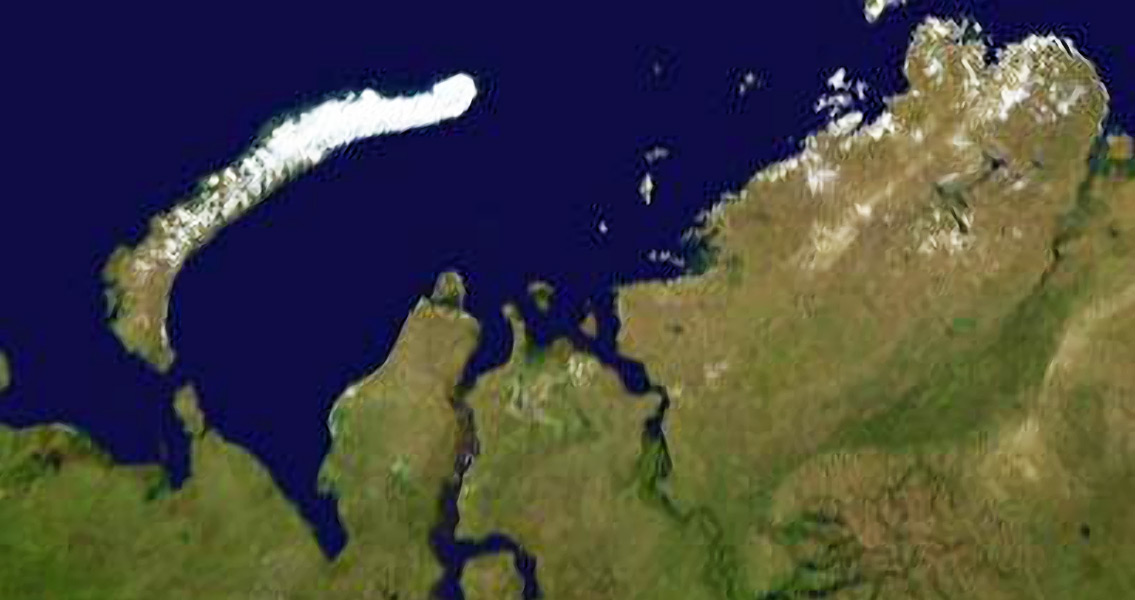
Siberian Times: “From the 6th and 7th centuries AD Central Asian merchants began to appear in the Upper Kama region. They exported walrus tusks, hunting birds and fur from the north. Through the Kama region they had penetrated to the Ob region in 7th and 8th centuries.” The Persian items that traders brought north with them often took on ritual meanings for the indigenous Khanty and Mansi peoples who lived in the area. They were seen as gifts to gods and spirits, stored in holy places and often used as serving dishes to carry ceremonial food given to the gods at festivals. Since the second millennium BCE, the regions between the Kama and the Irtysh rivers have been home to the indigenous Khanty and Mansi peoples. A number of researchers believe the Khanty’s ancestors were the prehistoric Andronovo culture, which are known for their ancient metalworking skills. Other researchers claim that the Khanty originated in the Ural steppe and then moved north to their present location around 500 CE. Traditionally, Khanty religion was closely connected to nature. The Crow Spring celebration is celebrated in April, while the Bear Celebration follows each successful bear hunt. The Bear Celebration can last 5 or 6 days (depending on the sex of the bear), and includes over 300 songs and presentations. With the arrival of Soviet power and the establishment of collective farming came the persecution of Khanty shamans along with the destruction of their burial grounds. Khanty children were even forcibly removed and sent to boarding schools. After an outburst of resistance, known today as the Kazym rebellion, the Khanty were brutally suppressed by the Soviet army; Khanty villages were burned along with anything else connected with their culture. Following that event, anyone who participated in the traditional bear funeral rites faced ten years in prison. In a census taken in 2010, only 30,943 people identified themselves as Khanty. The intention of the research expedition that brought the scientists to the Arctic to begin with was a project to monitor and compare the depth of the permafrost over a 30 kilometer area near Lake Parisento, on Gydan Peninsula. The scientists installed the monitoring equipment and then compared the recorded data with information that was obtained from the same location 25 years previously. Image of the artifacts can be seen here ]]>
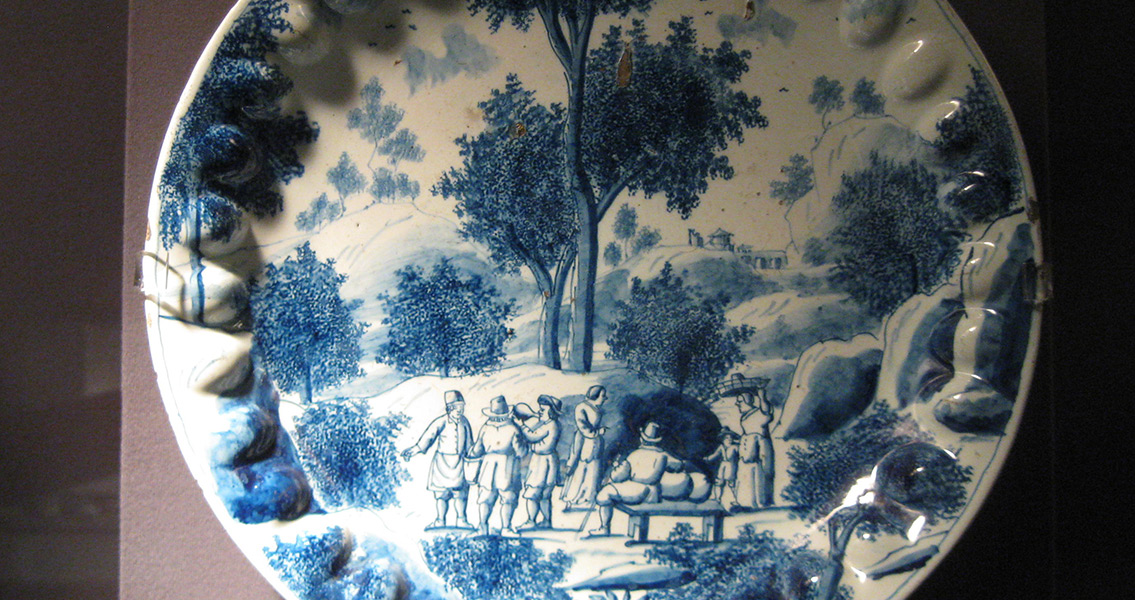
Huffington Post as coming from a tavern which occupied the location on Chestnut Street, including red earthenware which was made from known local potters. Another particularly impressive piece that the team found and reassembled is a delftware punch bowl, believed to be English. Delftware (also known as Delft pottery or Delft Blue) is white and blue pottery that was made in and around the town of Delft, in the Netherlands, during the sixteenth century. The bowl is embellished with a picture of the Tryphena, a brigantine ship that carried the colonists’ petition contesting the Stamp Act to Liverpool from Philadelphia in 1765. Philadelphia, Pennsylvania, was the location of the First and Second Continental Congress, a meeting of delegates from all thirteen colonies. Soon after the Second Convention, which began meeting in 1775, it was declared that the American Revolutionary War had started. The Second Congress oversaw the colonial war efforts, and moved slowly towards independence from England by adopting the U.S. Declaration of Independence on the 4th of July, 1776. By directing strategy, raising armies, appointing diplomats and writing formal treaties, like the Olive Branch Petition, the Congress performed as a de facto national governmental body of what in the future would become the United States. The recovered items are an eclectic mix; a large assortment of seashells linked to a local button shop, 1,400 fruit pits (mostly cherries) in one vault suggesting a nearby baking operation (no pie pans though), 750 individual pieces of printers’ type associated with the city’s budding press industry, two whole raccoons, 66 birds, wig curlers, and a curiously large amount of alcoholic bottles, along with an abundance of items from private residences, and of course the usual collection of garbage. Some pieces from the collection are expected to be on display inside the Museum of the American Revolution when it opens in 2017. ]]>

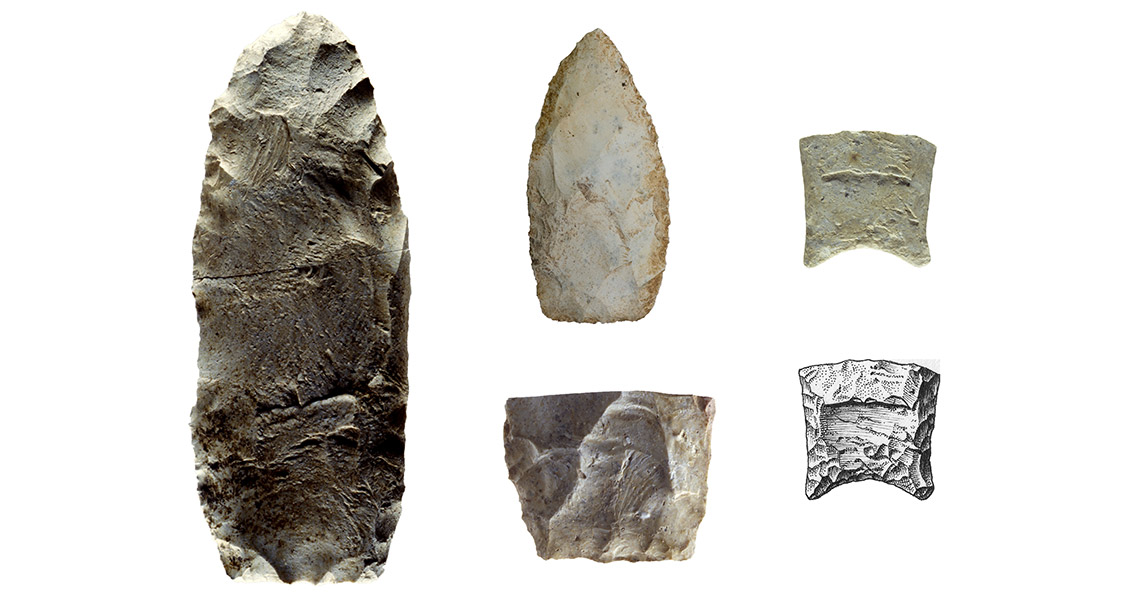
The Post and Courier in Charleston, adding, “I have no doubt that this will be a hotly debated topic for some time, as paradigm shifts often take a while to gain acceptance, but the evidence appears to be solid.” It all started with a chert chopper (also known as the Topper Chopper) – a piece of rock with the face of a blade hammered out of it, that was discovered in the early 1990s by Al Goodyear, who has since retired from the S.C. Institute of Archaeology and Anthropology at the University of South Carolina. The pieces were relatively small, as were the blades cut into them, suggesting they may have been used to carve ornaments from ivory, bone, and antler. They were dug up from soil sediments deeper than the Clovis tools which date humans in North America back to between 12,000 and 13,000 years ago. Critics argue whether or not the stone tools were actually pre-Clovis and whether or not the stone pieces had actually been hammered by humans or split apart by nature. Recent analysis of Goodyear’s artifacts has ascertained they could not have occurred naturally. The dispute is still ongoing in certain quarters, and now the team has gone even deeper and found even earlier evidence of humans. Since the 1930s, it’s been widely accepted that the first humans to inhabit North America were the Clovis people, who appeared around 13,500 years ago. Artifacts from the Clovis culture are found across most of the United States and as far as Panama to the south. This theory has seen challenges in recent decades following the discovery and dating of pre-Clovis sites in Texas (Buttermilk Creek) and Virginia (Cactus Hill). The research team is currently organizing the findings to be published for peer-review. Image courtesy of the University of South Carolina]]>
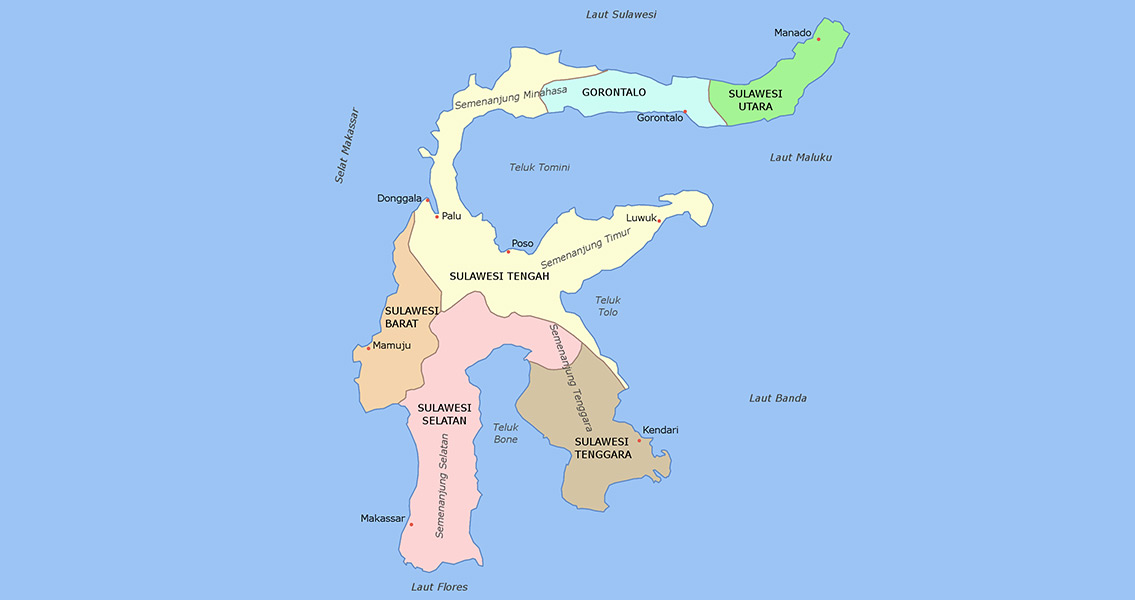
Homo floresiensis from Flores, which is just south of Sulawesi. Similar to the island of Flores where the Homo floresiensis (sometimes called ‘Hobbit’) fossils were first found over a decade ago, Sulawesi may have been a natural lab for human evolution in an isolated condition. Initially, the age of the artifacts was unknown and the early attempts to date them failed to give researchers a definitive answer. At the CAS, colleagues of Dr van den Bergh used the latest technique of luminescence dating for feldspars minerals. Feldspar is a group of minerals distinguishable by the silica and alumina present in their chemistry, the most abundant group of minerals on the planet. Known as multiple elevated temperature post-infrared stimulated luminescence (MET-pIRIR) the technique analyzed the sediment layer the artifacts were discovered in. The research is part of a collaboration between the late professor Mike Morwood who led the team responsible for the ‘Hobbit’ find on Flores, and the Geological Agency of Indonesia. Dr van den Bergh was part of Professor Morwood’s research team at the time of H.floresiensis‘ discovery. The research is being supported by ARC grants and funds from the Geological Agency of Indonesia. Image courtesy of Wikimedia Commons user: Olaf Studt ]]>
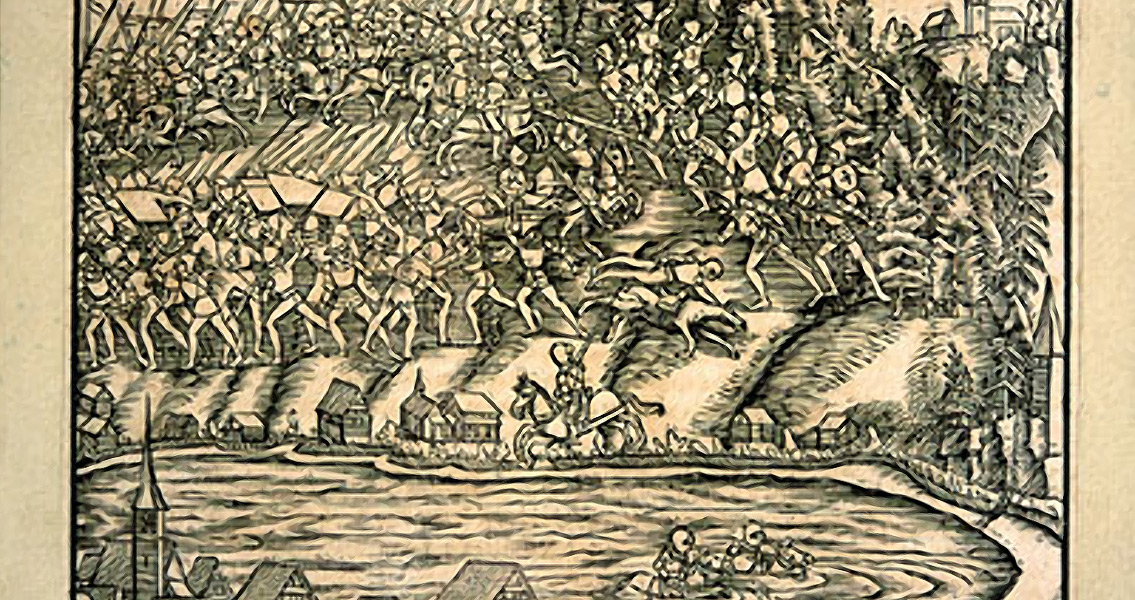
Patrouille Suisse, will celebrate the victory of the early Swiss Confederacy over the Austrian forces. Additional celebrations and commemorative events will continue up to the exact date of the anniversary in November. ]]>