Categories
Al Qaeda Founded in Peshawar

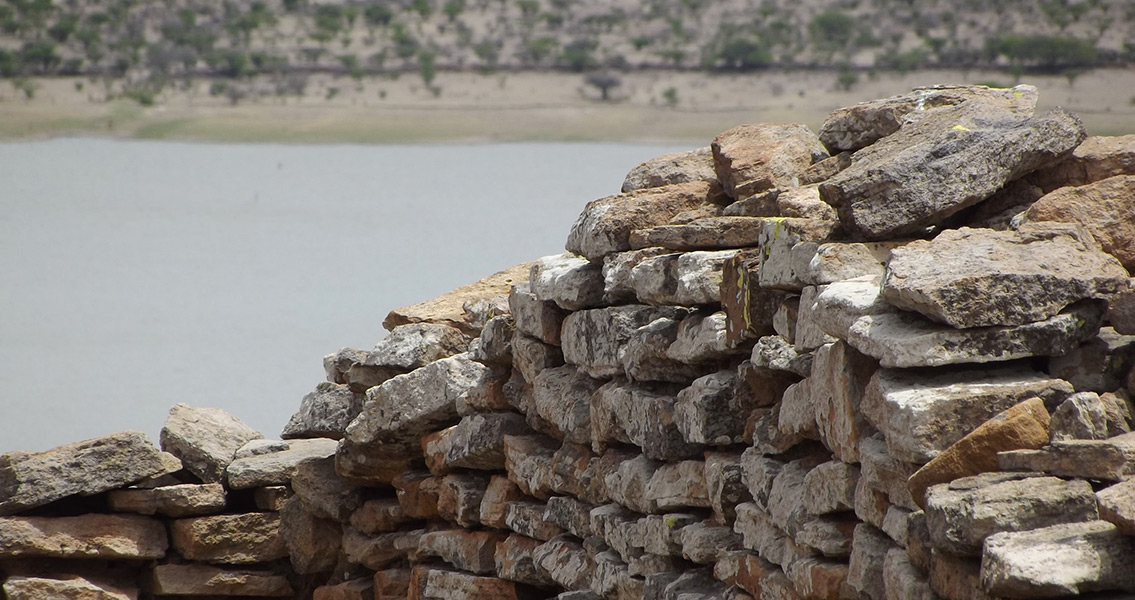
Proceedings of the National Academy of Sciences, looked at human remains in north west Mexico to develop an understanding of interethnic violence and attitudes towards the dead during the Epiclassic Period of Mesoamerican history. Accounts from Spanish settlers in the Northern Frontier of Mesoamerica in the sixteenth century reveal that the region was characterised by a broad range of ethnic identities. Studies by historical linguists since have speculated that the divergence in languages occurred in the region between 4,500 and 6,000 years ago, suggesting that ethnic divisions were deeply routed in the region before the arrival of European settlers. Over thirty languages were spoken in the Northern Frontier, which has led the authors of the new study; Ben A. Nelson and Debra L. Martin, to suggest that “the relation between any pair of regional centers probably was interethnic”. In a period of great social upheaval and change, such ethnic diversity undoubtedly led to conflict. In their article entitled ‘Symbolic bones and interethnic violence in a frontier zone, northwest Mexico, ca. 500–900 C.E.’, Nelson and Martin note that there is substantial evidence that between 500CE and 900CE (the Epiclassic Period), the struggle by people to assert themselves in a volatile, changing social landscape lead to “long-term social violence”. The Epiclassic Period started with the dissolution of the massive city of Teolihuacan, an event which foreshadowed a time of massive cultural change. Filling the power vacuum left by the centralised authority of Teolihuacan were small scale polities. Styles of architecture, clothing and iconography changed as they merged across boundaries. For their study, Nelson and Martin carried out detailed bioarchaeological analysis of the extensive deposits of disarticulated, commingled human bones that can be found in what was the Northern Frontier of Mesoamerica, focusing in particular on those found in what had been the polity of La Quemada. Through doing so they have gained a better understanding of the interethnic violence which dominated the region, and the relationships between communities and their dead. They conclude that the prominent presence of human bones in ceremonial centers and living spaces served a variety of cultural functions. Several clusters of bones from both males and females of all ages kept inside a temple at La Quemada were largely untampered with aside from some signs of simple de-fleshing. This lack of desecration points to the bones having been kept as a form of ancestor veneration. Conversely, other clusters showed signs of processing of long bones, and drilled crania, suggesting they had been displayed. The desecration was most likely part of a ritual which saw vanquished enemies put on public display. The authors claim that this was probably a tool for remembering past battles, but possibly also a means of trying to prevent further interethnic conflict. Nelson and Martin’s study provides insight into the extent of interethnic conflict in the Epiclassic Period. They conclude that the bones found at La Quemada are representative not only of the violence between different ethnic groups, but also the cultural relationship between the living and the dead. The authors’ conclusions have the potential to greatly further the understanding of the transition towards large, multicultural societies. For more information: www.pnas.org Image courtesy of Wikimedia Commons user: Oscarthepatron ]]>


Nina, Pita and Santa Maria set off on the initial expedition from Spain. On 12th October, they made land on what are now known as the Bahamas. The expedition had not reached Asia as expected, but instead reached what came to be known as the New World. Columbus has been immortalised for the voyage he embarked upon on 3rd August, 1492, a journey whose consequences have made it a defining moment in history. Almost immediately Europeans began to exploit the resources of North and South America, fueling imperialism and conflict. For the indigenous people of the Americas, the arrival of Europeans signaled the start of centuries of horror, as forced cultural assimilation, the spread of foreign diseases and brutal oppression caused their populations to plummet. ]]>
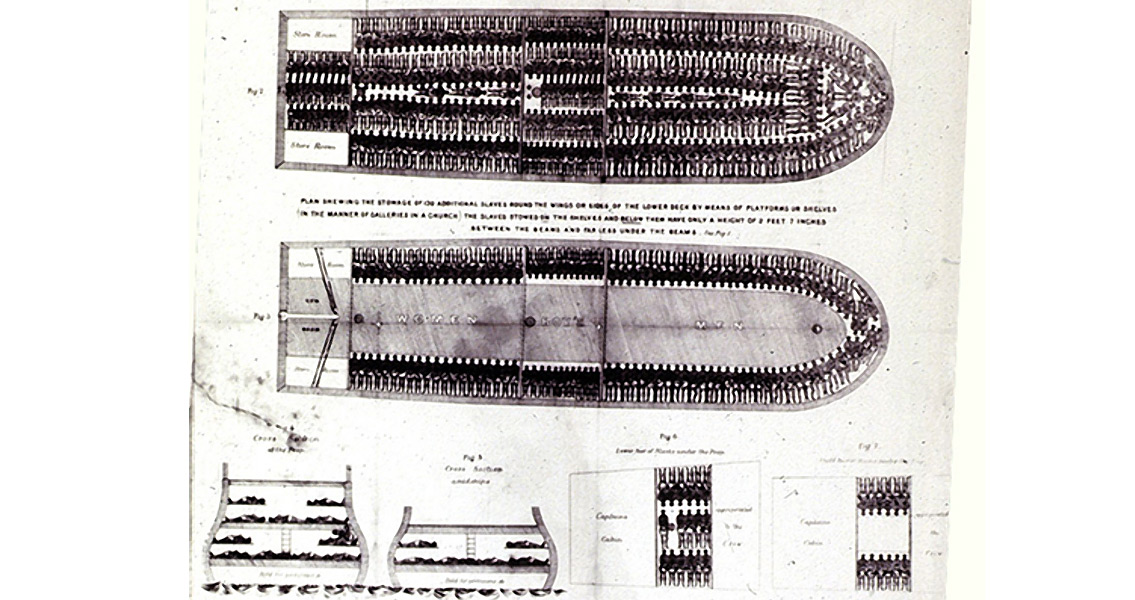
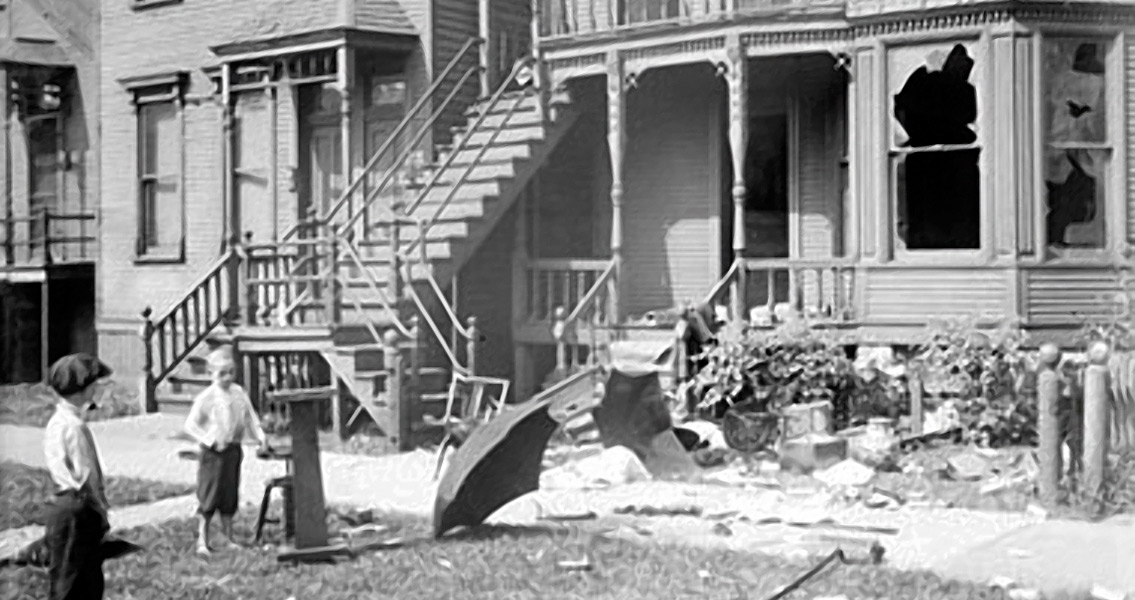
Between 1910 and 1920 the city’s African-American population had more than doubled from 44,000 to 109,000. Competition for adequate housing could not be dealt with by the city authorities, and many were forced to live in slum like conditions. The trigger which set off the Chicago Race Riot came on 27th July, 1919. Reflecting broader segregation in the city, the beach of Lake Michigan was divided by an invisible boundary which stretched out into the sea. Eugene Williams, an African-American teenager, drifted into the white section of beach while swimming. A gang of white men pelted him with rocks and stones as he swam. Exactly how is unclear, but Williams drowned in the lake, either as a direct result of the attack, or because he was too afraid to swim ashore when he became exhausted. When police arrived on the scene, they refused to arrest the men who had been pointed out as responsible for the attack on Williams. Angry crowds started to gather, and distorted stories of what had happened to Williams began to spread through Chicago’s South Side. In a city dominated by both white and black gangs, the drowning of Williams was enough to ignite the mounting tensions and trigger fighting around Chicago’s South Side. The violence escalated each subsequent day, as Chicago descended into a lawless battle ground. The state militia were called in on the 30th July, but their presence made little difference and the violence continued until 3rd August. By the time the violence had subsided, twenty three black and fifteen white people had been killed. Just as devastatingly, considering the already severe housing crisis, 1,000 black families were left homeless after their homes had been vandalised. Perhaps more than the other riots of the Red Summer, the sheer scale of the Chicago Race Riot brought the USA’s growing racial conflict into clear perspective. Some called for stronger, more formalised segregation in the city, although this was largely ignored by both the US Congress and city officials, particularly because President Woodrow Wilson publicly declared that Chicago’s white gangs had been the main aggressors in the riot. The Chicago Commission of Race Relations, made up of both white and black members, was created to look into the causes of race conflict in Chicago and work on solutions. On a national level, Wilson pushed for new Congressional legislation and voluntary organisations to try and foster racial harmony. Race divisions would remain a hugely important issue in the USA for years to come, but the riots at least encouraged some attempts to confront this mounting problem.]]>