Categories
Breaking News

Why does science say there was only 1 man for every 17 women in 3000 BC?

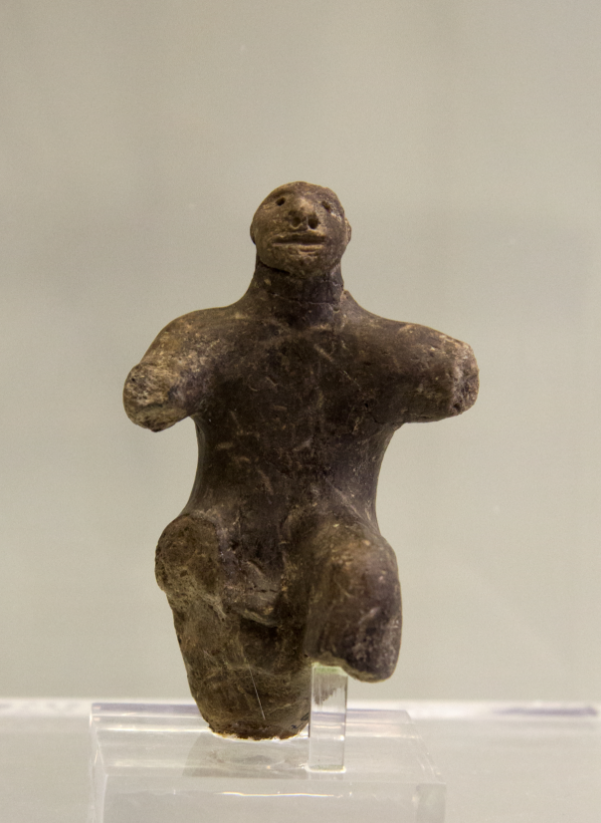
Male figurine, pottery. Neolithic, 5000 – 3000 BC. Credit: Archaeological Museum of Heraklion.[/caption]

The Y Chromosome Bottleneck

Known as the Y chromosome bottleneck, this research was first proposed in 2015 by Monika Karmin, a population geneticist at the University of Tartu in Estonia. Since then, academics have been trying to understand how this could have happened. Some research has told us that the drop-off in the male population was the result of ecological factors mainly affecting male babies. Stanford University students Alan Aw and Tian Cheng Zeng thought there must be another explanation. They took their theories to Marcus Feldman, a population geneticist at the University, who said that the imbalance “struck us as being very extreme.”  

A new explanation?

On 25th May 2018, the team published a new paper in the journal Nature Communications. It posits that humans who were living in patrilineal clans, which consisted of males from the same lineage, could have entered a particularly violent age; with inter-clan wars happening particularly frequently. If true, this had the potential to wipe out entire lines of male descent at a time. In his research, Feldman suggests that rather than the male population taking an apparent nosedive, the diversity of the Y chromosome decreased due to the ways people were living and fighting with one another. Or, to put it another way, there weren’t actually fewer males. There was just far, far less diversity.  

A quick recap of our chromosomes

As humans, most of our genes are carried in 23 pairs of chromosomes. The 23rd pair determines our sex: females have two X chromosomes, whereas males have one X and one Y chromosome. A baby’s sex is determined by the chromosomes it inherits from its parents. This allows genes to get shuffled around, which increases the overall diversity in the species. But the Y chromosome, which has no female counterpart, stays almost the same from grandfather to father to son, and so on. Of course, mutations occur, which explains why the Y chromosome does in fact differ among males.  

How were people living at the time?

After the advent of farming around 12,000 years ago, societies were increasingly organising themselves around extended kinship groups, ultimately manifesting as patrilineal clans. As we know from this study, this was a cultural fact with poignant biological consequences. Women may have married into a clan, but the men in the clan were all related through male ancestors. “From the point of view of those chromosomes at least, it’s almost as if everyone in a clan has the same father,” says Nathan Collins from Stanford University. This study, which looks at genetic occurrences between 5,000 and 7,000 years ago, considers people living in a transitional period. Soon after, people moved into larger societies and built towns. At that point, humans because less intent on maintaining the Y chromosome lineage and perhaps unsurprisingly, the diversity of the Y chromosome bounced back. [caption id="attachment_8716" align="aligncenter" width="500"] Marcus Feldman with fellow researchers Tian Cheng Zeng and Alan Aw. Credit: Marcus Feldman, Stanford University[/caption]
Simulating the possibilities

Feldman, Zeng and Aw conducted 18 different simulations, each representing different scenarios that could explain the bottleneck. This included situations reflecting Y chromosome mutations; competition between different tribes, and natural death. Crucially, the bottleneck did not occur in the simulation in which patrilineal clans did not exist. We can then assume that the most likely reason for the bottleneck was patrilineal clans going to war. If one clan was wiped out, so was its shared Y chromosome. Monika Karmin, lead author of the original study, weighs in: “fighting clans are indeed likely to cause a drastic drop in male genetic diversity… However, we do have to keep in mind that there is very little information on the actual societal organisation from that time.”  

No XX bottleneck

Incidentally, there was no such bottleneck in females. Feldman was able to deduce this by analysing mitochondrial DNA, which is only passed down from the mother. “In that same group, the women could have come from anywhere,” Feldman says. “They would’ve been brought into the group from either the victories that they had over other groups, or they could’ve been females who were residing in that area before.” He added that colonisation tends to see the men killed, and the women kept alive.  

A cultural influence on genetic variation

Academic research often focuses on behaviours that have a genetic basis; but not necessarily on behaviours that influence genes. The new research is, in Feldman’s words: “an example of what a cultural preference can do in changing the level of genetic variation.”]]>

Categories
Breaking News

New Theory on Origin of Scythians Put Forward

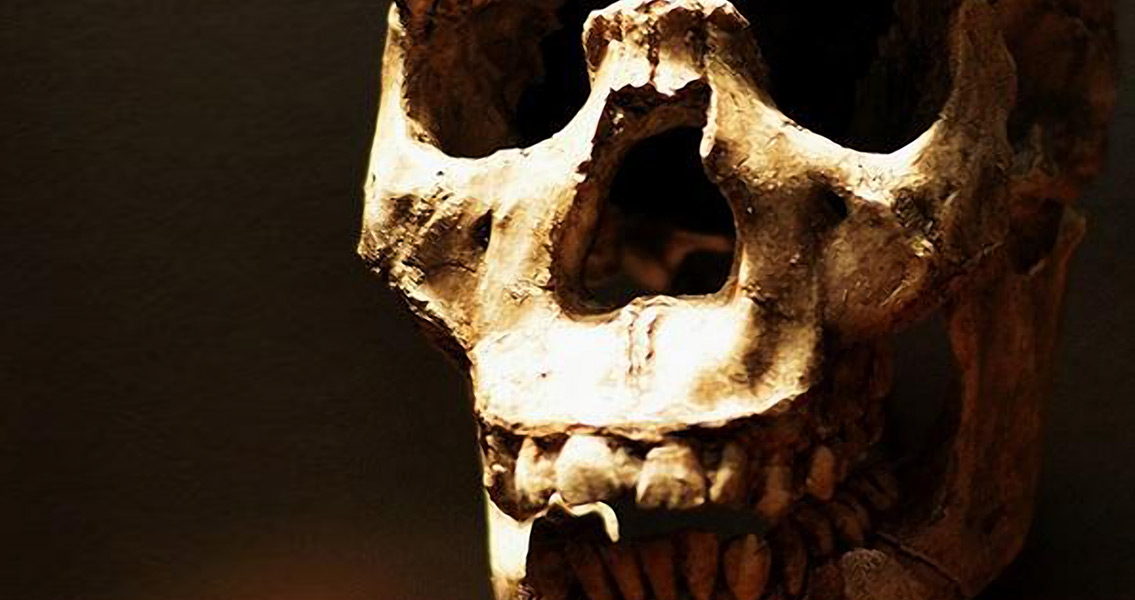
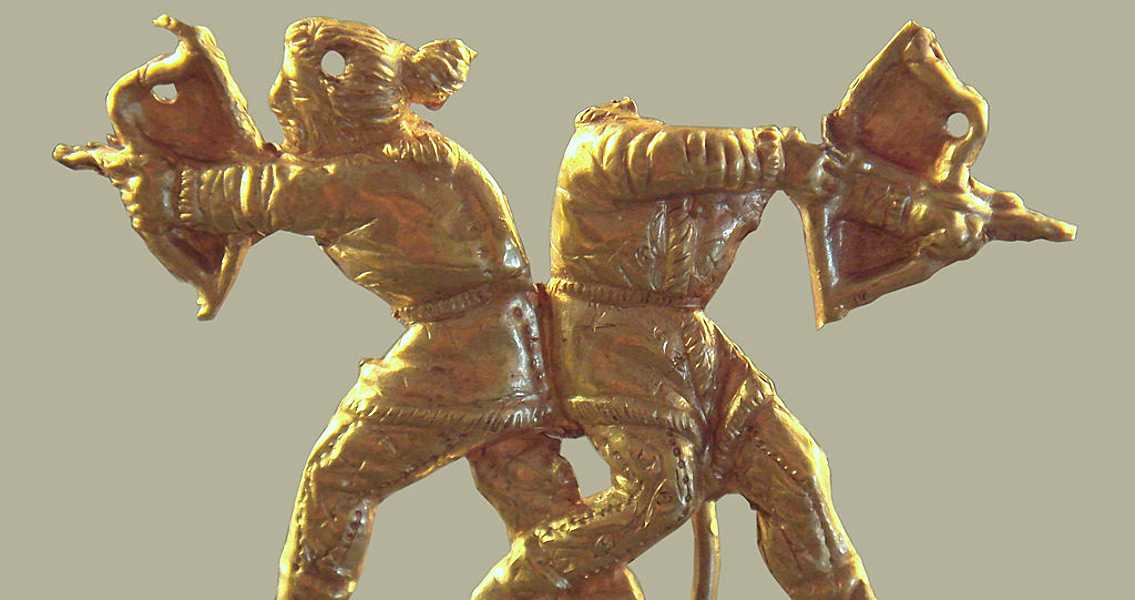
According to a university press release, anthropologists conducted comparative analysis of non-metric cranial trait frequencies in the remains of Scythians found in the northern Black Sea region. These non-metric traits were then compared to those gathered from Central Asian and Eastern European remains dating to the Bronze Age to look for commonalities. These so-called “cranial series” are groups of skulls found from either one burial or several burials spaced closely together, and from either one archaeological culture or one ethnic group. Non-metric, varying cranial traits can reflect minor anatomical variations in the human skull. These variations take the form of irregular skull sutures and processes or additional and irregular holes, and are consistent among those with similar genetics. When compared to data gathered from molecular genetic markers, these non-metric cranial traits tell a similar tale in determining the genetic distances between populations. Many researchers have begun to use these cranial trait comparisons as an alternative to direct DNA research, which can be much more expensive and not necessarily always appropriate. There are two major hypotheses regarding the origin of the Scythians. One claims the Scythians came from Central Asia as invaders, resulting in local Indo-European populations being assimilated by them. The other claims that the ancient people were descended from the “Timber-Grave culture” of the Srubnaya people who lived between the Dneiper and Ural Mountains during the Late Bronze Age. According to lead author Alla Movesyan, the results of the study provide evidence for both of these theories. In other words, both hypotheses are partly correct: the Scythian gene pool was formed from descendants of the Srubnaya from the Late Bronze Age, but these descendants migrated from Central Asia and mingled with the Indo-Europeans living in the northern Black Sea region. This revelation could be a blow to Eurasian mythmakers who have enjoyed claiming the Scythians were predecessors of the Slavs. While there was undoubtedly some genetic intermingling thanks to geographic proximity, Movsesyan claims that the idea of Slavs being direct descendants of the Scythians is simply no longer supported by any scientific data. The new research study, published in The American Journal of Physical Anthropology, can be found here]]>

Categories
Breaking News

East Asian Human DNA Largely Unchanged Over 8000 Years

Science Advances, can be found here Image courtesy of Yuriy Chernyavskiy]]>

Categories
Breaking News

Ancient DNA, Once Helpful, May Now Cause Cognitive Harm

United Press International, a new research study has revealed how a variant of the gene known as apolipoprotein E (ApoE), long linked to higher risks of cardiovascular disease and cognitive decay in modern urban populations, is likely to have a beneficial, protective effect on non-urban communities in infectious environments. To reach their conclusion, scientists from Arizona State University visited communities in the Amazon to research the impact of the ApoE gene – the first time such a population has been involved in a study of this gene. The study’s lead author, assistant professor Ben Trumble said that studying the Tsimane, an Amazonian community of foragers, presented opportunities to see how the ApoE4 allele would have affected humans in our past, well before industrial development. The tropical environment that the Tsimane live in, which features little in the way of sanitation, electricity, or running water, and a high level of exposure to pathogens and parasites that attack cognition, is akin to the kinds of conditions the earliest of modern humans would have faced, Trumble pointed out. This made the Tsimane an ideal population to study for the effect APoE4 would have had in antiquity. The project subjected many Tsimane community members to a seven-part medical exam and cognitive assessment. The results showed a clear correlation between ApoE4 and cognitive function during parasite infection. ApoE4 carriers within the community that were also infected with parasites demonstrated improved or steady cognitive function. Those without the ApoE4 gene, but who had similar levels of parasite exposure, showed reduced cognition in comparison. Meanwhile, ApoE4 carriers among the Tsimane that had low levels of parasite infections had no protection against cognitive decline. In fact, their rates were similar to those seen in urban, industrialized regions, leaving Trumble to remark that it’s obvious genetic mutations like ApoE4 may help humans survive in more hazardous environments or time periods, but in post-industrial times, which are obviously much more relatively sterile and safe, these same genetic mutations can become a liability. This presents a conundrum – individuals that carry the ApoE4 gene are the descendants of individuals who likely needed the mutation to survive in the face of high levels of parasitic infection. Now that many post-industrial societies have grown beyond the need for such genetic protections, the mutation that once kept their ancestors’ minds safe from cognitive decay might end up causing it – a lesson in irony, to say the least. More research into ApoE4 is being conducted to broaden modern science’s understanding of the gene. Some studies have already shown that APoE4 carriers may benefit from heightened childhood development and protections against some infections like hepatitis and giardia. The research study, appearing in the journal of the Federation of American Societies for Experimental Biology (FASEB), can be found online here]]>

Categories
Breaking News

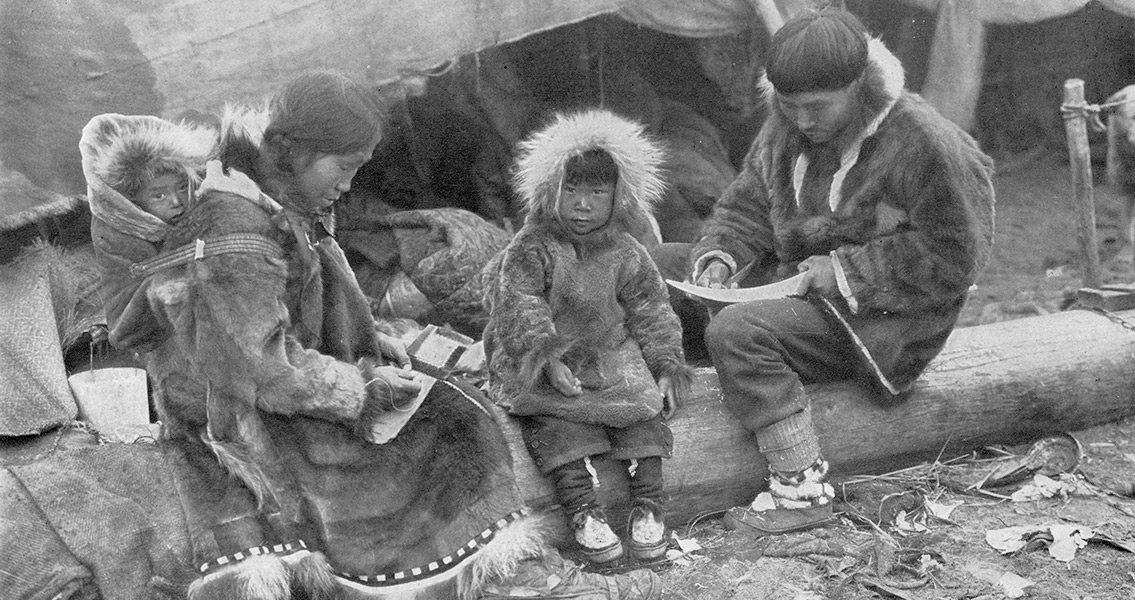
Denisovan DNA May Be Behind Inuit’s Cold Tolerance

here]]>

Categories
Breaking News

Natural Selection Eliminates Neanderthal DNA in Humans

journal PLOS Genetics, can be found at http://journals.plos.org/plosgenetics/article?id=10.1371/journal.pgen.1006340 Image courtesy of Jaysmark, Flickr, CC BY]]>

Categories
Breaking News

Fonni's Dogs Followed Their Owners to Sardinia, Genome Shows

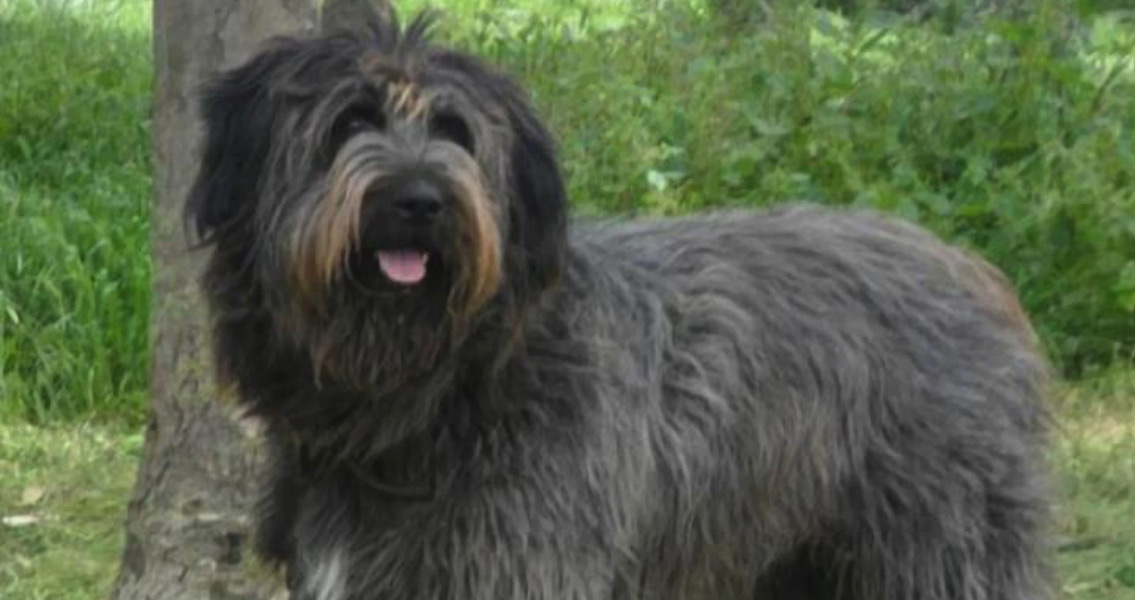
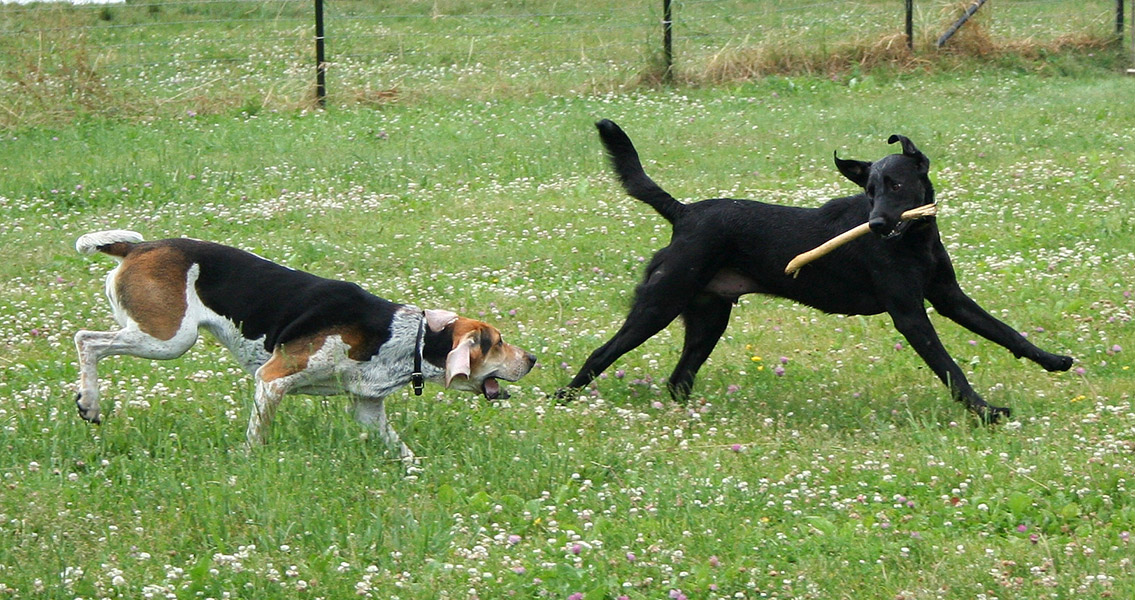
GENETICS, the new study reveals that the regional variety has in fact developed into a true breed. Interestingly, the authors suggests this took place because of unregulated selection for the animal’s distinctive behaviour. The results also suggest that the Fonni’s Dog came from the same geographic areas as the island’s human migrants. Known as Cane Fonnese in Italian, Fonni’s Dogs are characterised by their intense facial expressions. A rugged herd guardian, they all make fine protectors of flocks and display a wariness towards strangers. Despite these common traits, significant variation in their fur has led many to question if they’re a true breed. “If you were to look at ten Fonni’s Dogs, you would see there’s a lot of variation in coat color and fur length. But they are all good protectors of their flocks. That’s because nobody cares what they look like; they’ve been bred to do a job and to do it right,” said study leader Elaine Ostrander of the National Human Genome Research Institute (NHGRI), in a press release. Another common trait among Fonni’s Dogs is their fierce loyalty to their owners. This manifests itself in their willingness to guard the property of their owner, and somewhat more unusually in their skill as thieves. “They can be trained to sneak over to the neighbors’ and bring items home.” Ostrander explained. Much like the people that brought them to the island, the Fonni’s Dogs are an example of an isolated population which is providing scientists a wealth of genetic insights, particularly in regards to genes that influence health and behaviour. Sardinia’s geographic isolation means its population has a unique ancestry, and very low genetic diversity. These characteristics make it easier to study the genetic influences of disease and aging in Sardinians when compared to other genetic groups. Ostrander and colleagues argue that the same is also true of the hundreds of different dog breeds. “Dogs get all the same diseases as humans, and there are lots of dog breeds with genetic predispositions, for example to particular types of cancer,” Ostrander said. “Once we understand the genetic history of a breed we can search for disease genes in a much more powerful way than is possible in humans, enabling us to hone in on medically-relevant genes.” The study also revealed that the ancestors of the Fonni’s Dog were related to the Saluki, a swift, graceful ‘sight’ hound from the Near and Middle East; and the Komondor, a powerfully built sheep guardian from Hungary. These insights into the history of the Fonni’s Dog show just how closely it mirrored human migration to Sardinia. “The map we can draw of the dog’s origins is the same as the map of human migration to Sardinia,” said Ostrander. “Clearly ancient people traveled with their dogs, just as they do now.” These parallels between the migration of dogs and humans could have a surprising application, according to the study authors. “Our study shows how closely dog migration parallels human migration. It could be that if you have missing pieces in a study of a human population’s history, samples collected from dogs in the right place could fill in those gaps.” The team now plan to study the regions of the genome that make the Fonni’s Dog unique, perhaps even explaining its loyalty and protective behaviour. Ostrander and her team also hope to work with colleagues in other countries to explore other so called ‘niche’ dog populations; to demonstrate the ways man’s best friend can be used to help track down disease genes. ]]>

Categories
Breaking News

DNA Evidence of New Human Ancestor from Australasia Found

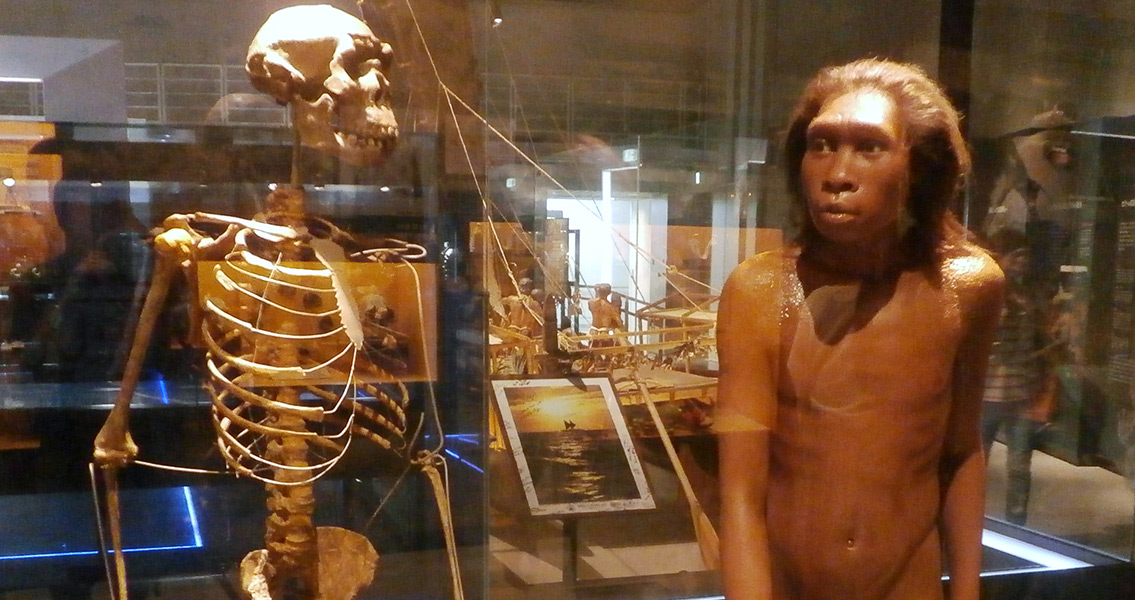
Homo erectus. While there’s no direct evidence that this was the case, the hominin, which is thought to have been the first to walk upright in a manner similar to modern humans, was the first to migrate from Africa. H. erectus fossils present in the Asian fossil record, dated to between 1.8 million years and 33,000 years old, put them in the right place at the right time to have contributed their genetic material. The only way to prove the theory would be to extract DNA samples from the remains of a H. erectus and then compare it to modern populations living in Australasia. This has proven difficult, as there has yet to be a H.erectus fossil discovery with enough genetic data intact to sample successfully. This differs from how scientists have derived the genome of an early hominin species known as the Denisovans after a cave in Siberia yielded a remarkably well-preserved finger bone. As if identifying the identity of the mystery species wasn’t complicated enough, it’s possible that the mystery DNA found within the samples was contributed by more than one unknown hominin living in or migrating to the region. With no frame of reference, there’s no way to isolate the new genetic material conclusively; with Denisovans, Neanderthals and at least one more hominin present within the region and interbreeding, it may be impossible to pinpoint just how many were there without additional ancient genomes to sequence. This is unlikely, as the climate of the Asia-Pacific features warm temperatures and high humidity levels which cause genetic material to degrade much more quickly than elsewhere. Regardless, this new study – and several others – have been building a case for just one single migratory movement by early humans out of Africa around 60,000 years in the past, changing the narrative when it comes to human evolution. The new study, published online in the journal Nature Genetics, can be found online at www.nature.com]]>

Categories
Breaking News

Transition to Agrarian Lifestyle Not Tied to Genetics

Science, is available here Image courtesy of Fereidoun Biglari, National Museum of Iran]]>

Categories
Breaking News

Genetic Tests Suggest Dogs Domesticated More Than Once

here Image courtesy of Wikimedia Commons user Peter Wadsworth]]>