Categories
Breaking News Editorial

Why Homo sapiens survived (and other hominins didn't)

Map of the potential distribution of archaic hominins, including H. erectus, H. floresiensis, H. neanderthalenesis, Denisovans and archaic African hominins, in the Old World at the time of the evolution and dispersal of H. sapiens between approximately 300 and 60 thousand years ago.
Credit: Roberts and Stewart. 2018. Defining the ‘generalist specialist’ niche for Pleistocene Homo sapiens. Nature Human Behaviour. [/caption]

Homo sapiens surviving extreme conditions

Archaeological and palaeoenvironmental datasets from the Middle and Late Pleistocene eras have come under critical review in the recent collaboration between the Max Planck Institute and the University of Michigan. Hominin movement and biological development within and beyond Africa proves our species’ ability to occupy diverse and ‘extreme’ settings around the world. This could well explain how Homo sapiens became the last surviving hominin on the planet. Previously, it was thought that early homo sapiens had stayed close to the coast or savannahs, not infiltrating extreme environments until around 15,000 years ago. But this new evidence has shown humans were in tougher climates far earlier, affecting the debate over what it means to be human – as a Homo sapien, at least.

What does it mean to be human?

“So much focus has gone into finding the next artwork, the next fossil, that in the search for a sort of ‘modernity’ as it is often put – other fundamental elements were neglected,” says Dr Patrick Roberts from the Max Planck Institute for the Science of Human History. Under this new theory, investigations into what separates Homo sapiens from our ancestors would shift away from attempts to uncover the earliest traces of art, language and technological complexity. They’d move, instead, towards understanding what makes our species ecologically unique.

New ideas of Neanderthal creativity

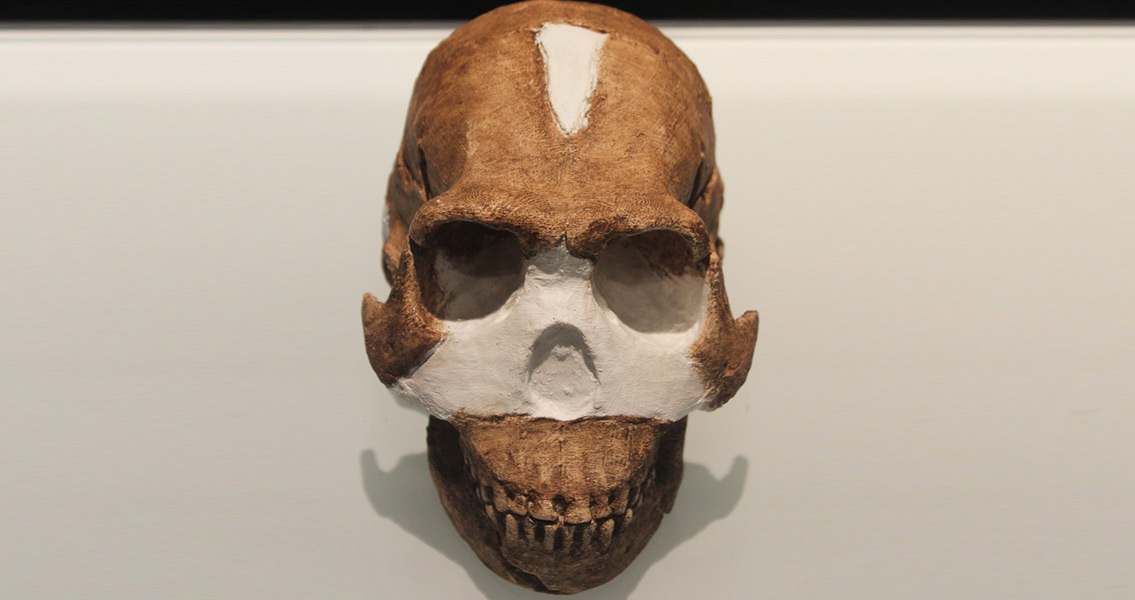
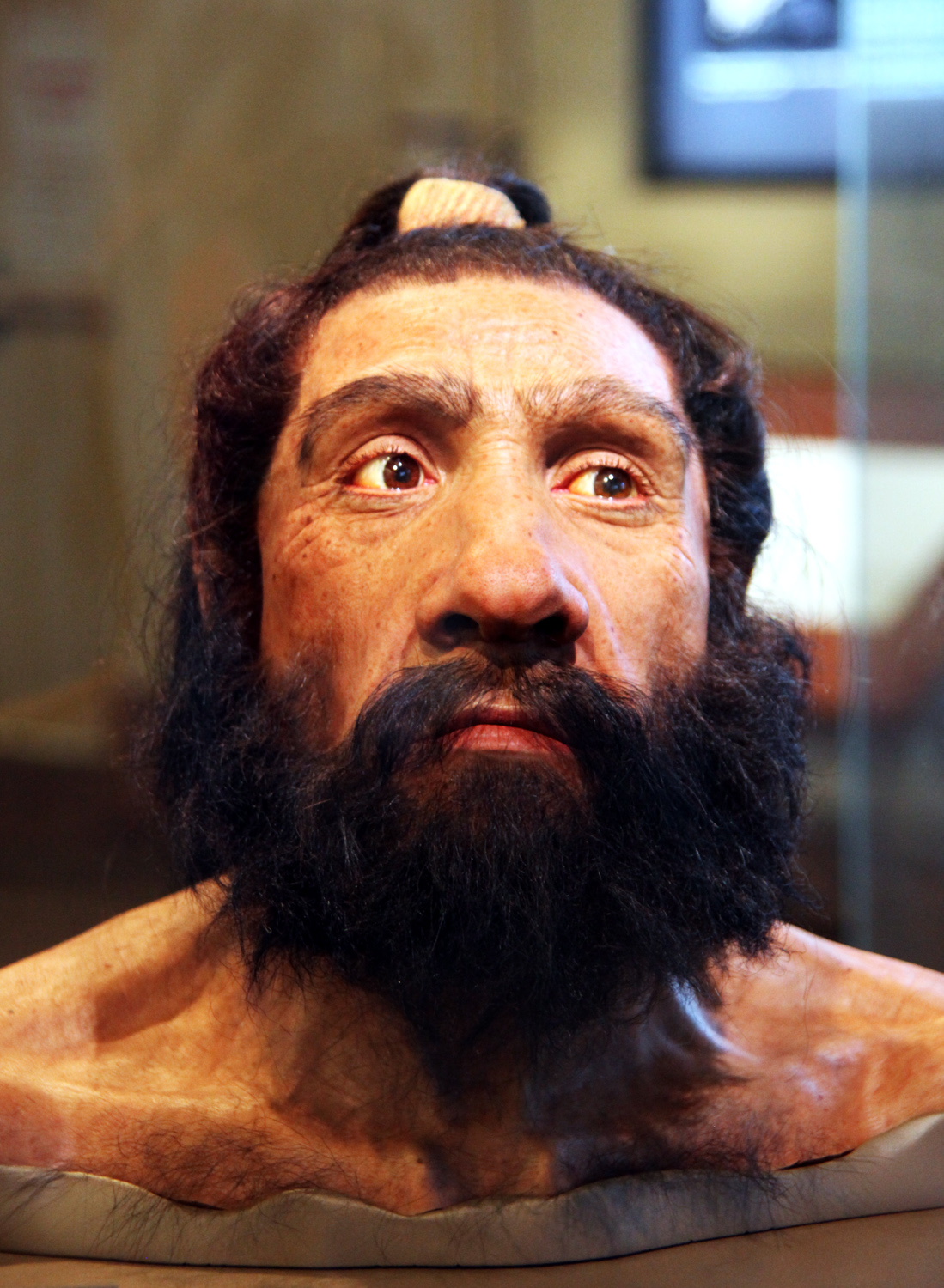
Recent research exposed the fact that our Neanderthal cousins created art before Homo sapiens, and were therefore capable of creating symbolism independently. Because of this, the lines between Homo sapiens and our ancestors are becoming increasingly blurred. You can read more about Neanderthal creativity and the recent discoveries that probe into it here. [caption id="attachment_8774" align="aligncenter" width="500"] A model an adult Neanderthal male head and shoulders on display in the Hall of Human Origins in the Smithsonian Museum of Natural History in Washington, D.C. Credit: Tim Evanson[/caption]

Ancestral ecologies

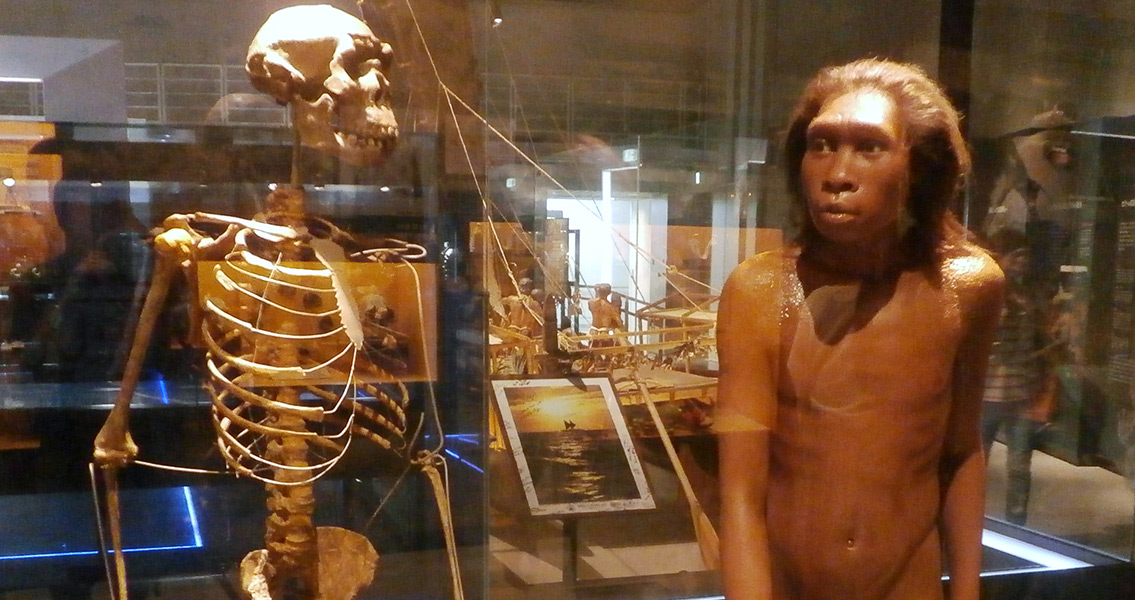
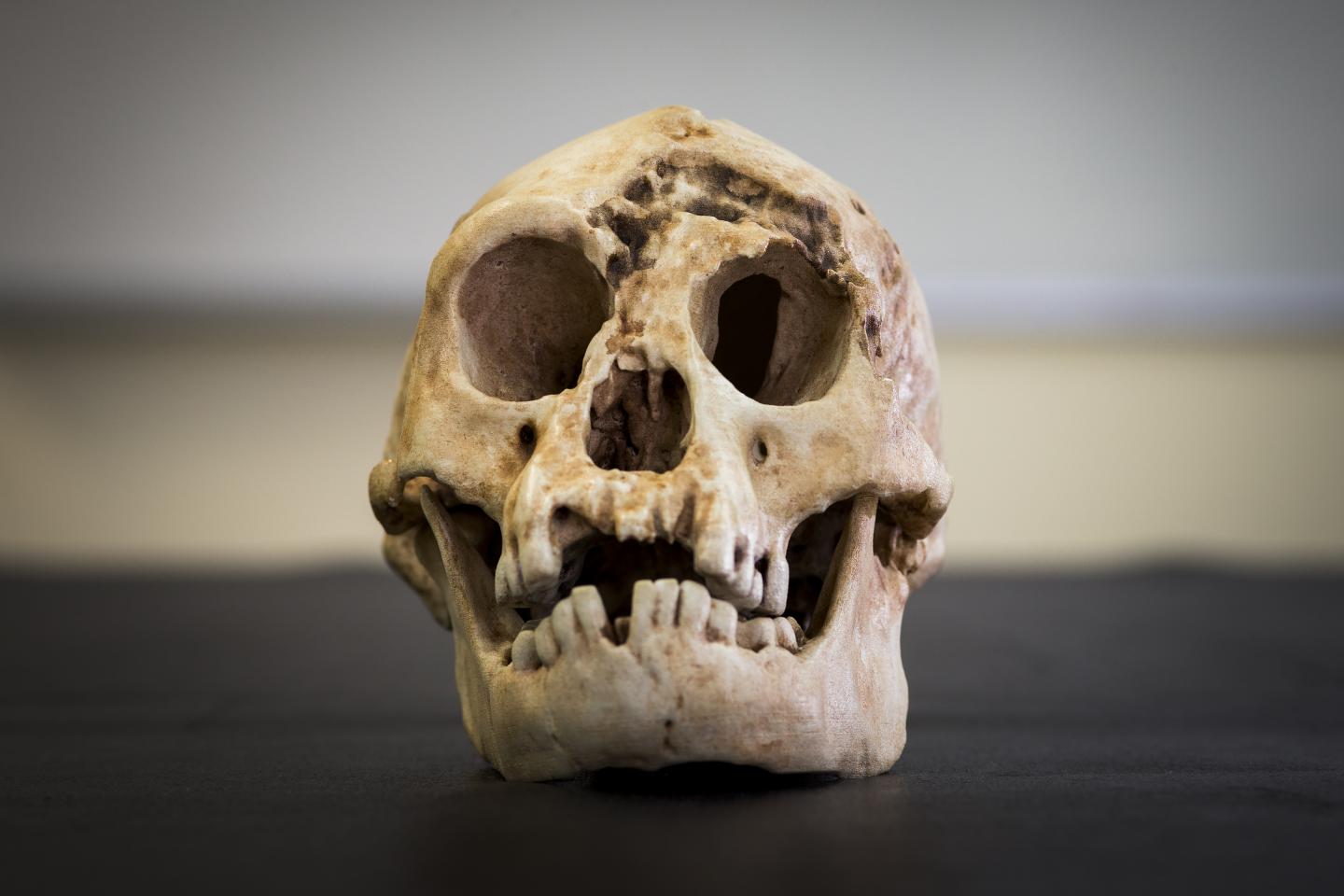
In contrast to other hominins, our species not only colonised environments as varied as deserts, tropical rainforests, high altitude settings and the palaeoarctic, but also flourished in these extreme conditions. Looking at our ancestral ecologies, we know that the genus Homo is highly diverse. Although often given the blanket name of ‘human,’ both academically and colloquially, using one term is certainly deceptive. There were a range of Homo species, all of which comfortably developed to reflect their surroundings. Homo erectus and Homo floresiensis (also known as ‘the Hobbit’) are thought to have occupied resource-scarce tropical rainforests from 1 million to 100,000 and 50,000 years ago respectively. The Neanderthals (Homo Neanderthalensis) occupied the high latitude areas of Eurasia between 250,000 and 40,000 years ago. To some extent, they backed themselves into an ecological corner, by only developing hunting skills in specialised environments.

What is the difference between ‘humans’ and Neanderthals?

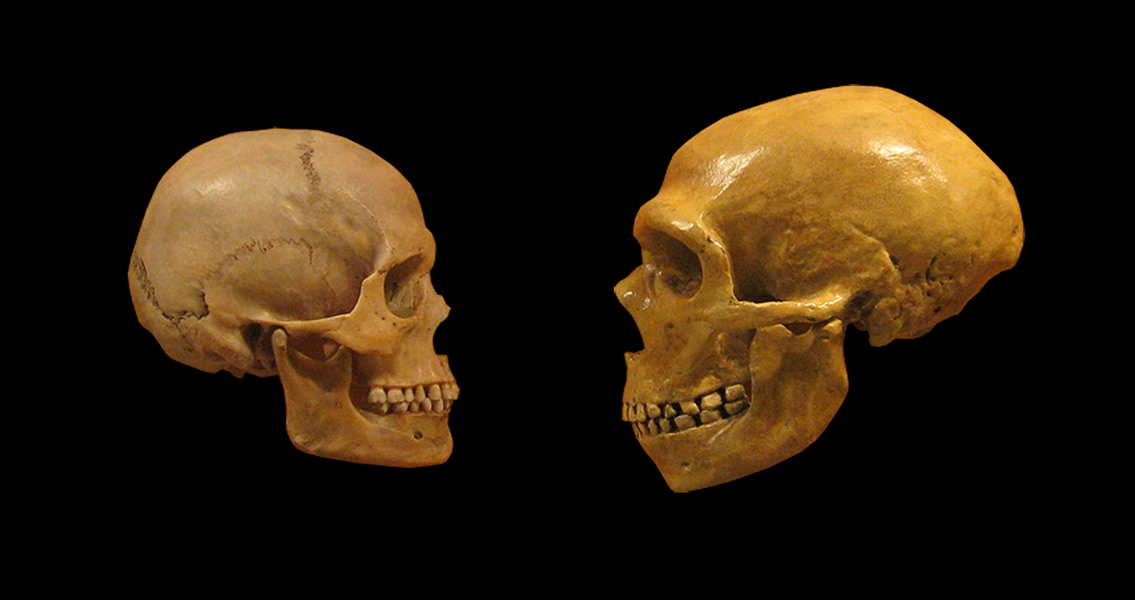
While it might seem like there were gulfs between Homo sapiens and Homo Neanderthalensis, it would be remiss not to point out that the Neanderthals were our closest hominin relatives. In fact, Homo Neanderthalensis shares 99.7% of DNA with Homo sapiens. The history, appearance, intelligence and behavioural similarities and differences between the two are explored by Daryl Worthington on the New Historian – click here to read more.

Rapid Homo sapien colonisation

In contrast to the rest, Homo sapiens had spread to higher-elevation niches by around 80-50,000 years ago. By 45,000 years ago, the species was rapidly colonising both palaeoarctic and tropical rainforest conditions in Asia, Melanesia and the Americas. In order to decipher how our species demonstrated its colonising capacity elsewhere in places like northwest India and the high elevations of Tibet and the Andes, better-dated and higher resolution environmental datasets are required.

Homo sapiens: the ‘generalist specialist’

Ultimately, the new theory is that Homo sapiens were a ‘generalist specialist’. The ’generalist specialist’ is a new ecological niche: one that reflects Homo sapiens’ ability to occupy a huge diversity of environmental settings across the majority of the Earth’s continents by the Late Pleistocene. Dr Patrick Roberts has written: “A traditional ecological dichotomy exists between ‘generalists’, who can make use of a variety of different resources and inhabit a variety of environmental conditions, and ‘specialists’, who have a limited diet and narrow environmental tolerance.” He continues: “However, Homo sapiens furnish evidence for ‘specialist’ populations, such as mountain rainforest foragers or palaeoarctic mammoth hunters, existing within what is traditionally defined as a ‘generalist’ species.”

How did Homo sapiens become a ‘generalist specialist’?

Dr Brian Stewart, from the Department of Archaeology at the University of Michigan, thinks that this new niche was carved out through extensive cooperation between non-kin individuals. He writes: “Non-kin food sharing, long-distance exchange, and ritual relationships would have allowed populations to ‘reflexively’ adapt to local climatic and environmental fluctuations, and outcompete and replace other hominin species.” It comes down to empathy, as well as an ability to accumulate and pass on cultural knowledge.

How our species became the last surviving hominin on the planet

“As with other definitions of human origins, problems of preservation also make it difficult to pinpoint the origins of humans as an ecological pioneer. However, an ecological perspective on the origins and nature of our species potentially illuminates the unique path of Homo sapiens as it rapidly came to dominate the Earth’s diverse continents and environments”, says Roberts. He writes: “Understanding this ecological niche provides a framework for discussing what it means to be human and how our species became the last surviving hominin on the planet.”]]>
Categories
Breaking News

Hobbits of Indonesia Evolved from African Ancestor

Homo floresiensis, likely evolved from an ancient African ancestor, and not Homo erectus. Remains of H. floresiensis, a mysterious, pygmy like human species, were first found in 2003 on the island of Flores, Indonesia. The unusual creatures have been nicknamed ‘hobbits’, in reference to the creatures from J.R.R Tolkien’s popular fantasy books. The first specimen of the species, found in Liang Bua caves on Flores, would have stood at only 3.5 feet tall, despite being thirty years old at the time of death. The creatures remain shrouded in mystery, with scientists unsure about exactly when they were alive. This in turn has led to uncertainty about their genetic origins and evolution. A 2005 paper published in the journal Nature suggested H. floresiensis could have been around as far back as 95,000 years ago, until as recently as 12,000 years ago. Published in the Journal of Human Evolution, the new study from The Australian National University challenges the widely held belief that H. floresiensis evolved from Homo erectus. Instead, the authors argue that the hobbits’ small stature means they likely evolved from Homo habilis – one of the earliest human species, which lived in Africa around 1.75 million years ago. Much of the argument for H. floresiensis having evolved from H.erectus is based on the fact that H.erectus is the only other early hominid known to have lived in the region – its fossils found on the island of Java. The Australian National University used physical analysis of remains to discredit this conclusion. “The analyses show that on the family tree, Homo floresiensis was likely a sister species of Homo habilis. It means these two shared a common ancestor,” said study leader Dr Debbie Argue of the ANU School of Archaeology & Anthropology. “It’s possible that Homo floresiensis evolved in Africa and migrated, or the common ancestor moved from Africa then evolved into Homo floresiensis somewhere.”Argue continued. The researchers reached their results by taking a new approach to looking at H. floresiensis remains. Previous studies have focused on the skull and lower jaw of the ancient hominids. Argue and colleagues however, looked at 133 data points including the skull, jaw, teeth, arms, legs and shoulders. “We looked at whether Homo floresiensis could be descended from Homo erectus,” she said. “We found that if you try and link them on the family tree, you get a very unsupported result. All the tests say it doesn’t fit — it’s just not a viable theory.” In particular, the team found that H.floresiensis had a much more primitive jaw than H.erectus. “Logically, it would be hard to understand how you could have that regression — why would the jaw of Homo erectus evolve back to the primitive condition we see in Homo floresiensis?” said Argue. Professor Mike Lee of Flinders University and the South Australian Museum analysed the data using statistical modelling. He claims the results were clear. “When we did the analysis there was really clear support for the relationship with Homo habilis. Homo floresiensis occupied a very primitive position on the human evolutionary tree,” Professor Lee said. “We can be 99 per cent sure it’s not related to Homo erectus and nearly 100 per cent chance it isn’t a malformed Homo sapiens,” Professor Lee said.]]>

Categories
Breaking News

DNA Evidence of New Human Ancestor from Australasia Found

Homo erectus. While there’s no direct evidence that this was the case, the hominin, which is thought to have been the first to walk upright in a manner similar to modern humans, was the first to migrate from Africa. H. erectus fossils present in the Asian fossil record, dated to between 1.8 million years and 33,000 years old, put them in the right place at the right time to have contributed their genetic material. The only way to prove the theory would be to extract DNA samples from the remains of a H. erectus and then compare it to modern populations living in Australasia. This has proven difficult, as there has yet to be a H.erectus fossil discovery with enough genetic data intact to sample successfully. This differs from how scientists have derived the genome of an early hominin species known as the Denisovans after a cave in Siberia yielded a remarkably well-preserved finger bone. As if identifying the identity of the mystery species wasn’t complicated enough, it’s possible that the mystery DNA found within the samples was contributed by more than one unknown hominin living in or migrating to the region. With no frame of reference, there’s no way to isolate the new genetic material conclusively; with Denisovans, Neanderthals and at least one more hominin present within the region and interbreeding, it may be impossible to pinpoint just how many were there without additional ancient genomes to sequence. This is unlikely, as the climate of the Asia-Pacific features warm temperatures and high humidity levels which cause genetic material to degrade much more quickly than elsewhere. Regardless, this new study – and several others – have been building a case for just one single migratory movement by early humans out of Africa around 60,000 years in the past, changing the narrative when it comes to human evolution. The new study, published online in the journal Nature Genetics, can be found online at www.nature.com]]>

Categories
Breaking News

New Research Shows Homo Erectus Shared Modern Human Qualities

Homo erectus in northern Kenya have provided experts from the Max Planck Institute for Evolutionary Anthropology in Leipzig a unique opportunity to study and understand the modern human ancestor’s movement patterns and social structure, using data that relates directly to their dynamic behaviors. Utilizing innovative analytical techniques, the team have been able to demonstrate that the H. erectus footprints have preserved evidence showing a walking style similar to that of modern humans, as well as a group structure that is also consistent with the social behaviors of humans. Habitual bipedal movement is a defining feature separating modern humans and other primates, and the evolution of this behavior within our clade would’ve had profound effects on our early ancestors’ biology. How and when a bipedal, human-like gait first emerged in hominins has long been debated, largely due to disagreements over how to infer biomechanics from skeletal remains. Additionally, certain characteristics of group structure and social behaviors which distinguish other primates and humans were believed to have emerged as a result of important evolutionary events, yet there’s no agreement on how to detect indications of group behavior through archeological or fossil records. Following the 2009 discovery of hominin footprints, found to be 1.5 million years old, near Ileret, Kenya; continued work in the region by the team from Max Planck led to the discovery of hominin trace fossils of unprecedented size for this time period, including five separate sites with a total of 97 preserved tracks that were created by a minimum of 20 Homo erectus individuals. Using an experimental method, the researchers have learned that the shapes of the footprints are indistinguishable from the shape of those of modern people who are habitually barefoot, and most likely reflect similar foot mechanics and anatomies. “Our analyses of these footprints provide some of the only direct evidence to support the common assumption that at least one of our fossil relatives at 1.5 million years ago walked in much the same way as we do today,” Kevin Hatala, with the Max Planck Institute for Evolutionary Anthropology and The George Washington University, said in materials from the Institute. Based on experimental approximations of body mass using the hominin tracks from Ileret, the team has also inferred the genders of numerous individuals who walked across these surfaces and, for the two largest excavated surfaces they have developed hypotheses in regard to the social structure of the H. erectus groups. At each of these two sites evidence exists of several adult males, which implies a certain degree of tolerance and even cooperation among them. Male cooperation underlies a variety of social behaviors which separate modern humans from other primates. “It isn’t shocking that we find evidence of mutual tolerance and perhaps cooperation between males in a hominin that lived 1.5 million years ago, especially Homo erectus, but this is our first chance to see what appears to be a direct glimpse of this behavioral dynamic in deep time,” Hatala said in the press release from the Institute. ]]>

Categories
Breaking News

Food Prep and Meat Eating Helped Human Evolution

Nature this week says that our Paleolithic evolutionary ancestors helped pave the way for their own evolution into modern humans by both eating meat, and preparing their food in certain ways prior to cooking it. The changes led humans living in the Stone Age to evolve with smaller teeth and faces thanks in no small part to adopting a more omnivorous diet that required some complexity to prepare, according to study author Daniel Lieberman from Harvard University. Research conducted into cooking in the past has singled out how pivotal it was to human evolution, but has been criticized for being too broad in giving credit for the changes that occurred to the face and head over the last 3 million years or so. The new study tackles this question; in an interview with USA Today, Lieberman did acknowledge that cooking food is certainly important, but the simple act of roasting raw meat over a fire isn’t the entirety of the story. The author and his colleagues point out in the research study how pounding, slicing, chopping, and other methods of food preparation and processing had effects on human anatomy and physiology that were profound – even to the point in helping humanity develop the ability to speak and run on two legs. There are other important facets of the paper, including the methods used to gather research. One of these methods involved volunteers willing to chew all manner of food while the researchers monitored their bite strength and other variables. Katherine Zink, a colleague of Lieberman from Harvard, worked together with him to see how humans handled masticating food like beets, carrots, yams, and even raw goat meat sourced from local goats. At first, the goat meat proved to be too tough for human teeth; however, once sliced into smaller pieces, the meat was much more manageable and was easily eaten. Vegetables that were eaten intact instead of first pounded by a stone tool were likewise harder to eat for the volunteers. Based on these findings, the research team feels that the inclusion of meat – sliced meat especially – into the diet of our human ancestors made it easier for them to enjoy relatively high levels of nutrition without having to work their jaws quite as hard. This could have contributed to the differences in jaw muscles and teeth in Homo erectus, a human ancestor that evolved shortly after the practice of using stone tools and eating meat. As humans no longer had to process and prepare their food by mouth but were instead able to do so with tools, early humanity evolved adaptations like shorter jaws and smaller faces that improved their ability to speak and to run. However, not everyone at Harvard is convinced that the new study is on the mark. Richard Wrangham, a colleague of both Zink and Lieberman, told USA Today that the relatively diminutive digestive tract of Homo erectus would have precluded the species from extracting enough calories from raw plants to thrive. Instead, he says that cooking food would have had to have played a much more important role than it does in the new study. The research can be found online here]]>

Categories
Breaking News

Skull Study Dates Homo naledi to Two Million Years Ago

Homo naledi, a species first discovered earlier this year which is part of the Homo genus. In a paper published in the South African Journal of Science, Professor J. Francis Thackeray from the Evolutionary Studies Institute at the University of Witwatersrand suggests that H.naledi lived two million years ago (plus or minus 500,000 years). He bases his conclusion on a comparative analysis of H.naledi and other Homo species’ skulls. If proven correct, Thackeray’s conclusion could be hugely important in furthering our understanding of the evolution and development of the Homo genus, allowing H.naledi to be placed in the human family tree. In September of this year Professor Lee Berger, also from the University of Witwatersrand, first announced the discovery of H.naledi. Over 1,500 bones from the hominin species were discovered in the Rising Star cave in the Cradle of Civilisation World Heritage Site, South Africa. The name H.naledi comes from the word for a star in the Sesotho language. The fossils unearthed at the cave constitute a complete skeleton, an extreme rarity when it comes to early members of the homo genus. This fact allowed Berger and his team to conclude that it was one of the oldest members of the homo genus. H.naledi was ape like in many respects, but also had several characteristics in common with modern humans. H.naledi’s brain size was likely similar to that of a gorilla, based on analyses of its skull, while its pelvis and shoulders were also ape like. It has been classed as a hominin due to the advanced shape of its skull, long legs, small teeth and modern-like feet. Attempts to conclusively date the fossils have so far proven unsuccessful, however. A study by Paul HGM Dirks, carried out in conjunction with Berger, concluded that the usual method of dating such fossils; stratigraphic analysis of the area they were excavated from, had proven inconclusive due to the unusual geological and taphonomic context of the Dinaledia Chamber where the remains of H.naledi were discovered. Stratigrahic analysis is the method which has been used to date other hominin fossils, such as Australopithecus africanus. Thackeray has based his conclusion on a statistical analysis of the skull size of different hominin specimens. “The method is based on a least squares linear regression analysis of mean values of measurements for crania of 12 hominin species… The analyses were performed to obtain standard errors of m-coefficients (sem) in regression equations of the form y = mx + c, based on pairwise comparisons of cranial data, as described elsewhere for pairs of hominin specimens”. He writes in the study. His results confirm that H.naledi is indeed significantly different from the ten other species included in the study. Secondly, he was able to determine the level of similarity between different species’ skulls. He found that H.naledi was most similar to the skulls attributed to Homo habilis, known to date to 1.8 million years ago, and to some extent to Homo rudolfensis, which lived between 2 and 2.5 million years ago. As he explains in the study, “…H. naledi appears to be most similar to specimens attributed to early Homo, notably H. habilis, and (to a lesser extent) H. rudolfensis and H. erectus.” Significant questions remain about H.naledi, and where it fits into the evolutionary tree. Thackeray’s study has the potential to make clearer H.naledi’s place in the history of the Homo genus. For more information: Thackeray JF. Estimating the age and affinities of Homo naledi. S Afr J Sci. 2015;111(11/12), Art. #a0124, 2 pages. http:// dx.doi.org/10.17159/sajs.2015/ a0124 Image courtesy of Wikimedia Commons user: Martinvl]]>

Categories
Breaking News

Competition from Hyenas Limited Humans’ Spread in Europe

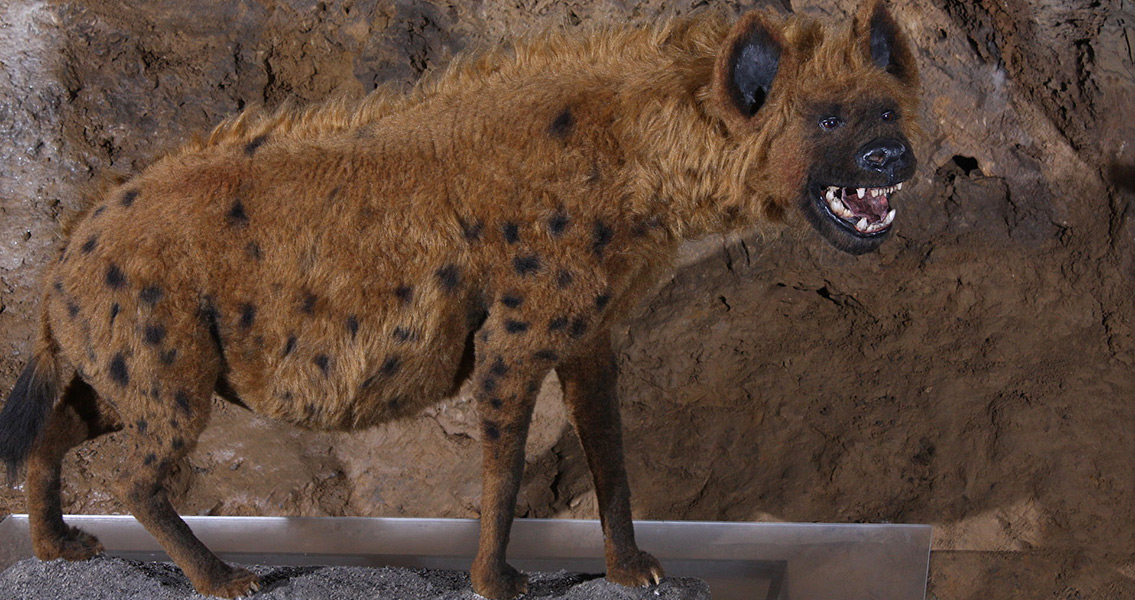
Pachycrocouta brevirostis, was more than twice as big as modern-day hyenas and it was the major competitor of Homo species for food, apparently gaining the upper hand and delaying the population of Europe by humans until the Neanderthals came along. According to the paper detailing the study, published in the journal Quaternary International, food availability was a leading limiting factor for the spread of early humans in the temperate climate of the Iberian Peninsula and western Europe as a whole, especially during the winter. In order to ensure their sustenance, these early hominids “developed scavenging strategies,” to make use of the bodies of hoofed animals. Yet, the giant hyenas were, it seems, better scavengers, greatly reducing the availability of food that could have driven a more expansive hominin spread across the continent. The authors also argue that the Villafranchian period, 1.4-1.2 million years ago, was characterised by stable climate that would have facilitated the spread of humans in Europe were it not for the hyenas. One of the popular hypotheses in the debate over why early humans did not populate Europe is that they were incapable of coping with sharp climatic changes. To come to these conclusions, the researchers analysed several large deposits of animal bones dating to the Villafranchian period of the Pleistocene, writes the Daily Mail. The bones were found at two sites in northeastern Spain, near the city of Terassa. The bones belong to large herbivores and the team of palaeontologists deduced that they were carried to these sites by Pachycrocouta brevirostis. During the same time period, caves in the region were occupied by early humans. These early humans, as another recent study revealed were not Homo erectus, as was believed earlier. They were Homo habilis, a smaller, more ape-like species that could both climb trees and walk. It was probably not very well prepared to handle large predators like the hyenas, which, according to the Spanish team, reached a height of 4 feet (not much shorter than H. habilis) and weight of 30 stone. Besides, just like modern hyenas, they had very powerful jaws that could crush the bones of animal carcasses and get to the nourishing marrow, unlike humans, ancient or modern. What’s more, say the authors, the hyenas were not the only predators that competed with our ancestors: there were a number of felid species that roamed Europe in those times, making it additionally difficult for the hominids, who lacked the hunting “equipment” of those giant cats, to survive. For more information: Were large carnivorans and great climatic shifts limiting factors for hominin dispersals? Evidence of the activity ofPachycrocuta brevirostris during the Mid-Pleistocene Revolution in the Vallparadis Section (Valles-Penedes Basin, Iberian Peninsula) Image courtesy of Wikimedia Commons user: Heinz-Werner Weber]]>

Categories
Breaking News

New Study Challenges Body Mass Increase Hypotheses

Homo erectus. In a press release by the university, as quoted by Science Daily, Grabowski explains that the research team found no evidence of any difference in body mass in the fossils of the earliest Homo samples and the fossils of australopiths, which are among the earliest known hominin species. This led the team to suggest that it wasn’t body size increase that drove the separation of Homo from the earlier hominins. Earlier hypotheses have tried to link this separation of the lineages with an increase in body mass resulting from the inclusion of meat in early hominins’ diets, comments Bernard Wood, Human Origins professor at George Washington University. According to him, these are simple assumptions that have not been tested and have now been refuted by Grabowski’s study. One other interesting finding made by Grabowski’s team is that sexual dimorphism, the size difference level between males and females within a species, was not that different between early hominins and H.erectus. It is true the dimorphism was more pronounced in pre-Homo species than in H.erectus, but the difference was not as great as in other primates, such as gorillas. What’s more, it narrowed down to the present-day level long after the Homo genus had separated from its ancestors. This finding has a direct bearing on evolutionary hypotheses that suggest the monogamous social structure of human communities evolved very early on. Instead, based on the fact that pronounced sexual dimorphism is characteristic of polygamous structures, it is possible to hypothesise that the monogamous, modern social structure was a relatively late occurrence. One reason for the persistent assumptions about body mass is that most anthropological studies in recent years have relied on research of early hominins’ done by Henry McHenry in 1992. Since 1992 however, an abundance of new fossils have been unearthed and scientists have learned more about the complexity of human evolution, the press release notes. What Grabowski’s study does is “build on and update McHenry’s result”, at the same time using new, innovative methods of examining samples of human fossils. The authors of the study hope that their results will become the new standard for body mass estimates for human fossils. Wood, for his part, says the study is one more step towards the debunking of a lot of misconceptions about human evolution. This belief is supported by several recent studies that have shed more light on evolution, including evidence that species hybridisation occurred between modern humans and Neanderthals, for instance, and that the first humans out of Africa were not H.erectus but Homo Habilis, a species which, incidentally, was smaller in size than H.erectus. For more information: “Body mass estimates of hominin fossils and the evolution of human body size” Image courtesy of Wikimedia Commons user: Commie cretan]]>

Categories
Breaking News

Homo Habilis Were First Out of Africa

Homo erectus as long believed, but a smaller species, Homo habilis, also called Handy Man, Discovery News writes. The senior author of the study told the website that the Homo habilis species was characterised by more ape-like features than previously thought, such as climbing besides walking on two legs, but also had some features characteristic of modern humans; such as a large brain, and tool-making skills. It was, however, shorter than Homo erectus: a more muscular species more closely resembling modern man. Using the huge dataset, Mark Collard, who is professor at the Human Evolutionary Studies Program of Simon Fraser University, and his team compared a number of alternative evolutionary trees and looked into how well each tree fit in with the dataset. There were three possible outcomes: either the tree was inconsistent with the dataset and was hence rejected, it was partially consistent, or it was fully consistent with the dataset. Based on what they found from the comparisons, the researchers suggest that Handy Man went into Asia and Europe from Africa and somewhere in Asia it gave rise to Homo erectus. Collard explains that the ‘Upright Man’ then went into Africa, a bold suggestion in the face of current consensus but backed by evolutionary data, apparently. The little Handy Man was also the ancestor of another species, this time even smaller: the Homo floresiensis, the ‘Hobbit Humans’ who were thought to have been nothing more than physically deformed humans. In fact, according to the theory of Collard and his team, H.floresienis were a separate species that inhabited the island of Flores in Indonesia. As to where the first modern human originated, Collard says this most likely happened in South Africa. He told Discovery News that “The fact that Australopithecus sediba [a two-million-year-old fossil] groups with Homo is consistent with the idea that the earliest known representative of the genus Homo originated in South Africa.” Another interesting conclusion of the team was that the Neanderthals were almost certainly a species exclusive to Eurasia; there was no evidence that its representatives had ever been in Africa. At the same time the researchers were unable to establish the immediate ancestor of this species, as scientist before them had been unable to trace back the origins of other hominin species from the Middle Pleistocene. Collard said he hoped his team’s findings would encourage further research by other scientists in South Africa, China, and Southeast Asia, where some of the oldest known human fossils have been unearthed. Asked by Discovery News to comment on the study, the director of New York University’s Center for the Study of Human Origins, Terry Harrison, said it would definitely fuel a debate among palaeoanthropologists, hardly a surprise given the way it challenges long-held beliefs in the area. Another commenter, human origins professor Bernard Wood from George Washington University, said the team who did the study had made an important step in furthering our understanding about evolution, which he called “superficial” at present. Image courtesy of Wikimedia Commons user: Royroydeb ]]>

Categories
Breaking News

Story of Human Evolution Challenged

Homo, had evolved from smaller early humans becoming taller, heavier and longer-legged. This process eventually resulted in Homo erectus, which was able to migrate out of Africa and colonise Eurasia. Whilst we know that small-bodied H. erectus, averaging less than five feet tall and weighing under 50 kilograms, were living in southern Europe by 1.77 million years ago, the origin of the larger body size associated with modern humans has been elusive. The paucity of knowledge about the origins of larger members of the Homo genus is primarily a result of a lack of evidence. Previous estimates of body size had been based on well-preserved specimens which were easy to assign a species to. Since these samples are rare and disparate in terms of both space and time, little is known about geographical and chronological variation in the body sizes of the early Homo. A joint study between the Universities of Cambridge and Tübingen has shown that increases in body size occurred thousands of years after H. erectus left Africa; this growth in Homo body sizes primarily took place in the Koobi Fora region in modern Kenya. “The evolution of larger bodies and longer legs can thus no longer be assumed to be the main driving factor behind the earliest excursions of our genus to Eurasia,” said Manuel Will, co-author of the study which has been published in the Journal of Human Evolution. By using tiny fragments of fossil, the team were able to estimate our earliest ancestors’ height and body mass. Their findings, rather surprisingly, indicate a huge diversity in body size; this is particularly surprising as the wide variation we see in humans today was thought to be a relatively recent development. “If someone asked you ‘are modern humans 6 foot tall and 70kg?’ you’d say ‘well some are, but many people aren’t,’ and what we’re starting to show is that this diversification happened really early in human evolution,” said Dr Jay Stock, co-author of the study. Stock and Will are the first scientists in 20 years to compare the body size of humans from between 2.5 and 1.5 million years ago. They are also the first to use fragmentary fossils – many as small as toes, none longer than 5cm – to estimate body sizes. By comparing measurements of fossils from sites in Kenya, Tanzania, South Africa and Georgia, the researchers have revealed substantial regional variation in the size of early humans. Groups who lived in South African caves, for example, were 4.8 feet tall on average. Some of the skeletons found in Kenya’s Koobi Fora region would have stood nearly 6 feet tall, a height comparable to the average height of modern British males. “Basically every textbook on human evolution gives the perspective that one lineage of humans evolved larger bodies before spreading beyond Africa. But the evidence for this story about our origins and the dispersal out of Africa just no longer really fits,” said Stock. It appears that Stock and Will have rewritten the history of the development of early humans; diversity has deep roots amongst the Homo genus. www.sciencedirect.com Image courtesy of Wikimedia Commons user: DrMikeBaxter]]>