Categories
Breaking News

Mutilated Skeletal Remains Dating to Roman Era Found in UK

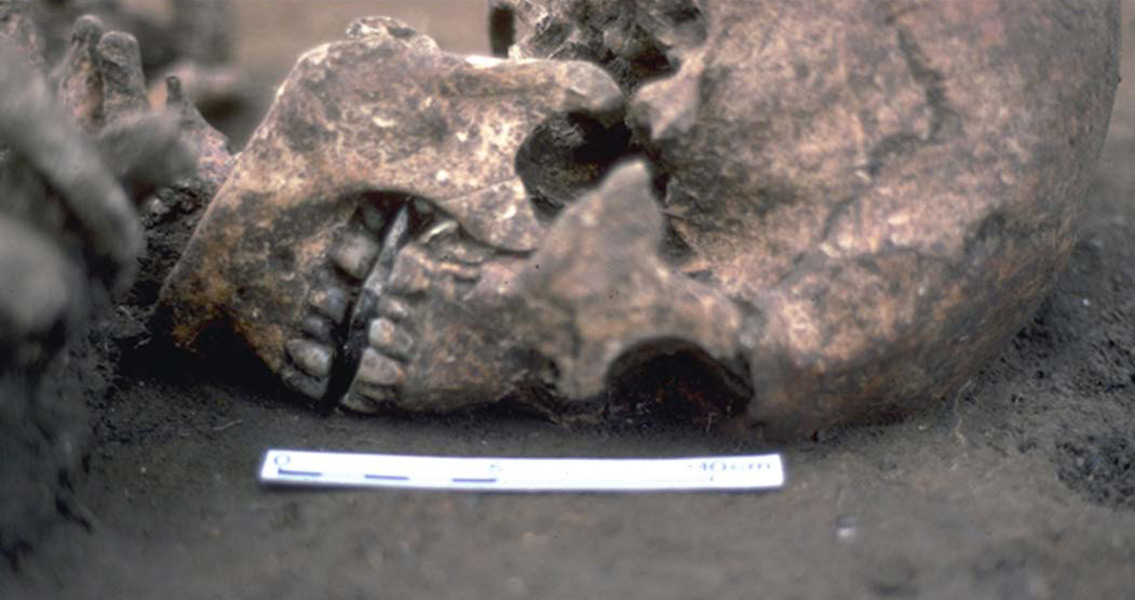
The Guardian. Archaeologists that studied the burial say that the man could have been buried in such a manner to prevent him from rising from the dead and terrorizing the living. Discovered near the river Nene at Stanwick, the original site dates to either the third or fourth century, when the region would have been dominated by small farming communities. Originally discovered in 1991, it was only recently that research methods had progressed to the point where specialist archaeologists and other experts from Historic England were able to uncover the complex mysteries of the burial. The mutilation in question is thought to have been unique among Romano-British remains, according to human skeletal biologist Simon Mays, who worked with Historic England to study the burial. Never before has such a practice been identified in the archaeological record, Mays added, remarking that the position of the body would have been consistent with an individual who was either a threat to a community – or just seen as distressingly, perhaps dangerously, odd. It’s difficult to pinpoint the age of the man when he died thanks to the lack of precision in modern methods. However, scientists feel that, based on the evidence they have gathered, the man is likely to have been at least in his thirties when he died – and that the fact that his tongue was severed could have been the result of a self-inflicted wound due to poor mental health. Another more sinister theory is that the loss of his tongue might have been meted out as punishment for some crime. There are ancient Germanic laws that prescribed the removal of the tongue as a punishment for malicious slander or bearing false witness, Mays said. There’s no known Roman laws to that effect, but researchers are looking into the possibility as the knowledge modern historians have about Romano-British practices are not nearly as complete as they could be. May said that the team latched on to the idea of the man’s tongue being amputated by looking at other Romano-British burials where missing body parts were replaced by foreign objects at appropriate anatomical locations. There’s around less than a dozen such identified instances, the majority of which are decapitations where a pot or a stone was placed in the grave in lieu of a head, the burial expert explained. With the stone found in the front part of the mouth, where the tongue would have been, the researchers felt it was a safe bet to conclude it had been placed there to take the place of a missing tongue. Corroborating evidence regarding the loss of the man’s tongue prior to his death came in the form of traces of bacterial infection in the bones of the mouth typical of the type of infection one would have received in the third or fourth century after having their tongue removed. Image courtesy of Historic England]]>
Categories
Breaking News

Timeline of Maya Collapse Pinpointed

Proceedings of the National Academy of Sciences, can be found here Image courtesy of Takeshi Inomata/University of Arizona ]]>

Categories
Breaking News

Archaeological Dig at Colosseum Yields Horse Skull

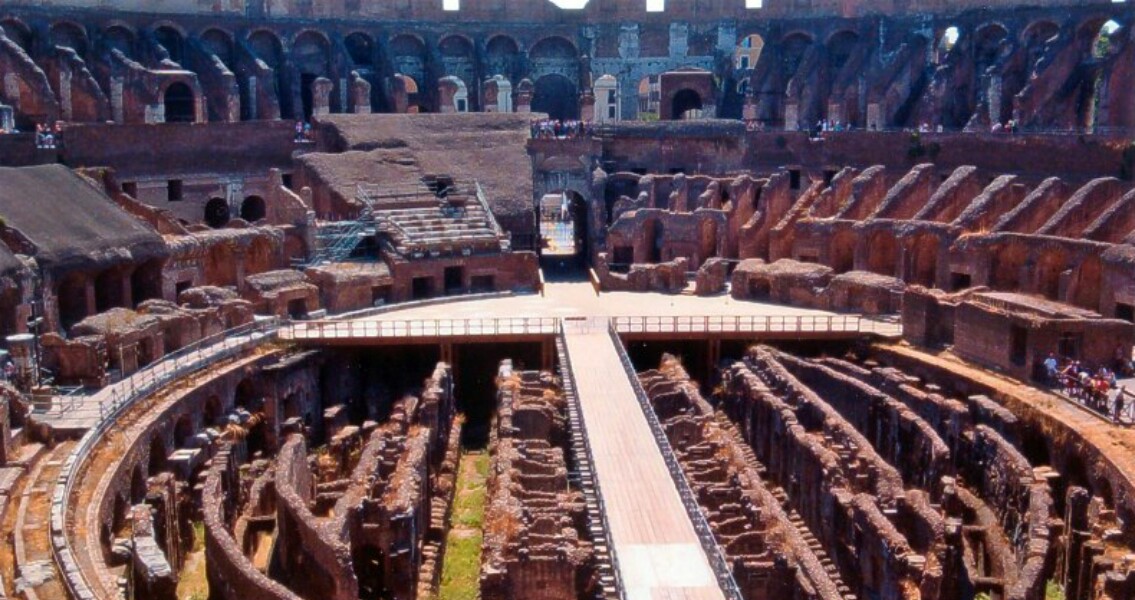
The Local. But hold your horses – this isn’t a Roman-era chariot horse the likes of which you would imagine in scenes reminiscent of Ben-Hur. Chariot races, of course, would have been held at Rome’s nearby Circus Maximus, not the Colosseum, which was primarily the home of gladiatorial combat (though this could have incorporated mounted combat at times). Instead, archaeozoologists say that the equine skull dates back to the twelfth or thirteenth century, well after the fall of the Roman Empire and placing it well out of reach of any bloodsport. In fact, the remains were discovered during routine cleaning of the steps leading down to the massive amphitheater’s basement levels, with the skull being found nearby, according to a statement made by Francesco Prosperetti, the Superintendent for Archaeology for Rome. For now, it’s unclear the age of the horse when it died, the state of health it was in, or just what it might have been doing in the neighborhood. During the twelfth century, large portions of the massive monument were rented out for commercial or residential use, which could have been why a horse would have been within the confines of the Colosseum. Meanwhile, from the late twelfth to the middle of the thirteenth century, the influential Frangipani family of Rome wrested control of the amphitheater away from other tenants, partially transforming the Colosseum into a fortress-like edifice, even going so far as to connect several family houses throughout Rome to the Colosseum by underground tunnel. If the horse skull comes from the period that the Frangipani were the lords of the Colosseum, the horse may have belonged to the family. The Frangipani would have been considered incredibly powerful during their heyday in early thirteenth century Rome. Originally known as the Onicii in the eighth century, the family changed its name to Frangipani. With the name bearing links to the Latin phrase for “breaking bread”, historians believe the family might have gained local fame for distributing food to the masses during a harsh famine. The tactic was widely used by influential families during the time period as a way to garner support among the populace. Whatever the Frangipani did seemed to have worked; the family played a pivotal role in the election of Pope Honorious II in 1124 CE. The family used a combination of bribery to pay off rival houses that supported the choice of Celestine II for the position and outright violence by literally physically attacking Celestine II during the ceremony that would have seen him become Pope officially. Whatever the case may be, the equine skull will need to undergo more thorough analysis before a clearer indication can be made. Once identified more definitively, the animal remains may join others found near the monument, which are on display at the Colosseum’s nearby museum. ]]>

Categories
Breaking News

65 Byzantine Tombs Discovered in Ancient City in Turkey

Hurryiet Daily News. Located today in the western Turkish province of Mugla, in the center of the Yatagan district, the long-ruined ancient city is thought to have been one of the largest marble cities of antiquity from its founding during the Hellenistic era. Bilal Sogut, the Pamukkale University professor in charge of the excavation, recounted how the tombs, which contained the remains of both adults and children, were just some of the recent finds, which also included artifacts from varied time periods and evidence of a settlement that would have existed 3,500 years in the past. The researcher, who referred to Stratonikeia as “a living archaeological city”, called the site unique for is various characteristics, which included a high number of ancient structures surviving to the present day. The city, which would have at one time been home to the Carians of central Anatolia before the arrival of the Greeks, also holds ties to the Leleges, a pre-Hellenistic people that were said to have been allies of Troy during the Trojan War, the archaeologist said. One of the primary finds, according to Sogut, was the nearly four-foot-long skeleton found within a Byzantine-era tomb that had been undergoing cleaning and preservation works. The remains are thought to have belonged to a young woman who lived nearly 1,300 years in the past. There are high levels of historical continuity, according to the archaeologists, especially on one of the main areas currently under excavation and study. A thoroughfare being called “Western Street”, which was a field repurposed as a graveyard after a church on the site had collapsed, was the location of the 65 Byzantine tombs. Sogut remarked that the finds are currently undergoing conservation, with work continuing into 2017 at the very least. Even when archaeological finds are too far eroded or destroyed by time to be reconstructed, tourists to Stratonikeia will still be able to glimpse what life would have been like in the ancient city; there are plans to virtually reconstruct much of the structures unearthed through the use of 3D visualization technologies. Sogut says that once the excavation, analysis, and conservation efforts are concluded, visitors will be able to see many of the ancient city center’s structures, as they have been “revived” thanks to the use of the 3D technologies. Providing visual three-dimensional physical representations of ancient structures leads to higher levels of impact on visitors, the archaeologist stated, adding that it provides better opportunities for understanding. The 3D rendering, combined with gravure drawings, will be prepared in time to show visitors by the next season, Sogut said. Hopes are high that Stratonikeia, which has been classified as a “Tentative” UNESCO World Heritage Site, will soon be transitioned to full status. Archeological finds such as these, and those uncovered by research teams in the past, can help to expedite this process. ]]>

Categories
Breaking News

Researchers Pinpoint Rainfall Patterns of Ancient Sahara

Science Advances, can be found here Image courtesy of Peter deMenocal]]>

Categories
Breaking News

Neanderthals Liked Picking Up Pretty Rocks Too

here Image courtesy of David Frayer, University of Kansas]]>

Categories
Breaking News

Researchers Solve Mysteries of 3,500-Year-Old Egyptian Necropolis

Haaretz, new finds at the Gebel el Silsila necropolis in the form of lavish grave goods show that the individuals buried within were not slaves or menial workers as was first thought. In fact, grave offerings such as crocodiles and cats indicate these individuals, who were likely miners that helped quarry sandstone for construction during the early Eighteenth Dynasty, might have worked hard but were held in high regard. A Swedish archaeology expedition, spearheaded by John Ward and Maria Nilsson, excavated and studied a dozen new tombs, a trio of crypts, and an additional crypt with multiple animal burials, all dating to circa 1543 BCE to 1292 BCE. The discovery of previously-untouched tombs at Silsila – which would have been called Kheny during the Eighteenth Dynasty – has yielded in excess of 55 tombs. Each of these tombs has between 10 to 15 burials, but the majority of these burials have been long-since looted – though the new discoveries show little signs of ancient plundering. The remains of more than 80 people have been recovered so far, according to Nilsson, who said that there were not just men but women and children interred in these tombs. Based on telltale signs of wear on a portion of the skeletal remains, the researcher feels that it’s a good guess that these individuals would have been quarrymen and perhaps their families. Many of these individuals were buried with grave goods in the form of personal belongings. Some were laid to rest with amulets designed to provide protection for the soul’s journey to the world beyond. Such burial goods were expensive, clearly showing these individuals were of a higher social status than conscripted workers or simple slaves, according to Nilsson. More signs indicating the relative wealth and affluence of these ancient Egyptians can be found in the beautiful craftsmanship of the rest of the jewelry that was buried with them. Pendants, scarabs, amulets and earrings found in the tombs show high levels of expertise, indicating that those who worked ancient Egypt’s quarries might have been regarded with high levels of deference – though the researcher was quick to say that there would have to be further study and analysis before this could be concluded categorically. The site is also noteworthy for the high number of animal burials, many of which show signs of being sacrificed prior to being interred. In one instance, a single crypt contained approximately a dozen goats and sheep that look as if they were purposely sacrificed, judging by visible head trauma. Additional remains, which include a pair of crocodiles, a cat and a pair of Nile perch were also included in these animal burials. One of the crocodiles was found outside a tomb, which may indicate that it had expired there after one of the Nile’s many floods. Again, more analysis will be necessary to make final determinations. ]]>

Categories
Breaking News

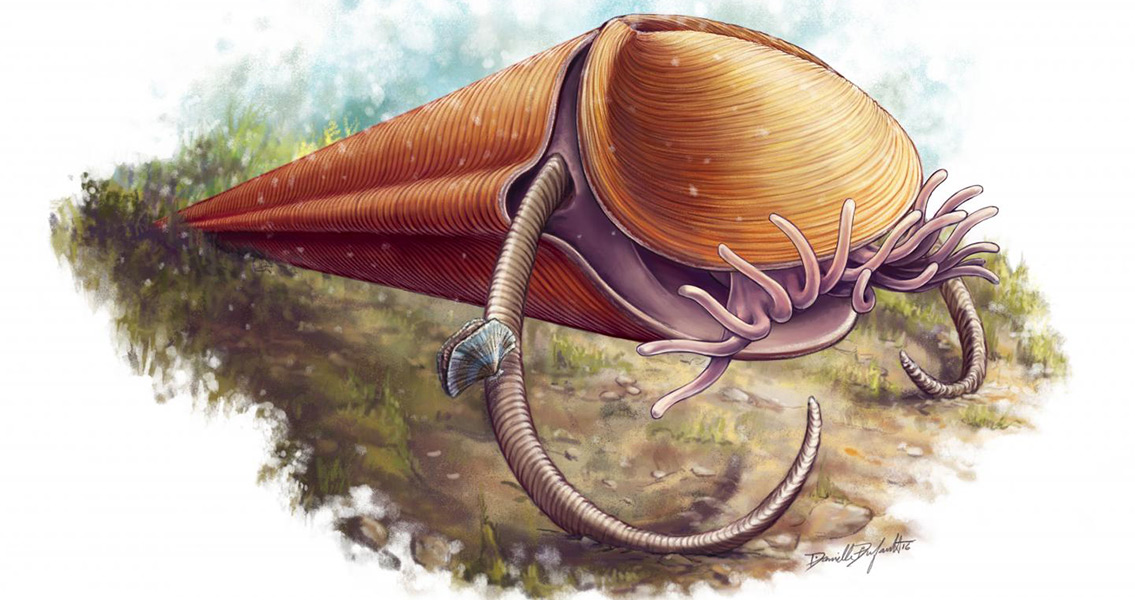
Prehistoric Marine Creatures Identified for First Time

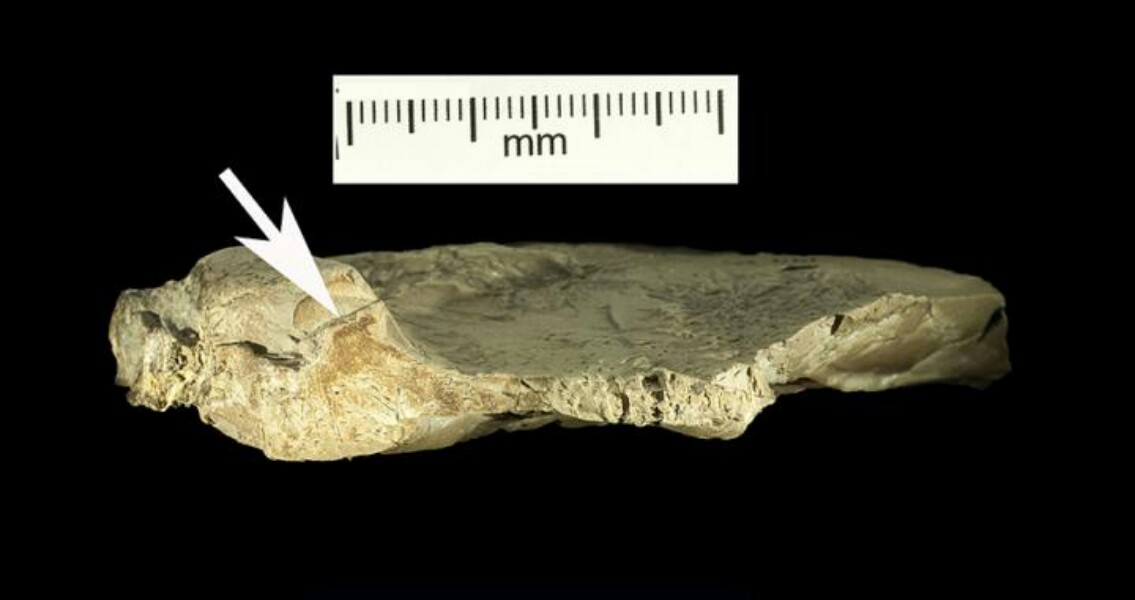
Nature, can be found online here Image courtesy of Artist: Danielle Dufault. © Royal Ontario Museum]]>

Categories
Breaking News

8,500-year-old Silk Found in Chinese Tombs, Oldest Evidence Ever

Live Science. Jiahu had previously been the location of other remarkable archaeological finds; the site has yielded evidence of the earliest known examples of playable musical instruments in the form of bone flutes. Additionally, evidence of what may be the earliest instances of Chinese as a written language was also found on the site. Legend has it that the wife of the Yellow Emperor was surprised when a silkworm cocoon fell into her teacup one day, yielding nearly a kilometer of thread after it was unraveled. While this is of course legend, as far as silk weaving and breeding silkworms for that goal goes, ancient tales seemed to radiate out from Jiahu and the surrounding area, according to archaeologist Decai Gong, the study’s co-author and a scientist from the University of Science and Technology of China at Heifei. Additionally, older research on Jiahu found that mulberry trees thrive in the warm and humid climate of the region; with mulberry leaves being the singular food of silkworms. Researchers collected soil samples from a trio of tombs located at Jiahu. After chemical analysis, two of these three tombs were found to have had silk proteins in their samples. One of these two tombs has been dated to 8,500 years old, making the discovery the earliest evidence of the use of silk in ancient China according to Gong – extending back much further than the previous 5,000-year date. There are difficulties in understanding how silk would have been used at Jiahu, researchers say. However, the scientists made the suggestion that those interred in the tomb might have been wrapped in silk garments. The discovery of weaving tools and bone needles at the site seems to support that idea, as it suggests that the residents of Jiahu possessed the basic sewing and weaving skills needed. In fact, Gong said that it would not have been impossible for those living in Jiahu at the time to have created fabric from silk. The researchers say that they will continue to look for evidence of silk at the Jiahu tombs in the future. Gong added that other nearby sites will also be examined for trace evidence as well. The research study, published recently in the journal PLOS ONE, is available online here]]>

Categories
Breaking News

Excavation of Crusader-Era Castile in Galilee Reveals Much

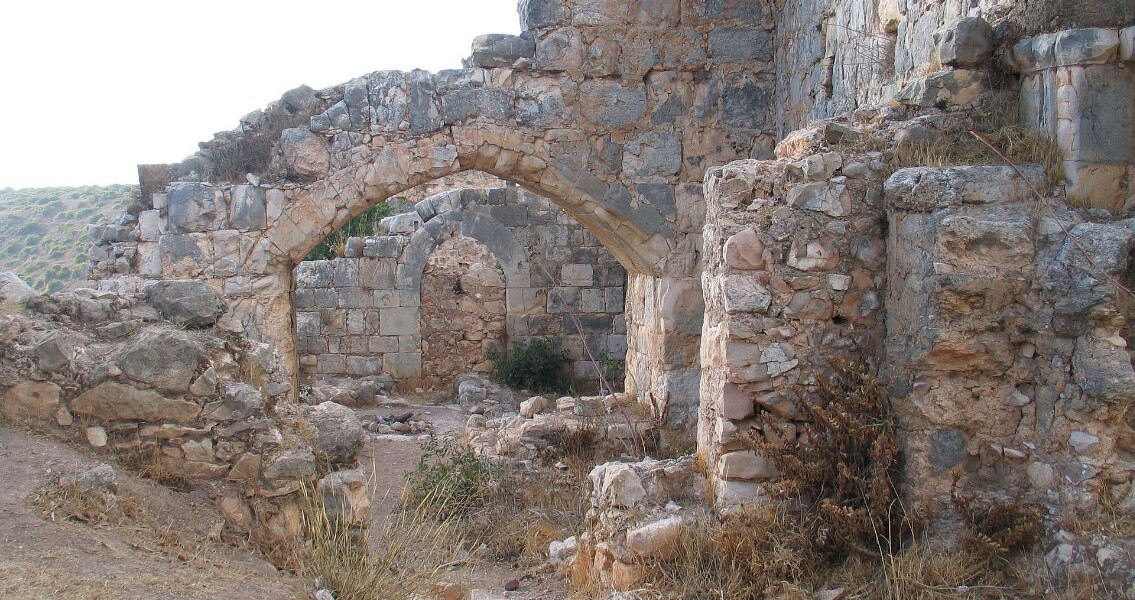
Haaretz, archaeological studies conducted by a team from the University of Haifa have revealed how life would have been like in the Crusader castle, which famously fell to the Mamluks after a 15-day siege in 1271. New finds, collected during the 2016 excavation season, include fragments of armor such as chain mail and scale mail, old arrowheads and iron slag from one of the fortress’ forges. A large cache of glassware and several coins from the thirteenth century were also recovered, according to university professor Adrian J. Boas. Despite the monastic nature of those living there – the military monks of the Teutonic Order – there would have been plenty in the way of creature comforts, archaeologists found. Leisure time activities such as playing Nine Man’s Morris, a common board game during the era, would have been available, judging from the board and game pieces found at the site. A workshop for creating objects from bone like buttons and crossbow nuts was also found, and the diet of the Teutonic knights that lived at Montfort Castle included cattle, sheep, deer, turtles, and hogs imported from Europe, according to the remains discovered at the site. Additional finds at the site include round tunic buttons and belt buttons, providing indications as to how Crusaders dressed and what their grooming habits would have been during the thirteenth century. The castle’s stables were also discovered during the latest excavations, revealing a roof that had been held aloft by beams and a flagged floor. Strewn within the debris were bells, saddling buckles, horseshoes and nails, and axes and shovels as well. The layout of the stables was found to be similar to other Crusader-built ones elsewhere in the Middle East, especially those found at Atlit’s Templar castle – despite the bitter enmity that grew between the Teutonic knights, the Templars, and other Crusader orders such as the Hospitalers. In fact, the location of Montfort Castle may have been partly chosen for its relative isolation. Nestled between several hills, it would have not drawn attention to itself in the way a traditional fortress overlooking farmland, roads or settlements would have. The Teutonic Order likely used it as an administrative center and archives, far from the reach of the Hospitalers and Templars who were vying for control and dominion over Christian holdings in the Middle East. These archives are thought to have survived the siege, even after Mamluk forces captured the fortress. The garrison was spared by Mamluk leader Sultan Baibars, escorting the knights safely back to Crusader-held Acre, along with their records. The sultan destroyed the castle after it was vacated, in accordance with the “scorched earth” policy he had been employing against European invaders as the Mamluks drove them from the Middle East. ]]>