Science Advances, can be found here Image courtesy of Peter deMenocal]]>

Science Advances, can be found here Image courtesy of Peter deMenocal]]>

Lemdubuoryctes aruensis however, the remarkably archaic new bandicoot fossil discovered by Alpin, didn’t live in a rainforest but on an expansive savannah plain stretching from Australia to New Guinea at the time of the last glacial maximum. “While retreating rainforests and spreading grasslands did provide a backdrop for ecosystem change 5-10 million years ago. The Australian fauna likely adapted via changing its distribution rather than undergoing wholesale extinction and replacement,” Michael Westerman, with La Trobe University in Australia, says in the article, adding, “This agrees with our results from DNA, which indicate that modern desert-living bandicoot groups pre-date the onset of aridity by as much as 40 million years.” These timeframes coincide with the proliferation of Eucalyptus woodlands in Australia’s interior. “Bandicoots, like other Australasian marsupials, probably occupied a range of different habitats over many millions of years. However, our study has further implications for future conservation. Arid zone bandicoots are amongst the most vulnerable mammals in Australasia today, with multiple species having gone extinct within the last 100 years. By demonstrating their profound evolutionary antiquity, we can thus serve to highlight how extremely urgent it is to protect these living fossils as part of Australia’s unique biodiversity”, Dr. Kear is quoted as saying in the Heritage Daily article. The study has been published in Scientific Reports. ]]>
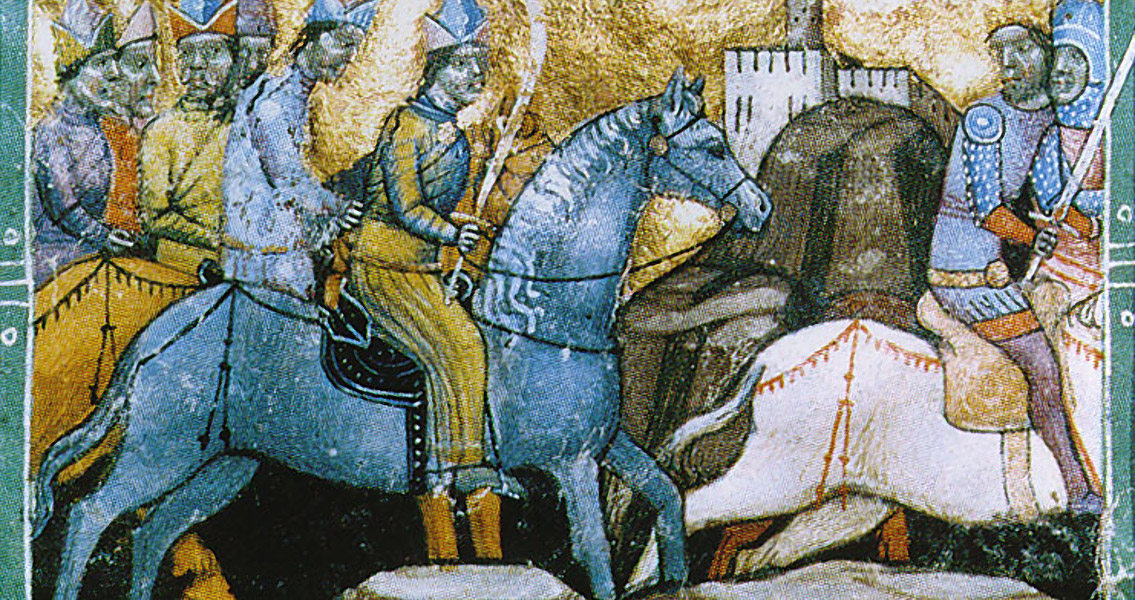
Scientific Reports, a group of scientists claim to have an explanation. The paper argues that the Mongol Conquest of Europe was halted in western Hungary by bad weather. The authors, Ulf Büntgen from the Swiss Federal Research Institute and Nicola Di Cosmo from Princeton University in the USA, believe that the Mongol army simply could not cope with the harsh Hungarian winter of 1242. Natural archives, analysis of environmental drivers and historical records were used to reach the surprising conclusion. In particular, tree ring data was utilised to gain insights into the weather in the region between 1230 and 1250 CE. “Documentary sources and tree-ring chronologies reveal warm and dry summers from 1238–1241, followed by cold and wet conditions in early-1242.” the authors write, in the abstract to their study. Put simply, in the late 1230s, when the Mongol invasion into Europe started in earnest, the warm and dry weather was ideal for the movement of the Mongol army, who were mostly traveling on horseback. The early 1240s were cold and wet, however. Initially this proved advantageous to the Mongols, freezing the Danube and allowing them to cross with ease. When Spring came on the other hand, and the ice started to thaw, the land turned to swamp and the Mongol horses simply could not move. “Small climatic fluctuations resulted in marshy terrain across the Hungarian plain, which led to reduced pastureland and decreased mobility, as well as hampering the military effectiveness of the Mongol cavalry,” the authors said in a press release. “These circumstances arguably contributed to the determination of the Mongols to abandon Hungary and return to Russia.” they explain in their study. Genghis Khan launched the Mongol Conquests in 1206, and within a few years had conquered huge swathes of land, creating the largest empire in history. Following Khan’s death in 1227, his descendants took up leadership of the Mongol armies and pushed into Europe, crossing the Danube in 1242 and killing half of Hungary’s population. Historians have offered a number of explanations as to why the invasion of Europe seemed to end so abruptly. Some have claimed the attacks on Eastern Europe were simply a warning, designed to discourage European incursions into Asia. This reasoning claims that the invasion stopped simply because it was never intended to go any further. Others claim the Mongols were ill prepared for combat in the more densely populated towns of Austria, the next country on their path, or were simply scared off by the defiant resilience of Polish and Hungarian soldiers. A particularly popular explanation is that the death of the then Mongol leader, Great Khan Ogedei, saw the European campaign brought to an end. Büntgen and Di Cosmo however, claim that the Mongol withdrawal shows the remarkable power of the environment to shape the course of history. “While overcoming deterministic and reductionist arguments, our ‘environmental hypothesis’ demonstrates the importance of minor climatic fluctuations on major historical events.” Their research study is currently available online]]>
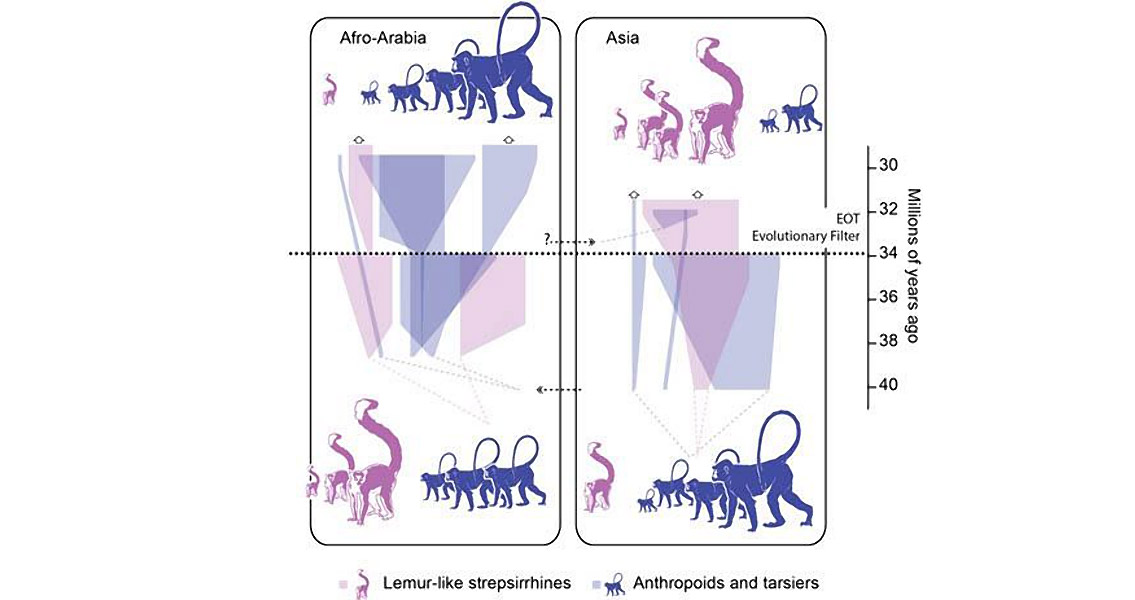
Science. Image courtesy of Ni Xijun]]>

Frontiers in Ecology and Evolution, has attempted to provide an answer to the question of the fate of the Rapa Nui people by taking a holistic approach to new evidence discovered over the last decade. According to records, when Captain Cook first set foot on Easter Island in 1774, only 700 Rapa Nui remained. What caused the island’s population to sink so low is a mystery, but there are a number of popular hypotheses. The prevailing view of the island’s history is that it is a microcosmic example of human selfishness leading to a population’s extinction. This narrative claims that the island was first settled by people from east Polynesia sometime between 800 and 1200 CE. As the island’s population expanded, the people started to over-exploit its resources, triggering an ecological catastrophe which in turn led to a social one. Scientific evidence supports this hypothesis by revealing a period of dramatic deforestation between 1200 CE and 1400 CE. Thousands of obsidian points discovered on Easter Island’s south coast are considered by some archaeologists to be weapons, pointing to a massive war among the island’s population as they started to compete for the dwindling resources. Earlier this year however, that interpretation of the evidence was called into question by a study suggesting the points weren’t in fact weapons. Other explanations suggest that the deforestation was caused by a plague of rats who ate the island’s palm fruit, or that in fact the cultural extinction was a result of Europeans arriving on the island, wiping out the population through slave trading and the unintentional spread of diseases the islanders had no immunity to. The main argument made by the latest study is that the truth of the Rapa Nui’s’ fate can not be explained by a single factor. “These different interpretations may be complementary, rather than incompatible,” said Dr. Valenti Rull, a senior researcher of the Spanish National Research Council in Barcelona, Spain, and the lead author of the study. “In the last decade, there’s been a burst in new studies, including additional research sites and novel techniques, which demand that we reconsider the climatic, ecological and cultural developments that occurred.” Taking advantage of the latest analytical methods, Rull and his team are beginning to shed light on many of the uncertainties in the history of Easter Island. In particular, complete sedimentary samples for the last 3000 years have revealed how drought and wet seasons may have influenced the island’s population. Periods of adverse weather could have affected sea travel to and from the island, leading to periods of isolation. Times of drought could have triggered the deforestation shown in the pollen record. Other evidence, such as radio carbon dating and DNA analysis of artefacts and human remains, has provided insights into Easter Island’s inhabitants. It is now possible to see where the islanders lived, what they farmed and ate, and how other cultures influenced them. By combining all of this newly available evidence, the complexity of the Rapa Nui’s story is being revealed. “These findings challenge classical collapse theories and the new picture shows a long and gradual process due to both ecological and cultural changes. In particular, the evidence suggests that there was not an island-wide abrupt ecological and cultural collapse before the European arrival in 1722,” said Rull, in a press release. The causes of the extinction of the people of Easter Island remains a mystery, but the work of Rull and his colleagues shows that to truly trace the story of the Rapa Nui, a combined approach studying climate, ecology, and culture is necessary. For more information, the study is available here]]>
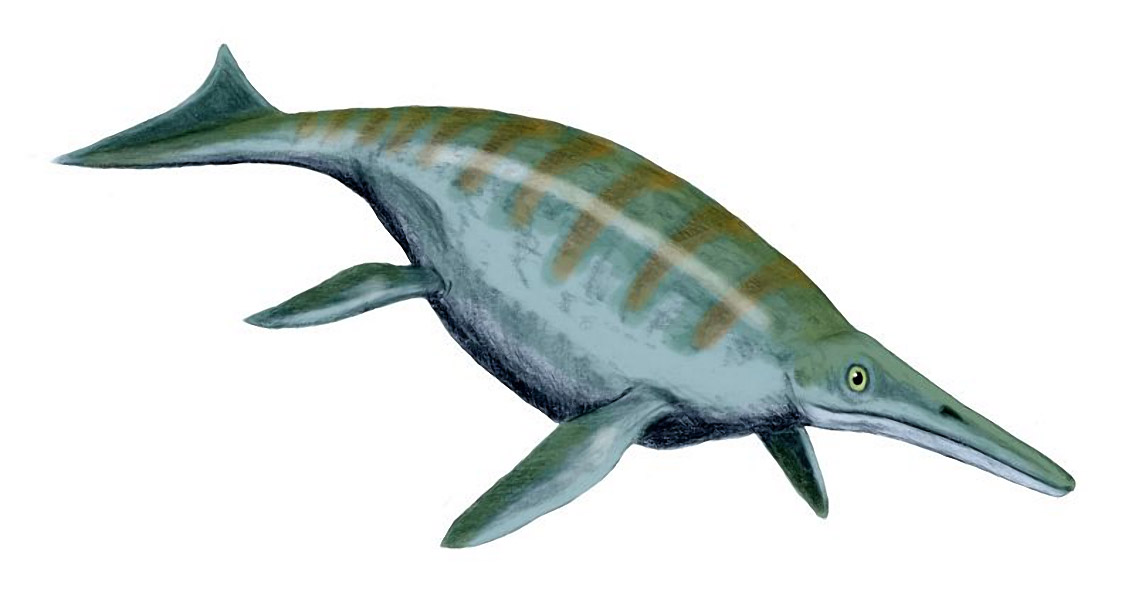

www.pnas.org Image courtesy of Wikimedia Commons user: Natale Carioni]]>

www.pnas.org Image courtesy of Wikimedia Commons user: Heinrich Harder (1858-1935)]]>