 Credit: Wikimedia Commons[/caption]
Toys and games as evidence for early whaling
A visit to a typical Swedish museum will expose visitors to extensive collections of Iron Age board game pieces. Thousands of pieces have been found, helping to paint a picture of early Scandinavian culture and communication. But new studies from the University of York and Uppsala University have analysed the raw materials, showing that these toys were commonly made out of whale bone from the mid 6th Century. Suggesting an advanced method of production, they were created in large volumes and had standardised forms. As a result, researchers believe that a steady access to whale bone would have been necessary; and since it is unlikely that the carcasses of beached whales would have been in rich supply, we’re able to interpret this as evidence for early whaling. Adding to the theory, gaming pieces and toys made from whale bone appear at around the same time as larger boathouses, as well as production features for blubber, were becoming more common in Norway. It’s likely that the toys were made in this region, before being transported southwards and ultimately being used as playthings and burial gifts in Sweden.Whaling in folklore
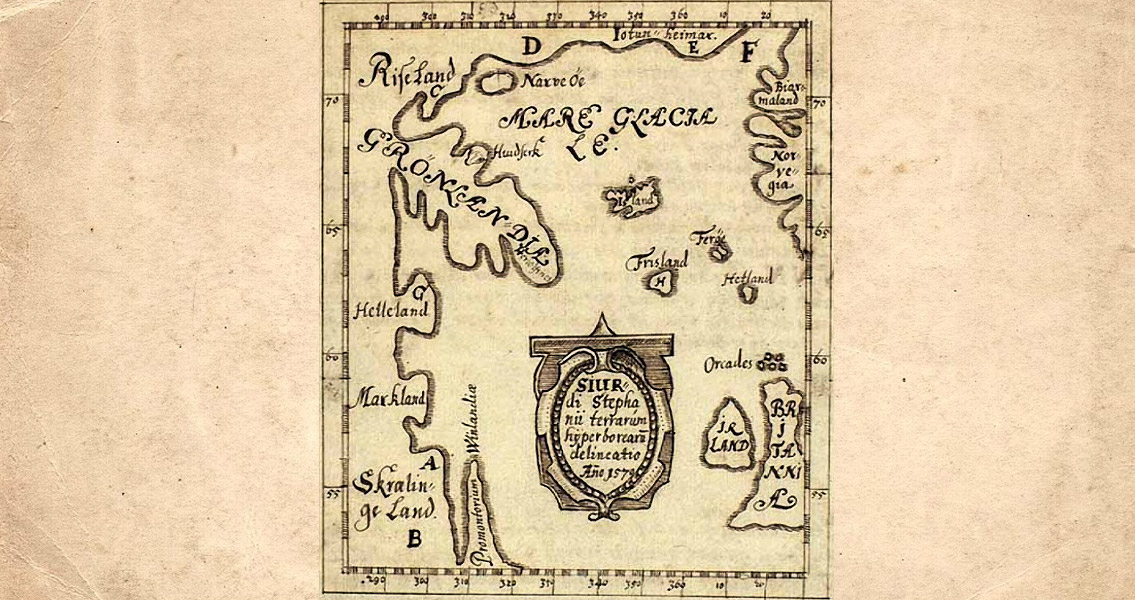
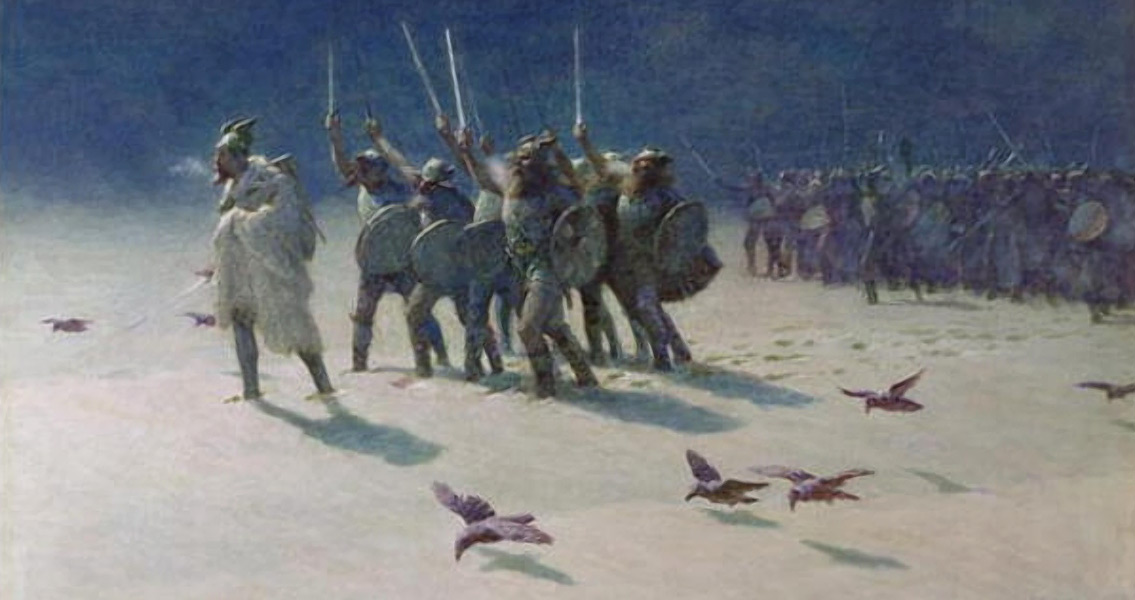
Despite northern Europe’s large-scale whaling being discussed frequently, its origins have long been shrouded in mystery. Alleged sources have been controversial: 9th Century sagas about the Norwegian merchant Ohthere or Ottar, who was a guest and informant at the court of King Alfred the Great, mention his penchant for hunting large whales. Similarly, there are written sources that detect large-scale whaling during the Viking Age in Scandinavia. Neither source is unanimously regarded as true.Determining the species
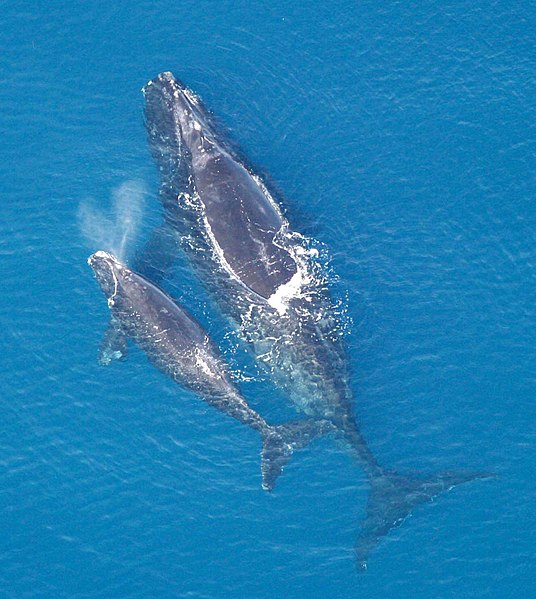
The team was able to determine the materials for a number of game pieces using Zooarchaeology by Mass Spectrometer, or ZooMS. The method revealed that all of the analysed pieces came from the North Atlantic right whale, the Eubalaena glacialis: a huge whale that typically weighs around 50 to 80 tonnes. The animal got its name because it was the ‘right whale’ to hunt. It was known for swimming slowly and close to the shore, and it contained so much blubber that it would float after being killed. With only 300 in known existence, the North Atlantic right whale is one of the world’s most endangered large whales. By shedding a light on the history of its hunt, this research could certainly affect calculations on the development of its population. [caption id="attachment_8733" align="aligncenter" width="500"] Atlantic Northern Right Whale mother and calf. Credit: Wikimedia Commons[/caption]
 Dual Migration Routes to Scandinavia Suggested by new Genomic Data
The first human settlers to Scandinavia arrived by two distinct migration routes, new research suggests. The new study, which has been published in the journal PLOS Biology, also suggests that the resulting mixed population genetically adapted to the extreme environmental conditions.
Although there is consistent evidence of a human presence in the Scandinavian peninsula from around 11,700 years ago, the migration routes and genetic makeup of the first Scandinavians have until now remained elusive.
Researchers from Uppsala University sequenced the genomes of seven hunter-gatherers excavated from across Scandinavia and dated to be between 9,500 to 6,000 years old. They determined from their findings that migrations into Scandinavia likely followed two routes, one from central Europe and one from the Northeast along the Norwegian Atlantic Coast.
The two groups met and mixed in Scandinavia, creating a genetically diverse population with variants that haven’t been passed along to modern Europeans.
Several genetic variants in the hunter-gatherers were found to be linked to a gene associated with physical performance. The study authors hypothesise that this could be part of the physical adaption to cold weather. In addition, the hunter-gatherers had a high-frequency of genetic variants linked to reduced skin pigmentation, a known adaptation to environments with low UV radiation, such as those at high latitude.
“We used cutting-edge genomic approaches to investigate hypotheses about the early colonization of northern Europe after the ice-sheet of the last glaciation retracted. It is really great to see how evidence from different disciplines can be combined to understand these complex past demographic processes,” said population geneticist Torsten Günther, one of the lead authors, in a press release.
Council Accused of Covering Up Major Archaeological Find
North Somerset Council in the UK has been accused of trying to keep a major archaeological find quiet, according to the BBC.
The pre-Christian cemetery, containing over 300 graves, was discovered in the village of Yatton in 2017, during works to develop the land for housing. Some have claimed that the local council attempted to keep the find “hush-hush”, although the council told the BBC that publicising cemetery excavations was not common practice.
“I’m amazed there hasn’t been more public communication between the archaeologists, the developer and the local community – it’s almost scandalous,” Mark Horton, professor of archaeology at the University of Bristol, told the BBC.
“It’s normal procedure – even if the public aren’t allowed inside – to put information on the outside about what’s been found and it does seem to be really bad practice that there’s such secrecy about this project.”
The remarkable site is close to both an Iron Age fort and a Roman hill fort.
An archaeologist for the council claimed that the fact human remains were found at the site meant that information about it was not made widely available to the public.
“It seems like we’ve been covering it up, but it’s common practice not to publicise the excavation of cemeteries like this to avoid risking the integrity of the site,” said Cat Lodge, archaeologist for the council.
Boor Homes, the company developing the site, said in a statement to the BBC that “no identified grave goods” or “datable artefacts” had been unearthed, while the skeletons “are in varying states of survival”.
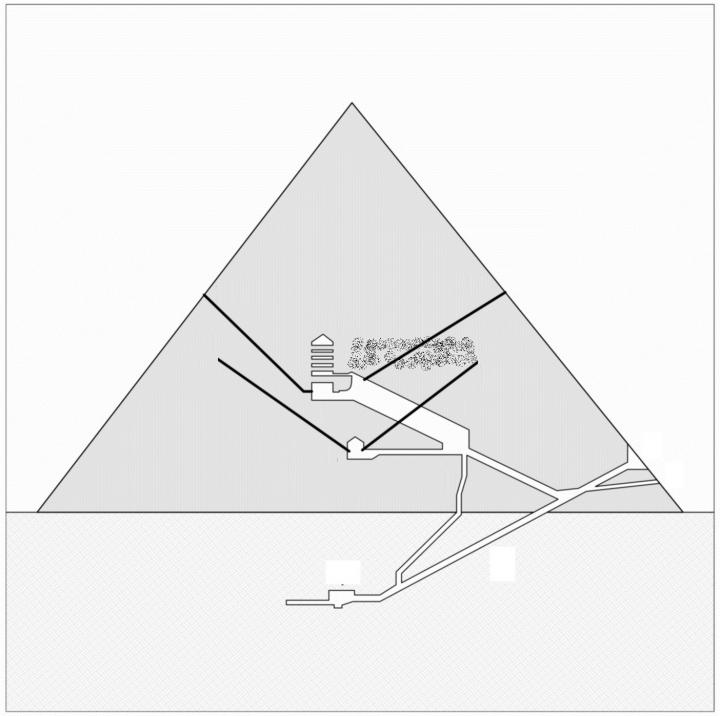
Featured image: North-south section of the Great Pyramid showing (dust-filled area) the hypothetical project of the chamber, in connection with the lower southern shaft. The upper southern shaft does not intersects the chamber (as instead suggested by the section) because, when viewed in plan, it is displaced to the west with respect to the Great Gallery. Courtesy of Giulio Magli]]>