

Top Novini Razgrad reports. Initially, it was a small-scale enterprise, part of a settlement mound, but in later centuries it expanded. The archaeologists actually believe that many of the stone tools from that era found across Bulgaria came from this one workshop, which was “huge” for its time. Besides the flint tools, the team also found a number of other items, including objects shaped as animals and people, bone needles, plaster fragments, loom weights, and cult objects, which led them to suggest that there was a larger settlement in addition to the settlement mound. For now, the excavation works have been suspended but they will be renewed in September, the team leader said. That next stage of the work will extend the dig into a nearby abandoned school in Kamenovo, a small town, dating from 1910. At the time of the school’s construction, several graves were unearthed in what was to be the yard, along with artefacts dating from the same period of the Late Charcolithic. Archaeology in Bulgaria, a historical website, adds that the dig site was researched by a team of French archaeologists fifteen years ago, who believed it was the location of “workshops for prestigious flint tools”. The reason for their suggestion was the fact that such tools were found in the graves of apparently wealthy individuals from the time, providing an early example of social stratification in the region. Flint was the usual raw material for stone tools in prehistoric times in what is now Bulgaria, and it originated as a domestic practice, writes researcher Boryana Mateva in a paper on the exploitation of flint deposits in northeastern Bulgaria. The first flint people used came from the troughs of local rivers and only in later centuries, during the late Charcolith, did flint-tool making turn into an industrial activity in which the raw material was sourced from mines and processed in workshops. These workshops were part of a complex system that involved the mine, where, according to Skorpil, the initial selection of the flint was done (leaving “bad lumps” and taking only the good ones to the workshop); a primary workshop near the mine, where the pieces were initially processed; and a secondary workshop, close to the settlement, where the stones were turned into tools. Image courtesy of Wikimedia Commons user: Didier Descouens]]>
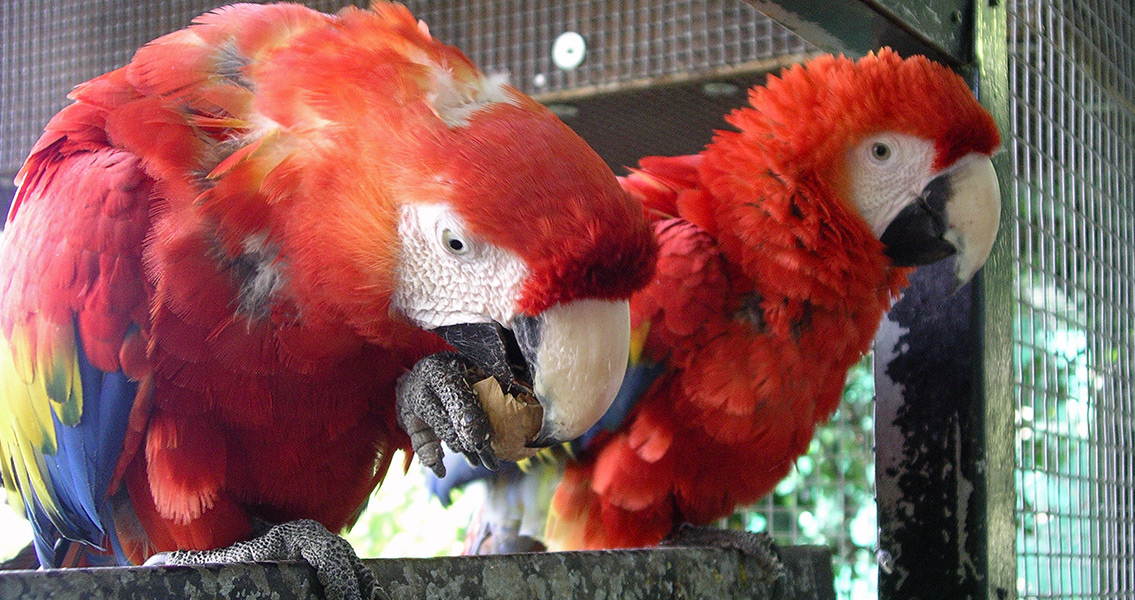
www.pnas.org Image courtesy of Wikimedia Commons user: Snowmanradio with permission from Tropical Birdland, Leicestershire, England. ]]>
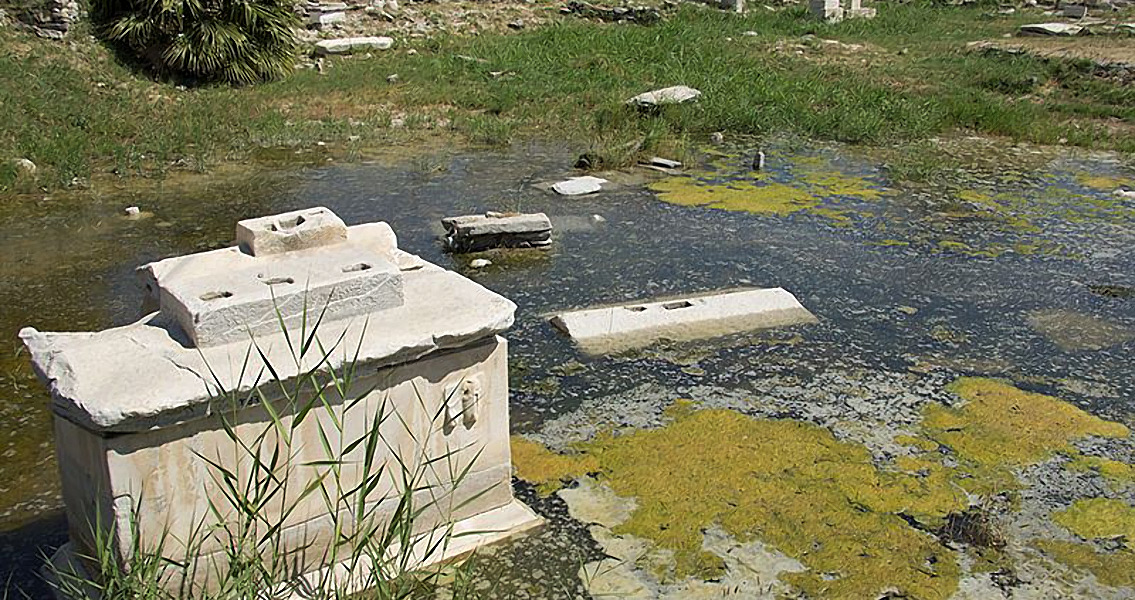
“Walking Dead and Vengeful Spirits” Image courtesy of Wikimedia Commons user: Zde]]>

Vulnerable Apes hypothesis, added another perspective to the question of interbreeding: it may well be the case that the Neanderthal who passed his or her genes to the Oase man also had Homo sapien genes from an earlier hybridisation. This suggestion points to a greater than traditionally believed complexity of human evolution, especially in light of other recent studies that have revealed the Neanderthals were far from the primitive cavemen we used to think they were. For more information: An early modern human from Romania with a recent Neanderthal ancestor Image courtesy of Wikimedia Commons user: Gregory F. Maxwell]]>

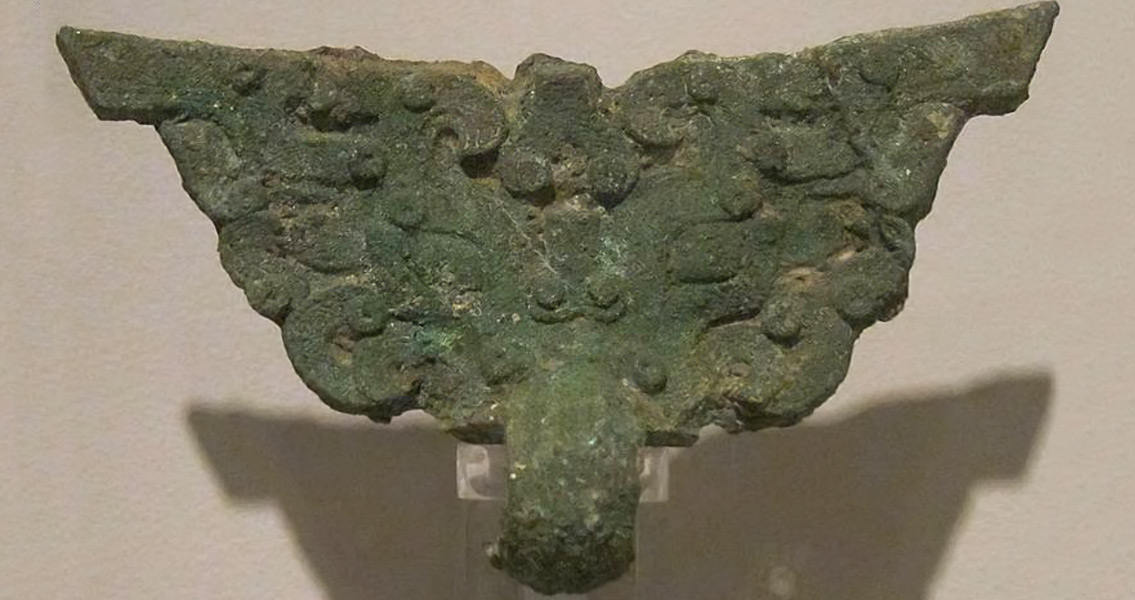
Ancient Origins, shows that the artefact is very old, even though researchers still have to find a way of reliably dating it using radiocarbon or other methods. So far, the surest sign pointing to it being a truly ancient artefact are the symbols decorating it and its very shape. The shape and the symbols appear in different Chinese dynasties spanning a period between 2070 BCE and 256 BCE. There is a dragon figure along the blade, for instance, which was common during the rule of the Shang dynasty, between 1600 and 1046 BCE, but had first appeared during the previous dynasty, Xia, which dominated China between 2700 and 1600 BCE, and was still in use in the dynastic period that followed Shang, the Zhou dynasty (1046 to 256 BCE). According to one of the researchers working on the sword, Siu-Leung Lee, the grotesque mask found on the handle and on the guard of the sword, called Taotie, originates even earlier, in the time of the Liangzhu culture which thrived between 3400 and 2250 BCE. It is, however, most common in artefacts from the Shang and Zhou dynasties. What makes the find even more fascinating is the similarity between the Taotie symbol and a symbol used by the Mesoamerican Olmec culture. This is not the first example of this similarity. Parallels have been drawn between ancient Chinese and Olmec mythology and symbology for a hundred years now. The Olmec culture is actually believed to have originated around 1500 BCE, soon after the rise of the Shang dynasty in China. Some scientists, according to Haskell, believe the Chinese culture had a direct and formative influence over the Olmec civilisation which spread over later cultures in the region, including the Mayans. One such similarity regards jade, which during the Shang dynasty was considered to be more valuable than gold, Haskell notes, both in China and among the Olmecs. The Mesoamerican culture learned how to work jade during its Middle Formative period, between 900 and 300 BCE, a mastery that may have been revealed to them by the Chinese. The author actually compares the extent of Chinese influence on the Mesoamerican culture with the effect of the European conquest of the region in the sixteenth century. In answer to the question how the votive object reached Georgia, Haskell supplies an explanation connected to the travelling habits of the Olmecs and other cultures around the Gulf of Mexico. The cultural influence of the Olmecs spread both into South and North America through neighbourly exchanges with other local cultures. They were also skilled seamen, travelling in dugout-log canoes capable of long journeys, so it is possible that they spread their culture during these journeys as well. it remains to be established, if possible, whether the votive sword was left by Chinese travelers to Georgia or was part of the exchange between the Asian culture and the Olmecs. Image courtesy of Wikimedia Commons user: Hiart]]>
www.nature.com Image courtesy of Wikimedia Commons user: LavaBaron]]>
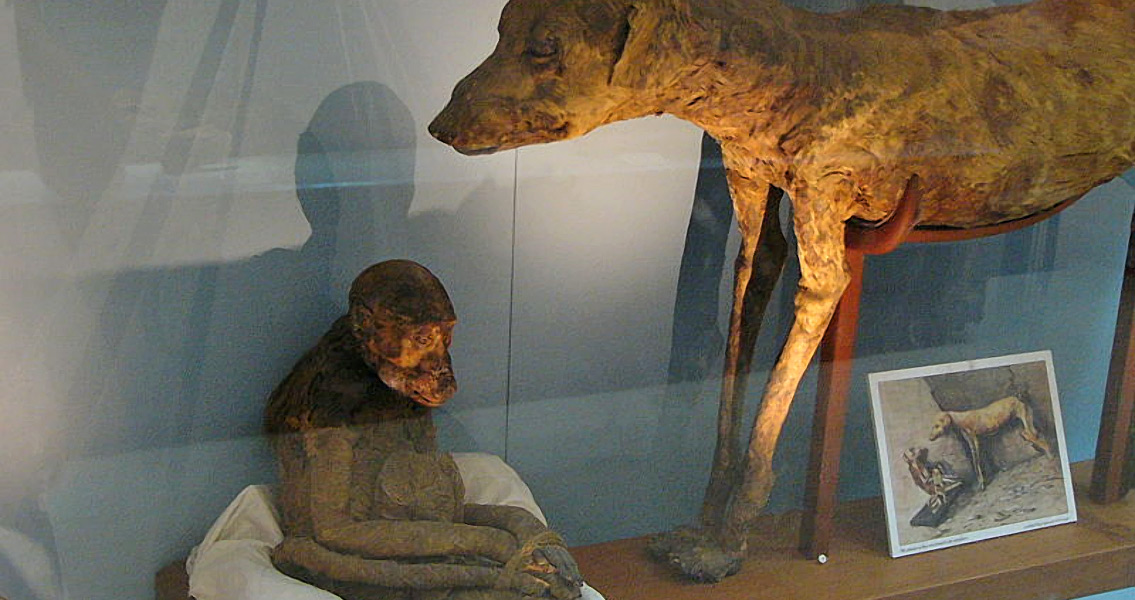
remains at all in the bandages. Team leader Lidija McKnight explained that this could have meant only some soft parts of the animals were mummified, without bones, because every part of the animal was considered sacred enough to qualify as a sacrificial offering. For more information: “The Catacombs of Anubis at North Saqqara” Image courtesy of Wikimedia Commons user: Namiac]]>