
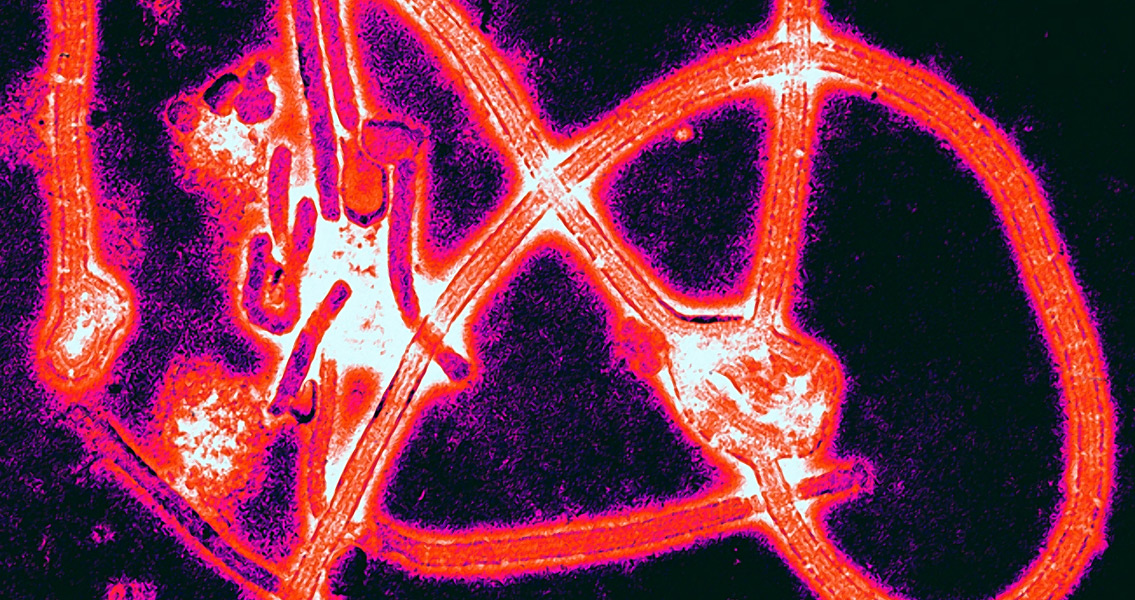
Live Science reports. The first official record of an Ebola outbreak in humans is from 1976, when the disease struck the Democratic Republic of Congo. Yet the Plague of Athens, also called by scientists the Thucydides syndrome because the ancient historian himself contracted it and later recorded the events from the time, had pretty similar symptoms to the viral disease. These included headache, fever, fatigue, stomach pain and pains in the joints as well as severe vomiting, diarrhea, and reddening of the eyes. According to Thucydides, some of the affected also experienced coughs, rashes, seizure, and even loss of digits, perhaps due to tissue necrosis. The illness that struck ancient Greece also caused severe dehydration. Kazanjian is basing his suggestion not only on the similarity of symptoms, however. Based on Thucydides records, the Plague of Athens originated in sub-Saharan Africa, a region the ancient historian and his contemporaries called Aethiopia and also the region where modern outbreaks of Ebola have occurred, the researcher told Live Science. He believes the virus was spread by Africans who had traveled to Greece in search of employment as servants and farmers. In modern times, it has been established that two species of fruit bats native to sub-Saharan Africa are carriers of the disease and since bat soup is a delicacy in the region, there has been a suggestion that this is the way in which the zoonosis passed from the animals to people. The disease in Athens, Thucydides wrote, killed the sufferers within seven to nine days (as Ebola typically does), and only a minority survived. What’s more, physicians and those who attended to the sick were among the first to die, which is true of modern Ebola outbreaks, although this has also been true of other highly infectious diseases through the ages. One further parallel between the Plague of Athens and modern Ebola outbreaks is how fear aggravated the sufferers’ condition and also helped the spread of the disease as people crowded together. Kazanjian writes in his paper that Thucydides’ account of the period provides a historical perspective to how communities react to the outbreak today, often making it more difficult for medical personnel and volunteers to control the outbreak. The latest outbreak of the virus in Africa took 11,000 lives, according to figures from the World Health Organisation, out of around 27,000 people who contracted it. According to WHO records this was the largest Ebola outbreak in history. The Plague of Athens struck the city state during its war with Sparta, the Peloponnesian War, Ancient Origins notes, leading to the death of about a quarter of its population. The cause of the outbreak has been subject to much debate, with suggestions ranging from smallpox and typhus, to bubonic plague and anthrax. Kazanjian himself does not insist that his suggestion should end the debate, admitting the cause of the Plague of Athens “remains elusive.” For more information: “Ebola in Antiquity?” Image courtesy of Wikimedia Commons user: Thomas W. Geisbert, Boston University School of Medicine]]>

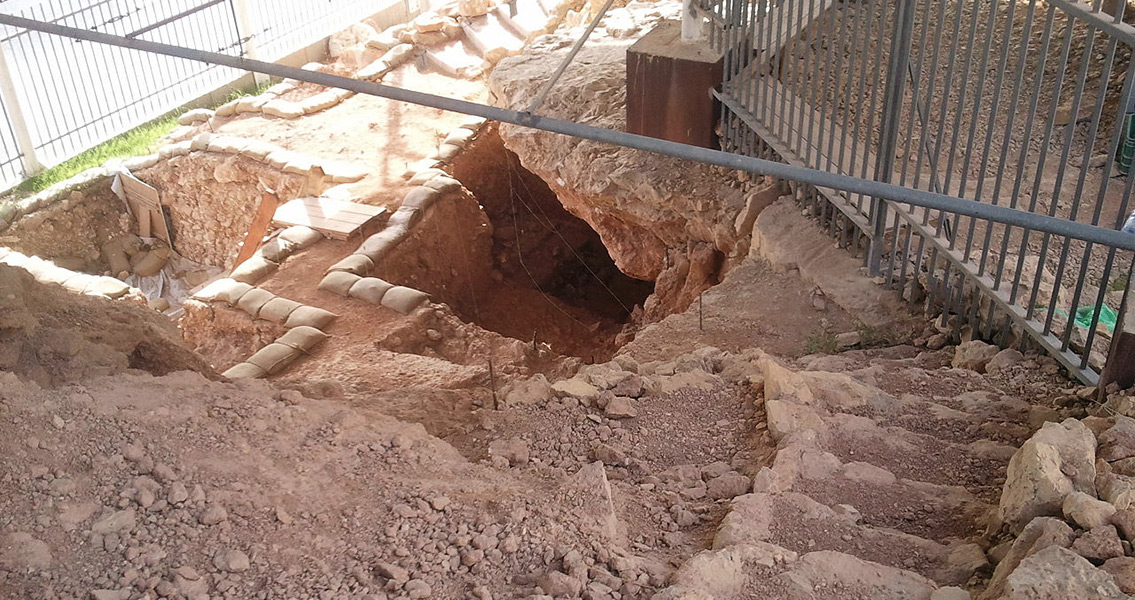
Homo erectus, but had similarities with both Homo sapiens and Neanderthals, perhaps providing further evidence of interbreeding among hominin species. Image courtesy of Wikimedia Commons user: 66AVI]]>
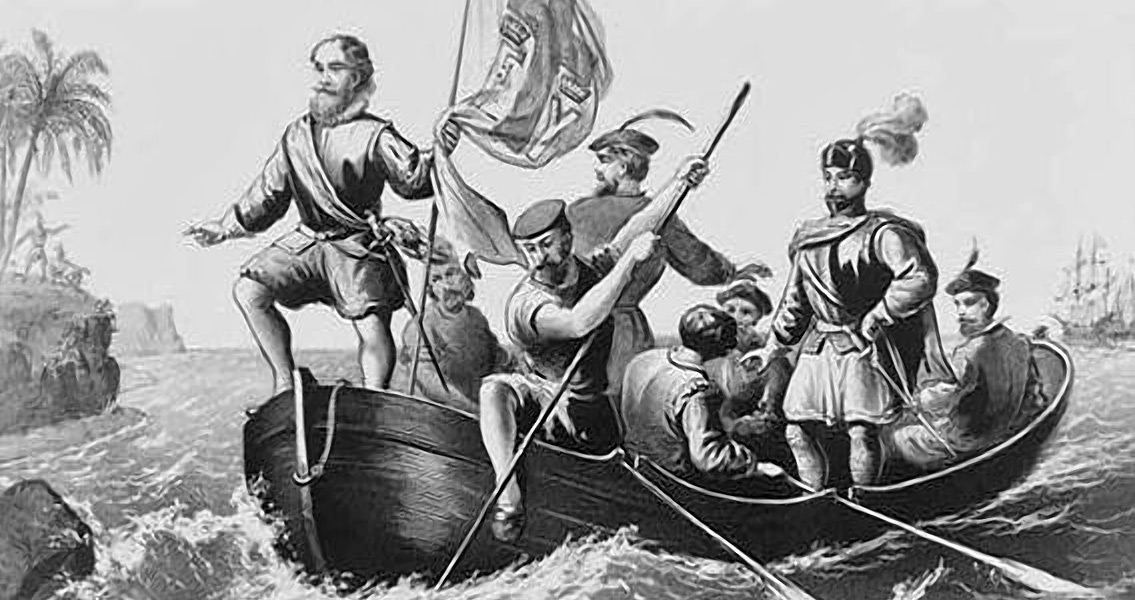
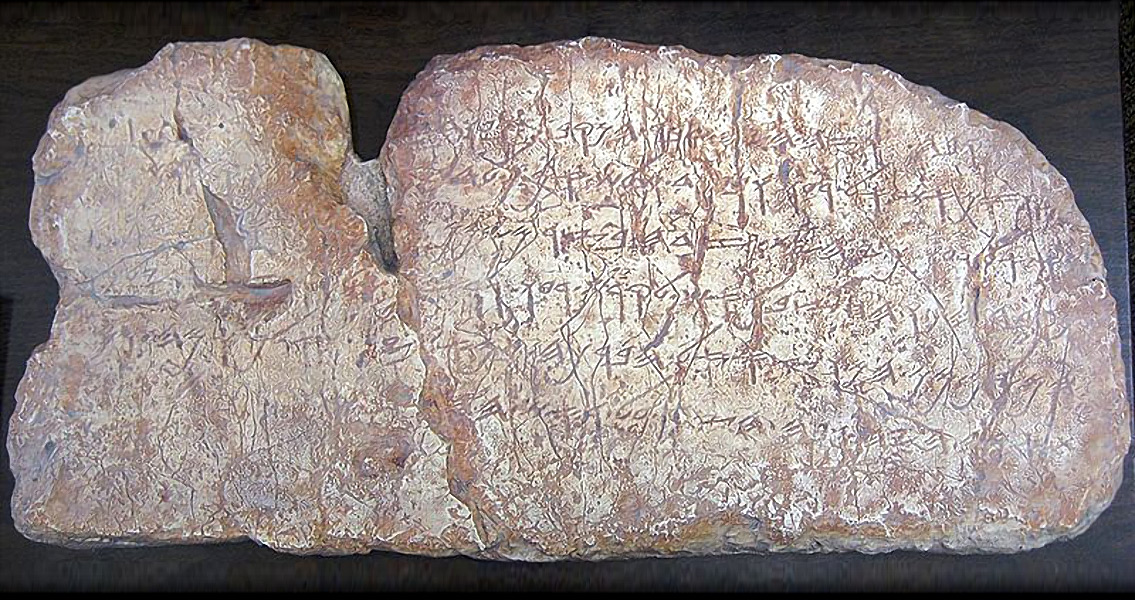
YaleNews that the team had “recovered more information than we dared to hope for.” The historian said that the revealed details strongly indicated that the map – or a copy of it – was used as a basis for the map cartographer Martin Waldseemüller drafted in 1507 which bears the first recorded instance of the New World being labeled as “America.” Van Duzer says that it’s nearly certain that Columbus had gained access to the Martellus map prior to his journey, based on several pieces of historical evidence. A journal kept by a crew member on the initial voyage describes how it was believed that the expedition was sailing by island chains thought to be present in southern Asia according to the Martellus map, with the crew member describing the region using language similar to that found on the map. Additionally, texts originating from Ferdinand Columbus, the son of Christopher, recount how his father had been laboring under the expectation that he would come across Japan where the Martellus map indicated it would be. Columbus had expected to find the island chain in the same orientation and location that Martellus describes; from all the other maps dating to the period that have survived history, only the Martellus map lists this specific orientation and location for Japan. Around 80 percent of the text on the map has been recovered at this point, according to the research team. A published paper will accompany the group’s final findings once the project has been completed. ]]>

Current Biology, has posited that the development of major world religions in the so-called “Axial Age” of 500-350 BCE cannot be traced to the rise of complex political institutions or to growth in population. Instead, the rise of religions such as Judaism (and its eventual offshoots of Christianity and Islam), Buddhism, Daoism, Brahmanism, and Jainism resulted from increases in economic development and better standards of living, according to the authors of the study. A research team from the École Normale Supérieure, led by research scientist Nicolas Baumard, delved into the study of the formation of world religions during the Axial Age in order to make a determination as to what led to the proliferation of such religions concurrently yet in such disparate geographical locations around the globe. The Axial Age was characterized by new beliefs supplanting the older ones commonly held by hunter-gatherer societies. Nomadic cultures from before the advent of agricultural pursuits tended to have spiritual beliefs that focused more along tribal lines and were primarily concerned with warding off misfortune, enforcing taboos, and ritual offerings and sacrifices. In comparison, the researchers point out that once the economic status of civilizations improved – partly thanks to adopting agriculture and focusing less on itinerant lifestyles – abundance for these civilizations increased, leading individuals to begin to have the ability to focus on things besides subsistence. The rapid advancement in living standards which occurred in the Axial Age could have been the catalyst for spiritual development that delved beyond the nomadic campfire ring, the research suggests, although the most rapid and dramatic advances in living conditions were likely reserved for the richer and more powerful members of these societies. According to Baumard and his colleagues, it was at this point that these new religions began to develop and focus more on “personal transcendence” instead of taking ritualized steps to ensure the survival of the group. The study points out that these later religions focused on the “purpose” of human existence independent of survival, “a moral existence and the control of one’s own material desires, through moderation (in food, sex, ambition, etc.), asceticism (fasting, abstinence, detachment), and compassion (helping, suffering with others).” However, Baumard and his team remain unconvinced that morality alone is responsible for successful civilizations. In an interview with Scientific American, the researcher remarked that “some of the most successful ancient empires all had strikingly non-moral high gods. Think of Egypt, the Roman Empire, the Aztecs, the Incas, and the Mayans.” More likely is the idea that morality exists independently from religion or spirituality, and it was only the increased economic security and affluence of these Axial Age civilizations that gave enough breathing room for morality to exist without having to be subsumed by the vicissitudes of tribal survival, a sentiment echoed by other researchers not associated with the new study. For more information: www.cell.com Image courtesy of Wikimedia Commons user: Gunnar Bach Pedersen]]>
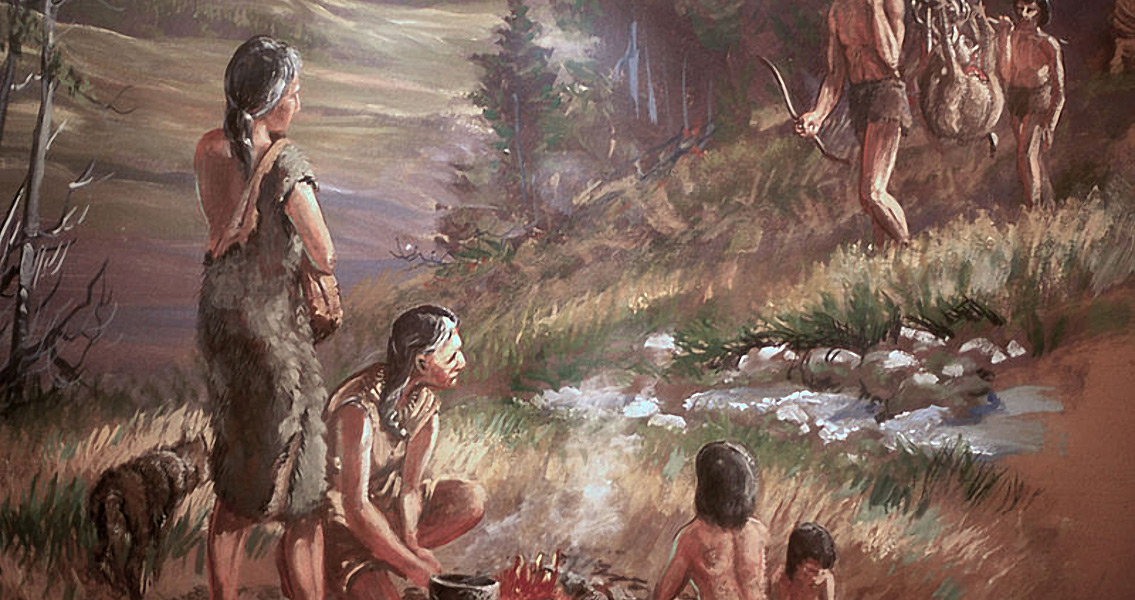
Complexity, Compassion and Self-Organisation: Human Evolution and the Vulnerable Ape Hypothesis ]]>

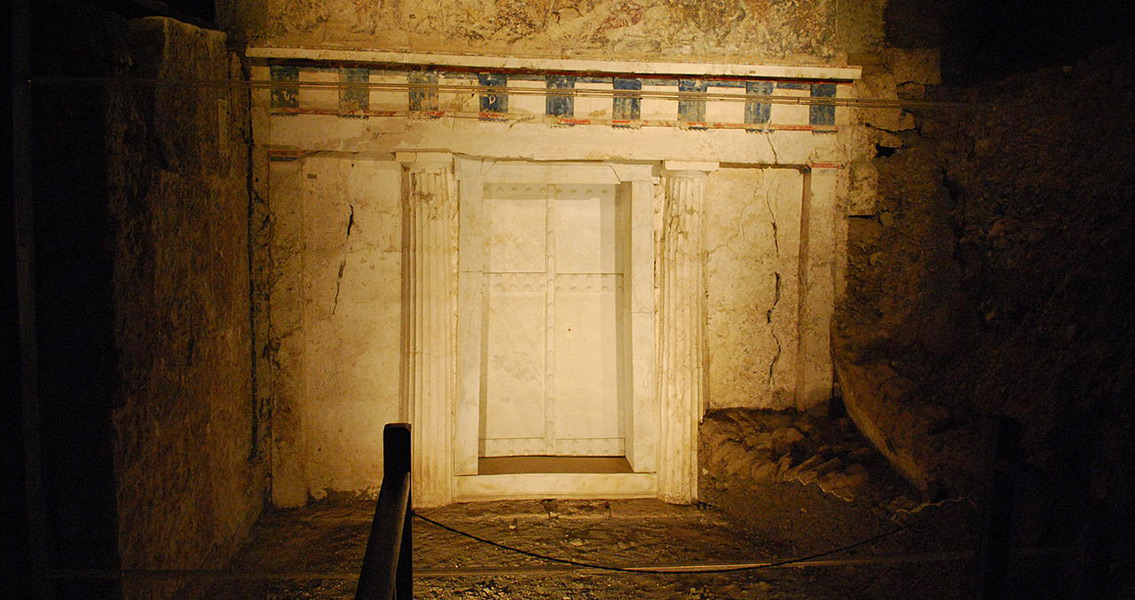
Live Science writes. Antikas told Live Science in an e-mail that all the objects in the tomb’s antechamber apparently belonged to its female occupant and nothing could be linked to the male remains. He added that this suggested the woman was Philip II’s seventh wife, the daughter of the Scythian king Ateas. In addition to the artefacts, the team found she was a habitual horse rider and had suffered a broken leg in the past meaning one leg was shorter than the other, which is why her protective leg gear was different lengths. As for the male skeleton, the researchers tried to find any marks on it that could be used for identification, like University of Bristol anatomist Jonathan Musgrave had done in the 1980’s. He reconstructed the face of the male occupant of the tomb and claimed there was a notch in the bone above one of the eyes, corresponding to a wound sustained by Alexander’s father in battle. Later, however, another scientist, paleopanthropologist Antonis Bartsiokas, argued that the notch noted by Musgrave as a distinguishing mark of Philip II had been a result of the cremation that the body underwent. Cremation is the second line of argument regarding the identity of the tomb’s male occupant. When a dead body is cremated soon after death, with the flesh still on it, bones tend to bend. When the body has stayed in the ground for some time, the bending is not so pronounced as there is not so much flesh. While Philip II was cremated soon after he died, Philip III was first buried, then exhumed a year later and given a royal funeral, including cremation. So far, neither of the two opposing camps has presented any conclusive evidence about the extent of bone bending that would unquestionably tip the scales in one direction or the other. Most scientists that Live Science contacted asking for comments on the new paper, which has been approved for publication by the International Journal of Osteoarchaeology, declined to comment, but one who did was anthropologist Maria Liston from Canada’s Waterloo University. She told Live Science that the dating of the female skeleton was “overconfident” and it was impossible to give such a narrow range given the methods used. What’s more, she said that the Greek team had based its dating in part on the status of the body’s collarbones and the extent of their fusion with the sternum. Liston said that this fusion was usually complete by the age of 29 but the team’s data actually suggested the woman was younger than this, which meant she may have been Philip III’s wife, Eurydice, who was about 20 when she died. It seems the mystery will remain for the time being until some new evidence presents itself or technology develops to a stage that can yield more conclusive results. For more information: New Finds from the Cremains in Tomb II at Aegae Point to Philip II and a Scythian Princess Image courtesy of Wikimedia Commons user: Panegyrics of Granovetter (Sarah Murray) ]]>