here]]>

here]]>



here Image courtesy of Faisal Almathen]]>
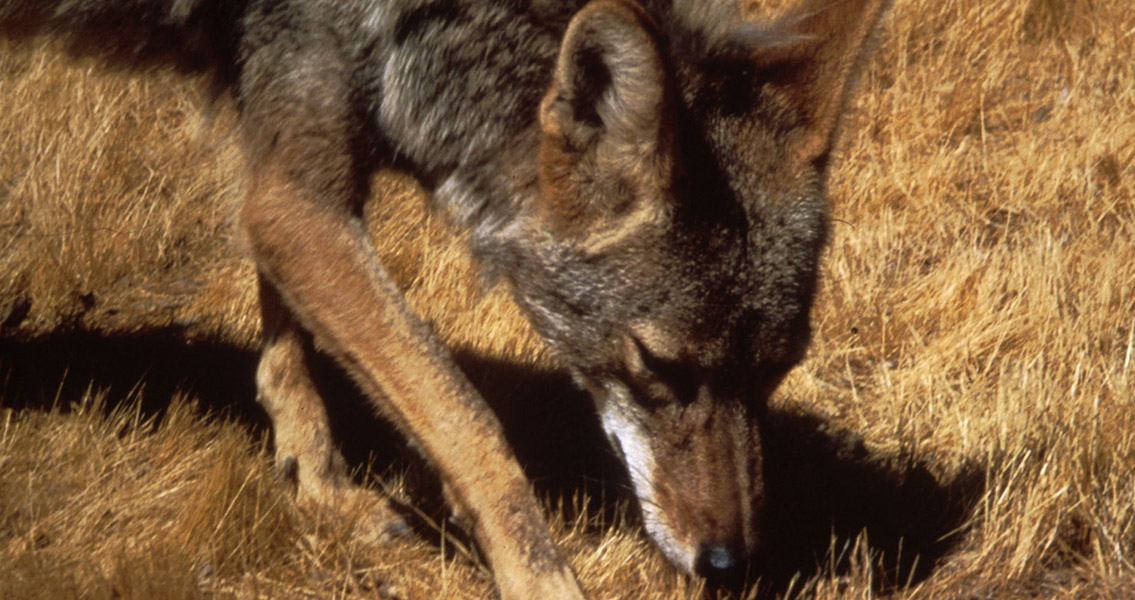
Cynarctus wangi – lived 12-million years ago and is described in a recent study in the Journal of Paleontology. The animal is described as being around the size of a modern coyote, and the specimen is a fossilized tooth, specifically an upper right second molar recovered at the Choptank Formation, part of Maryland’s Calvert Cliffs. Cynarctus wangi was part of the Borophagine canids that roamed eastern North America during the middle Miocene era. Borophagine canids are part of a line of carnivorans that includes wolves, domestic dogs, foxes, dingoes and jackals as well as a variety of other existing and extinct dog-like animals. Referred to as bone crushers, (they are known for their strong jaws and oversized teeth) the Borophagine canids lived across North America from 10 to 30 million years ago. Researchers believe the species probably went extinct because it was unable to compete with other canids. Regardless of the fierce nickname, scientists don’t believe C. wangi was wholly carnivorous. The fossil led them to the conclusion that around two-thirds of its meals were non-meat — the animal was surviving on insects and plants, more like a bear than a dog. Steven E. Jasinski, a University of Pennsylvania doctoral student and the study’s lead author, wrote in the study that what’s especially significant about the find is its location –the discovery of land animal fossils in the Choptank Formation is extremely rare and therefore can provide important information about North America as it was between 12 and 13 million years ago. The Miocene period (extending from 23 million to 5 million years ago) was the first geological epoch in the Neogene Period. The word Miocene means ‘less recent’ and the ‘Epoch’ gained its name due to having 18% fewer modern sea creatures than the epoch which followed it, the Pliocene. The planet moved through the Oligocene, then the Miocene which was followed in turn by the Pliocene, cooling as it did with a succession of ice ages. The Miocene Epoch’s time boundaries aren’t distinguished by any single global event as many time periods are, but by the regional boundaries that occurred between the warmer Oligocene Epoch and the colder Pliocene Epoch. When tasked with identifying the Choptank Formation fossil, researchers considered two different, yet distinctly possible scenarios. First, the geographic and stratigraphic provenance of the specimen could have indicated that it belonged to Cynarctus marylandica, another type of canine whose fossils have been found at the site. The second, and most plausible possibility according to experts, is that the Cynarctus wangi fossils at the site are from a younger strata than the C.marylandica specimen. Either way, this new fossil increases the scant record of the groups that lived in this region of North America and our knowledge of the terrestrial taxa that resided there. ]]>


Science Advances, the latest research was carried out by a team led by Florida State University’s Professor Jessi Halligan, and Texas A & M University’s Professor Michael Waters. Situated a short distance from Talahassee, the Page-Ladson site was the scene of the team’s excavations. It sits some 26 feet underwater, in a sinkhole on the Aucilla river. Its name comes from the Ladson family, owners of the porperty on which the site is located, and Buddy Page, an ex Navy Seal diver who first discovered it. Initial investigation and excavation at Page-Ladson took place over the course of ten years, starting in 1987. Archaeologists James Dunbar and David Webb reported the discovery of eight stone tools and a mastodon tusk displaying what appeared to be cut marks. Believed to be too old to be real, and dubious because they were found underwater; Dunbar and Webb’s findings were ignored by the wider archaeological community for decades. Now, however, they are considered to mark the oldest archaeological site in the southeastern United States. Helligan and Waters maintained an interest in Page-Ladson, believing it was worthy of reexamination. Between 2012 and 2014 they launched a series of dives there, excavating bones from extinct animals, and stone tools. Meanwhile, Daniel Fisher, a vertebrate paleontologist at the University of Michigan, set about reconstructing the mastodon tusk Dunbar and Webb had excavated decades earlier. Fisher discovered that the tusk showed obvious signs of cutting to remove it from the skull, including a series of deep, parallel grooves. “These grooves are clearly the result of human activity and, together with new radiocarbon dates, they indicate that humans were processing a mastodon carcass in what is now the southeastern United States much earlier than was generally accepted.” Fisher said, in a University of Michigan press release. A number of reasons could explain the decision to remove the mastodon’s tusk. Fisher suggests it could have been a means to get to the nutritious tissue in its pulp cavity, while another possible explanation is that the people living in the region used ivory in weapon construction. Whatever the explanation, Fisher’s findings add to the growing body of evidence that humans coexisted with and hunted large mammals such as mastodons and mammoths before they went extinct. “…our work provides strong evidence that early human hunters did not hunt mastodons to extinction as quickly as supporters of the so-called ‘Blitzkrieg’ hypothesis have argued”, explained Fisher. “Instead, the evidence from this site shows that humans and megafauna coexisted for at least 2,000 years.” All of the artifacts unearthed from the site have now been thoroughly examined and carbon dated, providing a surprising revelation that the southeast of North America was inhabited before the Clovis people, widely regarded as the earliest inhabitants of the area, arrived some 13,200 years ago. “The new discoveries at Page-Ladson show that people were living in the Gulf Coast area much earlier than believed,” explained Waters in the press release. “The stone tools and faunal remains at the site show that at 14,550 years ago, people knew how to find game, fresh water and material for making tools. These people were well-adapted to this environment. The site is a slam-dunk pre-Clovis site with unequivocal artifacts, clear stratigraphy and thorough dating.” Distinguished by the unique spearheads they used, the Clovis people are considered among the earliest people to have inhabited the Americas. Originating south of the Canadian ice sheets, they arrived in the New World some 15,000 years ago and slowly migrated southward. The fact that Page-Ladson was inhabited some 14,550 years ago opens up a whole new line of study for archaeologists, and further elaborates our knowledge of migration patterns across North and South America thousands of years before Europeans arrived. “Page-Ladson significantly adds to our growing knowledge that people were exploring and settling the Americas between 14,000 and 15,000 years ago,” Waters said. “Archaeological evidence from other sites dating to this time period shows us that people were also adapted to living in Texas, Washington, Oregon, Pennsylvania, Wisconsin and South America. Clearly, people were all over the Americas earlier than we thought.” Image courtesy of Wikimedia Commons user: Ebyabe ]]>

here]]>