Categories
Breaking News

New Insights into Origins of Multicellular Life

Gonium pectorale, a simple green algae comprising only sixteen cells. Following an international collaboration between Kansas State University, the Universities of Arizona and Tokyo, and Wits University, the genome of the algae has been sequenced, allowing an in depth study of its DNA. Volvocine green algae, the group to which G.pectorale belongs, is an invaluable model system for studying multicellularity. As Durand explained, “The evolutionary transition to multicellularity has occurred numerous times in all domains of life, yet the evolutionary history of this transition is not well understood. However, the volvocine green algae include a diverse variety of unicellular, colonial, and multicellular species.” The volvocine group is a diverse one, meaning it is possible to study members of varying degrees of complexity. They also evolved relatively recently, during the Triassic period, meaning there is enough evidence to study their origns. According to the study, group formation in the algae evolved by co-option of the retinoblastoma cell cycle regulatory pathway. “Significantly, expression of the Gonium retinoblastoma cell cycle regulator in unicellular Chlamydomonas causes it to become colonial. The presence of these changes in undifferentiated Gonium indicates extensive group-level adaptation during the initial step in the evolution of multicellularity.” the authors write, in the abstract to the study. Although only scraping the surface of the complicated transition from single to multicellular organisms, the team have succeeded in uncovering some of the genes that regulate cellular growth and division within the G.pectorale. It helps explain how single cells lived in groups, and could prove a vital starting point in shedding light on other aspects of multicellular transition. For more information: www.nature.com Image credit: The Volvocales Information Project by Aurora Nedelcu]]>

Categories
Breaking News

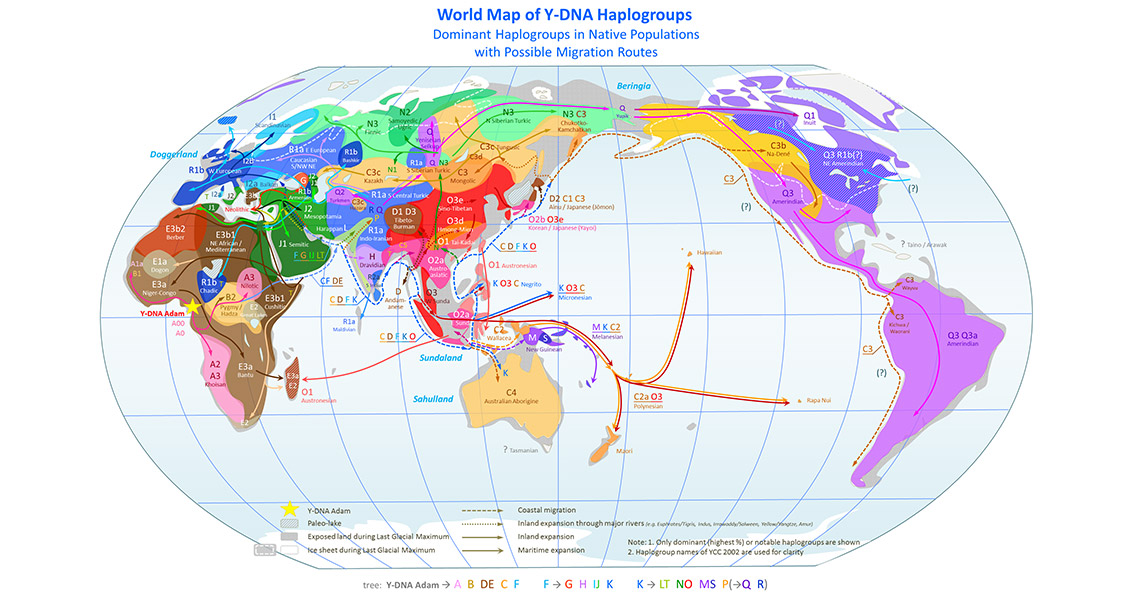
Migration, Technology Behind Ancient Male Population Explosions

Nature Genetics Image courtesy of Wikimedia Commons user: Chakazul]]>

Categories
Breaking News

Picture This – A Female Egyptian Pharaoh

Categories
Breaking News

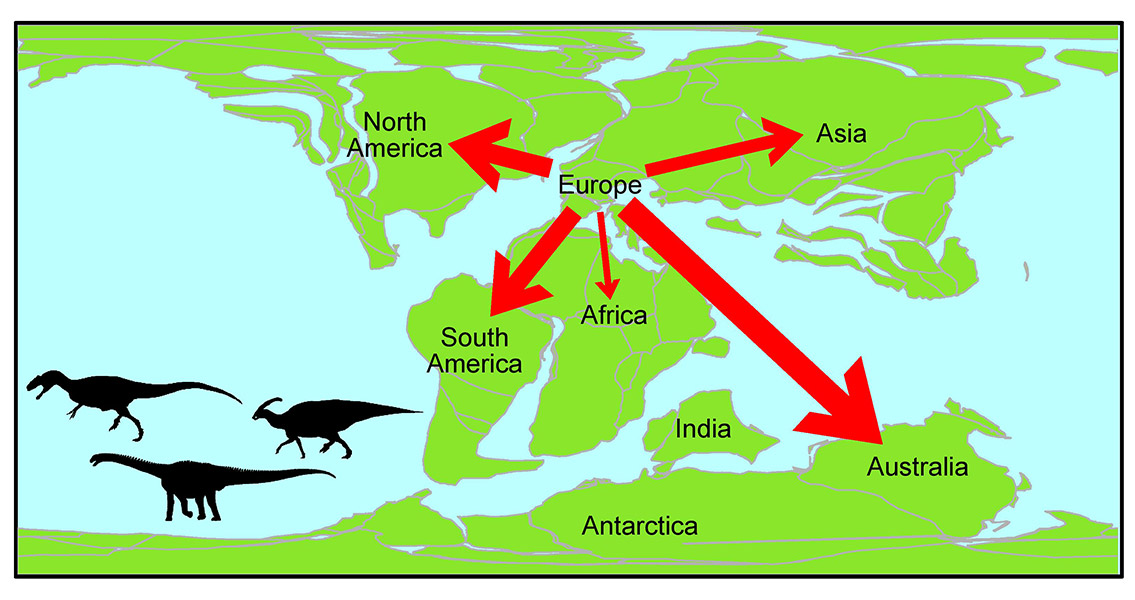
Dinosaur Movement Research Reveals European Exodus

www.onlinelibrary.wiley.com Image courtesy of Alex Dunhill, University of Leeds ]]>

Categories
Breaking News

4,500-Year-Old Mummy Found Near Site of American Pyramids

Andina news agency that the diverse and valuable items the woman was buried with (broaches with animal carvings, a seashell necklace, and a Spondylus pendant) were indicative of her high social status. The items were also suggestive of possible trading between the coastal town of Aspero and the larger inland city of Caral. Radiocarbon analysis dated the mummy to around 2,500 BCE, the same time people of the region started building pyramids, but didn’t offer any information concerning the manner of the woman’s death. Scientists do know that human sacrifice was a rare occurrence within the Caral civilization. The location and method of her burial in addition to the objects found with her also hint at a form of gender equality that allowed both men and women to achieve a higher level of social status and leadership roles. Even though ancient Americans were raising pyramids and building cities at approximately the same time the Egyptians were building the monuments at Giza, much less is known about the ancient people of northern Peru, the Norte Chico as they’re known. Caral has a total of six huge platform mounds (also known as pyramids) as well as several sunken circular courts and giant hive-like buildings archeologists believe served as homes. All of the findings at Caral point towards a complex society capable of undertaking large city projects. The nature and origin of this region of ancient America however, has long been a point of contention between archeologists, with one camp believing that the inland cities grew out of coastal fishing settlements similar to Aspero, while the other camp theorizes that coastal societies originated from inland settlements. While there’s no evidence connecting the 30 or so smaller settlements in the region to a central power, there’s also no evidence to the contrary. Aspero and Caral, along with the region’s other settlements, are known as the Norte Chico civilization, a pre-Columbian culture dating back to between approximately 3,500 BCE and 1,800 BCE. Considered to be the oldest known civilization in the Americas, the Norte Chico civilization thrived throughout the valleys of three rivers; the Patvilca, the Fortaleza and the Supe. Archaeologists have known about the ancient sites scattered across the area since the 1940s at least; archaeological work first took place at Aspero as early as 1905. The most impressive Norte Chico achievement was its massive architecture, which included the large earthen mounds and circular plazas mentioned above. In archaeological terms Norte Chico was a pre-ceramic society during the pre-Columbian Late Archaic; it had no visual art and absolutely no ceramics, just simple carved broaches and seashell necklaces. ]]>

Categories
News

Anniversary of the Bombing of Guernica

Categories
Breaking News

Royal Wardrobe Fished from Wadden Sea Shipwreck

Categories
Breaking News

High Alpine Dairying Could Be 3000 Years Old

PLOS ONE, the authors suggest that these Iron Age pot sherds could have been used in dairying, for example as vessels for heating milk. The results were obtained by carrying out organic residue analysis on the artefacts. If correct, Carrer and colleagues’ research suggests that dairying in the high Alps started much earlier than is traditionally believed. An important economic and cultural tradition, dairy farming in the region is also incredibly complicated. Even today it is a high risk endeavor due to the marginal environment there. The recent history of high alpine dairying is well documented, but the origins of the practice are far more obscure. This is the result of high altitude archaeological sites suffering poor preservation, as well as the generally ephemeral nature of trans-humanistic societies. Previously, archaeologists have postulated that 3000 year old stone structures at several locations in the mountain range mark the point in history when seasonal occupation of the high Alps intensified and new, more elaborate economic strategies were implemented. Carrer’s team took pottery remnants from three of these Iron Age stone structures, as well as several older prehistoric rock shelters, to try and establish when dairy farming started. Through isotope analysis the team discovered dairy lipids on artefacts from each of the Iron Age structures, but none on those from the prehistoric rock shelters. Archaeologists have already established that milk production, at least in lowland settings, started in Europe during the early Neolithic period when cattle and sheep were first domesticated. From this basis however, it has proven much more difficult to glean any additional information on the intensity, geographic distribution and nature of prehistoric dairy farming. It is widely argued that reliance on fermented dairy products such as cheese didn’t come until the Bronze Age, after the adaptation which allowed humans to digest lactose had finally arrived in Europe. The authors of the study believe that high alpine dairy farming provides a unique case study of a nutritious resource being traded as part of the socioeconomic development of a region. “This study showed that its (high alpine dairying) origin can be traced back to prehistory, and that it is deeply related to the socio-economic development of alpine communities and to the transformation of upland landscapes.” they write in the study. High alpine dairying relies on a sophisticated form of landscape management, dependent on in depth local environmental knowledge. By tracing its history, Carrer and colleagues have shown just how resilient the practice is – a successful, long term means of food production. For more information: www.plos.org Image courtesy of Carrer F, et al. PLOS ONE]]>

Categories
Breaking News

Volcanic Activity Connected to Climate Change

Science by the American Association for the Advancement of Science.]]>

Categories
Breaking News

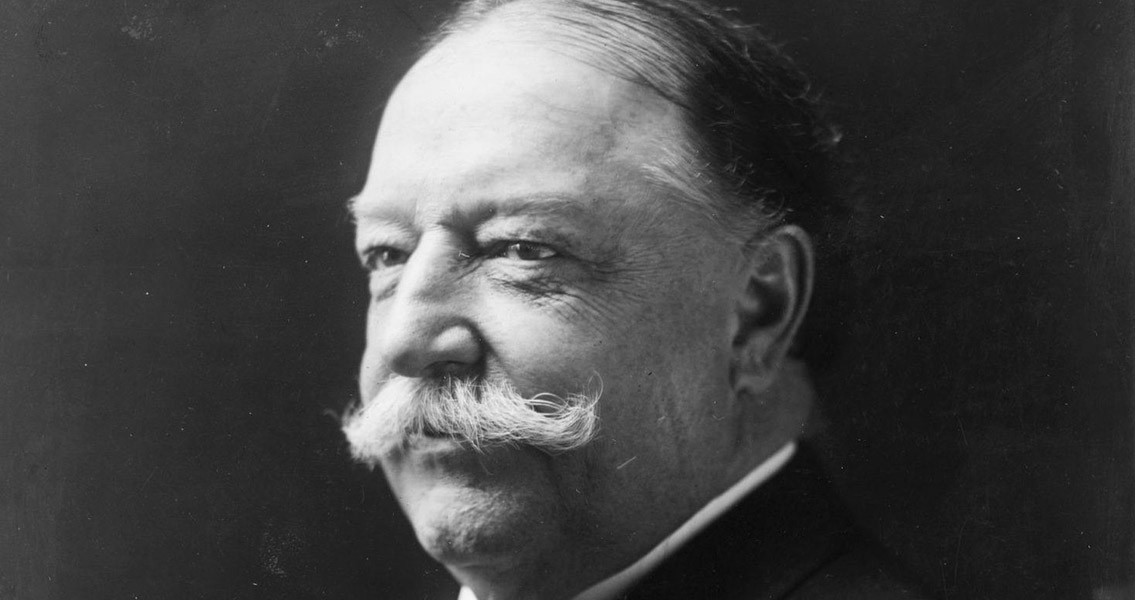
Anti-semitic Letter From Ex-President Up for Auction