Categories
Breaking News

Evidence of Oldest Known Human Ancestor Discovered

Saccorhytus, the miniscule sea creature that resembles nothing so much as a tiny, microscopic sack with a large mouth – a characteristic that some of its descendants today certainly share. The diminutive creature, according to a press release from the University of Cambridge, is the most primitive example to date of a broad biological category of creatures known as deuterostomes. There are several sub-groups under the deuterostome category, including vertebrates. In a recently published research study, scientists from Cambridge, Xi’an China’s Northwest University and other international locations say that Saccorhytus has the honor of being a common ancestor of a massive range of species. Additionally, the deuterostome represents the earliest stage ever discovered regarding the evolution of humans over the course of hundreds of millions of years. There is, of course, nothing even vaguely human when it comes to Saccorhytus. Measuring around a millimeter in size, its habitat was likely the seabed, being small enough to live between individual grains of sand. The microfossil that contained the creature proved to be well-preserved enough for the scientists to make several determinations – including the lack of any orifice for removing waste, such as an anus. In other words, our far-advanced evolutionary predecessor would have expelled waste the same way it came in – unappealing to say the least. One of the main authors of the study, Professor Simon Conway Morris from Cambridge’s St. John’s College, remarked that Saccorhytus looked like nothing so much as tiny black grains to the naked eye. However, under microscope magnification the level of detail preserved by the fossil was nothing less than “jaw-dropping,” the researcher added. Northwest University’s Degan Shu also commented, stating that the research team has a wide array of discoveries to its credit, including a variety of other early deuterostomes like Saccorhytus and also the earliest known instance of what could be classified as a fish. The discovery of the new sea creature, however, provides scientists a glimpse into the very first known evolutionary step of not just humans but also a wide range of related animals, the researcher said. Discovered in China’s central Shanxi Province, the Saccorhytus microfossils have been dated to 540 million years old, a good 20 to 30 million years earlier than the majority of other early deuterostome finds. Researchers were able to construct a picture of how the creature might have looked by isolating the fossils from the surrounding rock and then subjecting them to CT scans and electron microscopy. The amount of limestone the team needed to process in order to access these fossils was massive – approximately three tons, according to co-author Dr. Jian Han, Degan Shu’s colleague at Northwest university. The new research study, which was recently published in the journal Nature, can be found online here Image courtesy of S Conway Morris / Jian Han]]>

Categories
Breaking News

Neanderthals Liked Picking Up Pretty Rocks Too

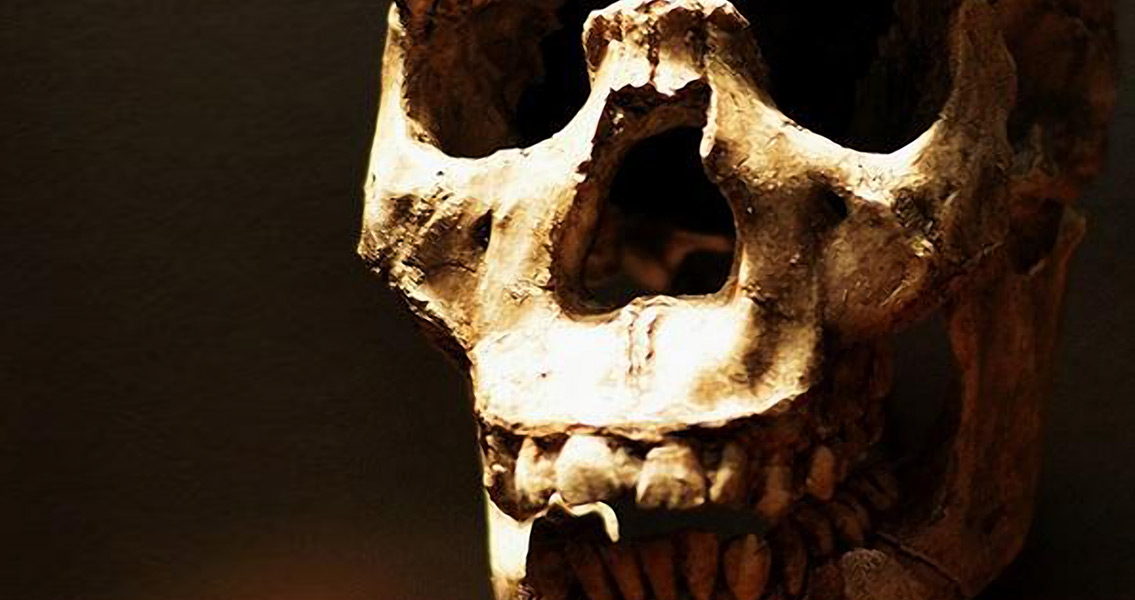
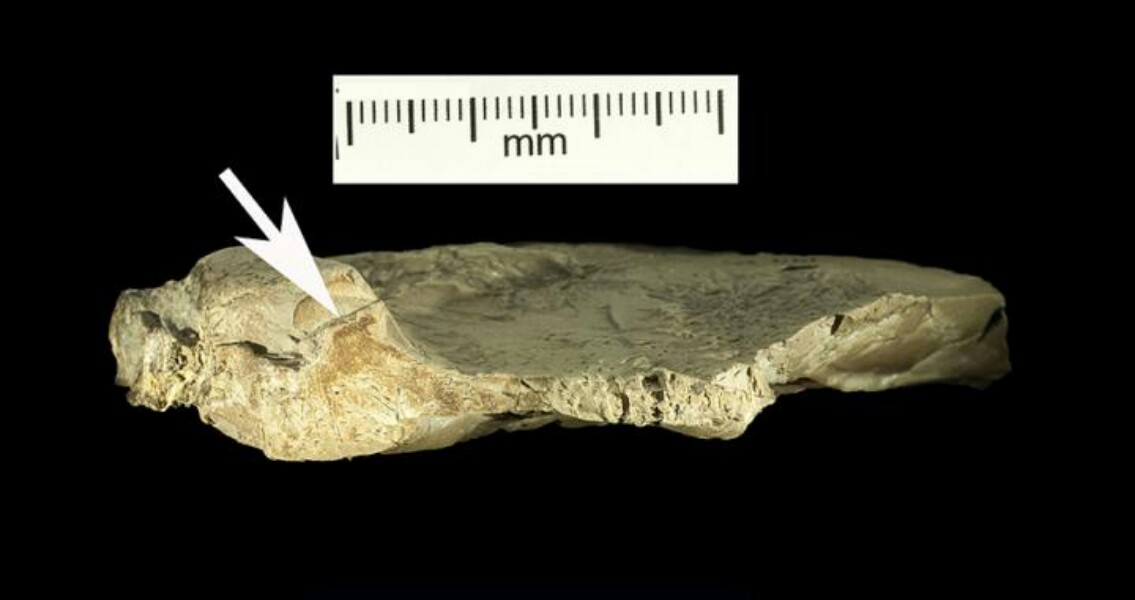
here Image courtesy of David Frayer, University of Kansas]]>

Categories
Breaking News

Ancient DNA, Once Helpful, May Now Cause Cognitive Harm

United Press International, a new research study has revealed how a variant of the gene known as apolipoprotein E (ApoE), long linked to higher risks of cardiovascular disease and cognitive decay in modern urban populations, is likely to have a beneficial, protective effect on non-urban communities in infectious environments. To reach their conclusion, scientists from Arizona State University visited communities in the Amazon to research the impact of the ApoE gene – the first time such a population has been involved in a study of this gene. The study’s lead author, assistant professor Ben Trumble said that studying the Tsimane, an Amazonian community of foragers, presented opportunities to see how the ApoE4 allele would have affected humans in our past, well before industrial development. The tropical environment that the Tsimane live in, which features little in the way of sanitation, electricity, or running water, and a high level of exposure to pathogens and parasites that attack cognition, is akin to the kinds of conditions the earliest of modern humans would have faced, Trumble pointed out. This made the Tsimane an ideal population to study for the effect APoE4 would have had in antiquity. The project subjected many Tsimane community members to a seven-part medical exam and cognitive assessment. The results showed a clear correlation between ApoE4 and cognitive function during parasite infection. ApoE4 carriers within the community that were also infected with parasites demonstrated improved or steady cognitive function. Those without the ApoE4 gene, but who had similar levels of parasite exposure, showed reduced cognition in comparison. Meanwhile, ApoE4 carriers among the Tsimane that had low levels of parasite infections had no protection against cognitive decline. In fact, their rates were similar to those seen in urban, industrialized regions, leaving Trumble to remark that it’s obvious genetic mutations like ApoE4 may help humans survive in more hazardous environments or time periods, but in post-industrial times, which are obviously much more relatively sterile and safe, these same genetic mutations can become a liability. This presents a conundrum – individuals that carry the ApoE4 gene are the descendants of individuals who likely needed the mutation to survive in the face of high levels of parasitic infection. Now that many post-industrial societies have grown beyond the need for such genetic protections, the mutation that once kept their ancestors’ minds safe from cognitive decay might end up causing it – a lesson in irony, to say the least. More research into ApoE4 is being conducted to broaden modern science’s understanding of the gene. Some studies have already shown that APoE4 carriers may benefit from heightened childhood development and protections against some infections like hepatitis and giardia. The research study, appearing in the journal of the Federation of American Societies for Experimental Biology (FASEB), can be found online here]]>

Categories
Breaking News

Denisovan DNA May Be Behind Inuit’s Cold Tolerance

here]]>

Categories
Breaking News

Tibetan Mastiff’s Hardiness Comes From Ancient Wolf Interbreeding

Molecular Biology and Evolution, can be found here Image courtesy of Zhen Wang, Shanghai Institutes for Biological Sciences, Chinese Academy of Sciences, Shanghai, P. R. China ]]>

Categories
Breaking News

Natural Selection Eliminates Neanderthal DNA in Humans

journal PLOS Genetics, can be found at http://journals.plos.org/plosgenetics/article?id=10.1371/journal.pgen.1006340 Image courtesy of Jaysmark, Flickr, CC BY]]>

Categories
Breaking News

Chinese Fossilized Fish Sheds New Light on Jaw Evolution

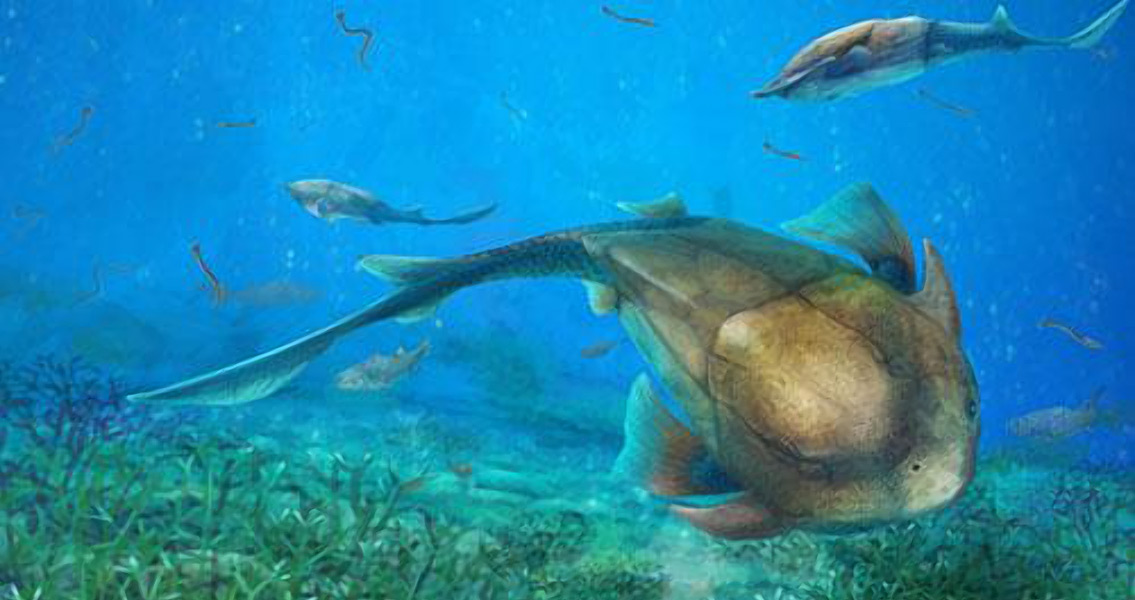
Qilinyu rostrate, a fish-like Silurian placoderm species, has led to new information regarding the evolution of the jaw in vertebrate species. The roughly 423 million year old fossil is approximately 126 millimeters in length – with an estimated total body length for the creature of 20cm – and is associated with several different species including the Guiyu and Megamastax (classified as osteichthyans), the Entelognathus (a maxillate placoderm) and the Dunyu (a galeaspid). Osteichthyans, which include tetrapods and bony fish species, have facial and bone structure differences when compared to placoderms. The discovery of Entelognathus revealed a placoderm with many facial characteristics more suited to osteichthyans, but the relationship between Entelognathus’ development and the rest of the placoderms from the same time period remained uncertain until this new discovery. According to a recently published research study by the Chinese Academy of Sciences, Sweden’s Uppsala University, and the Institute of Vertebrate Paleontology and Paleoanthropology of Beijing, the new Qilinyu fossil bridges the gap between placoderms such as Entelognathus and osteichthyans. The new specimen, according to the team of international researchers, has dentary, premaxilla, and maxilla structures that are constructed in the same way as the gnathal plates of less advanced placoderms while also predating the addition of certain lower jaw bones that characterized the evolutionary move away from gnathal jaws to maxillate ones. According to Uppsala University professor Per E. Ahlberg, one of the authors of the new study, examining the jaw bones of both Qilinyu and Entelognathus reveals that both fish species combine the characteristics of placoderm gnathal plates and bony fish jaw bones. Extrapolating from these findings, Professor Ahlberg remarked that if gnathal plates from placoderm species represented an inner jaw arcade that was similar to certain bones of bony fish species, there would be an expectation to find gnathal plates in distinct locations in Qilinyu and Entelognathus. With no evidence of these gnathal plates, the professor states that one interpretation of this is to conclude that the jaw bones of humans are lightly remodeled gnathal plates of placoderms, accomplished through several hundred million years of evolutionary process. Based on the team’s findings, Professor Ahlberg remarked that it looks as if substantial anatomical details of humanity can be traced back even beyond early bony fish species, into the Silurian period in the form of these “ungainly” placoderm species. The scientific community has largely agreed with the team’s findings, with John Long, the Society of Vertebrate Paleontology’s president and professor from Australia’s Flinders University, commenting that the new insights into Qilinyu help to fill a large gap in the evolution of vertebrate jaws. The new research study, published recently in the journal Science, can be found online here Image drawn by YANG Dinghua]]>

Categories
Breaking News

Prehistoric Sex: The Spread of DNA – and Sexually-Transmitted Infections

Categories
Breaking News

New Research Says Neanderthals Were Jewelry-Makers

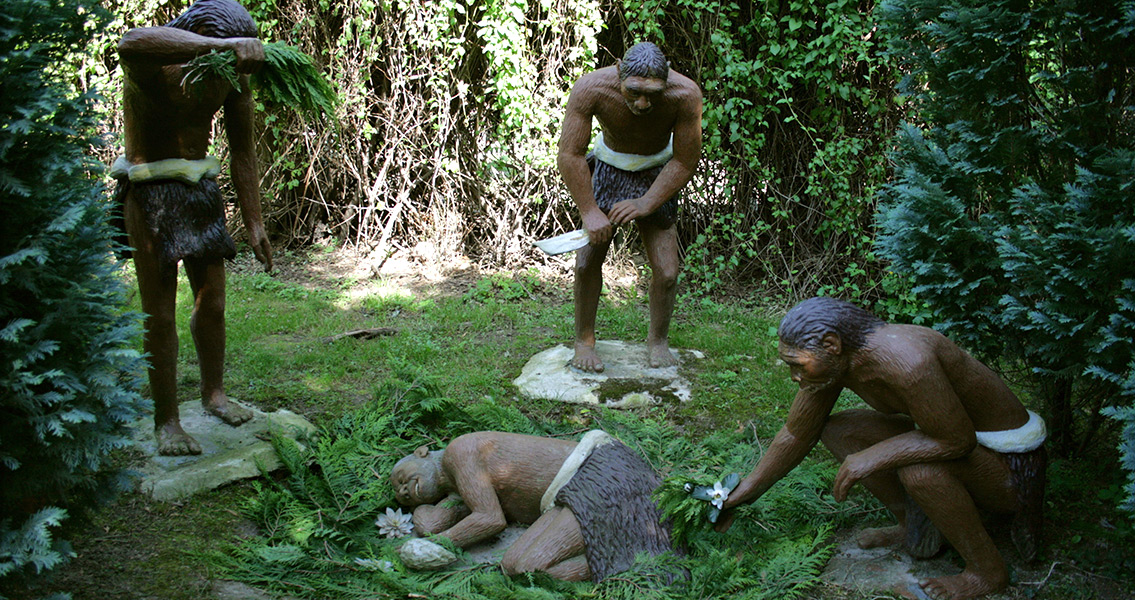
Science, other scientists have been touting the new research as “a landmark study” proving that Neanderthals had enough intelligence to make these cognitive symbolic leaps. Much of the controversy stems from the date of the artifacts, as they were made around 42,000 years in the past – a time when Neanderthals were well in decline while modern humans were spreading across Europe and replacing them. However, after University of York bioarchaeologist Matthew Collins examined some of the unidentified bones discovered at the dig site and found them too small to use more traditional DNA identification methods on, he and his colleagues made the decision to use the new ancient protein analysis method instead. Analysis proved conclusively that the bone fragments were human, but it was still unclear if they had once belonged to a modern human or an archaic species such as a Neanderthal. To further pinpoint the identity, Collins and his colleagues conducted a comparison of the collagen within the fragments to those produced by modern humans and those produced by archaic humans. Collagen in Neanderthals contained high levels of an amino acid known as aparagine, as evidenced from previously-sequenced Neanderthal DNA; modern humans do not produce aparagine but instead have aspartic acid in their collagen. The researchers found evidence of aparagine amino acid, pointing to the bone fragments being of Neanderthal origin. Additionally, the type of collagen within the bone is only present in types of bone that are still growing, which combined with the presence of nitrogen isotopes associated with breast-fed children has led the scientists to believe that at least a portion of the bone fragments were from a Neanderthal infant. The findings have fanned the flames of debate when it comes to claiming that Neanderthals were incapable of creating symbolic jewelry of the type found on the site. It may be, according to some scientists, that Neanderthals living on site learned of the tools and techniques used for creating such jewelry from modern humans migrating to the area. The new data points towards renewed evidence that our archaic human cousins created these pieces of art themselves. Collins and his research team’s new study, published in the Proceedings of the National Academy of Sciences, can be found online here]]>

Categories
Breaking News

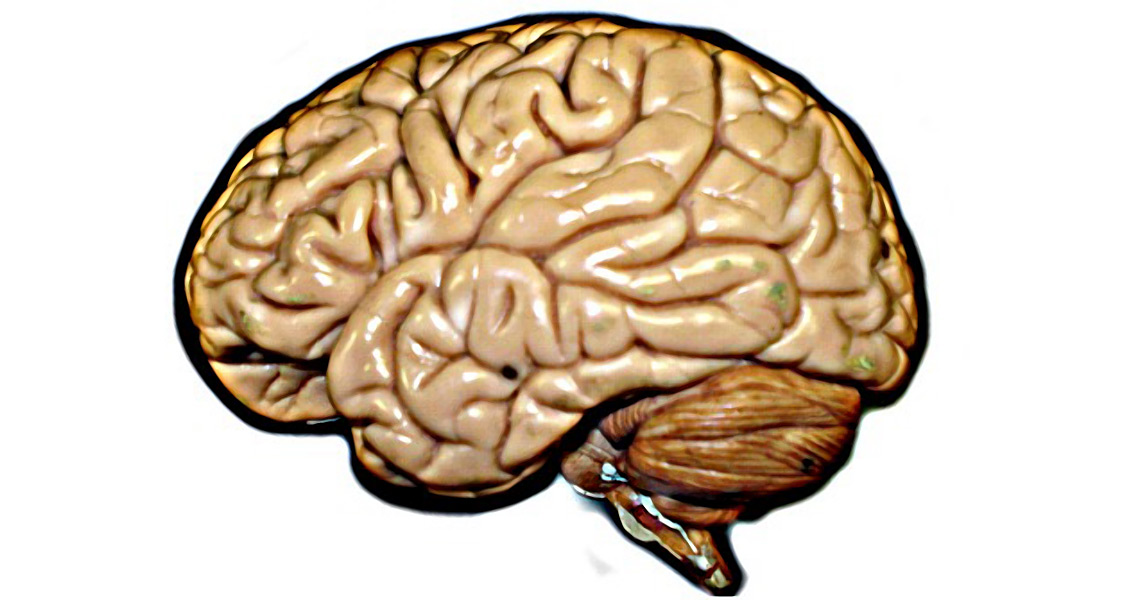
Blood Supply to Brain Linked with Human Intelligence

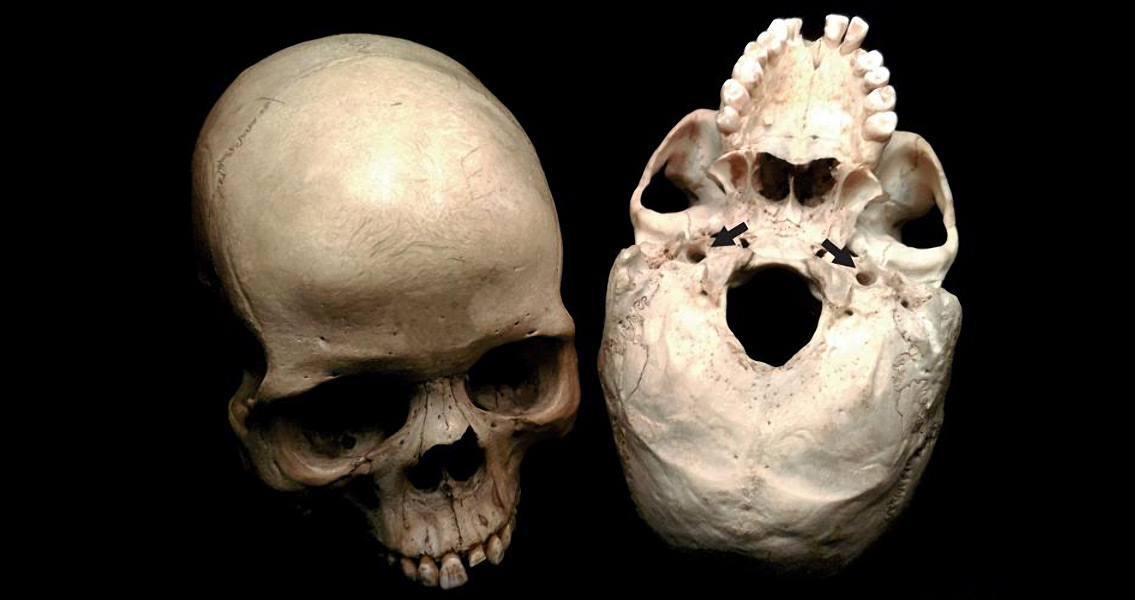
here Image courtesy of Edward Snelling. Sourced from the Raymond Dart Collection of Human Skeletons, School of Anatomical Sciences, Faculty of Health Sciences, University of the Witwatersrand.]]>