Categories
Breaking News

Did Neanderthals and Leopards Exist Side-by-side in Italy?

LiveScience, an ancient bone found in 2014 by Renato Bandera, an amateur scientist, turned out to be the shinbone of a leopard. The find was made in northern Italy on the banks of the River Po, not far from the entrance to Cremona’s harbor. The fossilized bone, which Bandera donated to the Paleoanthropological Museum of Po in San Daniele Po, is not the first specimen to be found in the region. Indeed, many fossils discovered nearby have led researchers to suggest a number of species made their home there, from elk, rhinos and giant deer to woolly mammoths, steppe bison and straight-tusked elephants. However, finding the fossilized remains of carnivorous species is much rarer. Only a handful of fossils from foxes, hyenas, wolves, and bears have been discovered in the region; the newest discovery – that leopards were present as well – fills in a major gap in our knowledge of the ecology of the time period. Researchers say that the leopard was likely just shy of 100 pounds, was around 3.6 feet long and had a 2.8-foot tail, all according to the size of the shinbone. Davide Persico, the study’s co-author and a paleontologist from the University of Parma, said this suggests the creature was either a young male or a large female. While the exact age of the fossilized remains has yet to be pinpointed, fossils found nearby place the leopard remains in context. According to Persico, the leopard is likely to have lived up to 180,000 years ago. The presence of leopards in Europe isn’t unheard of, especially since previous research has discovered evidence of the large cat living on the continent during the Pleistocene. The oldest known example of leopards living in Ice Age Europe comes from Vallonet Cave, a site in France that yielded leopard remains dated to between 900,000 and 1 million years old. Researchers said that as the climate continued to shift colder, leopards would have migrated closer to the equator. As a result, the large felines would have moved down from the mountainous regions into the Po River plain – and would have lived there at the same time as Neanderthals. In fact, the only other leopard fossils in Italy were found in the Apennines and the Alps exclusively. The fossil discovery shows that this ancient leopard species was not limited to the mountains, remarked the paleontologist. Persico drew a connection between ancient leopards and modern ones, stating that both have demonstrated the ability to adapt to different climates. Modern leopards do indeed demonstrate a wide distribution, in fact the largest of any wild cat. The largest spotted cats in modern-day Asia and Africa, leopards range from mountainous regions to forests, grasslands, and even semi-arid deserts. The new research study, published in the journal Quaternary International, can be found here]]>

Categories
Breaking News

New Digital Archaeology Techniques Reconstruct Pompeii

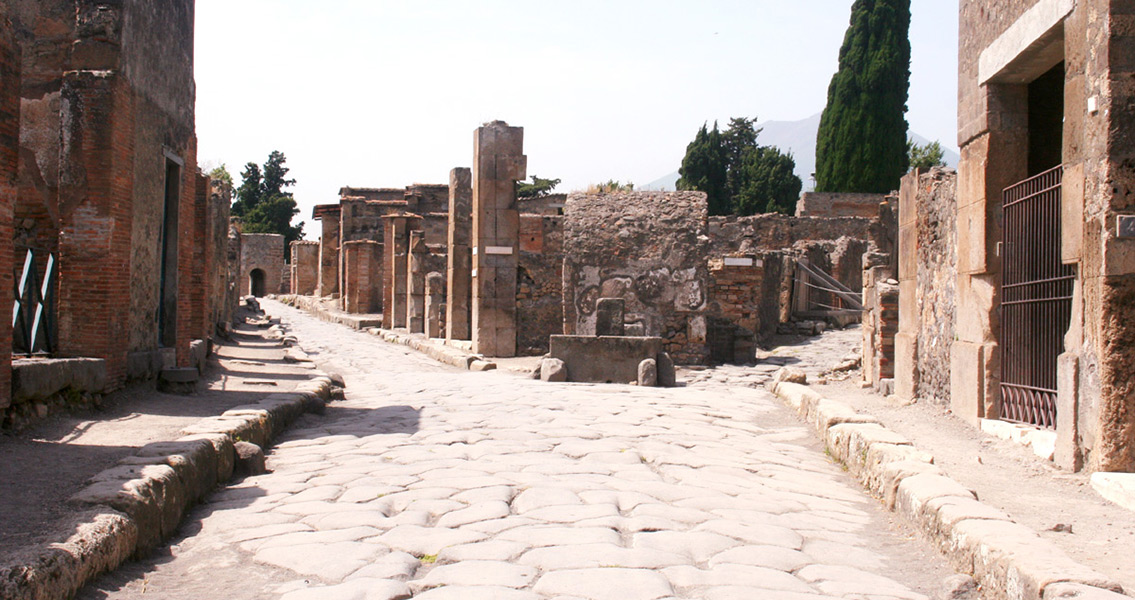
VOA News, scientists from Lund University in Sweden have been working hard on the long-standing research project since 2010. A year’s worth of field work scanning a city district in danger of deterioration led to four years of digital reconstruction work; the results include a digital video showcasing the neighborhood, including the residence of one of the richest citizens of Pompeii, a Roman banker by the name of Caecilius Iucundus. In addition to the luxurious Roman villa, the team from Lund University also discovered several gardens, a bakery, a laundry and a tavern in their study of the city district. Researchers were also able to extrapolate some of the city’s social hierarchy through studying the water and sewer systems of Pompeii. Restaurants and retailers in particular were found to be highly dependent on large, wealthy families, who controlled the flow of water to their buildings, the scientists found. The project in its current form has its roots in an initiative that was born from necessity several decades ago. In 1980, a massive earthquake struck southern Italy, causing not only high levels of damage to local architecture but also resulting in the deaths of more than 2,000 individuals. In the wake of the event, curators for the city put the call out to the international research community to preserve Pompeii’s history before nature and the passage of time resulted in the loss of priceless archaeological data. The Swedish Institute in Rome was one of the organizations to answer the call. This resulted in the Swedish Pompeii Project being launched in 2000; ten years later, Lund University joined the project, bringing their digital archaeology techniques into play. The digital reconstructions, as well as additional information on the project, can be found at Lund University’s website Additionally, an accompanying research paper describing the methods used in digitizing the Pompeii neighborhood can be found here]]>

Categories
Breaking News

Scientists Able to Recreate the Brain of 17,000 year old Child

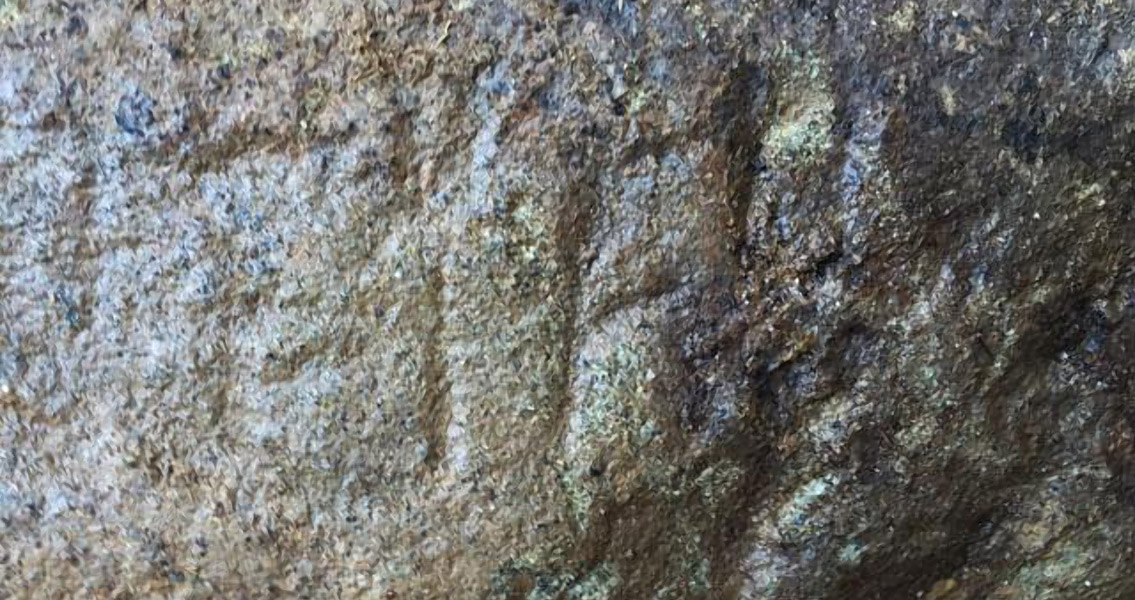
The Local, as the brain grows it applies pressure to the inside of the skull, which at this point in a child’s development is still very soft, allowing for an imprint of the particular pattern of crevices and ridges on the brain’s convoluted surface to be left on the inside. Computer technology, including 3D scanners, has been used to create an accurate 3D model of the ancient brain, giving paleontologists, anthropologists, and neuroscientists the unprecedented opportunity to make comparisons between the brains of a modern child and a young hunter-gatherer. For example, by looking at the stage of growth within different areas, like the language center, researchers will be able to determine how they developed. Around this age, modern 10-year olds begin exhibiting an increased attention span and the ability to complete detailed tasks, think logically and problem solve. This is the age when they begin to understand riddles, begin to collect things, show curiosity about how things work and care about fairness. By studying the specific areas of the brain that are responsible for social interaction, language and spatial coordination for example, researchers are hoping to learn more about the lives our ancient ancestors led. Grotta del Romito, (which translates as the Cave of Romito) dates back to the Palaeolithic and contains some of the oldest and most important evidence of prehistoric humans in Italy. To date, researchers have revealed a number of dwellings, ancient tombs and petroglyphs (which are 10,500 years old), all of which have contributed to what’s known of human history in Italy prior to the agricultural revolution. The Paleolithic era of human history is distinguishable by the development of the first and most primitive stone tools. It covers the time period from 2.6 million years ago until approximately 10,000 years ago. In another cave located near the site, which has been dated back to the Neolithic period, large quantities of obsidian have been found, leading researchers to theorize that the cave was an integral part of the obsidian trade between the Ionians and the Tyrrhenians. Excavations first began at Grotta del Romito in 1962, and are still in progress today across a variety of disciplines, including sedimentology, malacology, palynology, paleontology and archaeozoology and Paleontology. ]]>

Categories
Breaking News

New Etruscan Religious Text Discovered in Italy

Categories
Breaking News

Scientific Techniques Lead to Discovery of Ancient Marble's Origins

Categories
Breaking News

Seeing Life in Death: Understanding a Pre-Roman Culture

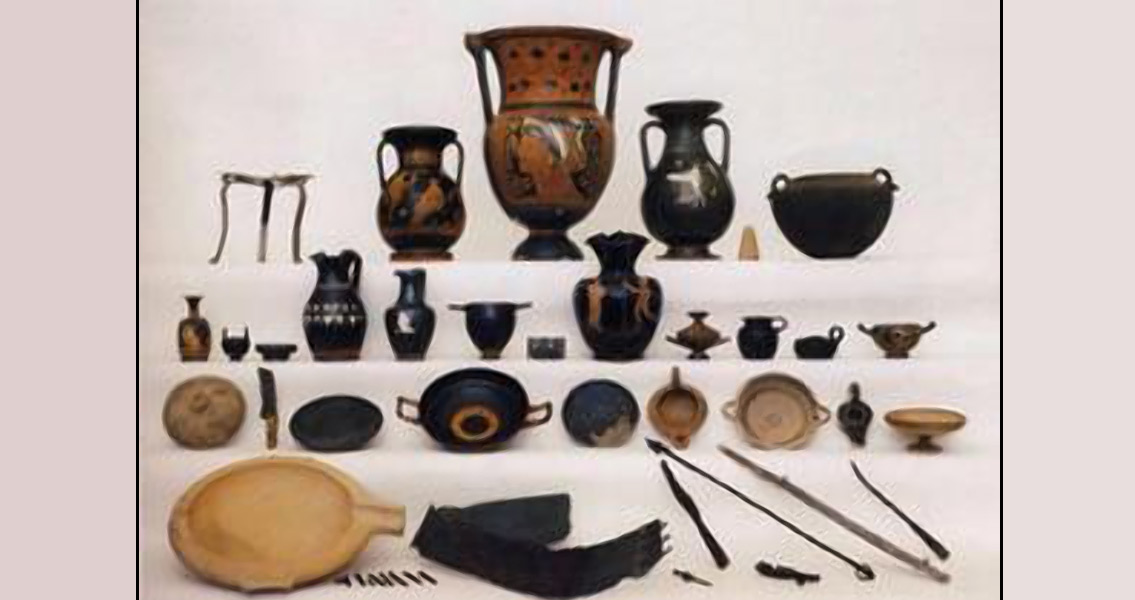
toilets, smaller, less prominent cultures are often consigned to the dimly lit corners of history. New research from the University of Cincinnati has taken a novel approach to this problem by looking into life’s only constant – death. Through analysing ancient bereavement practices from the Central Apulian region in pre-Roman Italy, they have gained an insight into economic and social mobility, military service and even drinking customs in a region and time that had previously been invisible to history. “After going through volumes of collected material, I realized that there was so much more that could be said about what was happening in the development of this particular culture”, said University of Cincinnati Classics Doctoral student Bice Peruzzi, the leader of the research, who recently presented the findings at the 2016 Archaeological Institute of America/Society for Classical Studies Annual Meeting in San Francisco. Analysing the logistics of burials, treatment of the deceased, and contents in graves dating from roughly 525 – 200 BCE, Peruzzi discovered strong evidence of a clear social hierarchy. Men’s tombs from the same period often had metal weaponry lying close to or even across the remains. This has been interpreted as evidence of the commonality of military service in the Central Apulian region in the time period. Peruzzi placed her findings into the broader historical context of the Mediterranean, allowing her to understand the meanings of certain practices, and understand how the lives of the people in the Central Apulian region changed over time. “In spite of having no written history, I was able to distinguish three different periods and then connect them to the larger Mediterranean history to see how their society changed.” An impressive increase in the number of tombs in the region over a period of just fifty years in the fourth century BCE for instance, indicates newer social groups gaining access to ceremonial burials. Evidence suggests that these elaborate burials initially included use of the space for a period of dancing and banqueting by the attendees at the burial ceremony, a practice which had died out by the end of the period under investigation. The First Period that Peruzzi identified in the region, 525 – 350 BCE, unsurprisingly reflected the significant Greek influence over Apulia at the time. Valuable Greek vases and artefacts were found among the contents of many of the tombs. The detailed imagery on some of these artefacts focused specifically on women taking part in every day activities often thought to have been restricted to men, raising interesting questions about the role of women in the society. Along with the increase in the number of tombs in the Second Period (350 – 300 BCE) mentioned above, Peruzzi found evidence of the community’s elites starting to break away and distinguish themselves from others with their burial customs. The burial sites also revealed the onset of urbanisation in the region. “The new growth of specific burial sites to the detriment of others in addition to newly constructed walls surrounding the communities also indicates a general movement toward urbanization in Period 2.” Evidence of entering a time of great transformation can be found in what Peruzzi defines as the Third Period (300-200 BCE). A shift occurred from individual tombs to large chambers sometimes containing whole families. Weaponry was no longer put in graves, while iconography depicting female beauty had disappeared from grave goods, replaced with simple, undecorated ceramics. Meanwhile, the elites had completely abandoned elaborate ceremonial burials, further distinguishing themselves from the other elements of society. Peruzzi’s study provides insights into a period and a region historians and archaeologists have long struggled to understand. Through highlighting changing burial customs she has tracked the onset of social stratification, the emergence of an elite, and the first steps in urbanisation. “From the emergence of new social groups at the end of the 6th century BCE to the gradual urbanization and separation of “ethnic” groups during the 3rd century BCE, the evolution of funerary practices can be successfully used to highlight major transformations in the social organization of Central Apulia communities.” Image courtesy of Source/Riccardi 2003 ]]>

Categories
Breaking News

800-Year-Old Shipwreck Discovered Off Italian Coast

Categories
Breaking News

Undisturbed Etruscan Tomb Discovered in Italy

Categories
Breaking News

Second “Witch Girl” Discovered Burnt and Buried

Categories
Breaking News

Neanderthals Migrated to Italy Earlier Than Thought

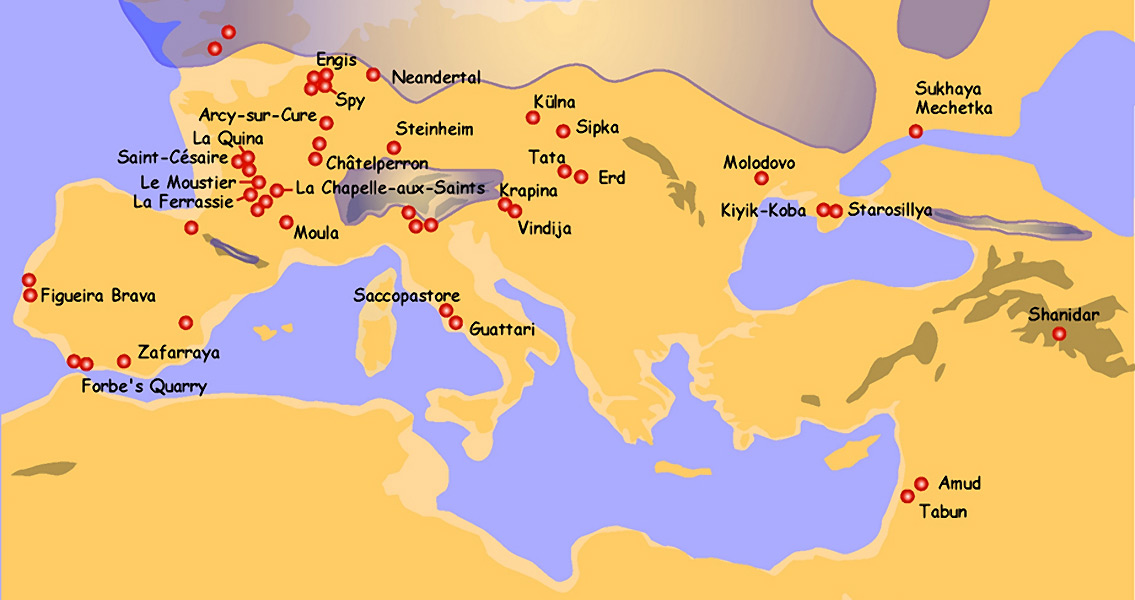
45,000years ago. Exactly what caused our genetic cousins to disappear from the continent is a hotly contested issue. Theories range from the effects of humans, whether through increased competition for food and resources or by humanity inadvertently spreading fatal diseases to the Neanderthals, to climate change or even a major volcanic eruption. Prior to this study, the earliest Neanderthal specimen found in Italy was Altamura Man. Discovered embedded in a limestone cave in Southern Italy in 1993, an analysis of the calcium deposits on Altamura Man’s skeleton suggested he was between 128,000 to 187,000 years old. The skeleton is renowned for providing the oldest ever DNA sample extracted from a Neanderthal. Marra and his team were inspired to analyse the Saccopastore remains further by a mystery which has plagued scientists since the skulls were first discovered. Eleven stone artefacts found at Saccopastore seemed to be significantly older than the bones themselves. By re-dating the skulls, this inconsistency has been cleared up. The findings will be published in the journal Quaternary Science Reviews, later this month. Image courtesy of Wikimedia Commons user: 120]]>