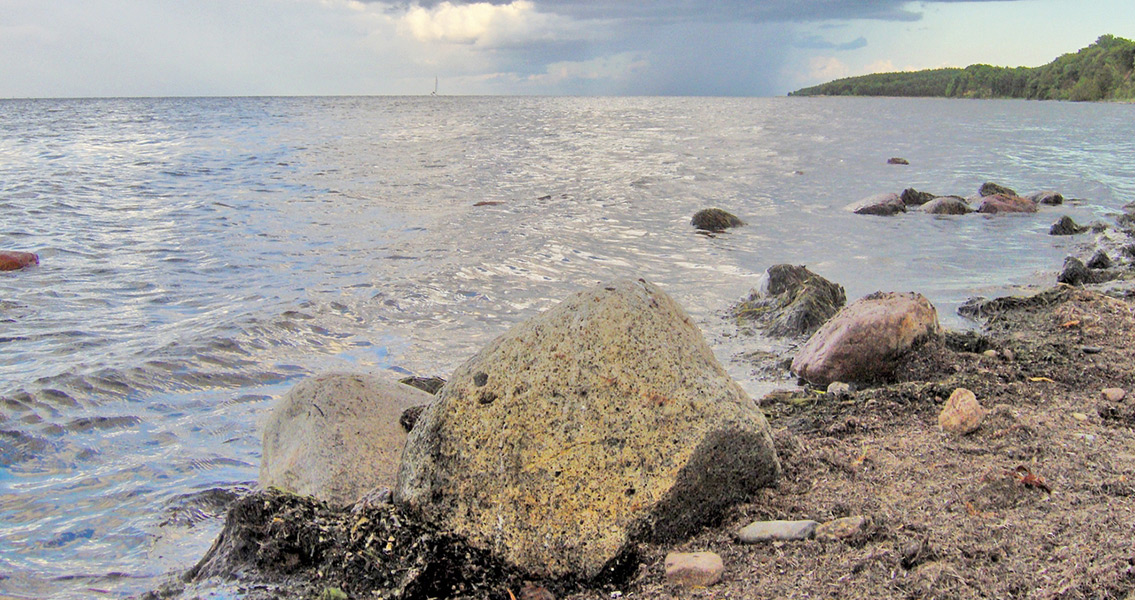
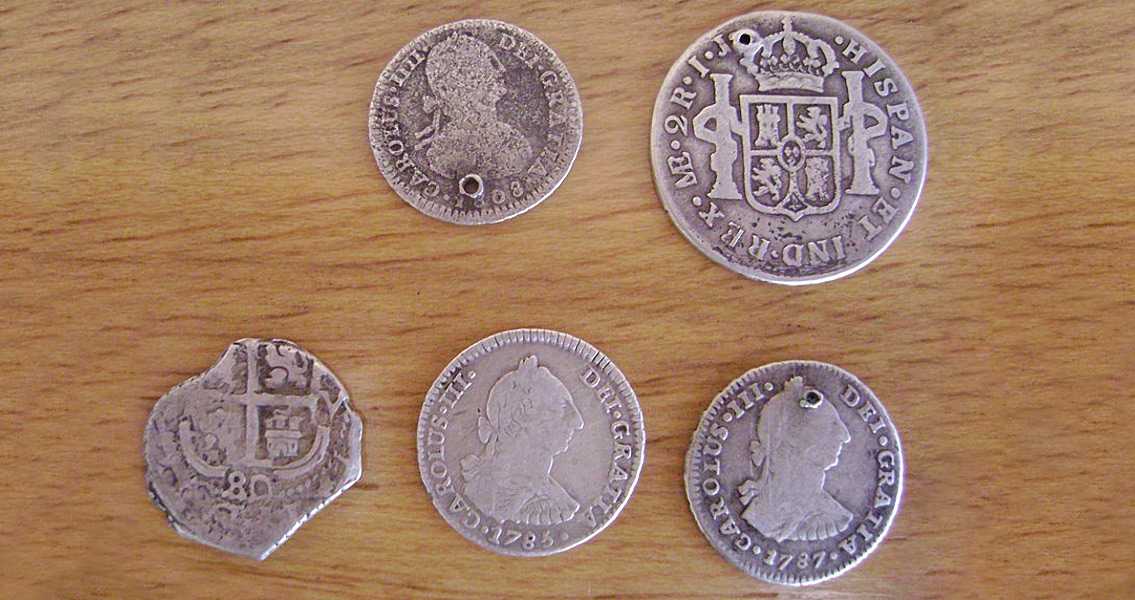
Aarrr Booty, which has permits for the exploration of five vessels in the area. All of them belong to a fleet of twelve ships that set sail from Cuba, then a Spanish colony, to the Iberian Peninsula in late July 1715. The fleet transported gold that was much needed by Philip V at the time as he was at war with France. Unfortunately for him, all but one of the vessels were sunk by a hurricane close to the Floridian coast a week after they had set off from Cuba. Aarrr Booty’s owner Brent Brisben obtained a permit for exploring the site of the wreck five years ago and last month located one of the ships and managed to bring to the surface the abovementioned gold coins, which are estimated to be worth around $1 million, with the Tricentennial Royal alone valuated at $500,000. The find was by all means an exciting event for the crew of the Aarrr Booty, but it is only a very small part of the treasure carried by the eleven vessels. According to Brisben, whose salvaging company is aptly named ‘1715 Fleet Queen Jewels’, the total value of the gold that the vessels had been carrying to Spain was no less than $440 million. In addition to the gold, the fleet may have been transporting the queen jewels of Philip V’s second wife, Elisabeth Farnese, duchess of Parma. The location of the jewels on one of the eleven vessels is only speculated over because as a non-taxable commodity they were not entered into any official inventories of the cargo, Brisben told Live Science. Spanish colonial coins were in circulation in both South and North America between the beginning of the seventeenth century and the early nineteenth century, Coin Quest, a coin collection website explains. There were two methods used for making the majority of the coins, and both produced quite imperfect shapes. The first method, cob, involved cutting gold and silver bars into relatively equal chunks and then stamping on them a pattern with a hammer while the chunk was pressed between dies made from a harder metal. This technique produced irregular shapes and patterns but that was of no importance; only the weight of the coins mattered. This method was employed as a way of transporting gold and silver mined in the New World to Spain more easily. The second method, milling, consisted of making thin sheets of silver or gold and cutting out blank coins from them, which were then put in screw presses with the patterns to be stamped on the blanks. While this technique produced much more regular shapes it was still inferior to die-casting, which worked with molten metal. Die-Casting took more time and effort, which was probably why it was not so popular a method of minting until later. Image courtesy of Wikimedia Commons user: Arandar]]>
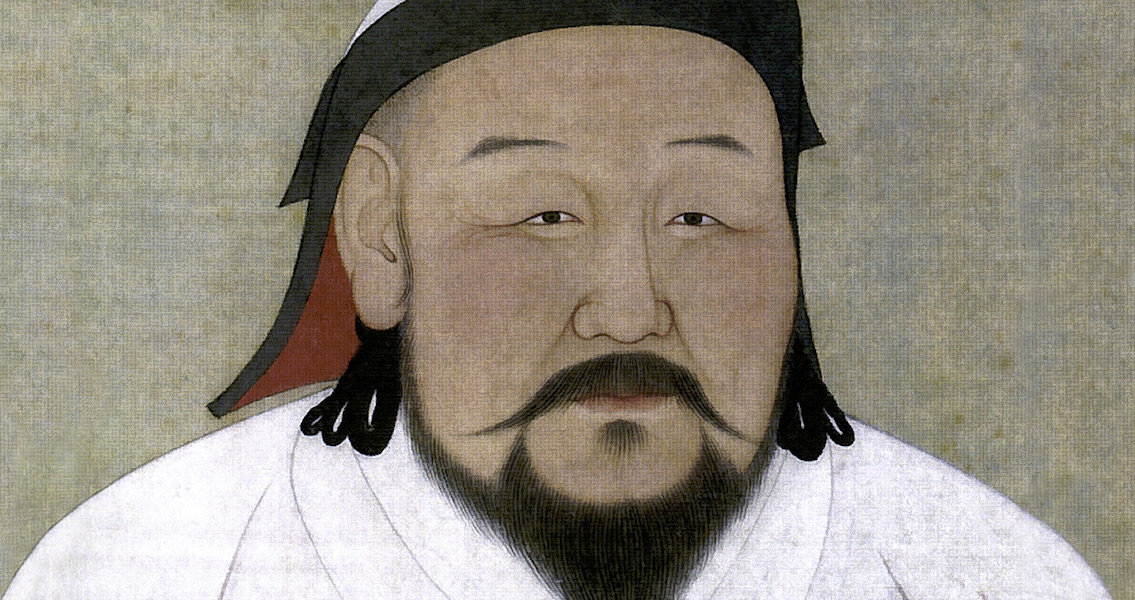
last Autumn during excavations 200 metres south of Takashima Island. The ship was lying around fifteen metres below the surface, with its bow pointing southward. The remains measure twelve metres long, and three metres across at their widest point. Archaeologists from the University of Ryukyus and the Maatsura Board of Education confirmed on the 2nd July that the shipwreck was indeed part of the Mongolian led invasion force of the thirteenth century. It is the second shipwreck that has been discovered from the Kublai Khan led attempt to invade Japan. Professor Yoshifumi Ikeda from the University of Ryukyus, the leader of the excavations, told the Asahi Tribune that his team had found three other ships at the Takashima Kozaki site which could have been part of the invasion force. The team have reached their conclusion based on a wealth of artefacts discovered in and around the shipwreck, and the structure and shape of the ship itself. Around twenty examples of Chinese ceramic wares, including a white porcelain bowl, a brown glaze pottery vase, roof tiles and iron ware, were found in the shipwreck. These have been dated to the twelfth and thirteenth century, which the archaeologists claim is proof the ship is from the Mongolian invasion. By 1274 Kublai Khan’s empire included most of what is modern day Asia, and he had declared himself emperor of China. In 2011, a team of archaeologists discovered and identified the only other confirmed shipwreck from the attempted Mongolian invasion, just off the coast of Nagasaki. Using ultrasound equipment they discovered the well preserved wreck three feet below the sea bed. 4,000 artefacts were unearthed from the site including cannonballs and stone anchors. Kublai Khan attempted to launch two invasions of Japan in the thirteenth century, at a time when the Mongolian Empire was expanding rapidly through Asia and Europe. Both invasions were prevented by ‘kamikaze’: massive typhoons which forced the Mongolians to abandon their attempts at expansion into Japan. The first invasion took place in 1274, when up to 900 ships landed at Japan’s Hakata bay. Heavily armed with weaponry superior to the Japanese, the Mongolian troops initially made substantial inroads into the country’s territory. The typhoon struck however, forcing them to return to their ships for shelter. Over night the storm intensified, destroying most of the invader’s ships and forcing the remainder to return to what is now Korea. In 1281 a second, much bigger invasion was launched comprised of two fleets, one containing 900 ships, the other 3,500. Improved Japanese sea defences held up the Khan’s forces, holding off the massive invasion. The second typhoon struck, sinking 80% of the fleet and drowning a huge section of Khan’s warriors. Those troops who did make it onto the Japanese mainland were quickly killed by an army of Samurai. Historians speculate that the second invasion was so cataclysmic for the Khan because the preparation had been rushed. Desperate to conquer Japan, a fleet of ships had been hastily assembled, many of which were simply inadequate for the journey across the sea. The archaeologists working at the Takashima Kozaki site hope that the information gleaned from the recently identified shipwreck can be used as a starting point to identify other ships in the region. “We have successfully confirmed the two ships from the Mongolian invasion, and further research on them is expected to lead to the discovery of even more sunken Mongolian ships,” Ikeda told the Asahi tribune. Image by Anige of Nepal – an astronomer, engineer, painter and confidant of Kublai Khan ]]>
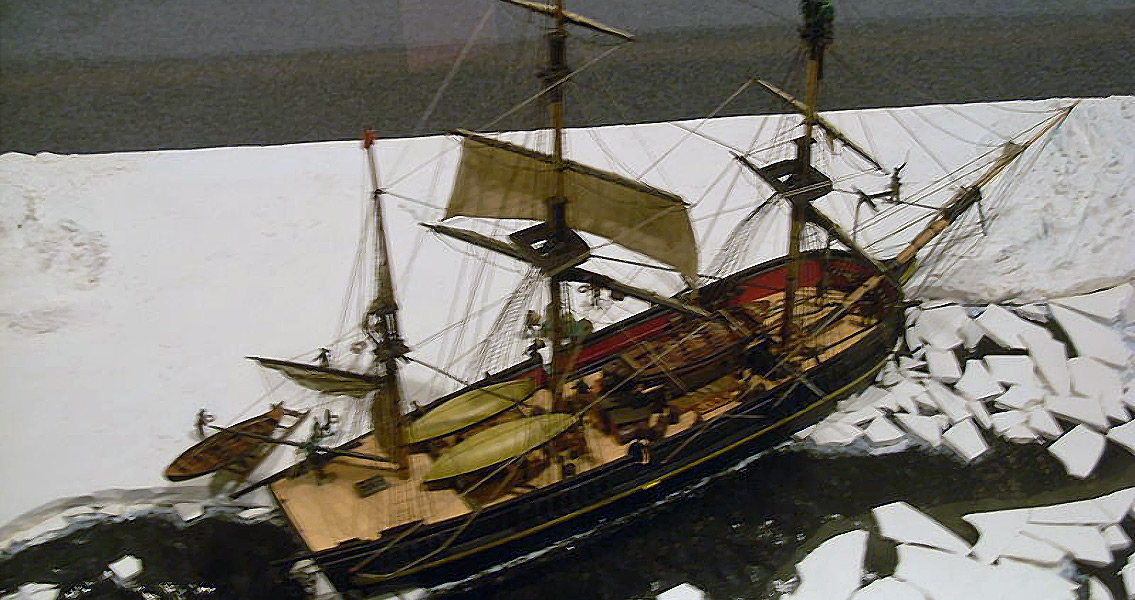
HMS Erebus, which sank in 1846, have been recovered to the surface. This is the second major discovery after the location of the ship itself, which only happened last year. The Erebus was one of two ships that carried Sir John Franklin’s expedition to the Arctic to find a Northwest Passage. The Erebus and its sister ship, the HMS Terror, became stranded in ice near the shores of King William island in the Queen Maud Gulf off the coast of Canada a year after they had left Britain. Both ships eventually sank, with 128 people dying. Franklin himself died on the island a year later, in 1847. The wreck site is at a very remote and climatically hostile location. After the Erebus’ remains were discovered in 2014, the divers sent to examine them had a difficult time, to put it mildly: just to reach the wreck they had to overcome sea ice with a thickness of two metres. The work on the ship was led by underwater archaeologist Ryan Harris, from the Parks Canada Agency, who told LiveScience that just getting all the equipment and professionals needed for the job to the Queen Maud Gulf had been a challenging task. Thankfully, the team could count on logistics support from several government agencies, including the Department of National Defense, the Canadian Royal Navy, and the New York Air National Guard. The first divers went underwater last September and cleared the kelp and other marine flora colonies on the ship, which rests five meters from the seafloor. This April, the divers returned to scan the site with lasers to catalogue what was there. It was during this diving session that they retrieved the artefacts that have now been put on display at the Canadian Museum of History. The objects include three plates, some buttons, a bottle of medicine still holding some of its contents, pieces from the ship’s rigging, and a huge, 300-kg canon. According to Harris, the two ships must have sailed under “a flag of scientific neutrality” but nevertheless thought it wise to be prepared for any eventuality. All of these, however, are nothing but scratching the surface, LiveScience writer Stephanie Pappas notes. There is a huge amount of work yet to be done on the ship’s remains if there is any hope of identifying at least some of the victims of the wreck, establishing what they were doing in those last days, and determining whether they died on the ship or elsewhere. The buttons could be some help, as they may tell the researchers the rank of their owner. The team also hope to find out what caused the wreck or what factors contributed to it, given that both ships were equipped for sailing in the ice-packed Arctic waters. The Erebus wreck features ice channels on the port side, as well as metal plating and a system allowing the propeller to be hoisted onto the deck. The whereabouts of the second ship in the expedition, the Terror, remains unknown. Image courtesy of Wikimedia Commons user: Piotrus]]>
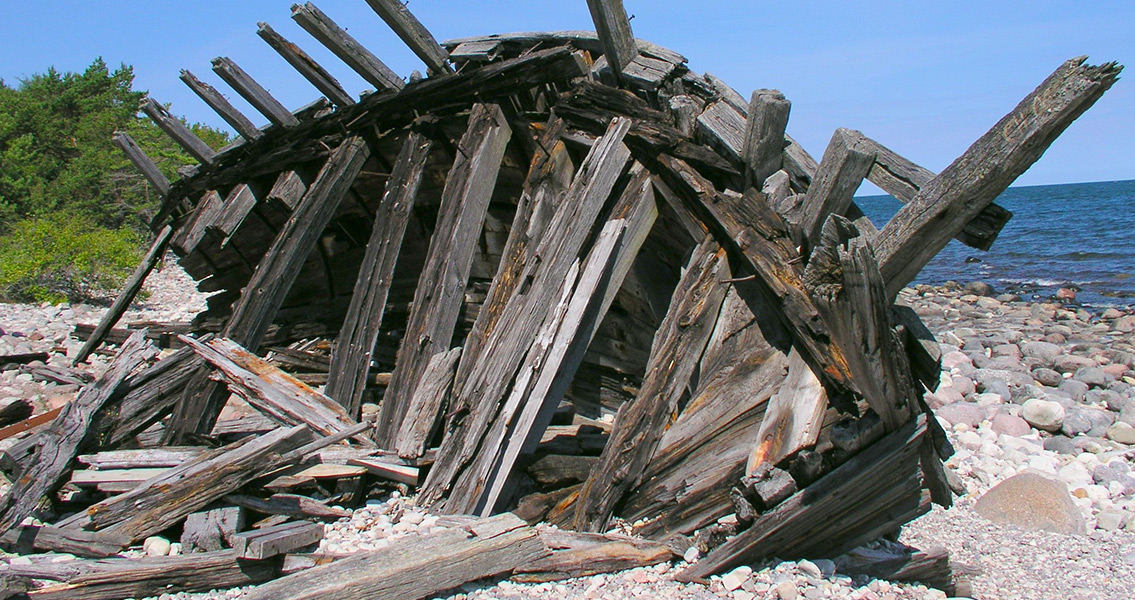
www.ahr.oxfordjournals.org Image courtesy of Wikimedia Commons user: Jan kask~commonswiki]]>
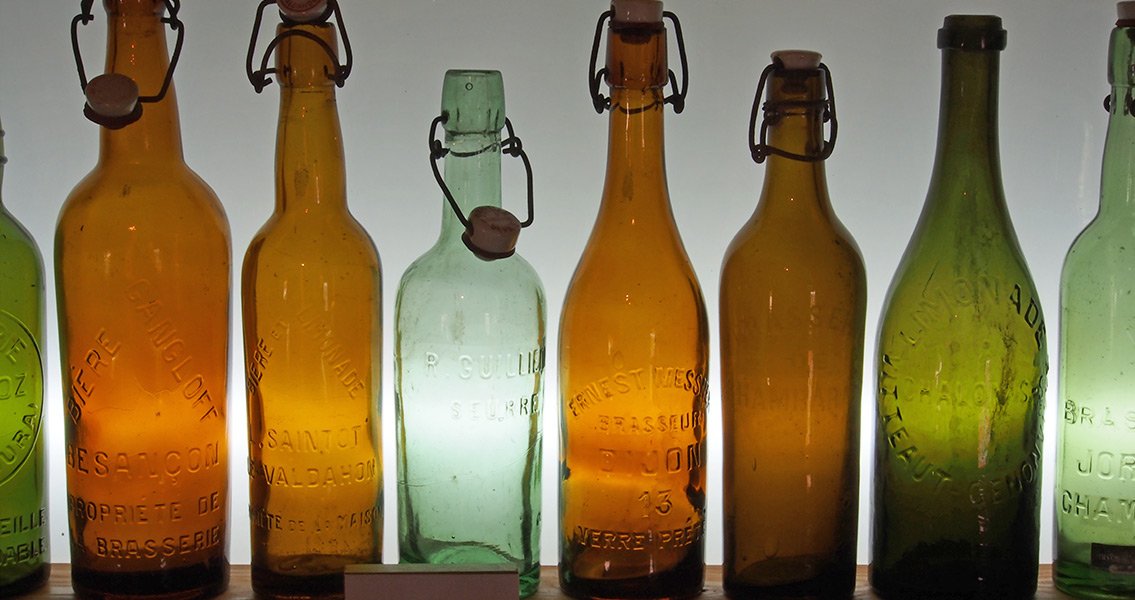
www.pubs.acs.org Image courtesy of Wikimedia commons user: Alfvanbeem]]>