www.anthonybeevor.com]]>
www.anthonybeevor.com]]>
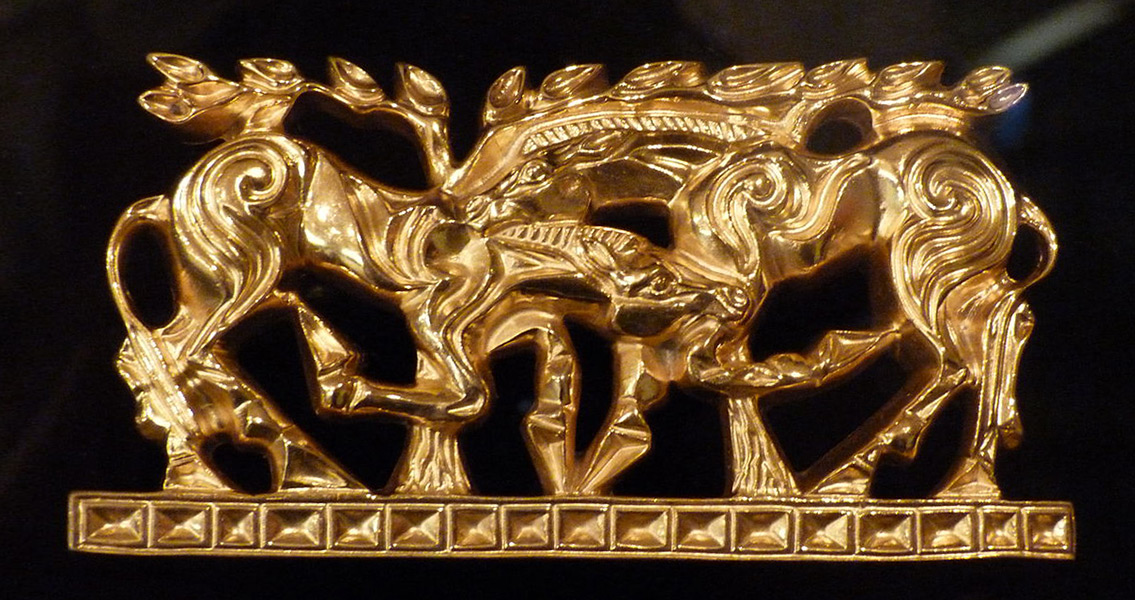
Digital Journal, however, pegs them as the work of the Scythians themselves. One of the bucket-like vessels features a depiction of two gryphons attacking a deer on the one side, and another two gryphons attacking a horse. The depictions are done with stunning detail, including the spots on the skin of the deer. Another vessel features a fighting scene in which you could even see the stitches on the participants’ clothes, their shoes, and the type of bow they hold. The central figure in this depiction is an elderly man, with wrinkles on his face, and it is this figure and the fact that the old man is attacking a much younger one that suggest the find may have historical implications as well. According to Belinski and his colleagues, the scene is very likely a depiction of the so-called “Bastard Wars” described by Herodotus. The Bastard Wars, the story goes, took place after the Scythians returned from a long war to find their wives had borne children to their slaves. So, the scene on the vessel could be a piece of evidence that these wars took place. On the other hand, as Belinski himself notes, it could be a depiction of the ‘Bastard Wars myth’, as he calls it. The vessel with the gryphons killing animals most probably depicts a scene from the Underworld, and both it and the one with the Bastard Wars scene are thought to have been used for ritual purposes by the high priest of the tribe, who was also usually the king, Belinski told MK.ru. Image courtesy of Wikimedia Commons user: Derzsi Elekes Andor]]>


www.onlinelibrary.wiley.com Image courtesy of Wikimedia Commons user: Archdiamond]]>
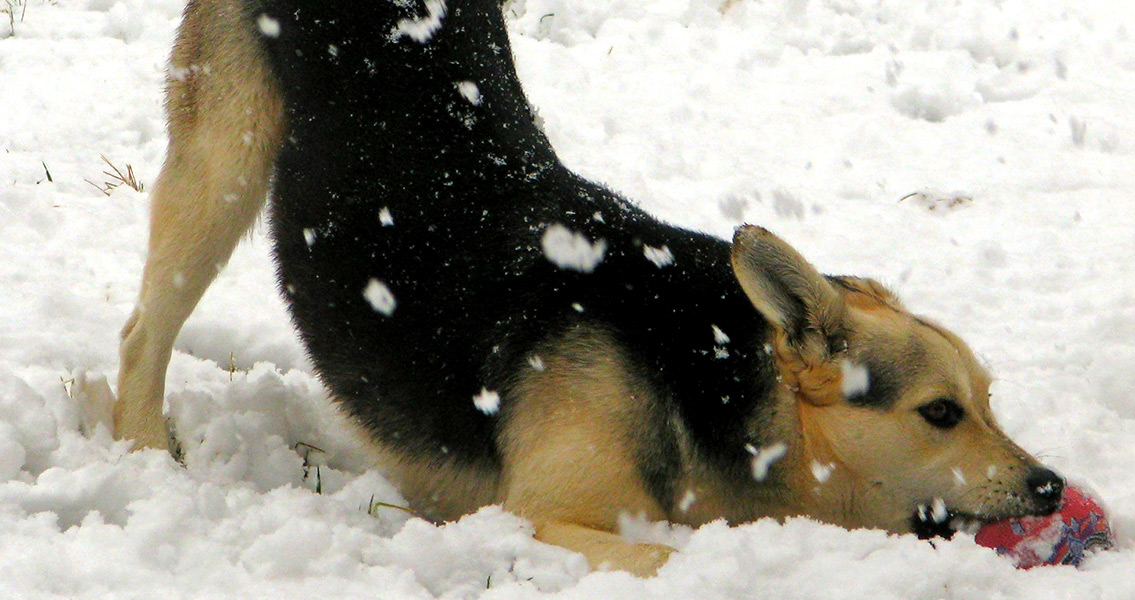
Current Biology. “The only other explanation is that there was a major divergence between two wolf populations at that time, and one of these populations subsequently gave rise to all modern wolves.” The team argue that dogs were domesticated prior to the diversification of present-day gray wolf populations. Dalén believes the possible divergence between two wolf populations is a less likely explanation as it would have required a second, separate wolf population subsequently becoming extinct in the wild. The number of coincidences is too high, in Dalén’s opinion. The DNA evidence obtained from the bone reveals that modern-day Siberian Huskies and Greenland sled dogs share an unusually high number of genes with the ancient Taimyr wolf. Skoglund notes that the DNA evidence provides direct proof of this link dating back 35,000 years. Putting that into perspective, the Taimyr wolf lived only a few thousand years after the Neanderthals disappeared from Europe and modern humans began to spread throughout the Eurasian supercontinent. It is important to note that the split between ancient wolves and dogs did not immediately lead to domestication. “The initial divergence between the ancestors of dogs and gray wolves would not necessarily have had to coincide with domestication in the sense of selective breeding, since this human-mediated process could have occurred later or over an extended period of time,” the team wrote. “It is [still] possible that a population of wolves remained relatively untamed but tracked human groups to a large degree, for a long time,” added Skoglund. Skoglund and his team have shone much-needed light on the history of our closest animal companions. By revealing just how long ago dogs and humans began contact, a big step has been made in gaining a fuller understanding of this shared history. For more information: www.cell.com Image courtesy of Wikimedia Commons user: Inugami-bargho]]>

livescience.com that the aqueduct was initially just an open channel that flowed along a gentle slope, ensuring that the water level only declined by about a metre for every kilometre. The open channel remained in active use until about 500 years ago. During the Ottoman rule over the region a terracotta pipe was placed along the channel to keep the water clean. It was one of the main sources of water for the city of Jerusalem, which explains why it was taken good care of over such a long time. A century ago, however, the aqueduct was replaced by an electric water supply system. Now, the pipe will be studied more closely by the Israeli Antiquities Authority, with sections of it eventually being exposed and turned into a tourist attraction. The same has been done with some already uncovered sections of the aqueduct in the city, while others have been sealed to ensure they are better protected “for the sake of future generations”, according to the official statement of the IAA. The Hasmonean dynasty ruled the ancient state of Judea from 142 BCE until the Roman conquest in 63 BCE. It won control over the land from the Hellenistic Seleucid dynasty, which had sought to establish Hellenistic culture in Judea. The locals were prohibited from practising their religion, which led to a revolt in 166 BCE headed by Mattathias, a member of the Hasmonean family. The revolt succeeded and the Jews re-entered Jerusalem and purified Solomon’s Temple, the greatest hallmark of Judaism, which had been desecrated by the Seleucids. The victory, the first in a series that led to the independence of Judea, is traditionally celebrated during Hanukkah. Solomon’s Pools and the system of aqueducts that brought water from the reservoirs to the south of the country became necessary during the Second Temple Period, between about 530 BCE and 70 CE, after a second temple besides Solomon’s was built in Jerusalem and the number of pilgrims coming to the city increased considerably. In addition to the three pools, the water supply system included two aqueducts that fed the reservoirs and another three that distributed water from the reservoirs to Jerusalem and Herodium. Their overall length was 80 km. Parts of the system, which was refined and expanded during the Roman era in Judea, continued to be in use until as recently as 1967.]]>
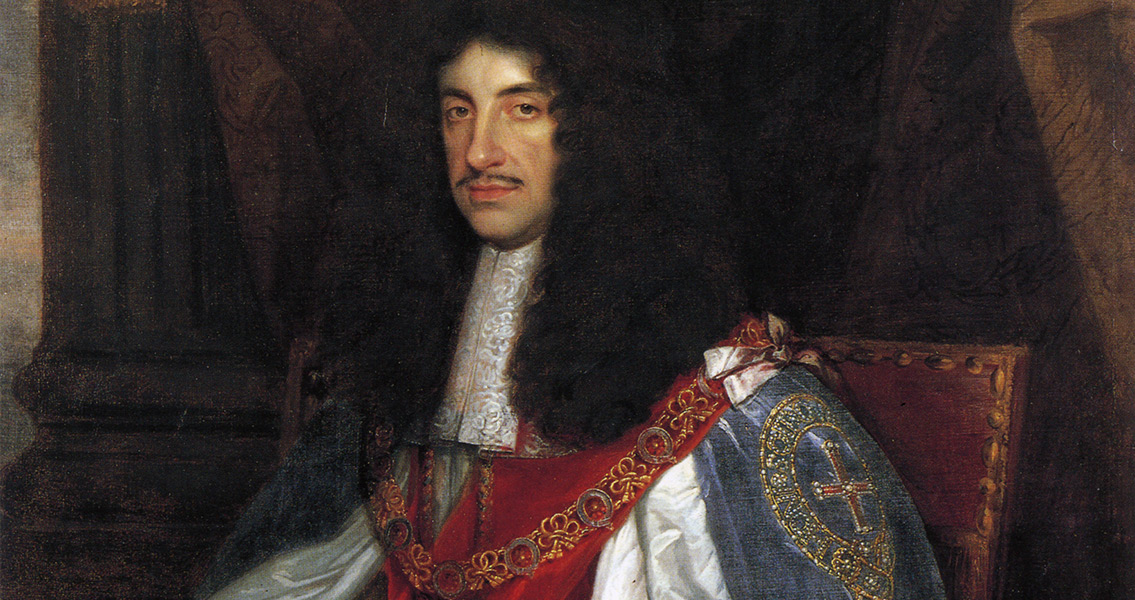
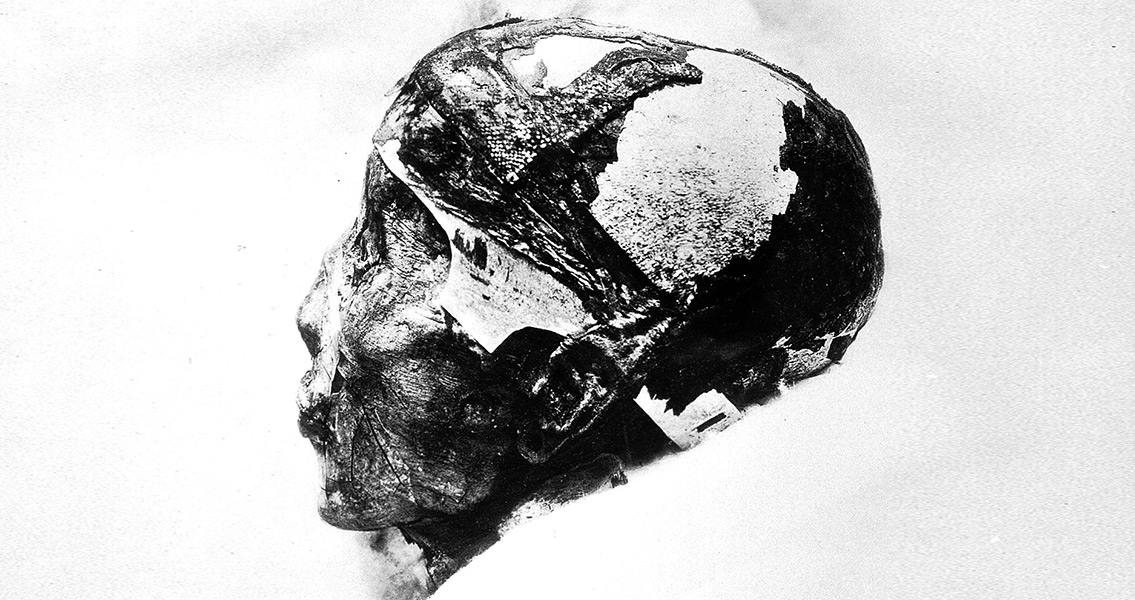
The Anatomical Record. Thule graves are always built of stones, with many different types and shapes of stone being used. Burials are also found in natural caves and crevasses. Thanks to the harsh, cold climate of Greenland, the Thule mummies Lynnerup describes are in an excellent state of preservation. The mummies were sheltered in their tombs from the harshest elements, but the cold arctic winds naturally mummified the bodies. “The soft tissues of mummies, including internal organs, were very well preserved, not least due to the mummification process, which was essentially freeze-drying,” he noted. Because the soft tissue is so well preserved in Thule mummy finds, there is a real chance to reveal many invaluable observations concerning bodily ornaments and the paleopathology of internal organs. Interestingly, all of the mummies were of women or children. Facial tattooing was also found on all of the women mummies. These tattoos had been made using various methods; puncture or dot techniques as well as a sewing one. The latter technique, Lynnerup notes, consisted of pulling a needle with a sinew, which had been dipped in soot, underneath the skin. Until these mummies were found, puncture tattooing had not been shown to exist in Greenland. Tattooing amongst the Thule is interpreted as a means of indicating tribal and kinship relations. It is also thought that tattooing was done at puberty and marriage because one of the young female mummies did not have tattoos, perhaps indicating she had not gone through the requisite experiences. By conducting isotopic analysis of faecal matter retrieved from one of the mummy’s colons, clues about the Thule diet were revealed. Remnants of mosses and other plants were found, indicating that the predominantly meat-based diet of the Thule could have been supplemented with other foodstuffs. “Isotopic analyses showed that more than 75% of the meat was of marine origin (marine mammals, fish), while the rest probably derived from game, such as reindeer,” Lynnerup explains. The Thule mummies found in Greenland reveal a huge amount about this lost culture. Harsh conditions are revealed in their diets and we can only guess at the hardships they had faced. At the same time, Lynnerup notes, the painstaking wrapping in soft skins of the dead and the meticulous grave construction reveal a loving and caring human conduct. For more information: www.onlinelibrary.wiley.com Image courtesy of Wikimedia Commons user: Fæ ]]>