Categories
Breaking News

Spent Bullet Verifies T.E. Lawrence's Story

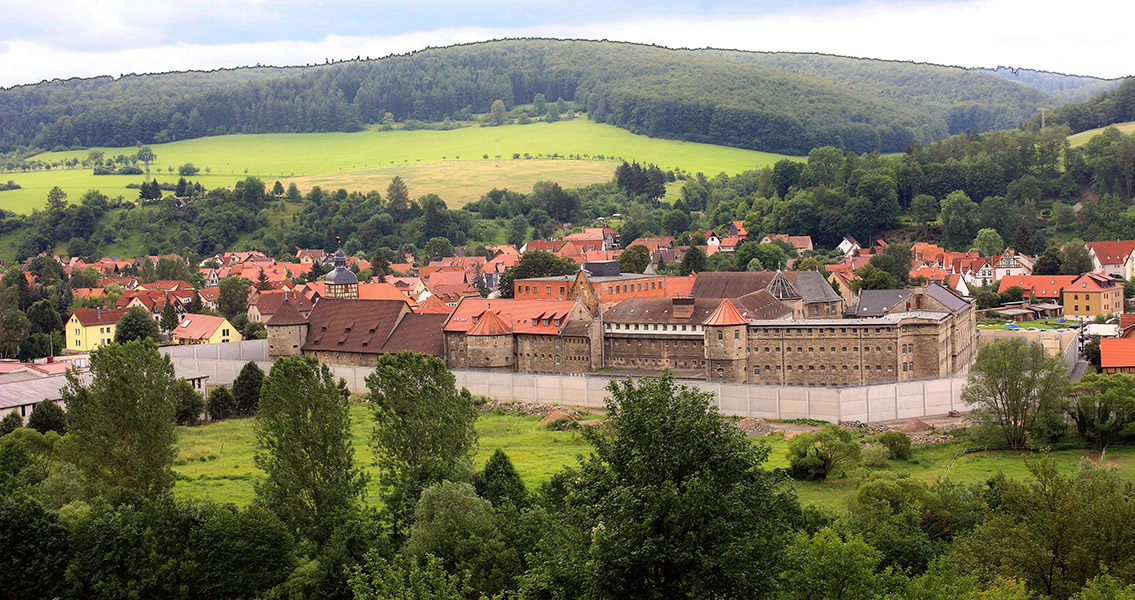
Seven Pillars of Wisdom. In a Bristol University press release one of the project leads, Professor Nicholas Saunders, said, “The bullet we found came from a Colt automatic pistol, the type of gun known to be carried by Lawrence and almost certainly not used by any of the ambush’s other participants.” Over the years the integrity of Lawrence’s portrayal of the rebel skirmishes and his role in them has been questioned, with many believing he had taken some dramatic license in Seven Pillars of Wisdom. However, archaeologists have found nothing at any of the excavation sites to debunk his story. Another project participant, Dr. Neil Faulkner, is quoted in the Bristol press release as saying “Lawrence has something of a reputation as a teller of tall tales, but this bullet – and the other archaeological evidence we unearthed during ten years of fieldwork – indicates how reliable his account of the Arab Revolt in Seven Pillars of Wisdom is.” Only two months previously another item related to the Hallat Ammar ambush, a nameplate from a Hejaz Railway engine, reappeared after being lost for nearly 80 years. In 1933, Lawrence gave the nameplate to his friend Vyvyan Richards’ family for safekeeping, and it remained with them after his death in 1935. The nameplate is inscribed in Ottoman Turkish and translates as “iron road”, that is “Hejaz Railway”. The Richards’ family tradition claims that Lawrence “souvenired” the nameplate from a train he attacked. The ambush of the Hallat Ammar train was a rare opportunity for such a souvenir to be acquired given the Turkish train actually had two locomotives instead of just one, and there would have been ample time to pry off a nameplate. In fact, the ambush was so stunningly successful it likely held more meaning to Lawrence than other attacks, and would have merited taking a souvenir. “It is extraordinary,” Professor Saunders added in the Bristol press release, “that after 100 years new discoveries like this are still being made, casting new light on a guerrilla war which helped reshape the Middle East after 1918 – the consequences of which we are still living with today.”]]>

Categories
Breaking News

New Research Suggests Humans Drove Hobbits to Extinction

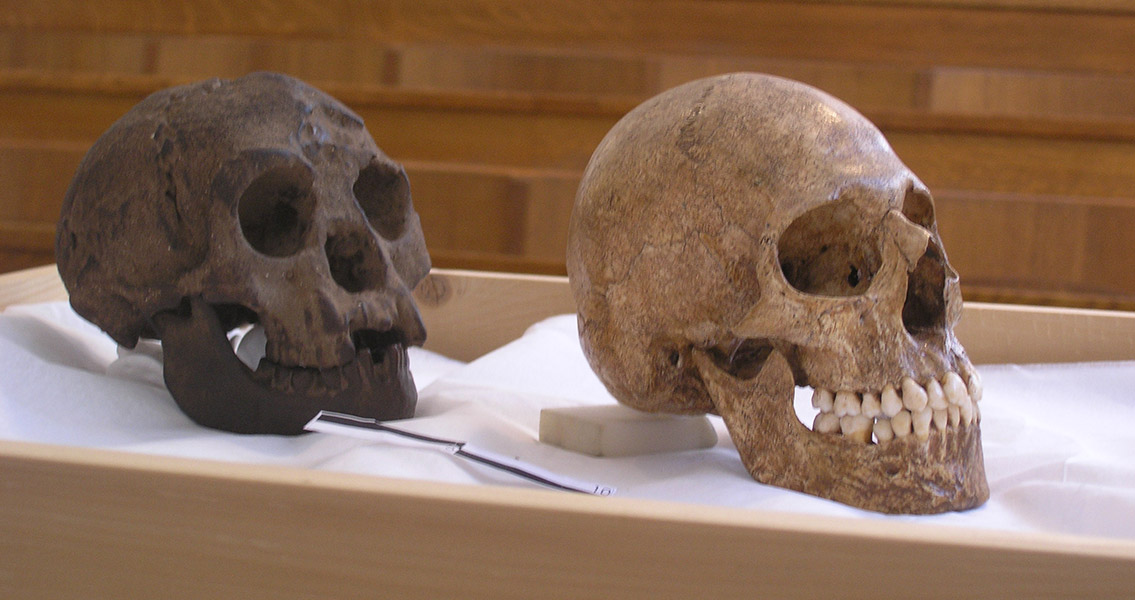
Homo floresiensis, aka the ‘Hobbit’ people, were first discovered on the island of Flores in Indonesia and ever since researchers have wondered how they were able to co-exist with early humans when no other group had. The answer? They didn’t. New excavations and dating have concluded that the Hobbit people died away 50,000 years ago, tens of thousands of years earlier than previous testing indicated. In fact, the new data suggests that instead of living alongside them, modern humans may have driven H.floresiensis to extinction. In hindsight though, the error is clear to see. The first Hobbit fossils were considered too precious and fragile to undergo radiocarbon analysis. In lieu of testing the bones, researchers gathered charcoal found nearby under the assumption it had accumulated at the same time as the fossils. The charcoal was tested and dated to 11,000 years old. Modern humans spread throughout Australia and Asia around 50,000 years ago. “Somehow these tiny people had survived on this island 30,000 years after modern humans arrived”, Richard Roberts, with the University of Wollongong, told Nature “We were scratching our heads. It couldn’t add up.” Previous research shows the Neanderthals disappeared shortly after the arrival of modern humans in Africa and Europe. So the team continued excavations in Liang Bua (the limestone cave where the original fossils were found), primarily to search for more remains, and to gain a better understanding of the enormous cave and its geology. Freshly excavated rock and dirt (removed from the same layer of sediment as the Hobbit bones) was tested using several different methods and the results showed the samples were 100,000 to 60,000 years old. Tom Higham, with the University of Oxford, UK, considers the recent dating results compelling, telling Nature “These results are tantalizingly close to the earliest evidence for modern humans in the region, which might suggest a causal link to the subsequent disappearance of H. floresiensis.” Homo floresiensis (which translates as Flores Man) would have been around 3.5 feet (1.1 meters) tall. A total of nine partial skeletons were recovered in 2003, and included one with a complete skull, which is referred to as “LB1”. It’s been determined that LB1 is the skeleton of a 30-year-old female (nicknamed the Little Lady of Flores or “Flo”). Her height has been estimated to be 3 feet and 6 inches (1.06 meters). There has been intense and continuous research since their first discovery just to determine whether or not the Hobbit people represent a species separate from modern humans. Some experts have posited that the historical H. floresiensis could be connected to the Ebu Gogo myths which were prevalent on the island of Flores. Although the new research answers the co-existence question, others remain. For example; what is the Hobbit people’s evolutionary connection to other primitive humans and did they mate with modern humans? It’s also been noted that Liang Bua’s unusual geology would have made it easy for researchers to make the mistake of connecting the charcoal remains to the Hobbit remains over ten years ago. Image courtesy of Wikimedia Commons user Avandergeer]]>

Categories
Breaking News

The Silk Road to Everywhere

Categories
Breaking News

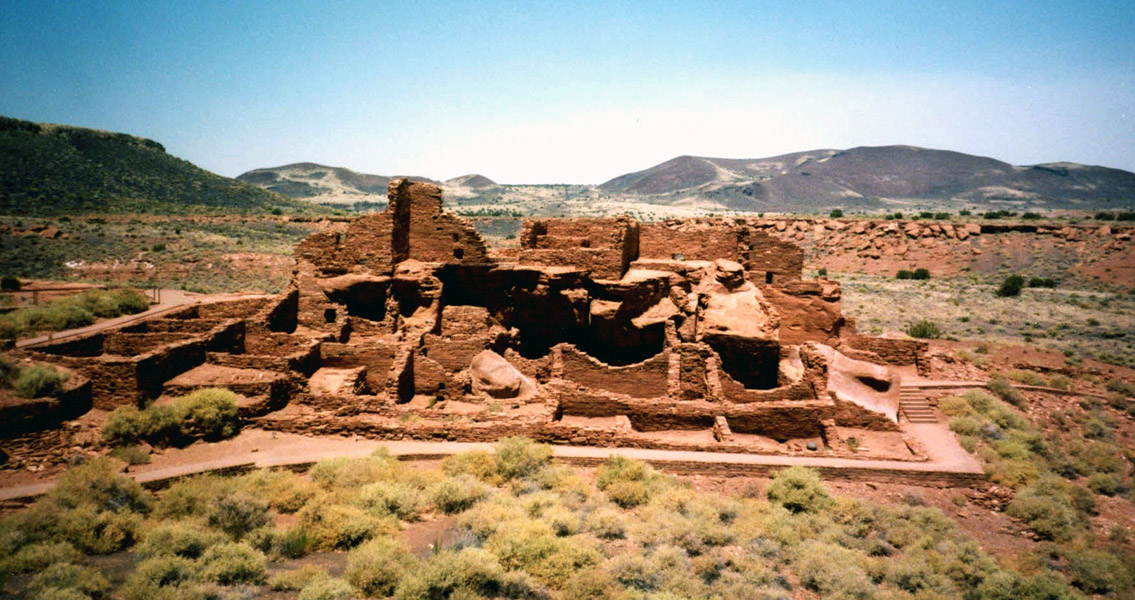
Wanted: Sun Watcher for Ancient Puebloan Solar Calendar Project

Categories
Breaking News

Radar Scans of Tut’s Tomb Raising Questions

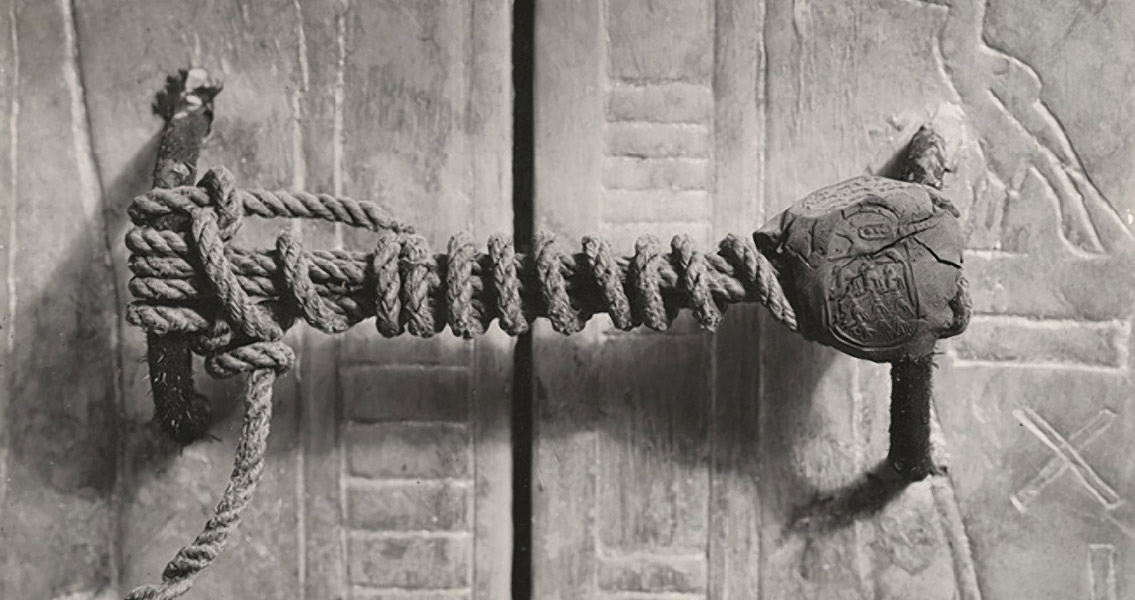
presented radar data at a news conference in March which they claimed showed evidence of two empty spaces, or hidden cavities, behind the North and West walls of the chamber. According to officials the scans also suggested that organic and metallic substances were present within the voids. Nicholas Reeves, Egyptologist and Director of the Amarna Royal Tombs Project, has posited that the cavities could contain the burial of Tutankhamun’s stepmom, Queen Nefertiti. These radar scans were conducted in part to either confirm or negate these theories. It’s been noted by experts that in the Valley of the Kings region, the geology contains a lot of natural voids which radar has difficulty differentiating from archaeological features. “It does not appear that these GPR [ground-penetrating radar] data have been processed, or that any of the so-called anomalies are visible in the raw data that are provided,” Lawrence Conyers, an anthropology professor with the University of Denver, told Live Science. Conyers wrote the book, literally, on the archeological use of ground-penetrating radar (GPR). According to Live Science, Conyers suggests that the researchers make raw data available to outside GPR experts for peer review prior to allowing the Antiquities Ministry to release statements discussing all the treasure supposedly hidden behind these walls. The consensus of scientists following the peer review process would reduce the criticism and speculation which has been zipping around the internet since the announcement. Michele Pipan, a professor of geoscience with the University of Trieste (Italy) was reported in Live Science as saying that while the radar images the Antiquities Ministry released do show some interesting features, they also lack things which would have facilitated an accurate interpretation, for example vertical and horizontal scales, details related to the inversion/interpretation procedure, and information regarding to radar velocity. Additional radar surveys are scheduled to be conducted within a few days, and the Egyptian Antiquities Ministry will hold a news conference following that work in Luxor in early April. Coincidentally, tourism numbers in Egypt have fallen dramatically since the revolution in 2011 which forced Hosni Mubarak (President at the time) from office, other experts told Live Science. The country has been the target of terrorist attacks by the Islamic State and Egyptologists were hopeful the discovery of Nefertiti’s tomb behind the wall of Tutankhamun’s burial chamber would bring tourists back, thus boosting the suffering economy. Reeves himself was recently quoted in the The New York Times as saying, “For anyone interested in Egyptian history, this is the time to plan a trip, because you’re not going to get jostled by others the way you would have pre-revolution. And, it’s also a more affordable destination because prices have dropped.” ]]>

Categories
Breaking News

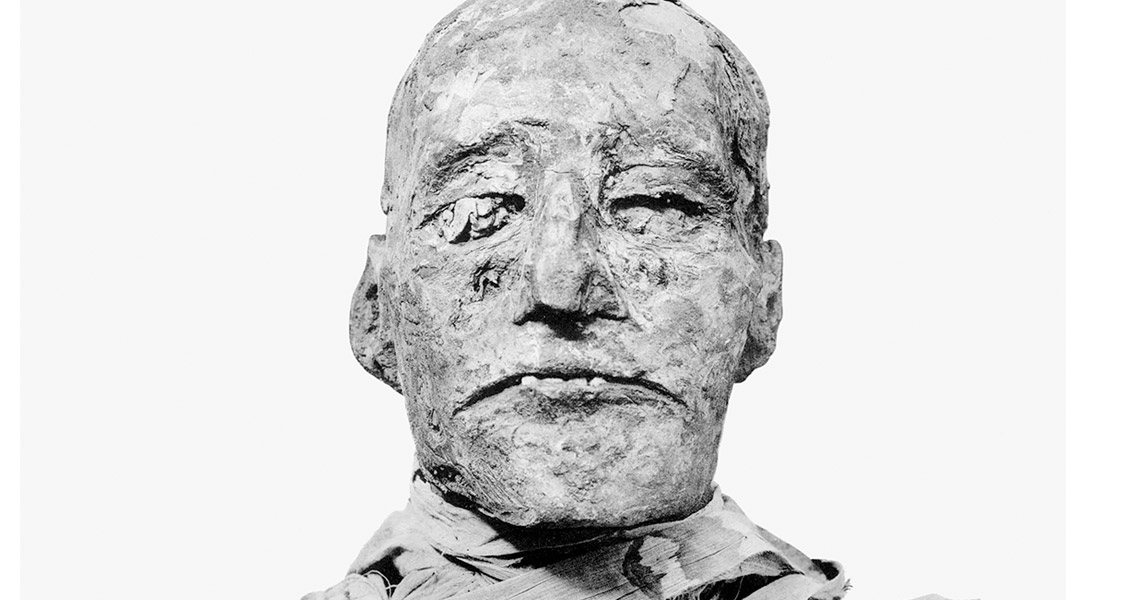
Under Wraps – Details of Pharaoh’s Assassination Revealed

Categories
Breaking News

Humans as Meat-Eaters – a Million Year History

Categories
Breaking News

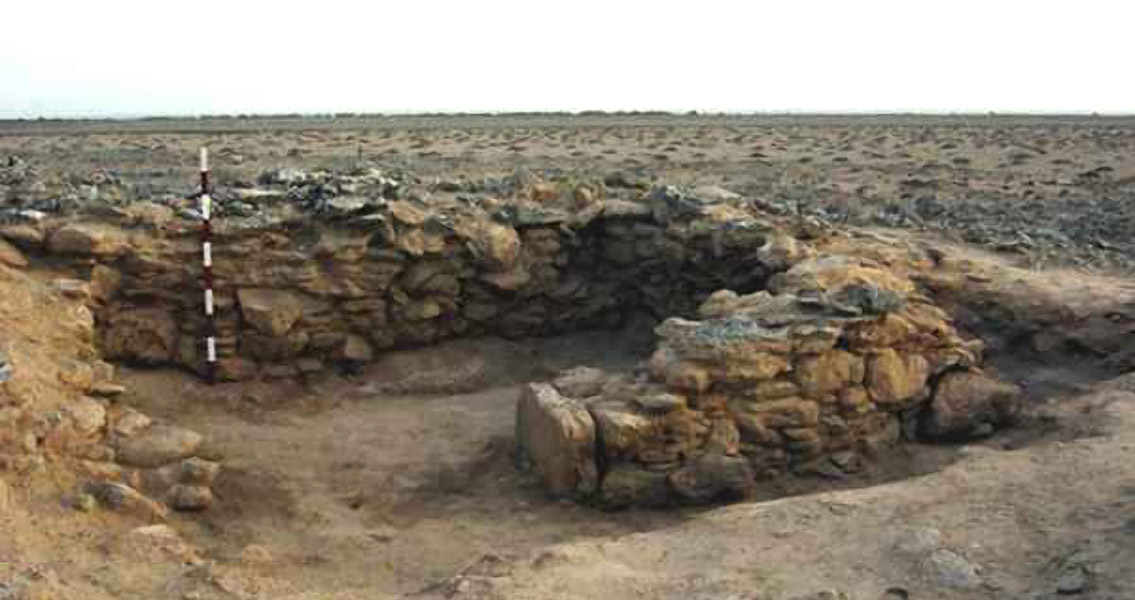
Home Is Where the Bones Are – UAE Find Deemed House of the Dead

Categories
Breaking News

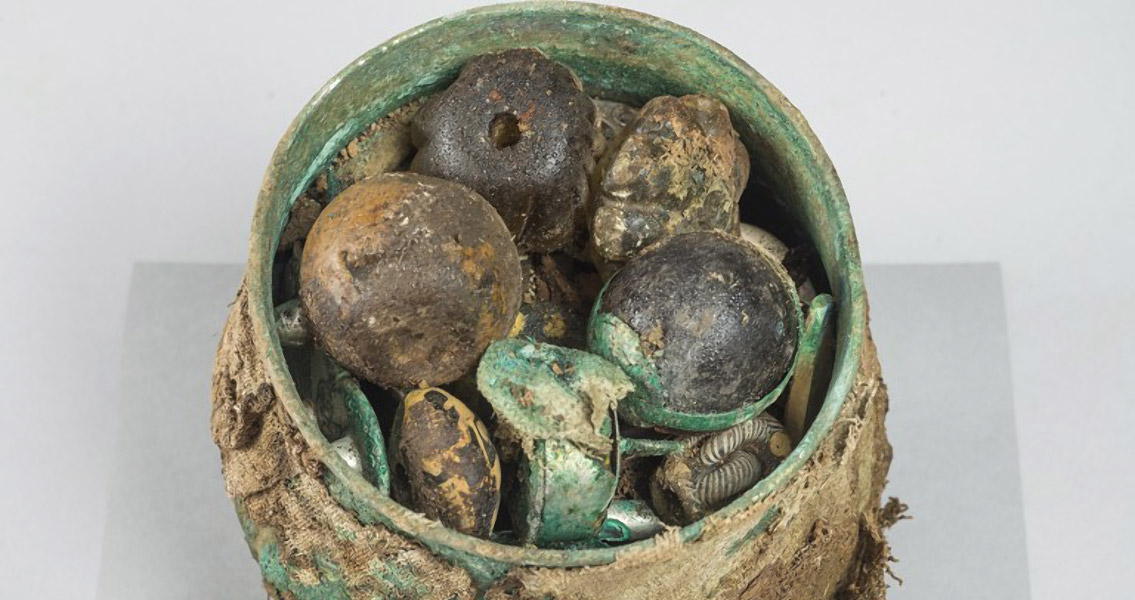
Revealed: Images of Scottish Viking Treasure Trove

here Featured Image courtesy of Historic Scotland]]>

Categories
Breaking News

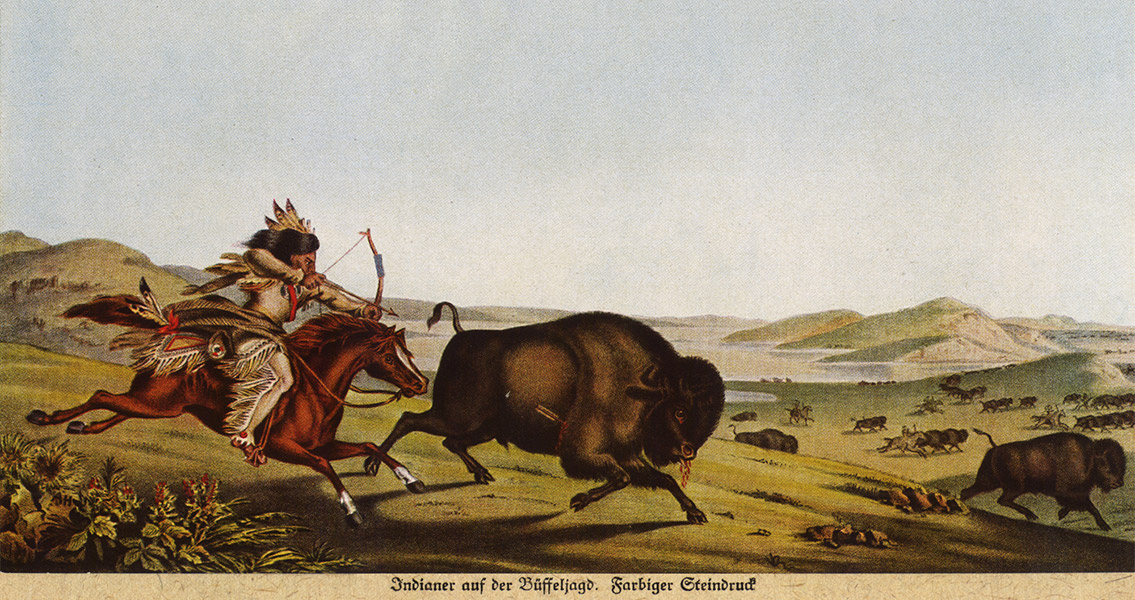
Researchers Look for Corn and Find Bison Bones Instead