Categories
News

Spanish Conquest Echoed in Panamanian Genetics

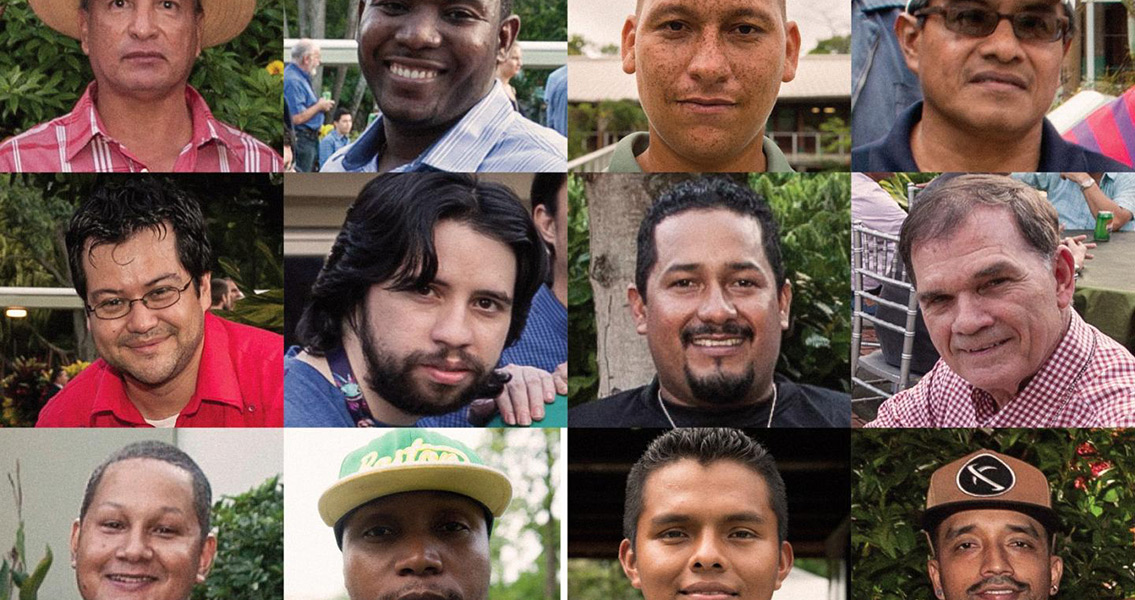
PLOS ONE, was performed by a team of scientists from the University of Pavia, led by Viola Grugni. The team studied the genetics of 408 Panamanian men to investigate Y-chromosome variation in the population through the centuries. In modern Panama, seven indigenous ethnic groups account for 12.3% of the country’s population. 83% of the country’s general population however, harbour mitochondrial DNA of native ancestry. By focusing on the Y-chromosome, the researchers revealed a remarkable contrast between paternal and maternal genetic inheritance. The Native American component (Haplogroup Q) exceeded 50% in only three regions on the Caribbean facing side of Panama. Two of those regions, Comarca of Kuna Yala and Bocas del Toro province, are areas dominated by speakers of the indigenous Chibchan language. The third, the province of Colón, hosts a population dominated by the Kuna, an indigenous people of Colombia and Panama, and people of mixed indigenous-African-European descent. Every human has a pair of sex chromosomes which determine their gender. Whereas women have two X-chromosomes, men have one X and one Y chromosome – the Y-chromosome inherited from their father. Mitochondrial DNA on the other hand, is only inherited from the mother in both males and females. Small mutations which have accumulated in the two types of DNA over time allow scientists to trace genetic histories. By highlighting differences in the make-up of Y-chromosomes and Mitochondrial DNA, the authors have revealed the long term genetic effects of colonisation. The Spanish conquest, beginning in 1499, instigated drastic genetic change in Central America. Much of the native population was killed in conflict with the Spanish population, while the spread of European diseases to people with no immunity to them was also catastrophic. Male Spanish colonists typically came to the region without their wives, often taking native women as their partners. The legacy of this is found in the dominance of European DNA in the Y-chromosome. The presence of Sub-Saharan DNA reveals the long term genetic impact of the Atlantic slave trade. The results also show the geographic distribution of Spanish colonisation, which after 1519 was most densely focused on Panama’s Pacific side where a drier climate was more suitable for agriculture and cattle raising. The prevalence of Eurasian Y-chromosomes ranged from 62 to 72 percent in test subjects from the Pacific regions of Panama, while the proportion of native chromosomes was between 66 to 88 percent in the Caribbean regions, a dramatic difference. Darien Province had the highest proportion of Sub-Saharan DNA, according to the results. The authors believe this notable exception is explained by the region having been a popular point of refuge for escaped slaves during the colonial period. The region of Central America that is now Panama has been inhabited continuously for the the last 10,000 years, the new study reveals the massive genetic changes that have occurred in the last 600 as a result of European colonisation. For more information, the full study is available here Image courtesy of Jorge Aleman, STRI]]>
Categories
News

Lincoln Narrowly Escapes Baltimore Plot Assassination Attempt

Categories
News

February Revolution – History Changed in Less than a Fortnight

Categories
News

Infamous CIA Double Agent Ames Finally Arrested

Categories
News

Chicago 7: Sentencing in the Trial Of the Century

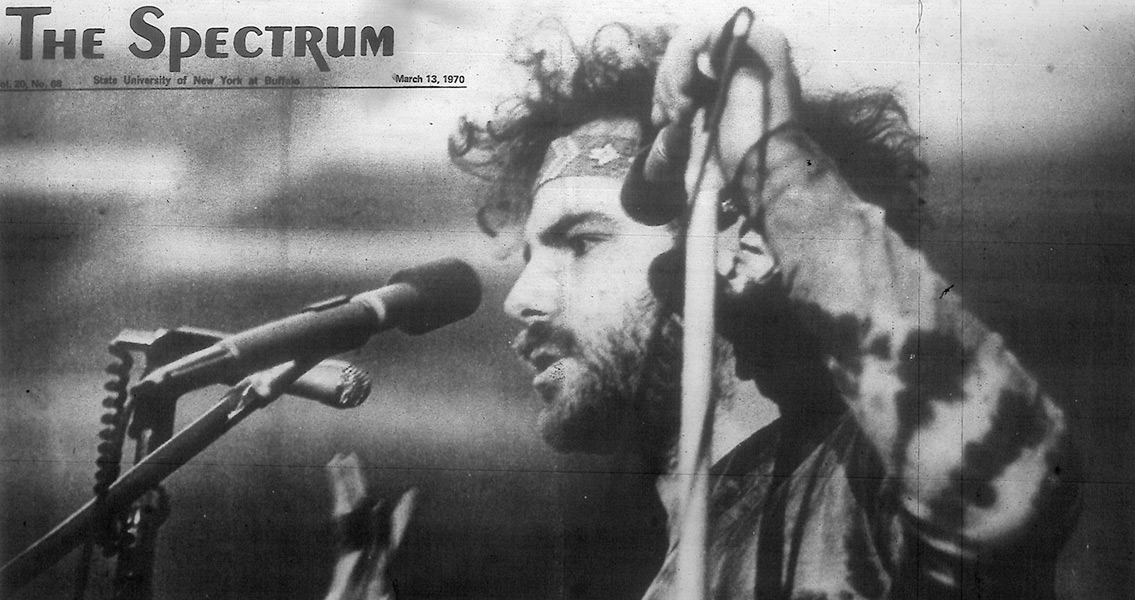
The Nation as a ‘Monumental Non-Event’. The sentencing of the Chicago Seven on 19th February 1970 brought to a close a major court case which is now, at least in some corners, dismissed as meaningless. The trial originated in the fierce anti-Vietnam War movement that had become increasingly vocal throughout the 1960s. In August 1968, a series of protests were organised at the Democratic National Convention in Chicago. Around 10,000 anti-Vietnam War protesters gathered in the city, determined to disrupt the convention as much as possible in protest at continued US involvement in the war, and other policies of Lyndon B. Johnson’s government. Chicago Mayor Richard Daley took a strict stance against the protesters, and police were deployed around the city to break up demonstrations, among other things enforcing 11pm curfews in the city’s parks where the protesters intended to congregate. The heavy handed tactics of the police saw conflicts erupt on the streets of Chicago and riots break out across the city over the course of several days. In the end, some 589 protesters were arrested, and 218 people imprisoned. Eight activists were charged for organising the riots (the Chicago Eight became the Chicago Seven when it was decided to charge one of the activists separately.) Those accused of organising the event ranged from pacifists to grass roots political activists and a member of the Black Panthers. The eight charged were: David Dellinger, a pacifist and chairman of the National Mobilization against the War; Tom Hayden and Rennie Davis, leaders of the Students for a Democratic Society, Abbie Hoffman and Jerry Rubin, leaders of the Youth International Party; John Froines and Lee Weiner, local Chicago organizers; and Bobby Seale, co-founder of the Black Panther party. A five month trial followed, which repeatedly threatened to descend into farce. All of the defendants were charged with conspiracy to incite a riot. Bobby Seale started to disrupt the trial in protest at not being represented by the lawyer he had chosen. After gagging and bounding him to a seat failed to stop his loud protests, the judge ordered that Seale be tried separately, leaving the Chicago Seven. A key piece of evidence for conspiracy used against them was an activist meeting several months before the Democratic National Convention. Controversy was never far from the trial. Many observers accused the highly conservative Judge Julius Hoffmann of having a bias against the defendants, citing his rejection of many of the defense’s pre-trial motions, despite having accepted most of those requested by the prosecution. The defendants also did their best to disrupt the trial, eating jelly beans, wearing outlandish clothes and cracking jokes to trivialise the whole thing and poke fun at the US legal system. Daily protests outside the courthouse took place in solidarity with the defendants. Increasingly, the event became a public spectacle. The defence argued the charges were an official over reaction. A host of singers, artists and activists were brought into court in an attempt to explain what the demonstrators objected to in American society, turning the trial into a platform for their anti-establishment views. At the end of the trial, five of the defendants, Rubin, Hoffman, Hayden, Davis and Dellinger, were found guilty of inciting riots but not conspiring to do so. Weiner and Froines were acquitted of all charges. However, all seven defendants, along with two defence lawyers and Seale, were sentenced to jail time for contempt of court. Ultimately, none of the Chicago Seven served jail time. In 1972, a Court of Appeal overturned the convictions, pointing to Judge Hoffman’s hostility to the defendants and procedural errors. Although often called meaningless, generally in reference to the fact the defendants were charged and not jailed; and the severity of the charges against them had been reduced, the Chicago Seven trial was important in giving a very public platform to critics of the Vietnam War.]]>

Categories
News

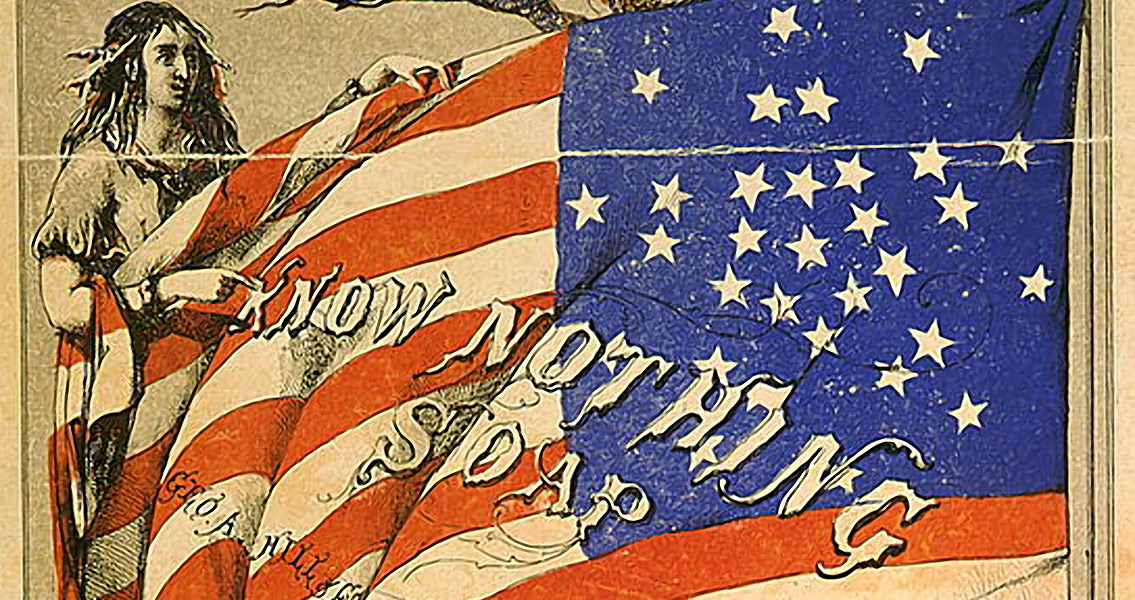
US Anti-Immigration Party Nominates Presidential Candidate

Categories
News

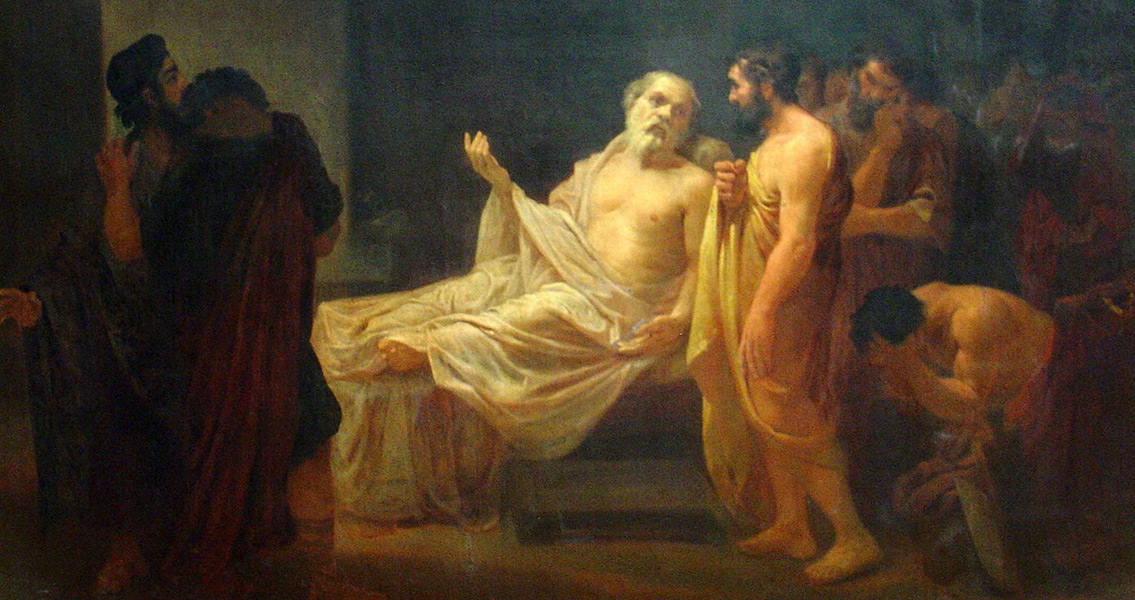
Socrates Sentenced to be his Own Executioner

Categories
News

Teenage Queen Beheaded – Lady Jane Grey's Death

Categories
News

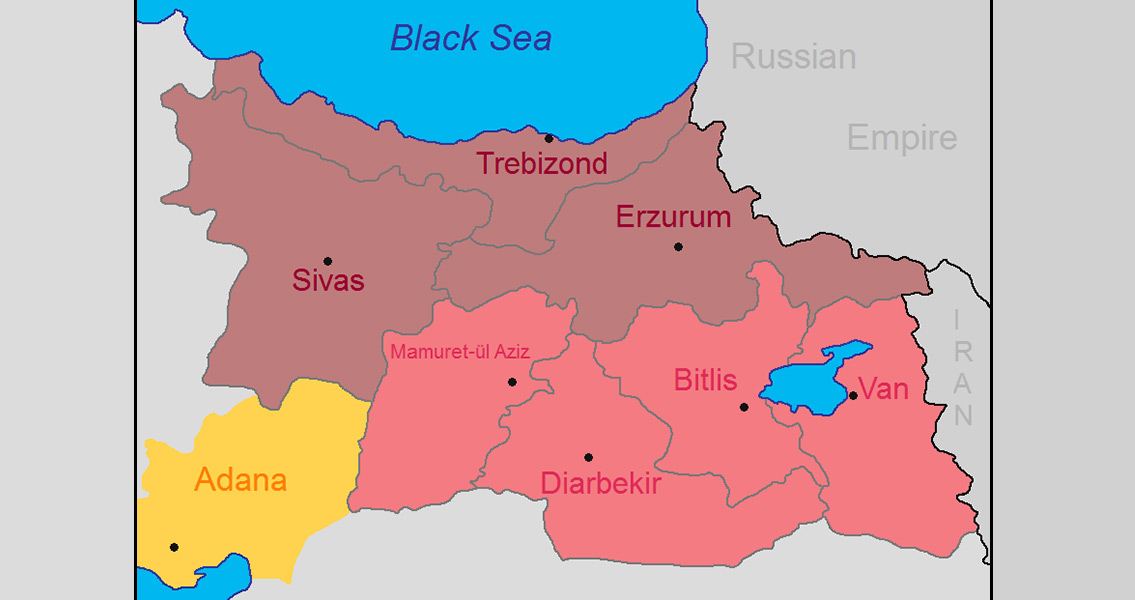
Armenian Reform Plan Lays Path to War and Genocide

Categories
News

Anastasia Arrives in New York

Rasputin. Significantly, it was claimed Anderson had a foot deformity identical to Anastasia Romanov, adding further credence to her story. Others who had held a close relationship with the Romanovs reported Anna Anderson had knowledge about the Tsar’s family that could have only been possessed by one of his daughters. Although other relatives of the Romanovs labelled her an imposter, Anna Anderson insisted until her death in 1984 that she was Anastasia Romanova. In the 1990s, posthumous DNA tests proved she wasn’t a Romanov, although there are some who question the validity of those results. Subsequent DNA studies seemingly debunked Anderson’s claims once and for all, putting an end to suggestions that any of the Romanovs had escaped the execution in Yekaterinburg. In 2009, a scientific study pieced together DNA evidence from remains unearthed in two mass graves close to Yekaterinburg, and showed that the Tsar, his wife and his five children, had all been killed and then buried there. Yet the controversy around the fate of Anastasia and the other Romanov children has continued. In 2014, a book written by Russian historian Veniamin Alekseyev questioned the DNA evidence identifying the Tsar’s four daughters: Anastasia and her sisters, Olga, Marie and Tatiana. Alekseyev also claimed to have discovered archived documents which threw doubt on the official accounts of the fate of the Tsar and his family. Close to a century after the shootings at Ipatiev House, for some the fate of Anastasia Romanov and the other daughters of the Tsar is still far from certain. ]]>