Categories
Breaking News

Who First Domesticated Horses? The History News of the Week

Answered: Who First Domesticated Horses? A new study claims that horses were first domesticated by descendants of hunter-gatherer groups in Kazakhstan. Exactly when, where and who first domesticated horses is shrouded in mystery. A popular theory is that it was the Yamnaya culture (3300 BC–2600 BCE), yet the new research is dispelling this idea. “The successful spread of the Indo-European languages across Eurasia has puzzled researchers for a century. It was thought that speakers of this language family played a key role in the domestication of the horse, and that this, in combination with the development of wheeled vehicles, allowed them to spread across Eurasia from the Yamnaya culture,” explained Dr. Guus Kroonen, historical linguist at University of Copenhagen, in a press release. In the new study, published in the journal Science, it is shown that in fact horses were already being used by the Botai people 5,500 years ago, and much further east in Central Asia, completely independent of the Yamnaya pastoralists. An inter-disciplinary team analysed ancient and modern DNA samples from humans and compared the results – the 74 ancient whole-genome sequences studied by the group were up to 11,000 years old and were from Inner Asia and Turkey. The results found no genetic link between the Yamnaya and Botai. Intriguingly, the Botai were eventually pushed out of the central steppe region by migrations from the west. The Botai horses were also replaced, suggesting domestication of horses had already occurred elsewhere. “We now know that the people who first domesticated the horse in Central Asia were the descendants of ice age hunters, who went on to become the earliest pastoralists in the region,” stated Professor Alan Outram from the Department of Archaeology at the University of Exeter “Despite their local innovations, these peoples were overrun and replaced by European steppe pastoralists in the middle and later Bronze Age, and their horses were replaced too.” [caption id="attachment_8613" align="alignnone" width="1440"]Leprosy Skull Skeletal remains showing evidence of leprosy from the Odense St. Jørgen cemetery in Denmark, which was established in 1270 and existed until 1560.
Credit:
Dorthe Dangvard Pedersen[/caption] Did Leprosy Originate in Europe? Leprosy may have originated in Europe, innovative new research is claiming. The study by the Max Planck Institute for the Science of Human History, the University of Tübingen, EPFL Lausanne and the University of Zurich sequenced 10 new ancient genomes from the leprosy causing bacterium Mycobacterium leprae. This included the oldest leprosy genome sequenced to date, from around 400CE in the UK. The results have shown there was much more diversity in Medieval European strains of leprosy than previously thought. 90 sets of remains with skeletal deformations characteristic of leprosy from across Europe were studied, dating from 400CE to 1400CE. Previous research on the bacterium suggested that it clusters into several strains, only two of which had been present in Medieval Europe. However, the scientists found strains from Medieval Europe that are traditionally associated with locations such as Africa, Asia and the Americas. At the same time, multiple strains were also often detected in a single cemetery, giving an insight into the diversity of the disease. “We found much more genetic diversity in ancient Europe than expected,” explains Johannes Krause, senior author of the study and a director at the Max Planck Institute for the Science of Human History. “Additionally, we found that all known strains of leprosy are present in Medieval Europe, suggesting that leprosy may already have been widespread throughout Asia and Europe in antiquity or that it might have originated western Eurasia.” Interestingly, the results add growing support to the idea that the squirrel fur trade played a role in the spread of leprosy. The oldest leprosy genome sequenced in the study, from Great Chesterford, England, is the same strain found in modern day red squirrels. “The dynamics of M. leprae transmission throughout human history are not fully resolved. Characterisation and geographic association of the most ancestral strains are crucial for deciphering leprosy’s exact origin” states lead author Verena Schuenemann of the University of Zurich. “While we have some written records of leprosy cases that predate the Common Era, none of these have yet been confirmed on a molecular level.” The research has been published in the journal PLOS Pathogens. Image credit: Pottok [GFDL (http://www.gnu.org/copyleft/fdl.html) or CC-BY-SA-3.0 (http://creativecommons.org/licenses/by-sa/3.0/)], via Wikimedia Commons ]]>
Categories
Breaking News

History News of the Week – Neanderthals Showed Compassion

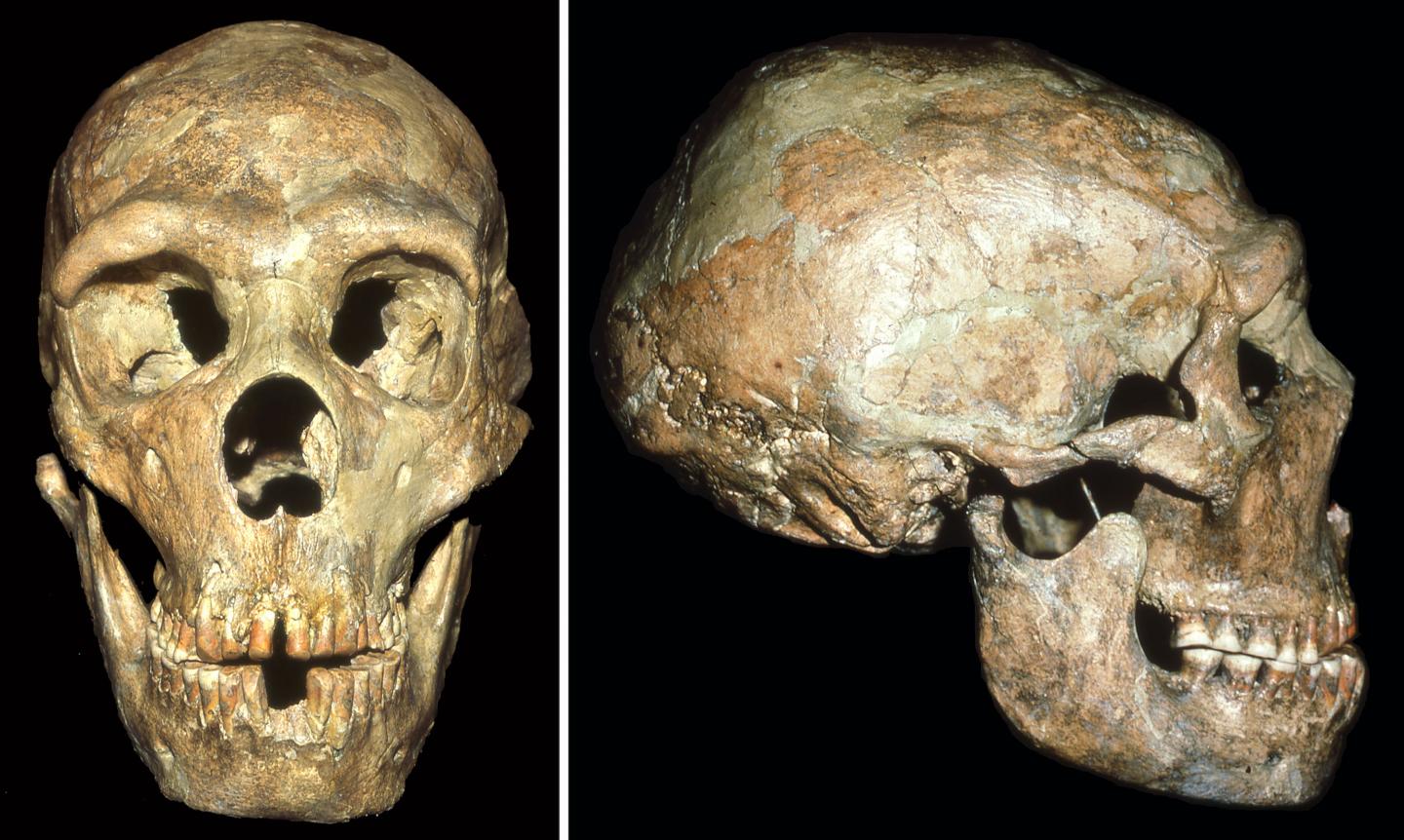
Neanderthals Were Compassionate, New Evidence Suggests Around 50,000 years ago, an older Neanderthal who had suffered multiple debilitating injuries and became deaf likely relied on others to avoid prey and survive into his forties, new analysis suggests. “More than his loss of a forearm, bad limp and other injuries, his deafness would have made him easy prey for the ubiquitous carnivores in his environment and dependent on other members of his social group for survival,” said Erik Trinkaus, study co-author and professor of anthropology in Arts & Sciences at Washington University in St. Louis. Trinkaus and colleagues’ research has been published in the online open access journal PLOS ONE. Known as Shanidar 1, the Neanderthal’s remains were discovered in 1957 at the Shanida Cave in Iraqi Kurdistan by Ralph Solecki, an American archaeologist. Previous studies of Shanidar 1’s remains had found evidence of multiple injuries, including a serious blow to the side of the face, fractures and the eventual amputation of the right arm at the elbow. It was also noted that he had suffered a systematic degenerative condition. In the latest analysis, Trinkaus and Sébastien Villotte of the French National Centre for Scientific Research confirm that bony growths in Shanidar 1’s ear canals would have produced profound hearing loss. Surviving in the hostile Pleistocene environment would have been highly challenging, even without hearing loss. As with other Neanderthals who have been found to have survived with serious injuries or disabilities, the authors suggest Shanidar 1 most likely required significant social support to reach old age. “The debilities of Shanidar 1, and especially his hearing loss, thereby reinforce the basic humanity of these much maligned archaic humans, the Neandertals,” said Trinkaus. Squirrels Spread Leprosy to England The prevalence of leprosy in the south-east of England during the medieval period could be explained by squirrel fur trade with Scandinavia, according to new research. Genetic analysis of a pre-Norman woman’s skull, unearthed from a garden in Suffolk, has added to growing evidence that East Anglia was the epicentre of a leprosy epidemic that spread through medieval England. New research, published in The Journal of Medical Microbiology, suggests the disease reached England through either contact with Scandinavia via Anglo-Saxon movement, or through the sustained trade in squirrel fur. Radiocarbon dating by researchers from the University of Cambridge confirmed that the woman, dubbed the “The Lady of Hoxne,” lived sometime between 885-1015 CE. Their analysis of the skull also detected traces of Mycobacterium leprae, the bacteria which cause leprosy. Squirrels are a known carrier of these bacteria. The disfiguring effects of leprosy were clear on the woman’s skull, providing evidence that she would have suffered extensive facial lesions and possibly nerve damage to her extremities. She was infected with the same strain of the disease that has been found in other remains in East Anglia. Sarah Inskip, Research Associate at St John’s College, Cambridge, and lead author of the paper, said: “This new evidence coupled with the prevalence of leper hospitals in East Anglia from the eleventh century onward adds weight to the idea that the disease was endemic in this region earlier than in other parts of the country. “It is possible that apparent clustering of leprosy cases in the East Anglia region could be attributed to chance – perhaps more medieval human remains have simply been uncovered in the region and the discoveries have been better conserved by a soil type containing high levels of bone-preserving chalk. However, the same conditions are also found in areas such as Hampshire and Dorset, where many early Anglo-Saxon cemeteries have been excavated, but no cases of leprosy have yet been reported.” Significantly, the same strain of leprosy that seems to have been prevalent in East Anglia has also been identified in medieval remains in Sweden and Denmark. This has led the authors to claim that North Sea trade links could have brought the disease to England. “It is possible that this strain of leprosy was proliferated in the South East of England by contact with highly-prized squirrel pelt and meat which was traded by the Vikings at the time this woman was alive. Strong trade connections with Denmark and Sweden were in full flow in the medieval period, with Kings Lynn and Yarmouth becoming significant ports for fur imports,” added Dr Inskip. Although leprosy has not been found in humans on the British Isles for over two centuries, a recent study has detected the infection in red squirrels on Brownsea Island in Dorset. Sequencing of the M.leprae strain that affects the squirrels found it to be closely related to that detected in the woman from Hoxne. “Research has already established that leprosy can be passed from armadillos to humans, so that it may also come from squirrels is an interesting idea,” said Inskip. “It is questionable how long the bacteria could have survived on fur or meat, but it’s notable that squirrels were also sometimes kept as pets.” “Perhaps it’s the movement of people and prolonged connection between East Anglia and Scandinavia that’s important to our understanding of the history of leprosy in the UK, but further research refuting or confirming the role of the fur trade could be highly enlightening and exciting”. Modern Society hasn’t Made Mankind less Violent Two anthropologists claim that people living in ‘modern-day nations’ are not less violent than their ancestors or people currently living in smaller hunter-gathering and horticultural societies. The research also claims that living in ‘a large, organised’ society increases the likelihood of surviving a war, pointing out that although ‘modern’ societies may have a larger number of soldiers or combatants who die in a war, they represent a smaller percent of the total population. Florida State University Distinguished Research Professor of Anthropology Dean Falk and Charles Hildebolt, a professor from the Washington University Medical School in St. Louis, make their claims in the journal Current Anthropology. “Rather than being more violent, people who live in small-scale societies are more vulnerable to a significant portion of their community being killed in warfare than those living in states because, as the old saying goes, ‘there is safety in numbers,'” Falk said in a press release. “We recognise, of course, that people living in all types of societies have the potential not only for violence — but also for peace.” Falk and Hildebot have found that war deaths for both small-scale and more modern state societies escalate with increasing population sizes. They attribute this, at least partly, to developments in weapons and military strategy. The authors claim their study challenges the idea that as nations and modern societies develop, there is a reduction in violence. Falk and Hildebolt analysed data on population sizes and death from intergroup conflicts in 11 chimpanzee communities, 24 human non-states, 19 countries that fought in World War I and 22 countries that fought in World War II. It was discovered that on the whole the chimpanzees were less violent than humans, pointing to humans having more severe forms of warfare. It was also found that, as with humans, the annual average percentage of deaths among chimpanzees declined as their populations increased. Featured image: The skull of a Neanderthal known as Shanidar 1 shows signs of a blow to the head received at an early age. Credit: Erik Trinkaus ]]>

Categories
Breaking News

Leprosy Bacterium Virtually Identical Now to Middle Ages Epidemic

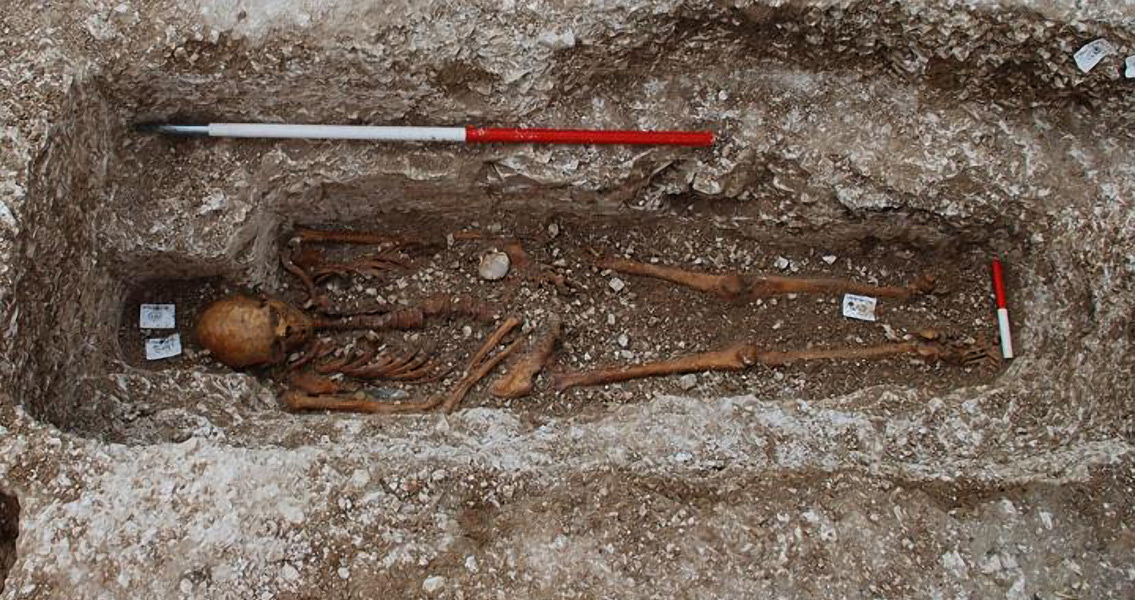
Mycobacterium leprae or Mycobacterium lepromatosis, it has affected human societies across the world for millennia. Reaching epidemic levels in the Middle Ages, leprosy continues to infect people to this day. The organisms responsible for leprosy are close relatives of M. tuberculosis, the bacteria that causes tuberculosis. Scientists theorise that leprosy enters the body through either breaks in the skin or through the mucous membranes of the nose, a theory supported by the fact that the disease tends to get transmitted after prolonged periods of close contact. Ultimately however, scientists are still unsure of the exact mechanism behind leprosy’s transmission. A multidisciplinary team investigated the strain of leprosy found in a leprosy hospital cemetery in Winchester, UK. Extensive tests were performed on a skeleton excavated from the cemetery, including genotyping, radiocarbon dating, biomolecular analysis, osteology, strontium, and oxygen isotopic analyses, as well as host of archaeological tests. Radiocarbon dating revealed that the remains studied had been buried in either the late eleventh or early twelfth century. The team believe that the individual was likely a wealthy religious pilgrim from outside the UK. As well as analysing the single skeleton in great detail, the team found that 86% of all remains sampled at the burial site displayed skeletal lesions indicative of leprosy. Simon Roffey and Katie Tucker, of the University of Winchester UK, and Michael Taylor of the University of Surrey, UK, along with their colleagues, determined that the M.leprae genome had not changed significantly since the terrible epidemic that ravaged the Middle Ages. The finding is hugely significant, suggesting that the lack of variation in the genome has allowed humans to build up a resistance to leprosy, leading to the substantial decline in the disease’s transmission. The strain of M.leprae sampled from the skeleton was found to belong to the 2F lineage, a strain which today is associated with leprosy cases in South-Central and Western Asia. Although most of the M.leprae strains found at the Winchester cemetery fall into the 2F lineage, the sample presented in the paper was genetically distinct from these isolates. It remains unclear exactly where or when the pilgrim actually contacted leprosy. Nevertheless, the team’s findings have the potential to greatly enhance our understanding of the transmission of leprosy in the past, and the present. “These findings confirm the benefits of a multidisciplinary approach which allows investigation of the wider relationship between leprosy, medieval pilgrimage and M. leprae transmission.” the authors write in the study, published in open access journal PLOS Neglected Tropical Diseases. Image courtesy of Roffey, S. and colleagues, PLOS Neglected Tropical Diseases ]]>

Categories
Breaking News

Ancient Faeces Shows Deadly Diseases Spread Along the Silk Road

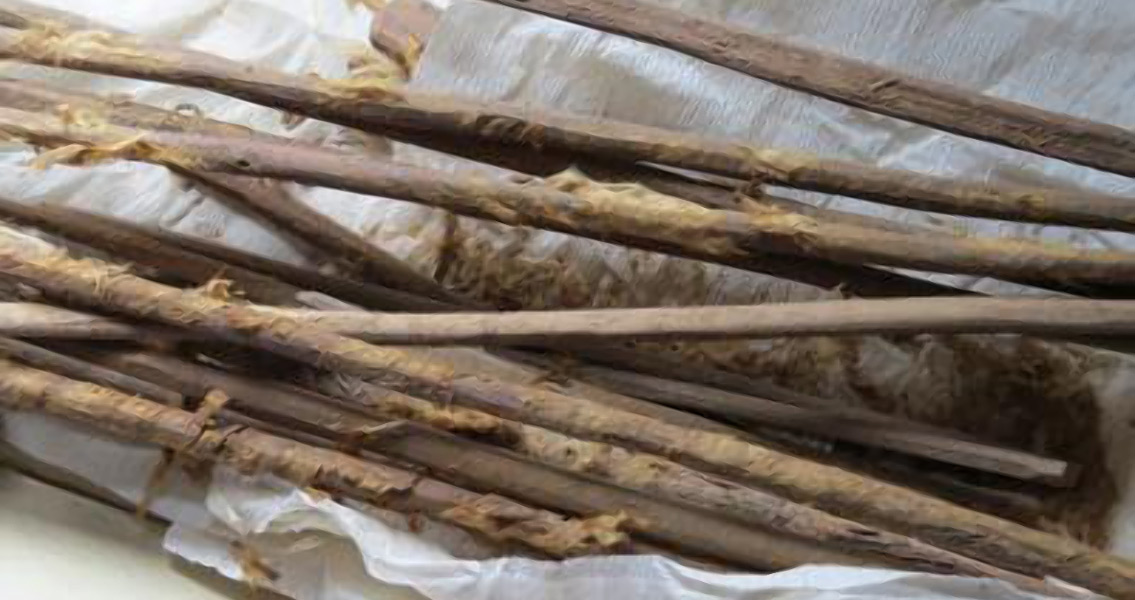
Journal of Archaeological Science: Reports, the discovery made through rather unpleasant means is described as momentous. It has long been thought that the Silk Road could have been a conduit for transporting diseases between Asia and Europe. Now, a 2,000 year old latrine in Western China has provided the first archaeological evidence that this was indeed the case. The findings are likely to be game changers in the history of the origin and dispersal of disease, possibly expanding our understanding of the spread of the Black Death in Asia and Europe, as well as other lethal diseases such as anthrax and leprosy. Hui-Yuan Yeh and Piers Mitchell from Cambridge University used microscopy to analyse the faeces preserved on ancient personal hygiene sticks (used to clean the anus). The sticks were unearthed from the latrine at what was a major Silk Road relay station on the eastern border of the Tamrin Basin, a region that includes the Taklamakan Desert. The researchers believe the latrine dates from 111 BCE and was in use until 109 CE. Chinese researchers Ruilin Mao and Hui Wang from the Gansu Institute for Cultural Relics and Archaeology carried out the initial excavations at the site in Gansu province. The relay station was a popular one, used by travellers as a place to stay, and government officials as somewhere to change horses and deliver letters. Mao and Wang found the hygiene sticks with cloth wrapped around one end. Four eggs from four parasitic worms were present in the faeces studied: roundworm (Ascaris lumbricoides), whipworm (Trichuris trichiura), tapeworm (Taenia sp.), and Chinese liver fluke (Clonorchis sinensis). The Chinese liver fluke provided the key evidence that infectious diseases could be spread over thousands of miles. A parasitic flatworm that causes abdominal pain, diarrhoea, jaundice and liver cancer, Chinese liver fluke requires well-watered, marshy areas to complete its life cycle, nothing like the dry, arid, desert-like environment the relay station was situated in. The liver fluke is simply not endemic to this region, and must have come from elsewhere. At present, the closest endemic area to the relay station for the Chinese liver fluke is Dunhuang, around 1,500 km away. The species is most prevalent in Guandong Province, some 2,000 km from Dunhuang. The authors of the study, from Cambridge University’s Department of Archaeology and Anthropology, argue that the person infected with the liver fluke must have traveled a substantial distance while infected with the parasite. As such, the finding presents the earliest archaeological evidence of diseases being carried large distances along the Silk Road. “When I first saw the Chinese liver fluke egg down the microscope I knew that we had made a momentous discovery,” said Hui-Yuan Yeh, in a press release from Cambridge University. “Our study is the first to use archaeological evidence from a site on the Silk Road to demonstrate that travellers were taking infectious diseases with them over these huge distances.” First coming to prominence during the period of the Han Dynasty in China (202 BCE – 220 CE), the Silk Road allowed merchants, explorers, soldiers and officials to travel between East Asia and the Middle East/Eastern Mediterranean. The fact that similar strains of bubonic plague, anthrax and leprosy have been found in both China and Europe has led many researchers to suggest the Silk Road was the conduit that spread the diseases, but archaeological evidence supporting this theory had been lacking. “Until now there has been no proof that the Silk Road was responsible for the spread of infectious diseases. They could instead have spread between China and Europe via India to the south, or via Mongolia and Russia to the north,” said Piers Mitchell, one of the study authors. “Finding evidence for this species in the latrine indicates that a traveller had come here from a region of China with plenty of water, where the parasite was endemic. This proves for the first time that travellers along the Silk Road really were responsible for the spread of infectious disease along this route in the past.” Image courtesy of Hui-Yuan Yeh. Reproduced from the Journal of Archaeological Science: Reports.]]>

Categories
Breaking News

Revealed: How Leprosy Came To Britain

PLOS ONE. The man’s skeleton shows the signs of having been afflicted by leprosy: the toe bones have narrowed and there is damage to the joints. By conducting modern DNA testing the team confirmed that the man, probably aged in his twenties, suffered from leprosy and may well have come to Britain from southern Scandinavia. The team tested the skeleton for bacterial DNA and lipid biomarkers which are characteristic of leprosy. What they found was quite remarkable. “Not every excavation yields good quality DNA,” Professor Mike Taylor, a Bioarchaeologist from the University of Surrey, said, “but in this case, leprosy DNA isolated from the skeleton was so good it enabled us to identify its strain.” Results of the tests showed the specific lineage which the leprosy strain belonged to. The lineage, called 3I, has previously been found in burial sites from Medieval Scandinavia and southern Britain. In the case of the team’s research, the leprosy strain comes from a much earlier period, dating from the fifth or sixth Century CE. By comparing the identified fatty molecules known as lipids from the different leprosy bacteria, the team confirmed that the 3I leprosy found in the Great Chesterford skeleton was different to later strains. Isotopic analysis of the man’s teeth also provided some interesting results. It seems that the Great Chesterford man did not come from Britain; he most likely grew up elsewhere in northern Europe, perhaps southern Scandinavia. It is possible, therefore, that he brought a Scandinavian strain of the leprosy bacterium with him when he traveled to Britain. Project leader Dr Sarah Inskip of Leiden University stated: “The radiocarbon date confirms this is one of the earliest cases in the UK to have been successfully studied with modern biomolecular methods. This is exciting both for archaeologists and for microbiologists. It helps us understand the spread of disease in the past, and also the evolution of different strains of disease, which might help us fight them in the future. We plan to carry out similar studies on skeletons from different locations to build up a more complete picture of the origins and early spread of this disease.” Leprosy today is mainly confined to tropical areas, but in the past it occurred in Europe. Human migration helped to spread the disease, with skeletons from the seventh century onward in particular exhibiting signs of it. The origins of leprosy and how it spread are, however, shrouded in mystery. The recent study of the Great Chesterford skeleton has given us a fantastic opportunity to understand leprosy and, in particular, how it spread. For more information: www.journals.plosone.org Image courtesy of Wikimedia Commons user: Netha Hussain]]>