Categories
Breaking News

New Species of Jurassic Dinosaur Discovered in Wales

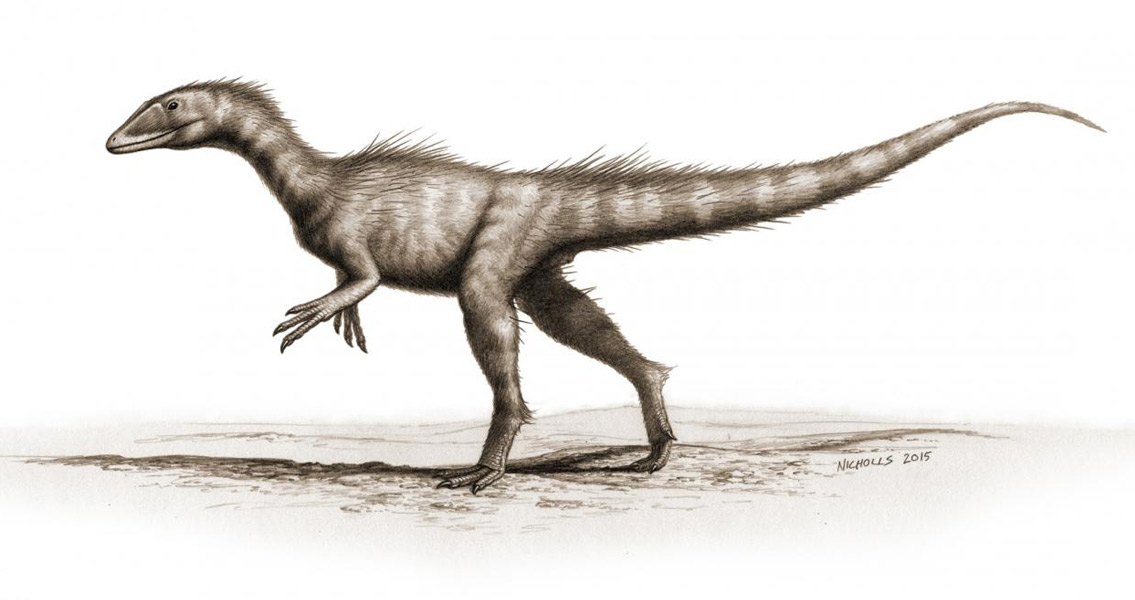
Plos One believe the creature had died on a nearby prehistoric island before being washed out to sea. Ending up on the Welsh coast, the theropod was buried in sediments over millions of years until eventually it was completely encased in what is today the cliff face at Lavernock Point. Following careful analysis at Portsmouth University, it was confirmed that the creature was indeed a totally new species of dinosaur. Scientists have named the theropod: Dracoraptor hanigani – the first part of the name means ‘dragon robber’, and is a reference to the national symbol of Wales, and the fact the creature belongs to the Raptor family. The second part is a tribute to the people who first discovered the fossilised remains: Nick and Rob Hanigan. According to the study, written by David Martill from the University of Portsmouth and his colleagues from the National Museum Wales and the University of Manchester, the creature could be the oldest Jurassic dinosaur ever discovered in the UK, possibly even in the world. Steven Vidovic, a paleontologist at Portsmouth University who worked on the remains and co-authored the study, told the Guradian: “It’s the best dinosaur fossil Wales has ever had.” 40% of Dracoraptor hanigani‘s skeleton has been recovered, including bones from all over its body. Piecing together the sections of snout, teeth, neck, arm, hand, pelvis, leg, foot and tail the paleontologists have started to make conclusions about this prehistoric creature. In life the specimen would have measured 70 cm tall and two metres long, with a long tail likely used to help its balance. Dracoraptor hanigani had sharp front teeth combined with smaller, serrated ones, leading the team to conclude the dinosaur was a meat eater. Many of its bones were not yet fully formed or fused, suggesting the specimen may be of a juvenile dinosaur. The discovery of the creature has the potential to fill some significant gaps in knowledge concerning a crucial period in the evolution and development of dinosaurs. Stratigraphic analysis of the cliffs where the remains were found indicate the creature lived in the Lower Jurassic period, a time when Theropod dinosaurs were likely to have been diversifying rapidly but from when very few remains are available. For Europe especially, all Theropod fossils tend to be isolated, fragmented bones. Mr. Vidovic explained Dracoraptor hanigani‘s significance in a press release: “The Triassic-Jurassic extinction event is often credited for the later success of dinosaurs through the Jurassic and Cretaceous, but previously we knew very little about dinosaurs at the start of this diversification and rise to dominance. Now we have Dracoraptor, a relatively complete two meter long juvenile theropod from the very earliest days of the Jurassic in Wales.” For more information: Plos One Image courtesy of Bob Nicholls]]>
Categories
Breaking News

Ancient Human Agriculture Helped Keep Earth Warm

here Image courtesy of Wikimedia Commons user: nevil zaveri]]>

Categories
Breaking News

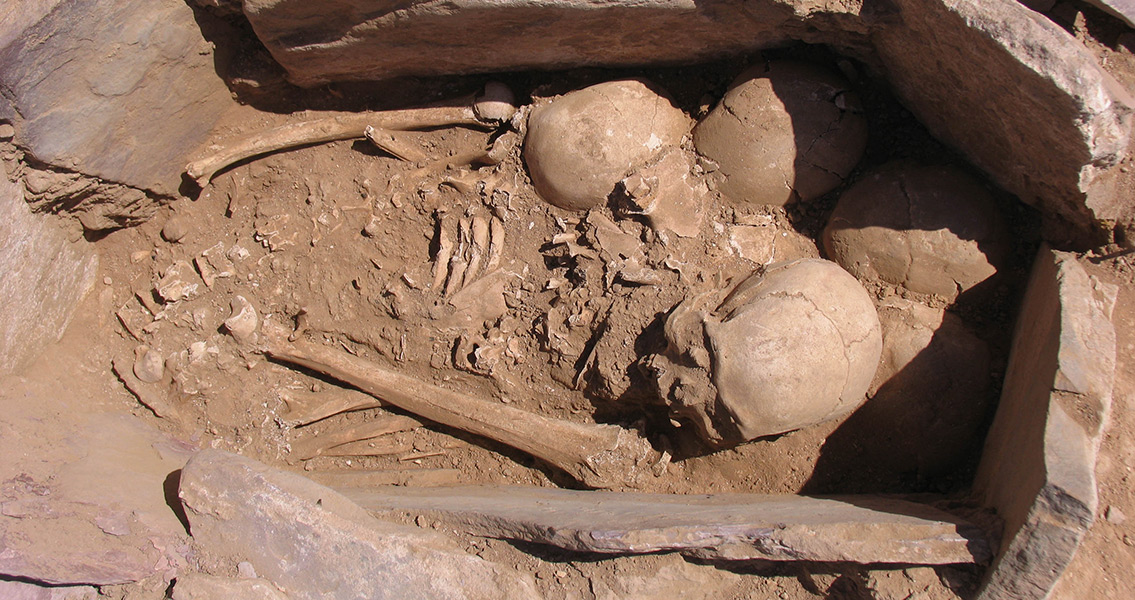
Archaeologists Discover a Neolithic Burial Ritual Like No Other

Categories
News

Anniversary of Queen Victoria's Death

Categories
Breaking News

Mass Civil War Grave Depicts “Pointlessness” of Conflict

Categories
Breaking News

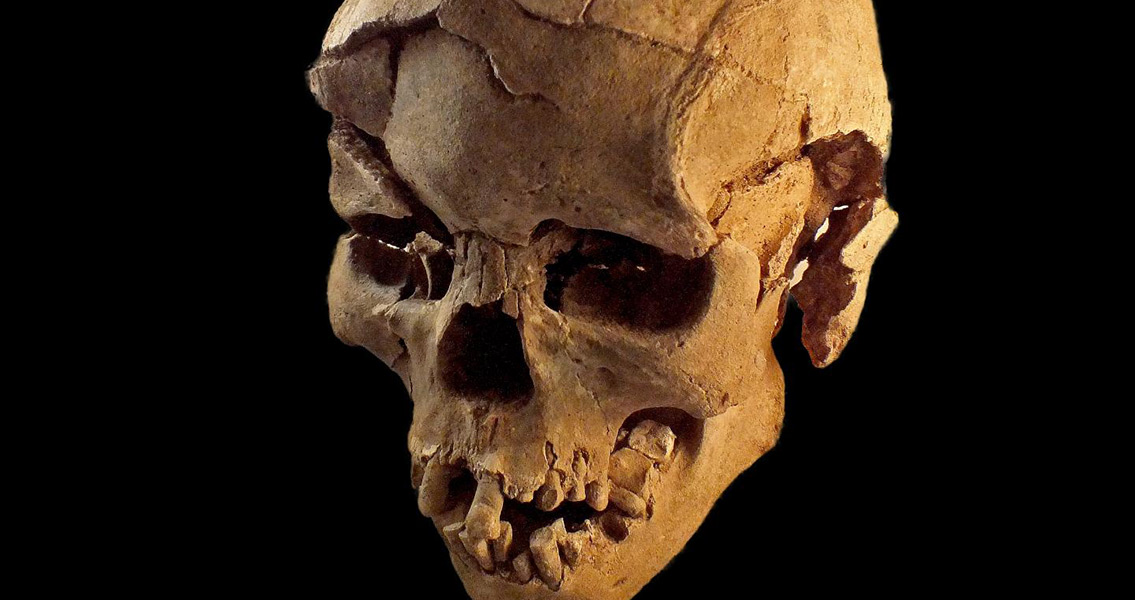
Earliest Massacre in History Discovered

www.nature.com Image courtesy of Marta Mirazon Lahr]]>

Categories
News

Did a Curse Sink the Neva or the Weather?

Categories
Breaking News

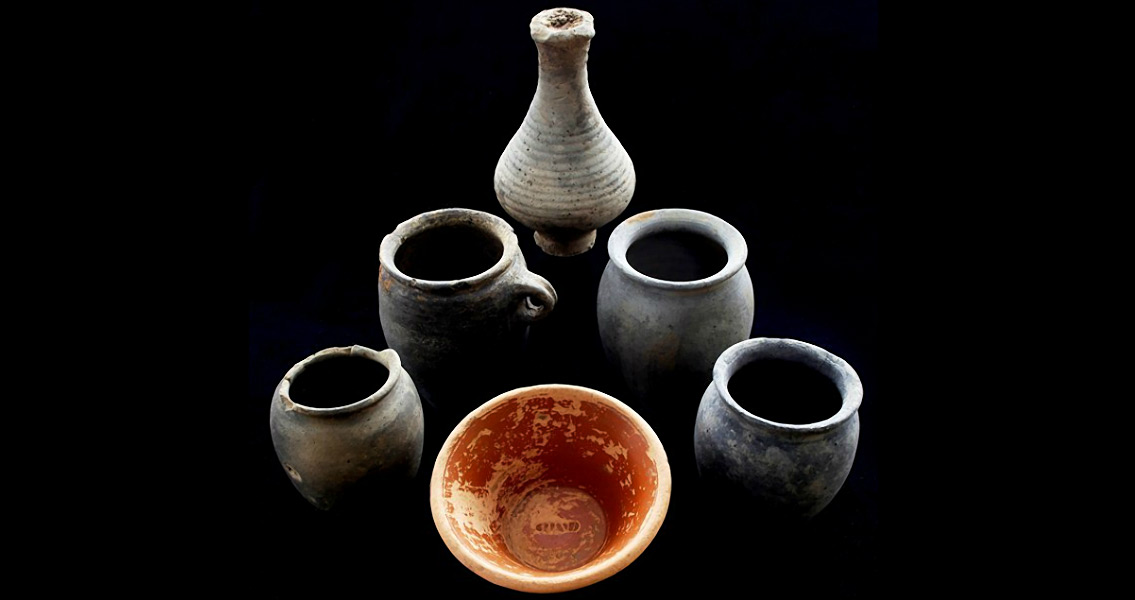
Ancient Artifacts Unearthed From British Roadwork

Categories
Breaking News

A Third of English Ancestors Were Anglo-Saxon Immigrants

Categories
Breaking News

His Left Foot Was Wood and Iron

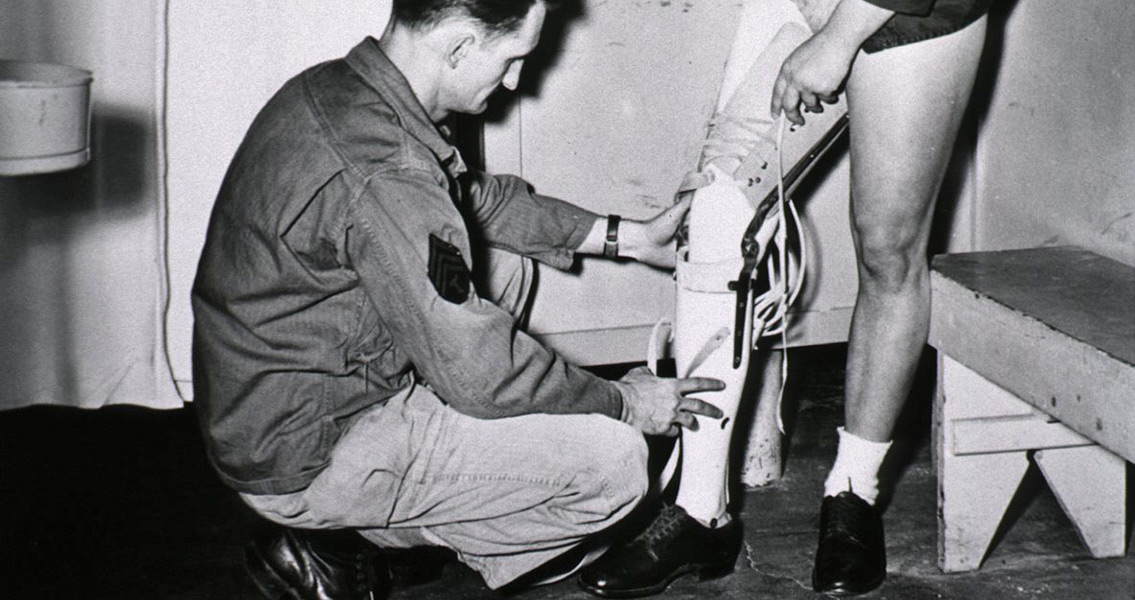
International Journal of Paleopathology. How the middle-aged man found with the prosthetic lost his left foot is unknown. Researchers used radiography and CT-scanning but were only able to determine the man had had a lesion which healed over. Further investigation revealed the man appeared to have recovered from his injury and walked with the use of the prosthetic implant for at least two years Regardless of how this sixth century man lost his foot, he more than likely belonged to a high social class, given he was buried close to a church and also with a sword. During this time period losing a foot, especially when the loss was through the bone as opposed to a joint, as this man’s was, would have resulted in excessive blood loss from the lacerated arteries and would have also been prone to infection – the combination of which would have resulted in death for most people. Finding an injury of this sort which had healed and then finding that person used a prosthetic limb successfully is practically unheard of. The field of human paleopathology (the study of diseases and related skeletal conditions) is generally considered to have started between the mid-nineteenth century and World War I, when a number of anthropologists and physicians pioneered and defined the medical nature and pathologies of ancient skeletons. A review of human paleopathology was published in 1929 by H.U. Williams. Between the World Wars when methods such as radiology, serology and histology began to be applied more frequently, thereby improving diagnosis and accuracy, was when palaeopathology began to truly be considered a scientific discipline. Following World War II, paleopathology started to be viewed as a valuable tool for the understanding of past societies, thus the discipline started its connection to epidemiology and demography. Additionally, new techniques in the field of molecular biology began to add new information to the data already known concerning ancient disease, especially with the introduction of DNA which could be retrieved from centuries old samples. Archaeologists have increasingly used palaeopathology as an important tool for understanding the lives of ancient peoples. For example, in the ancient Maya population where there is evidence of trepanation, which is the practice of drilling holes in the cranium, either once or several times in an individual, paleopathology has determined that patients very often survived the procedure. According to researchers, the latest prostheses discovery is a long way from holding the title of the oldest known use of a prosthetic device. The commonly held belief is that prosthetic limbs were used in the Greco-Roman world as well as in ancient Egypt, although the archaeological proof of this practice before the 2nd millennium CE is rare.]]>