Categories
Breaking News

Excavation of Haihunhou Tomb in China Completed

ChinaDaily, Department of Culture head for Jiangji Province Chi Hong remarked that the finds will be put on display after conservation efforts have been completed, and that archaeological researchers are hard at work removing the accumulated detritus left behind by two millennia of entombment. Liu He, the individual interred within the tomb, was found buried with several jade artifacts. Sharing the coffin with the remains were an oversized jade pillow, which Liu He was laid to rest on, as well as a sword and pendant made from the same material. Other artifacts made from jade include a seal inscribed with the man’s name laid across his waist. A gilded glass mat lies beneath Liu He, itself lying upon a pile of 100 pieces of gold cakes. The amount of gold pulled from Haihunhou tomb has already broken all Chinese archeological records. 478 individual artifacts have been discovered so far throughout the tomb. Other treasures, such as jade-inlaid bronze plaques, gilded bronze boxes and beads of agate were also found within several lacquered wooden boxes within the coffin identified through X-ray imaging techniques. Ancient Chinese literary works, such as ‘The Medical Book’, ‘The Book of Rites’, ‘The Book of Changes’, and ‘The Analects of Confucious’ were also found within the tomb, all of which were written on more than 5,000 individual slips of bamboo. These slips have been subjected to infrared scanning in order to clarify the writing, long since faded to near-illegibility, and work continues to further scan, clean and solidify these texts, to be completed by the end of the year. Additional research on these bamboo texts will begin in 2017, according to Chi Hong. Liu He, who lived from 92 BCE to 59 BCE, was given the title of Marquis Haihun after his dethronement. The Western Han monarch’s reign only lasted for 27 days, the shortest of its kind. Records dating from the time period say he was deposed because his lifestyle was considered exceedingly inappropriate for the time, as he neglected to comply with many of the Han Dynasty’s cultural taboos prohibiting certain actions during the mourning period for the recently deceased Emperor Zhao, Liu’s uncle. A total of 1127 misconducts were recorded by the Dynasty and used as justification for his dethronement. ]]>

Categories
Breaking News

Black Sea Mapping Project Uncovers Shipwrecks, Prehistoric Lands

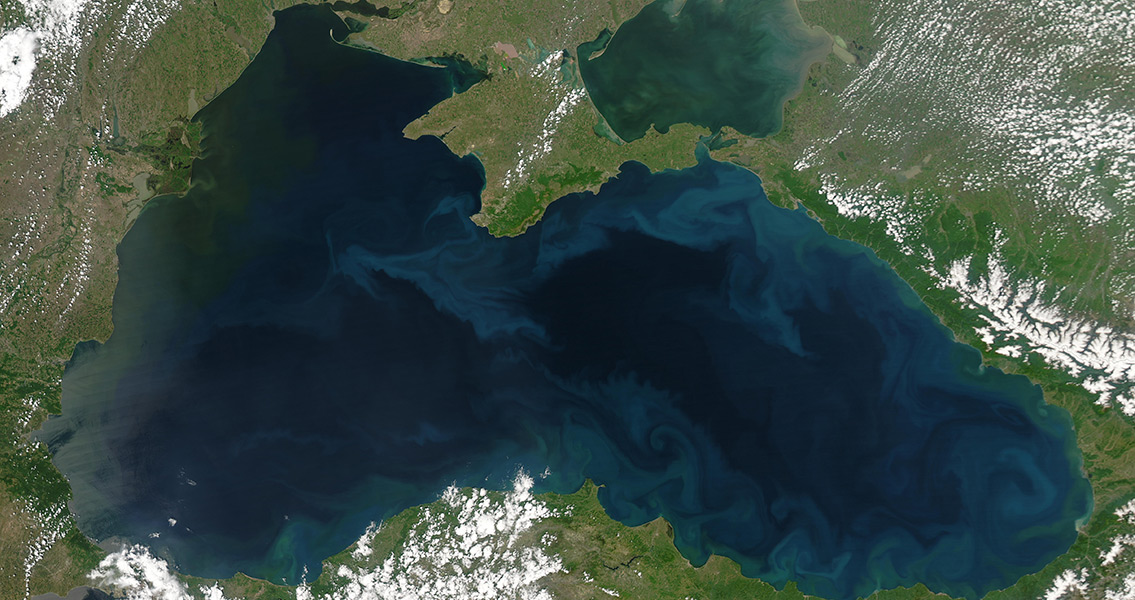
ScienceDaily that the team is attempting to answer some of the biggest unknowns when it comes to when the water level of the Black Sea rose, how rapidly it did so and what type of impact it might have had on human populations that were inhabiting the coast of Bulgaria at the time. The majority of the work has consisted of geophysical surveys, thanks to the aid of two specially designed Remotely Operated Vehicles (ROVs), but the investigation also calls for several core samples to be taken from the seabed in order to reconstruct the prehistory of the Black Sea, Professor Adams added. These two ROVs have already discovered a wealth of new information, especially when it comes to ancient shipwrecks. Thanks to the highly advanced technologies fitted to these two submersibles, which includes the ability to take high-resolution 3D images, laser scans and gather other types of geophysical data, the remains of more than forty ships have so far been found resting on the bottom of the Black Sea within the search area. Many of these ships date back to the Ottoman and Byzantine empires and offer some of the first real-world examples of shipbuilding dating to these time periods. Additionally, thanks to the lack of oxygen in the waters of the Black Sea at depths over 150 meters, these ships are also remarkably well-preserved. Professor Adams remarked that the images the team has been able to capture have been “astonishing”, especially in light of the fact that the technology being used by these ROVs has been able to operate without necessitating the disturbance of the Black Sea’s seabed. The scientist had high words of praise for the public/private partnership that made this expedition a reality, singling out the EEF as being one of the “enlightened bodies” that funded the academic research. The Centre for Marine Archaeology allied with the Bulgarian Centre for Underwater Archaeology and the Bulgarian National Institute of Archaeology in order to launch the Black Sea MAP project. It’s joined by the Marine Archaeological Research Institute from Sweden’s Södertörn University, Greece’s Hellenic Centre for Marine Research, and the University of Connecticut in the United States. ROV technology innovations were provided by private company MMT. ]]>

Categories
Breaking News

New Digital Archaeology Techniques Reconstruct Pompeii

VOA News, scientists from Lund University in Sweden have been working hard on the long-standing research project since 2010. A year’s worth of field work scanning a city district in danger of deterioration led to four years of digital reconstruction work; the results include a digital video showcasing the neighborhood, including the residence of one of the richest citizens of Pompeii, a Roman banker by the name of Caecilius Iucundus. In addition to the luxurious Roman villa, the team from Lund University also discovered several gardens, a bakery, a laundry and a tavern in their study of the city district. Researchers were also able to extrapolate some of the city’s social hierarchy through studying the water and sewer systems of Pompeii. Restaurants and retailers in particular were found to be highly dependent on large, wealthy families, who controlled the flow of water to their buildings, the scientists found. The project in its current form has its roots in an initiative that was born from necessity several decades ago. In 1980, a massive earthquake struck southern Italy, causing not only high levels of damage to local architecture but also resulting in the deaths of more than 2,000 individuals. In the wake of the event, curators for the city put the call out to the international research community to preserve Pompeii’s history before nature and the passage of time resulted in the loss of priceless archaeological data. The Swedish Institute in Rome was one of the organizations to answer the call. This resulted in the Swedish Pompeii Project being launched in 2000; ten years later, Lund University joined the project, bringing their digital archaeology techniques into play. The digital reconstructions, as well as additional information on the project, can be found at Lund University’s website Additionally, an accompanying research paper describing the methods used in digitizing the Pompeii neighborhood can be found here]]>

Categories
Breaking News

Ancient Chinese Burial Yields Massive Cannabis Cache

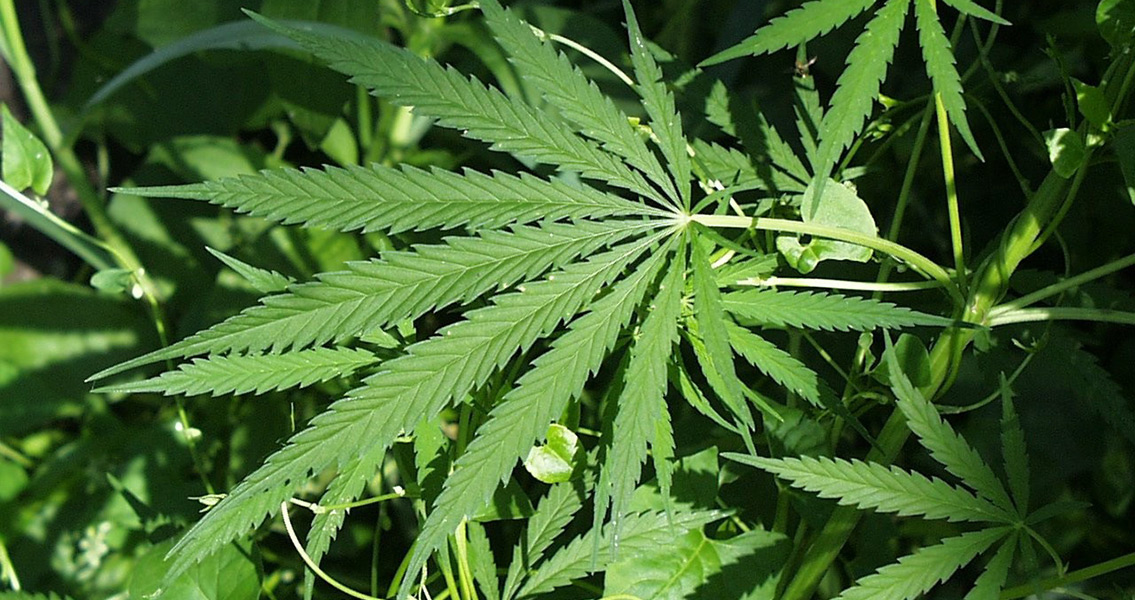
National Geographic, the remains of a 35-year-old man with Caucasoid features were found in the Turpan Basin of northwest China. The man had been laid to rest on a wooden bed, his head resting on a reed pillow, and covered in thirteen cannabis plants, each of which were nearly three feet in length. The plants themselves were found to be in remarkably well-preserved condition; the burial is likely to have occurred anywhere from 2,400 to 2,800 years in the past, based on radiocarbon dating. At that period of time Turpan would have been a well-known stop on the Silk Road thanks to its status as a desert oasis. The people inhabiting the region, known as the Subeixi – or the Gushi Kingdom – were active from 2,000 to 3,000 years in the past; the burial was found among nearly 250 others in Turpan’s Jiayi cemetery, which is closely associated with the Subeixi. This new discovery is the first of its kind to feature the recovery of complete cannabis plants. Additionally, it is the first recorded instance of these plants being used, in essence, as a sort of human “burial shroud”, as the plants were laid across the chest of the deceased man at a diagonal. However, this is not the only evidence of cannabis being associated with Turpan burials, as a grave from nearby Yanghai cemetery, thought to have been dug contemporaneously with the Jiayi cemetery grave, featured nearly two pounds of seeds and powdered leaves from the plant. Meanwhile, archaeological research into regions of Asia to the west of the Gushi Kingdom has also yielded burials where cannabis seeds played a role. Several Scythian burials dating to the first millennium BCE in southern Siberia included the plant, among them the grave of a woman who might have been suffering from breast cancer. Some researchers have suggested that she may have been using cannabis partly to provide some relief from the pain of her condition. Determining the origin of the plants included in the Turpan burial has proven to be problematic, as it is the first instance of intact plants being included in a grave. With cannabis finds in the region prior to this in the form of parts of the plant, it’s unknown whether the cannabis found in the Jiayi burial had been obtained through trade or if it had been grown locally. Because the plants were discovered laid flat on the body of the deceased, researchers believe they were fresh at the time of the burial, making it more likely the cannabis had been grown locally and harvested specifically as part of a funerary rite. Additional evidence supporting this claim includes the state of the plants themselves. The plants – all of them female – had nearly all been pruned of their flowering heads. Those that were intact were nearly ripe and some even contained still-developing fruit. This has raised the suggestion that, according to the cannabis growing season, the burial must have occurred in the later days of summer if the plants had been collected locally. The research study associated with the find, recently published in the journal Economic Botany, is available online at http://link.springer.com/article/10.1007/s12231-016-9351-1?view=classic ]]>

Categories
Breaking News

Bronze Age Mycenaean Tomb Yields Historic Jewelry

Categories
Breaking News

Roman-era Coins Found in 12th-Century Japanese Ruins

Categories
Breaking News

Quicksand – Bane of the Dinosaurs?

Washington Post, Jim Kirkland, a paleontologist for the state of Utah, remarked that the initial thought was that he and his team had stumbled across a small body of water where animals might have frequently drowned or fought, but this didn’t fit the bill because of how the fossilized remains were found – encased in a type of sandstone that differed from the surrounding geology. In an attempt to understand the strange find, Kirkland allied with Edward Simpson, a paleontologist from Kutztown University in Pennsylvania, to determine what might have happened to these Utahraptors. The answer, it seems, is deceptively simple: quicksand. Quicksand, Kirkland explained, does not operate under the same rules that Hollywood productions throughout history have assumed. A mix of sand and water, quicksand appears solid until something (like a heavy dinosaur) steps on it. At this point the quicksand becomes more liquid temporarily as the extra weight disturbs the equilibrium of the mix of water and sand, turning the area into a soupy mix. However, once the water and sand are given time to separate again the mixture solidifies, trapping whatever may have stepped within. Kirkland, Simpson, and several colleagues were able to reconstruct the events that led to the entrapment and death of at least nine Utahraptors in eastern Utah more than 100 million years ago, by studying how quicksand traps behaved near Lake Powell, a man-made reservoir that straddles the Utah-Arizona border. However, the key was in the discovery of a second dinosaur species within the sandstone block alongside the Utahraptors. The remains of iguanadonts, beaked plant-eating dinosaurs, were also found within the fossilized quicksand, researchers revealed. The iguanadonts that became trapped within the quicksand likely died there, attracting predators and scavengers such as the Utahraptors to the location as well. Each of these carnivorous dinosaurs would have become trapped, but it’s unclear if the group arrived one at a time or all at once. Researchers hope to continue studying the giant rock slab in the future in order to reveal that piece of the puzzle; for now though, work has been halted temporarily in anticipation of a crowdfunding campaign to raise sufficient funds to ensure fossil preservation and to enlist the aid of noted paleontologist Scott Madsen. Regardless, the revelation that this series of Utahraptors died in rapid succession due to quicksand is groundbreaking, according to Kirkland. The paleontologist remarked that the accompanying research paper is the first of its kind to publish findings revealing a quicksand-related predator death trap. The paper revealing the findings are available from the journal PALAIOS here ]]>

Categories
Breaking News

Chemical Analysis Turns Moon Origin Theories on Head

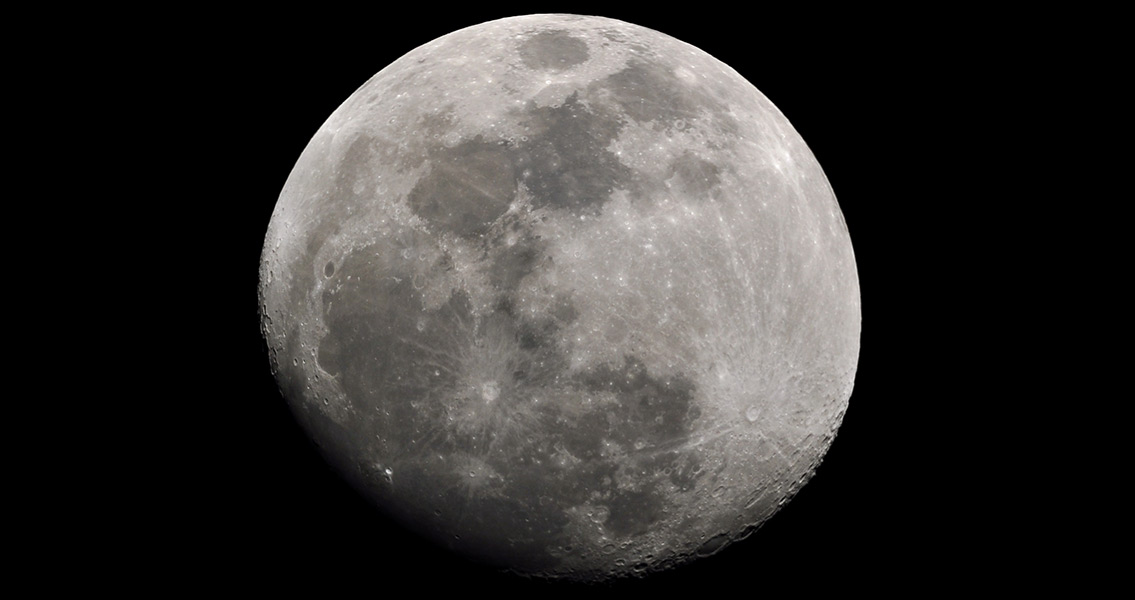
Nature, can be found online here]]>

Categories
Breaking News

Excavation Halted After Discovery of Ancient Remains

Categories
Breaking News

Spectacular Irrigation Systems Revealed in Petra

Haaretz that the massive pool was the end point for a sophisticated aqueduct that fed water into Petra from a spring in the hills outside of the city. The ostentatious nature of the pool – and the exquisite gardens fed by the flowing water – would have sent a clear message to outsiders regarding how successful the Nabataeans were at providing water to the city, she added. Excavations within the city have found a shaft that seems to have funneled water at least 10 meters down, linking the aqueduct to the pool below. Scientists have likewise uncovered subterranean channels that would have provided support for runoff during the region’s rainy season, showcasing how the Nabataeans left nothing to chance. This seemingly unending array of underground water tanks, cisterns, ceramic pipes and channels would have done more than simply supply drinking water to those living in the desert city. In addition to naturally filtering the water, this system would have also made it possible to cultivate growth such as olives, grapes, fruit trees and other crops, and was so efficient that there was enough left over for a massive open-air pool surrounded by lavish gardens. With only 10 to 15 centimeters a year in rainfall, the flourishing of Petra is nothing short of miraculous. It was necessary to develop these advanced irrigation techniques, scientists say, or the city would have never been able to exist. These water preservation and filtration systems conserved every drop of rain that fell in or around Petra, which combined with the Nabataeans’ efforts in piping in fresh water from nearby springs, allowed the desert city to bloom in a remarkable way as early as the first century BCE, when the monstrously-large pool is thought to have been built. Images of the recent excavations can be found here]]>