


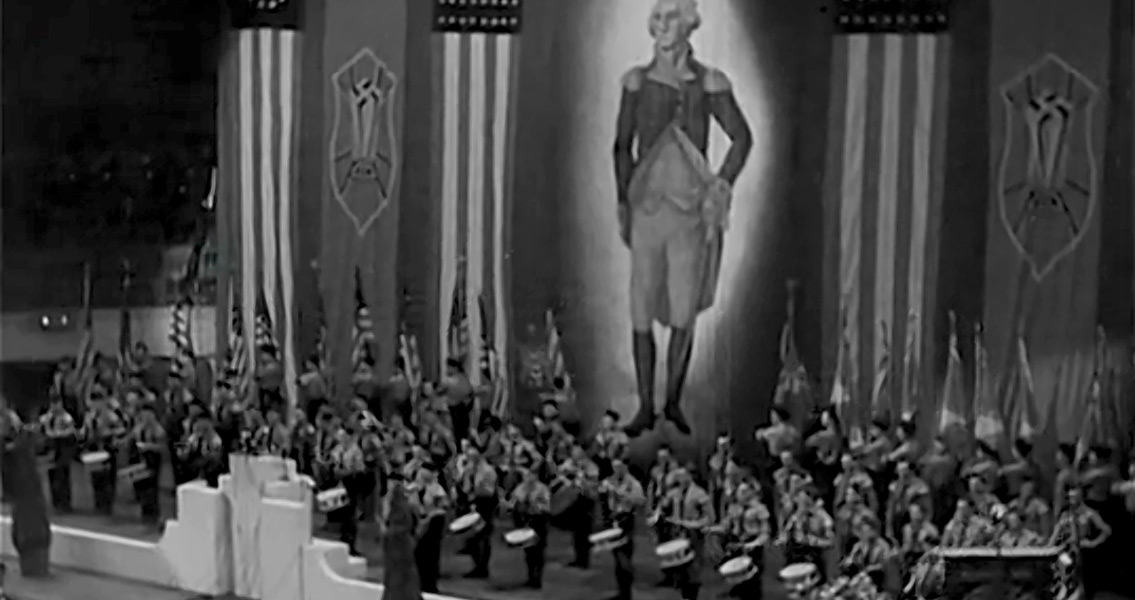
Novak, a writer for Gizmodo. “The card index file was found among the Consulate Office effects stored in the Bekins Warehouse, 116 South Western Avenue, Los Angeles. The cards were 3″x 5″ in size and for the most part contained no further information than the name, address and telephone number.” reads a 1945FBI memorandum about the list. “The file apparently contained the names, addresses and telephone numbers of individuals contacted by the Consul or other members of the Consulate staff. Many of the names on the list are those of prominent citizens in Southern California. No explanation accompanied the list.” Why the Nazi regime stored such a list is far from clear. It shouldn’t be assumed that everyone on it worked with the Nazis, or even came into regular contact with them. It does raise interesting questions however, about the links the Nazis were able to make with American society, particularly in the years before the USA entered the Second World War against the Axis powers. Some on the list definitely did work with the Nazis. Dr Erich Breitung, for example, was head of the Nazi party’s American Information Services in 1933. The organisation’s sole goal was to distribute Nazi propaganda throughout the USA, and it had offices throughout the country to that end. Norman Chandler, a future publisher of the LA Times, is unsurprisingly on the list. Chandler visited Nazi Germany in the 1930s as a guest of the regime. He had spent much of the decade defending Hitler and the Nazis against liberal journalists, until war made it impossible to continue doing so. Others listed make the cards seem like a who’s who of American society. Show business names recorded include Jason Joy; Twentieth Century Fox’s head of public relations, Hans Peter; an art director at Twentieth Century Fox, and Henry Noerdlinger; from MGM’s research department. From the world of Academia is Ernest C. Moore, the co-founder of UCLA, and Dr. M. Delbruck from Caltech. A host of other university professors and lecturers are included, as well as W.A. Bryan, the director of the Los Angeles Museum. From the world of business is Robert Gross, at the time the head of Lockheed, and from the media: Mrs. R. W. Trueblood and Edwin Schallert of the LA Times. The list provides a shocking reminder of just how involved the Nazis were in the culture of their future Allied enemies in the decade before the outbreak of the Second World War. For years, representatives of the regime went to great lengths to spread Nazi propaganda internationally, and it is often easy to forget just how successful they were, and how divided opinion was concerning the Nazis. In Britain, King Edward VIII agreed with some Nazi policies, and famously disagreed with his country’s involvement in the Second World War. In 1937, a year after abdicating the throne, he had personally met Hitler in Germany. For some in the US and Western Europe, the Nazis were a more attractive prospect than the Communists that had taken over the Soviet Union, and therefore garnered some sympathy. The Consulate list provides a reminder that public opinion towards the Nazis was far from unified in the 1930s. ]]>
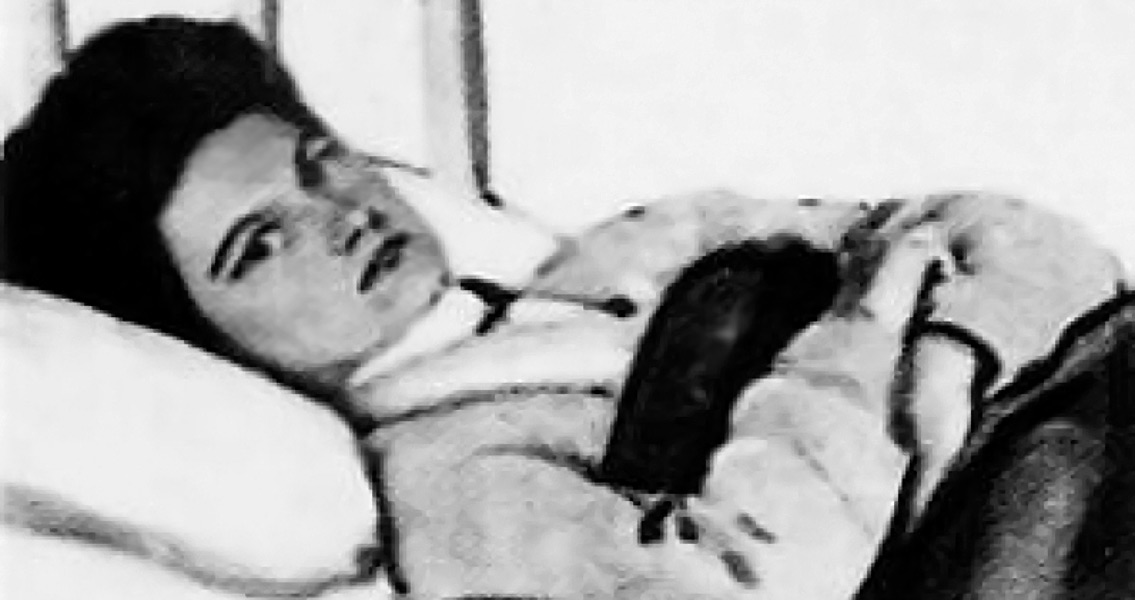
Salmonella typhi. Between 1900 and 1907 over twenty people fell sick with typhoid fever in houses where Mary worked in New York City and Long Island. Often, the disease would appear shortly after Mary had started working at a house, but she would leave before its source could be traced. Typhoid was one of the most devastating diseases of the twentieth century. Infection spread though households quickly, often meaning multiple members of a family could be infected before anyone realised what they were dealing with. The symptoms in the first week of infection are barely distinguishable from a common case of flu; by the third week it triggers inflammation of the brain and intestinal hemorrhaging. In the early nineteenth century typhoid fever was associated with the poor sanitation in deprived slums. The disease’s appearance in the home of wealthy New Yorkers left epidemiologists flummoxed. In 1907, New York City Department of Health sanitary engineer George Soper; a specialist in typhoid fever epidemics, was called to investigate an outbreak at a house in Manhattan. Soper met with Mallon, who’d also worked at a household hit with the disease he’d investigated the previous year. He soon realised that all 22 cases of the disease that had recently hit New York and Long Island could be traced back to the woman the press would soon dub Typhoid Mary. Mary fled, but the authorities caught her and had her committed to an isolation centre on North Brother Island. She was finally released in 1910, on the condition she’d never again work in a job that involved handling food. Within four years, two more epidemics broke out, one at a sanatorium in New Jersey, the other at a hospital in Manhattan. Soper was immediately suspicious, and eventually found that Mary had worked at both under an alias. In 1914 she was captured by the authorities, and sent to North Brother Island once more. Through it all and up until her death, Mary refused to accept she was responsible for the typhoid fever that had followed her for at least fourteen years, questioning how she could spread a disease she didn’t seem to be suffering from herself. Some are cynical about this: asking why, if she was so convinced she wasn’t spreading the disease, she fled after each outbreak. However aware Mary really was of her condition, hers is a challenging case. She was vilified by the press and afforded no anonymity, spending a quarter of her life confined to a quarantine facility. Even now, it provides a difficult case study in the balance authorities need to seek in protecting the public interest while also maintaining an individual’s civil rights. ]]>
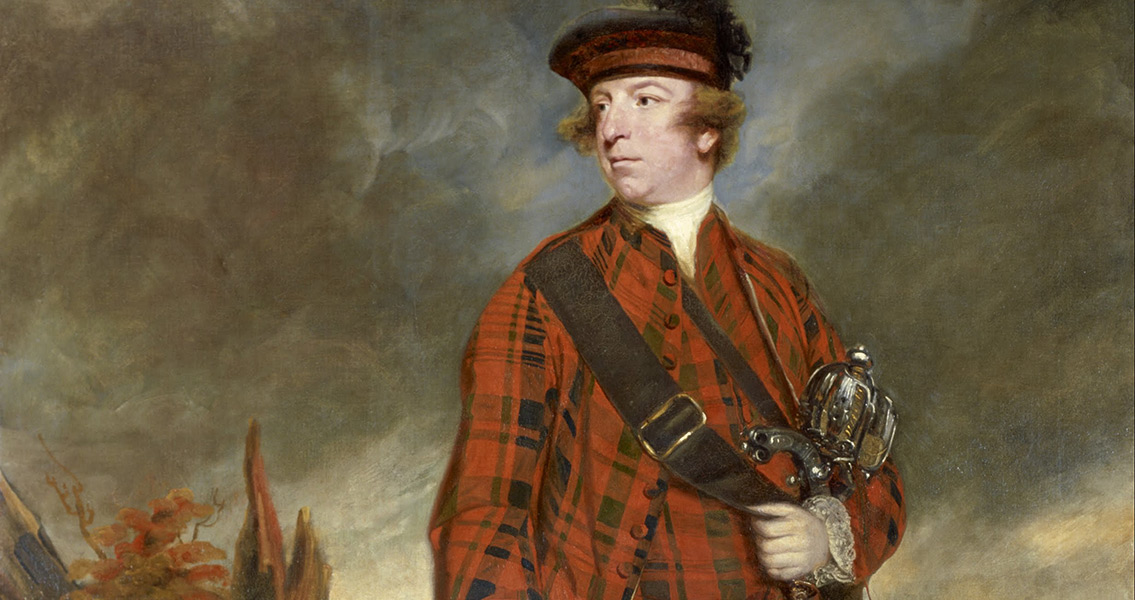
Fowley. For several months he and the royal forces survived by launching guerilla style raids, stealing supplies from the colony. As early as 1772 Dunmore had made clear his belief that Virginia’s 180,000 strong slave population had the potential to be a formidable weapon if pushed to rebel against their masters. Initially, Lord Dunmore feared that an enemy power would take advantage of the slaves’ desire for freedom to sow discord in the colony, but by 1775 he was willing to use this weapon to his own ends as he desperately tried to counter the growing Patriot militia. Word of the plan spread. At the first signs of unrest in the colony, slaves began to offer their services to Dunmore. Once he had taken refuge on the HMS Fowley, Dunmore started recruiting slaves to his cause, building a force to bolster his perilously outnumbered troops. On 7th November Dunmore’s proclamation was drafted, and published soon after. The rebellion quickly escalated. The aim was clear. Slave insurrection would distract the patriots, forcing them to deal with slave rebellions while also crippling production in the colonies. At the same time, it would swell the forces willing to fight for Dunmore, whose armies had been cut off from reinforcements stationed in Boston. In practice the proclamation infuriated the colonists. Plantation owners who had hitherto remained uninvolved in the rebellion were suddenly pushed into action against the crown, incensed by Dunmore’s seemingly reckless actions. Around 800 slaves managed to break free and join Dunmore’s forces, 300 of them being inducted into ‘Lord Dunmore’s Ethiopian Regiment’. It wasn’t enough however, and by June 1776, Dunmore’s forces had been devastated by a small pox outbreak and a string of victories by the Patriots. Longer term however, Dunmore’s Proclamation was hugely significant. The British never repudiated it, and as the Revolutionary War wore on thousands of black slaves were encouraged to risk everything in an attempt to break free and join the British forces. Long after the American War of Independence had drawn to a close, the momentum continued; slaves continued to fight for emancipation, and more and more abolitionists in the USA and Britain were drawn to support the cause.]]>