www.juhsagepub.com Image courtesy of Wikimedia Commons user: Thehero]]>
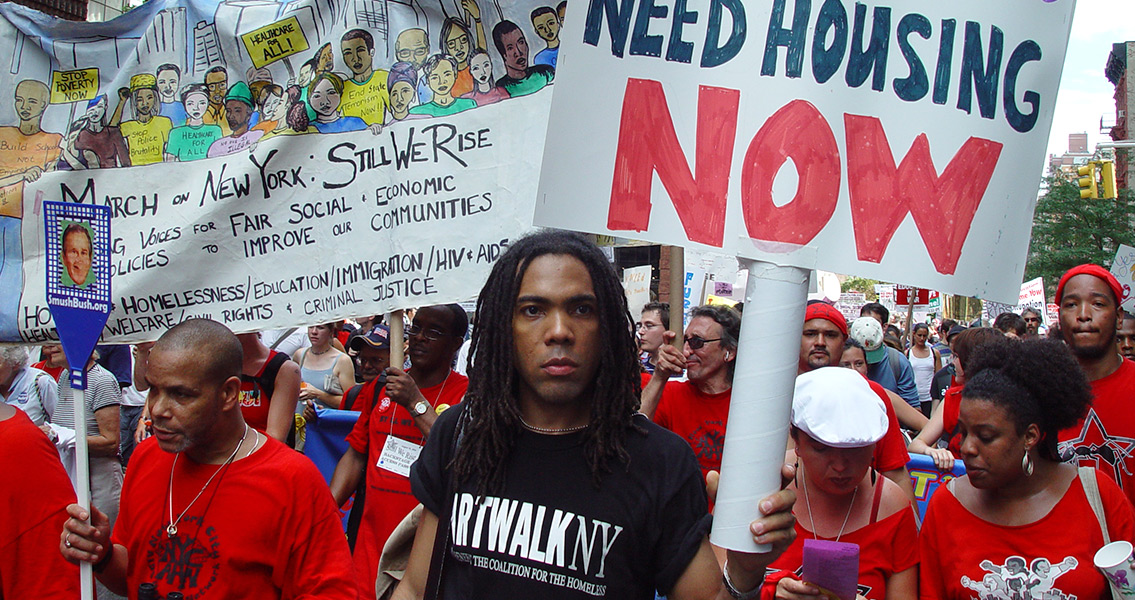
www.juhsagepub.com Image courtesy of Wikimedia Commons user: Thehero]]>


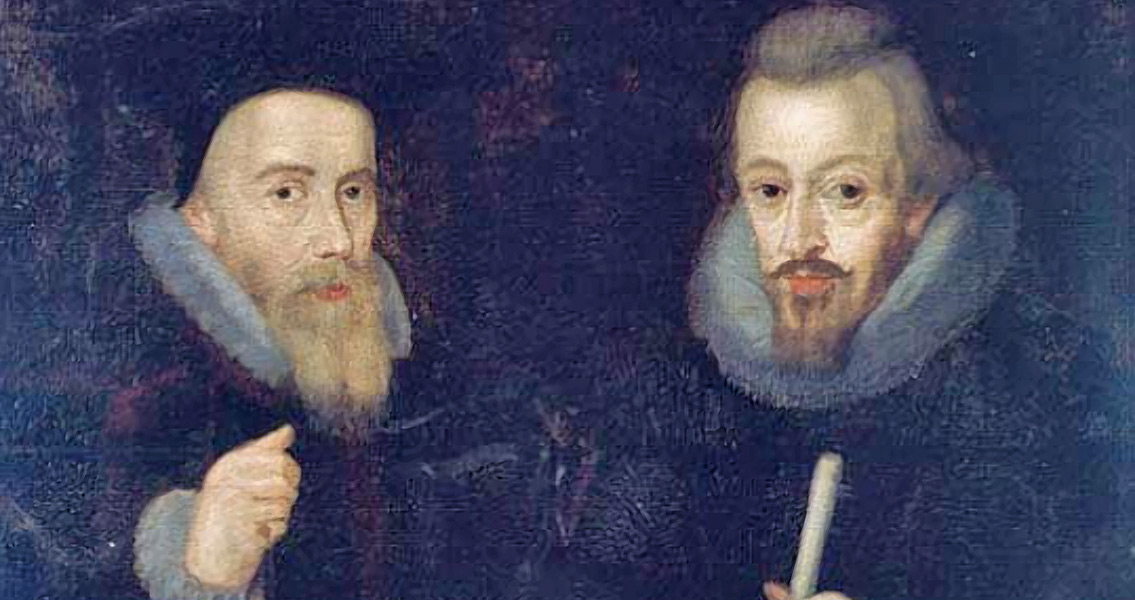
A Relation of the State of Polonia and the United Provinces of that Crown – and presented a version to King James I of England and VI of Scotland. An intriguing new study has focused on this text and drawn attention to its little-known author. Sebastian Sobecki, in his article recently published in the journal Renaissance Studies, examines the ties that Peyton enjoyed with a man extensively involved with state security: Robert Cecil, Secretary of State for both Elizabeth I and James I. Sobecki argues that John Peyton’s Grand Tour between 1596 and 1601 – where Peyton visited Germany, Bohemia, Poland-Lithuania, Switzerland and Italy – was an intelligence gathering operation to discover Spanish diplomatic activity in the Empire and in the Polish-Lithuanian Commonwealth. “Peyton’s reports are not ethnographical travel accounts or itineraries,” Sobecki writes. “Instead, [they] contain detailed and remarkably comprehensive accounts of the governance and political life of the countries he visited. In this regard, Peyton’s writings, although they are in English are closer to the factual qualities of Latin diplomatic writing.” A Relation of Polonia contains a vast amount of very nuanced information. The political structure of the Polish-Lithuanian Commonwealth forms the heart of the work, with particular discussion of the electoral system behind the Commonwealth’s royal elections. Some of the longest sections, with the most detailed treatment, concern the armed forces and warfare, Sobecki notes. In his description of the Polish people, Peyton noted that “they are large of body, tall, vprighte, and personable. The gentry full of ceremonies, ciuill [civil] and curteous in enterteinement, bountifull at table, costly in dyett, greate gourmandes, and quaffers, not sleepy, nor heavy in theire dronkennesse, as the Dutche, but furious, and quarrellsome, highe-mynded, and proude, but in a iollity, and not surly, as the Germans.” Sobecki notes that, despite this portrait of the Poles being very comprehensive by contemporary standards, Peyton’s real interests lay elsewhere. The sheer amount of administrative detail in Peyton’s work is unlike any other travel account of central Europe from the sixteenth or seventeenth centuries. Peyton’s works, for Sobecki, “amount to substantial and accurate studies of the type supplied confidentially by modern ambassadors to their governments. Throughout, the organizing principle of each text is the stake England held in the places Peyton visited. Trade, religious denominations, domestic political profiles and foreign relations and alliances – all these dominate Peyton’s reports.” To understand why Peyton compiled these works, Sobecki has explored Peyton’s relationship with Cecil. The 1590s saw an arms race between the Earl of Essex and Cecil, Sobecki explains. Essex, leading the anti-Cecil faction at court, increasingly relied on the provision of intelligence to boost his reputation. Cecil seized the opportunity given to him when appointed Secretary of State to build up a system of espionage that surpassed all others. “By the end of 1597, Cecil was England’s undisputed spymaster,” Sobecki writes. At about this time, Peyton’s father, Sir John Peyton, emerged as one of the most important pieces in Cecil’s domestic intelligence network. Sir John was even appointed to the post of Lieutenant of the Tower, a very sensitive office. “There is no shortage of notes and reports from Sir John to Cecil about prisoners’ activity and intelligence,” Sobecki notes, “including in-depth accounts of Raleigh’s emotional breakdown and the searching of Essex’s person.” The younger Peyton’s reports of Poland-Lithuania, therefore, seem to be works of espionage. Sobecki has clearly shown that Peyton the Younger’s accounts are no mere travel diaries for personal reflection, they are in-depth studies of central Europe undertaken by a man with close links to England’s security network. Sobecki’s work reveals that espionage and subterfuge were sophisticated operations in the Early Modern period. For more information: www.onlinelibrary.wiley.com Image courtesy of Wikimedia Commons user: Bascon]]>


www.journals.plos.org ]]>
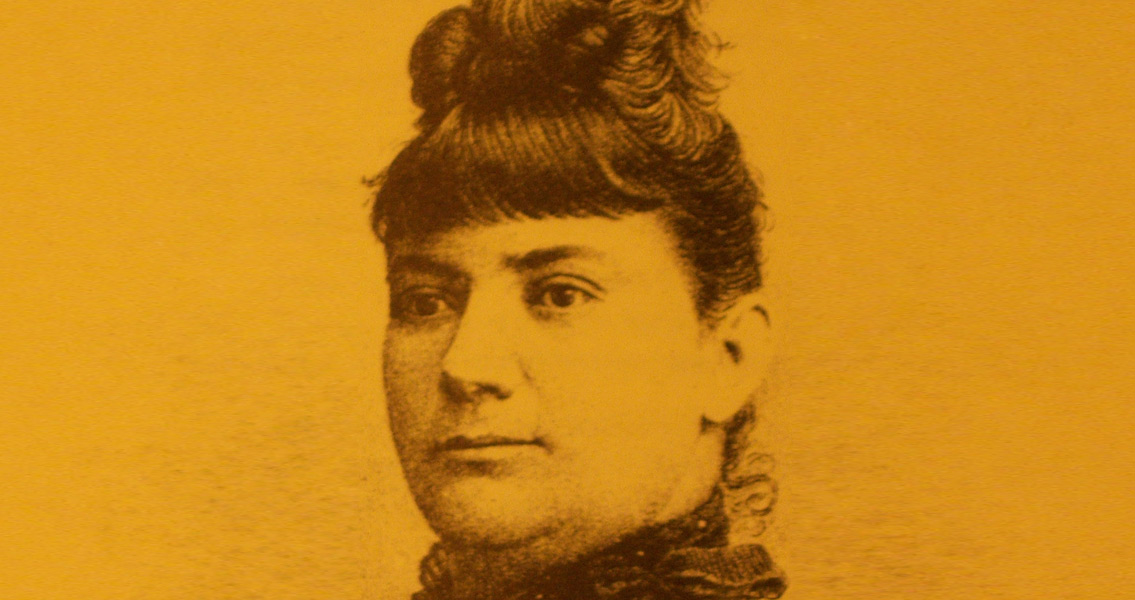
Journal of Women’s History, “that women biographers produce works of greater intensity because of our commitment to understanding a woman’s life and to redressing the under-representation of this type of biography.” Méndez was born into a Mexican society which was dominated by traditional, religious values. Catholicism shaped both public and private life in late-nineteenth-century Mexico. She witnessed a period of great change that led to a modern country marked by the separation of church and state and the beginnings of a more secular society. Bazant describes Méndez as “a protagonist of that transformation.” Méndez produced newspaper reports, essays and articles on teaching for over forty-two years. In a male-dominated world which was averse to equality for women, she faced numerous obstacles. Remarkably, Méndez supported herself and her children on a meagre teacher’s salary whilst leading the feminist cause in Mexico. Very few biographies of Mexican women exist today. As a result, there is a historiographical gap which means we have only a partial understanding of Mexico’s past. Biography, for Bazant, represents a means of revealing the existence of an individual and the context in which their life transpired. “In women’s studies in particular, biography is considered a watershed, as the history of one woman’s life gives meaning to times and places and combines theoretical and methodological aspects and historical subfields: daily life, intellectual and cultural history, emotional history, socio-economic and gender history, and the history of literature and art,” Bazant writes. From Bazant’s work emerges a portrait of an immensely courageous and talented woman. In the summer of 1891, Méndez moved to San Francisco, California. Without knowing English, without guaranteed work, and with children aged eleven and thirteen, Méndez’s bravery is admirable. “In that city, where Laura lived in anonymity, she learned about women’s liberation, referring to the idea of women having the same educational opportunities and doing the same work as men while earning comparable wages,” Bazant writes. “In addition to giving Spanish classes to well-heeled ladies for a dollar and a half an hour, an exorbitant amount by Mexican standards, she sent articles to be published in widely read Mexican newspapers: El Imparcial, El Mercurio, and her own Revista Hispanoamericana.” Her articles spoke of women’s enormous influence in San Francisco, arguing that if a truly grandiose project were to be undertaken, the best strategy was to involve women. Progress, both material and spiritual, formed the central topic of many of Mendez de Cuenca’s articles, Bazant explains. By revealing Laura Méndez de Cuenca’s remarkable life, Bazant has added significantly to our understanding of Mexico’s past. Her work allows us to glimpse the individual and societal changes taking place during a very important part of Mexico’s long history. For more information: www.muse.jhu.edu Image courtesy of Wikimedia Commons user: Ufi]]>
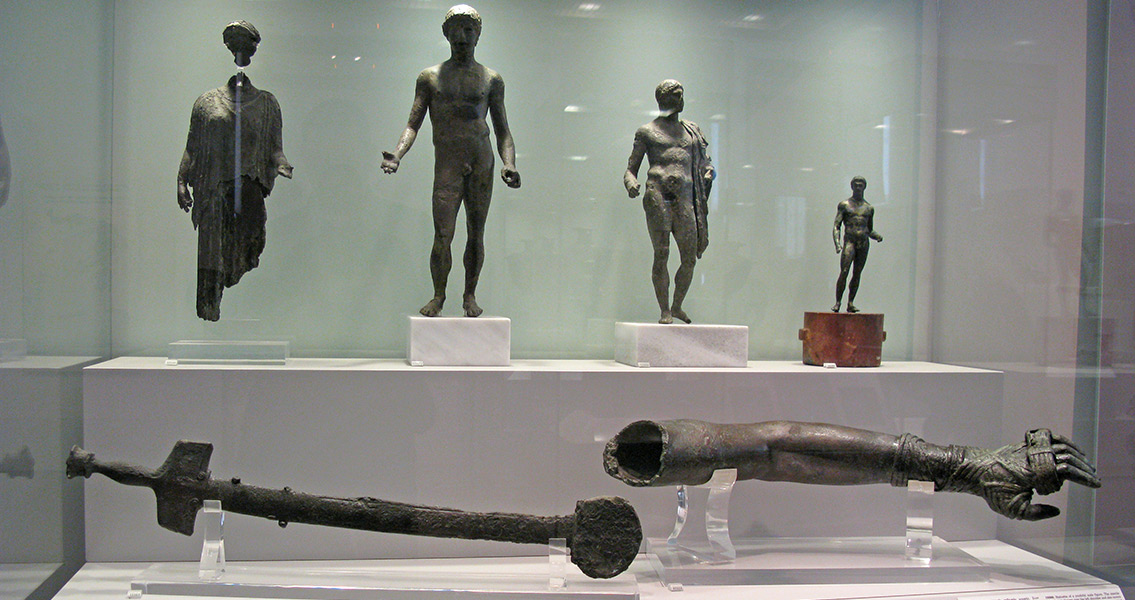
www.antikythera.whoi.edu Image courtesy of Wikimedia Commons user: Tilemahos Efthimiadis from Athens, Greece]]>

http://www.boydellandbrewer.com/store/viewItem.asp?idProduct=14539 Image courtesy of Wikimedia Commons user: W. Monkhouse/ Wellcome Trust]]>