Categories
Siege of Jerusalem Turns into a Massacre

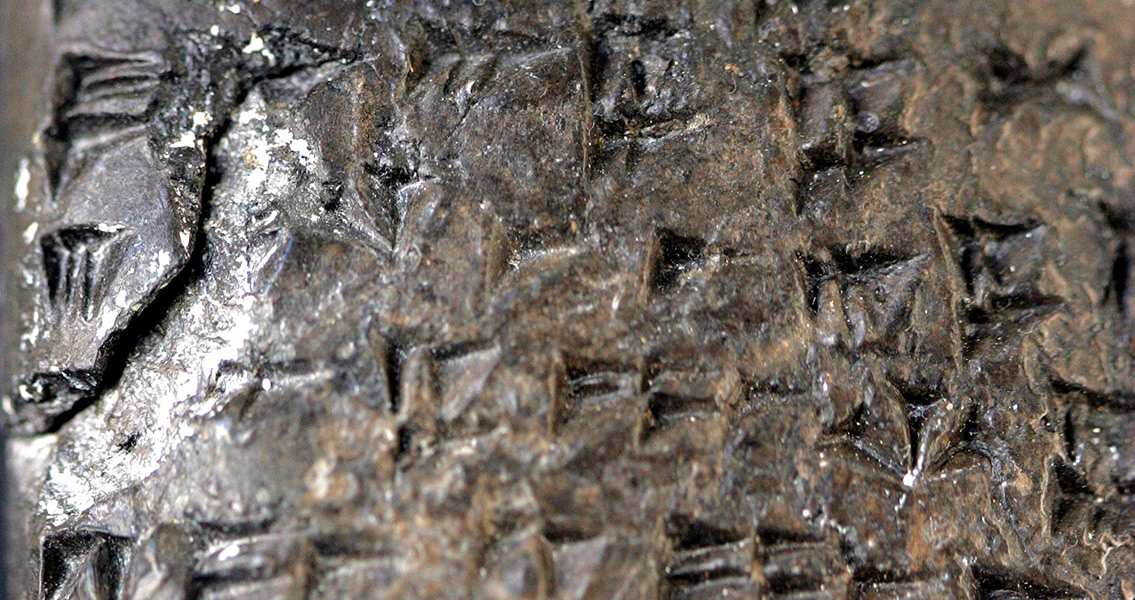
YouTube video, the University of London’s Dr. Richard Dumbrill confirmed the age and origin of the 29 tablets, remarking that all were dated to around 1,400 BCE and were penned in the Hurrian language, most certainly written by Akkadians. Today, all 29 tablets are on display in The National Museum in Damascus – far to the south of their original location, the royal palace of Ugarit – the ruins of which are located along the northern reaches of the Mediterranean coast of Syria. Nikkal, whose name means “Great Lady and Fruitful”, would also come to be worshiped by the Canaanites and the Phoenicians. Her feast day was likely in late summer, when fruit-bearing trees would have been harvested; it is likely then that Akkadian musicians would have raised their lyres in praise to the goddess. She was also worshipped by the Sumerians, where she was known by the name Ningal. After studying tablet H6, Professor Anne Draffkorn Kilmer developed an interpretation of the song in 1972. According to an article in the Daily Mail, the University of California emeritus professor of Assyriology and curator of Berkeley’s Lowie Museum of Anthropology was able to match the top part of the tablet, which contained the lyrics to the hymn, to the number of notes indicated on the bottom half, which were musical notations that acted as instructions for playing the hymn. While the approach Prof. Kilmer used didn’t produce a single note melody but instead harmonies, the notation numbers on the bottom of the tablet matched the number of syllables on the top. The chances of this happening unintentionally, according to the professor, are incredibly unlikely. The Daily Mail also interviewed musician and composer Michael Levy, who specializes in researching ancient musical instruments. Levy recorded a performance of the hymn – also available on YouTube. He told the Daily Mail that the H6 tablet is the oldest nearly complete example of an actual melody discovered to date. Levy remarked that as the expression of emotion through sound, music likely predates the use of language in prehistoric humans. As the oldest known example of actual written music, dating to around 3,400 years in the past, The Hurrian Hymn is unique in its ability to be interpreted and performed in the modern day, the musician added. To hear Levy’s performance, visit Youtube Image courtesy of Wikimedia Commons user: Rama]]>
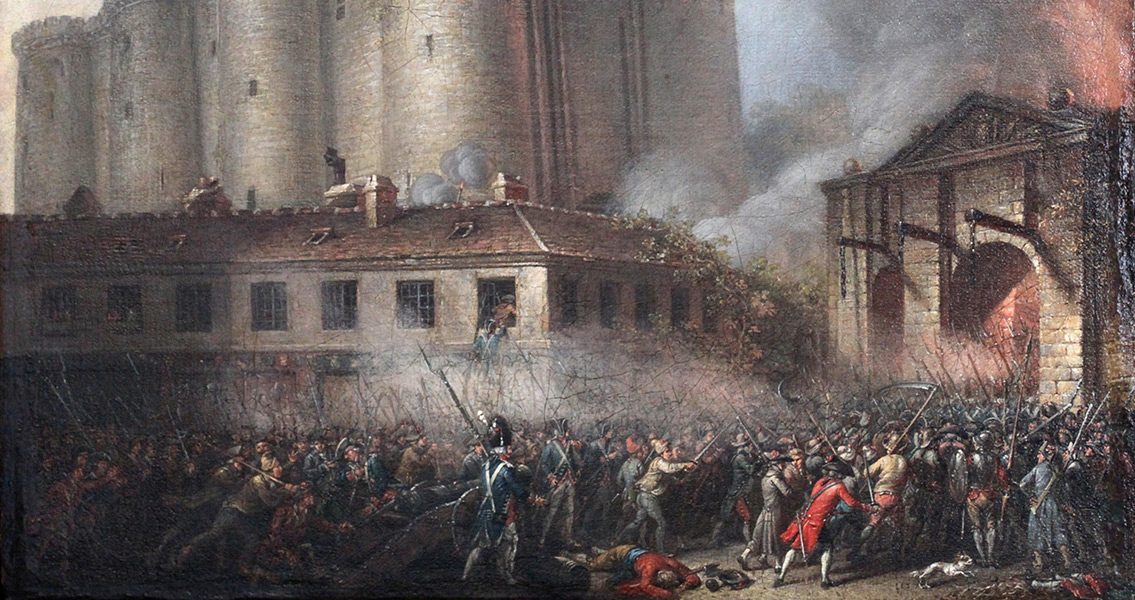
Jean-Paul Marat, rioting and looting consumed the city as Parisians prepared for a siege. On the morning of the 14th July, a massive mob descended on the Bastille. Demanding the prison governor open the gates to allow them access to the ammunition stores, the mob charged when he refused to surrender. A bloody battle ensued, but the mob eventually took control of the Bastille, killing the governor in the process and then proceeding to carry his head through the streets on a spike. The ramifications of the events of 14th July were quickly understood across Europe. The English newspaper The World declared a few days later, “A National Revolution, brought about in a period so short, has had no parallel in the History of the World: and although fatal to some, the lives that have been lost in this great accomplishment, are, in point of numbers, inconsiderable.” In France, the anniversary of the Storming of the Bastille is a national holiday, highlighting the significance with which the event is still held. The starting point of years of revolution in the country, which only came to an end with the rise of Napoleon; the 14th July 1789 heralded the era of conflict between people and power that continues to shape history to this day. ]]>
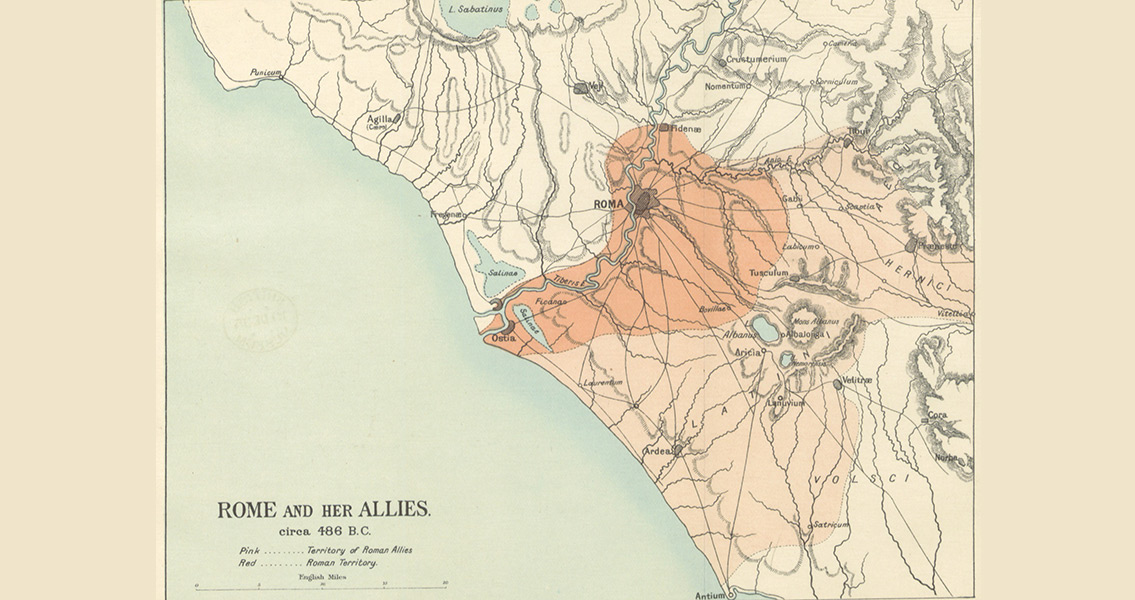
The Local, the bodies consisted of lower class, working Romans, all of whom had lived modest lives and all of whom had died between the ages of 20 and 40-years-old. Earlier studies have shown that the average working Roman who lived 2000 years ago suffered a variety of health issues and seldom lived past 30 years of age. Skeletons exhumed over the past 15 years in conjunction with other construction work have revealed the brutal reality of a worker’s life in ancient Rome, whose skeletons display high occurrences of fractured and broken bones, bone cancer and chronic arthritis, brought about by the extreme working conditions at the time. The common injuries faced by ancient lower-class Romans between the first and third century CE also included broken hand bones, noses and collar bones. However, the ancient inhabitants of Rome were also adept at treating these injuries, developing effective solutions that allowed them to keep working years after sustaining even severe injuries. Although effective, it seems they weren’t pretty – Roman doctors simply placed a wooden cage over the broken bone, immobilizing it until the pieces eventually fused themselves together. Aside from the absence of workplace safety laws, studies have also highlighted the long hours of back-breaking labor endured by workers, with chronic arthritis in the back, knees and shoulders found in the skeletons of those who were only 20 when they died. It goes without saying that the life of the average worker in Rome stands in stark contrast to the good health the city’s elite enjoyed. ]]>

Current Biology, available here Image courtesy of Wikimedia Commons user: Bart van Dorp]]>

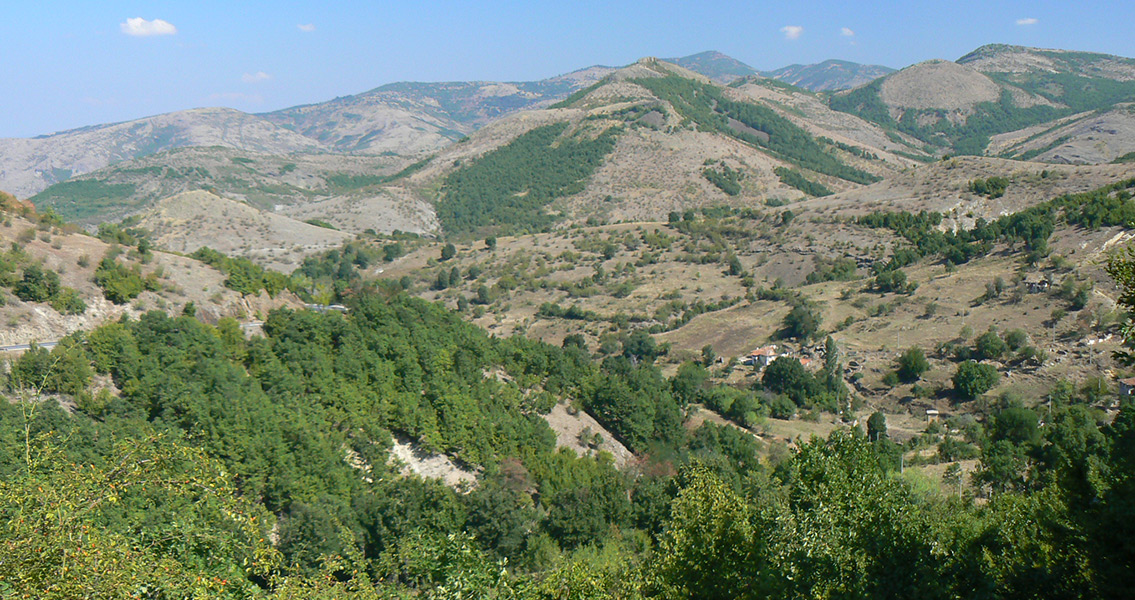
Archaeology of Bulgaria as Hellenistic period body and head adornments, with 11 rings that bear the images of ancient deities like Nike, the victory goddess. Archaeologists also found a silver coin used in the ancient Greek city of Maroneia, which was located on the coast of the Aegean Sea. The coin, a tetradrachm, was used as an obol, a coin which was ritually placed under the tongue of a deceased person as payment to the Charon, the mythical ferryman of Hades who transported the souls of the deceased across the rivers Acheron and Styx to the underworld. Several of the artifacts recovered from the grave are believed to have been produced in either Maroneia or other Greek cities along the Aegean coast, which is only 100 km away. Some however, were made in the prehistoric Thracian Odrysian Kingdom. The combination of imported and locally made items is believed to be evidence of the material culture enjoyed by these ancient people. The Thracians were actually a group of individual Indo-European tribes that inhabited a large region in southeastern Europe. It’s generally accepted that the Thracian people were in existence starting in the early Bronze Age. In Greek mythology, Thrax (also known as Thracian) was known as one of the sons of the god Ares. The excavations are being privately funded by businessman Alexander Mitushev, who made headlines last year when he purchased a Bronze Age archaeological artifact; a toy stork which could be the oldest children’s toy in Europe. An amateur archaeologist, Mitushev discovered a stone altar last year only 4 meters from the rock grave. ]]>
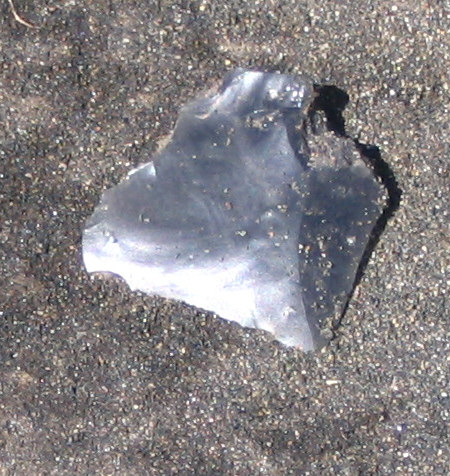
Journal of Archaeological Science: Reports, can be found here]]>