Categories
Breaking News

Giant Polar Bear Skull Could Belong to 'King' Bear

Western Digs article, adding, “The back of the skull is longer and comparatively narrow, for example, with features that are noticeably different from those of modern polar bears. The front part of the skull, from roughly the eyes forward, is like that of typical polar bears,” Jensen said. Research biologist Dr. Raphaela Stimmelmayr compared The Old One to over 300 polar bear skulls kept at the University of Alaska Museum of the North and discovered several others that had similar features, making it unlikely that The Old One was entirely unique. “It’s possible it’s a subspecies,” Jensen says in the article, “or perhaps it’s more like [with] domestic dogs, where a borzoi and pug are considered members of the same species, [and] not [a] subspecies, even though their skulls are far more different than this is from a standard polar bear skull.” Ethnographers have documented stories of oversized polar bears from a number of Inuit groups. For example, the Inuvialuit people of Canada’s Northwest Territories have tales about a giant “weasel bear”, and the indigenous peoples on St. Lawrence Island and other locations have shared accounts of what they refer to as a “king bear.” Ethnographic accounts from the Utqiagvik area, however, don’t include any mention of a giant bear, either because these bears weren’t present when the ethnographic accounts were collected or because researchers didn’t ask the right questions. The archeological site Walapka, an ancient settlement, was occupied off and on over a 4,000-year period. Jensen, along with her colleagues, intend to further research the skull, including the cross-sectioning of several teeth as well as DNA analysis. The team’s findings were reported in Anchorage, Alaska, during the Alaska Marine Science Symposium. Images of the skull can be found here]]>

Categories
Breaking News

Team Recreates Bronze Age Trepanation Step-by-Step

The Siberian Times that: “…the key to a successful surgery was the patient’s complete trust and confidence that the surgeon had the necessary skills and knowledge to carry out such an operation.” Another critical element was the patient’s ability to endure the pain. The plants that were being used as painkillers in other areas are not found in Siberia. Instead, the researchers identified other flora used by indigenous peoples to bring a person to an “altered state of mind.” They believe that magic mushrooms, cannabis and even ecstatic styles of dancing were all used for pain control during early brain surgery, 3,000 years ago in Russia. The team has been able to recreate the procedure based on the shape and inclination of the opening’s edges. It seems the patient was lying on his back with his head turned to the right, and that the surgeon likely stood to his left side. A wide cut through the skin and tissue to the bone was made, after which the skin and aponeurosis were peeled away. The shape of the hole suggests the bone was scraped rather than cut, to expose the dura mater. High survival rates following trepanation in ancient times were likely due to the fact that the operations were primarily extradural. After the operation, the opening would have been covered with skin; although it’s unclear if bandages or sutures were used, how the wound was drained, and how any bleeding was stopped. Of course, no written records are left, the experts however, theorize that ‘herbs or red-hot objects’ were used. The grave in which the skull was found had been looted in ancient times, and only a little more than the skull remained, including tubular bones fragments from the ribs and upper limbs. A traditional Karasuk-style knife was also found in the grave, but there is no indication it was used for the surgery. This study has been published in the International Journal of Osteoarchaeology. ]]>

Categories
Breaking News

Archaeologists Discover the Deformed Skeleton of Mesoamerican Woman

Categories
Breaking News

Infant Cadavers Commonly Used by 19th Century Anatomists

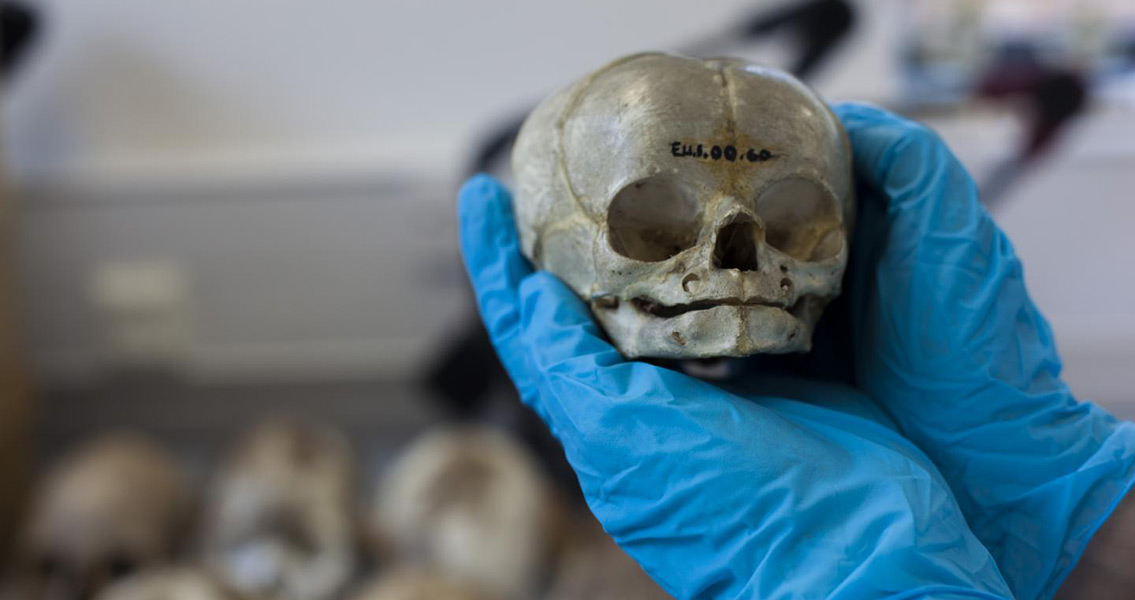
Journal of Anatomy, the study is a pioneering look at how the changing anatomy of childhood in the 1800s was studied and investigated by British scientists. The research was carried out by Jenna Dittmar and Piers Mitchell from Cambridge’s Department of Archaeology and Anthropology. The skeletons under analysis came from the dissecting room of the university’s Department of Anatomy. The dates of the specimens ranged from 1768 to 1913. A number of differences quickly became apparent to the researchers in terms of the type of tests that had been carried out on the varying age groups. The bodies of adults were generally subjected to a craniotomy, a procedure in which the top of the skull is opened with a saw. The skulls of foetuses and children on the other hand, were generally kept intact. Of the 54 infant and foetal specimens in the collection, a craniotomy had only been performed on one. Another surprising discovery of the research is that the bodies of infants and foetuses were often kept by anatomists for use as teaching aids or in further research. Adult bodies however, tended to be discarded swiftly. “Foetal and infant bodies were clearly valued by anatomists, illustrated by the measures taken to preserve the remains intact and undamaged,” said Dittmar, in a press release from the University of Cambridge. “The skulls appear to have been intentionally spared to preserve them for teaching or display. This may explain why so few children with signs of dissection on their bones have been recovered from the burial grounds of hospitals or parish churches, compared with adults.” According to the researchers, a number of historical factors could explain this surprising trend. Literature from the late eighteenth century suggests that smaller bodies were viewed as valuable teaching tools, making it easier for lecturers to highlight the intricacies of the circulatory and nervous systems for example, by injecting the entire cadaver with coloured wax. “The valuable and unique knowledge that could only be obtained from the examination of these developing bodies made them essential to the study of anatomy,” Dittmar explained. Legal factors could also explain the common use of child bodies. Although the Murder Act of 1752 allowed the bodies of executed murderers to be given to medical research, it had little impact on the growing demand for bodies, leading to a black market forming. Resurrectionists or body snatchers, who often obtained bodies by grave robbing, tended to sell cadavers by the inch, making infant bodies less profitable and thus more readily available. The Anatomy Act of 1832 let workhouses and hospitals donate unclaimed bodies to research. Waves of cholera and tuberculosis devastated the urban population during the industrial revolution, particularly infants, while workhouses were often lethal places for the young; factors that could have led to a greater number of infant bodies being donated to dissection. Potentially most significant, according to the authors of the study, was the New Poor Law Amendment Act of 1834, which ended parish relief for unmarried women and the obligations on the fathers of illegitimate children. Designed to cut the illegitimate birth rate, the law only succeeded in heightening the plight of unwed mothers, triggering a shocking outbreak of infanticide by the 1860s. “This left very few options for these women: the workhouse, prostitution, abortion and infanticide – all of which were life-threatening,” said Dr. Mitchell. As Britain progressed through the industrial revolution and its population increasingly moved to densely populated cities, the strains on the traditional family unit increased and the spread of diseases worsened. Meanwhile, for medical science, new ailments inherent in industrialisation and massive population growth led to a dramatic increase in the need for medical research and training. “Our research shows that the major sources of the bodies of very young children were from stillborn babies of destitute mothers, babies who died from infectious diseases, those dying in charitable hospitals, and unmarried mothers who secretly murdered their new-born to avoid the social stigma of single parenthood,” Mitchell said. “Poor and desperate women at the time of the industrial revolution could not only save the cost of a funeral by passing their child’s body to an anatomist, but also be paid as well. This money would help feed poor families, so the misfortune of one life lost could help their siblings to survive tough times.” Image courtesy of Nick Saffell]]>

Categories
Breaking News

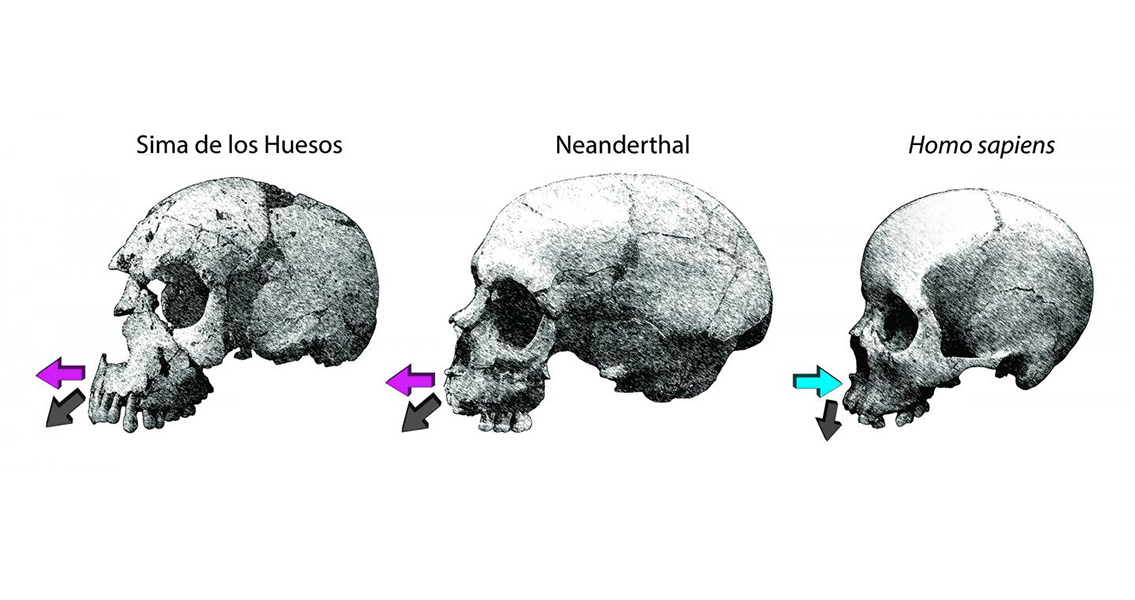
Neanderthal and Human Facial Growth Differences Revealed

www.nature.com Image courtesy of Rodrigo S Lacruz]]>

Categories
Breaking News

Skull Study Dates Homo naledi to Two Million Years Ago

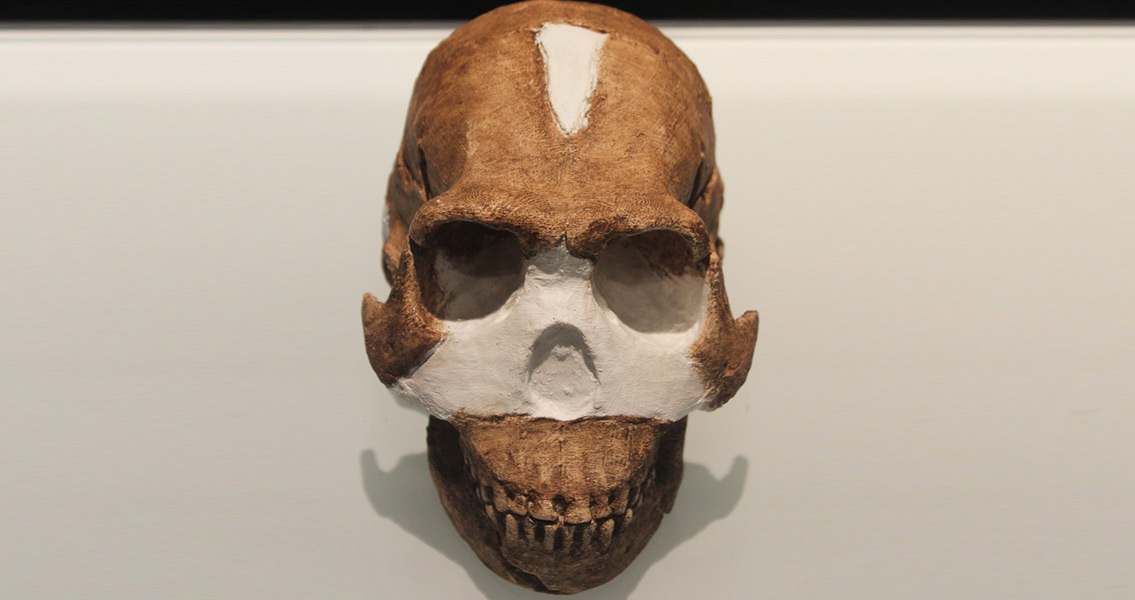
Homo naledi, a species first discovered earlier this year which is part of the Homo genus. In a paper published in the South African Journal of Science, Professor J. Francis Thackeray from the Evolutionary Studies Institute at the University of Witwatersrand suggests that H.naledi lived two million years ago (plus or minus 500,000 years). He bases his conclusion on a comparative analysis of H.naledi and other Homo species’ skulls. If proven correct, Thackeray’s conclusion could be hugely important in furthering our understanding of the evolution and development of the Homo genus, allowing H.naledi to be placed in the human family tree. In September of this year Professor Lee Berger, also from the University of Witwatersrand, first announced the discovery of H.naledi. Over 1,500 bones from the hominin species were discovered in the Rising Star cave in the Cradle of Civilisation World Heritage Site, South Africa. The name H.naledi comes from the word for a star in the Sesotho language. The fossils unearthed at the cave constitute a complete skeleton, an extreme rarity when it comes to early members of the homo genus. This fact allowed Berger and his team to conclude that it was one of the oldest members of the homo genus. H.naledi was ape like in many respects, but also had several characteristics in common with modern humans. H.naledi’s brain size was likely similar to that of a gorilla, based on analyses of its skull, while its pelvis and shoulders were also ape like. It has been classed as a hominin due to the advanced shape of its skull, long legs, small teeth and modern-like feet. Attempts to conclusively date the fossils have so far proven unsuccessful, however. A study by Paul HGM Dirks, carried out in conjunction with Berger, concluded that the usual method of dating such fossils; stratigraphic analysis of the area they were excavated from, had proven inconclusive due to the unusual geological and taphonomic context of the Dinaledia Chamber where the remains of H.naledi were discovered. Stratigrahic analysis is the method which has been used to date other hominin fossils, such as Australopithecus africanus. Thackeray has based his conclusion on a statistical analysis of the skull size of different hominin specimens. “The method is based on a least squares linear regression analysis of mean values of measurements for crania of 12 hominin species… The analyses were performed to obtain standard errors of m-coefficients (sem) in regression equations of the form y = mx + c, based on pairwise comparisons of cranial data, as described elsewhere for pairs of hominin specimens”. He writes in the study. His results confirm that H.naledi is indeed significantly different from the ten other species included in the study. Secondly, he was able to determine the level of similarity between different species’ skulls. He found that H.naledi was most similar to the skulls attributed to Homo habilis, known to date to 1.8 million years ago, and to some extent to Homo rudolfensis, which lived between 2 and 2.5 million years ago. As he explains in the study, “…H. naledi appears to be most similar to specimens attributed to early Homo, notably H. habilis, and (to a lesser extent) H. rudolfensis and H. erectus.” Significant questions remain about H.naledi, and where it fits into the evolutionary tree. Thackeray’s study has the potential to make clearer H.naledi’s place in the history of the Homo genus. For more information: Thackeray JF. Estimating the age and affinities of Homo naledi. S Afr J Sci. 2015;111(11/12), Art. #a0124, 2 pages. http:// dx.doi.org/10.17159/sajs.2015/ a0124 Image courtesy of Wikimedia Commons user: Martinvl]]>

Categories
Breaking News

Large Aztec Tzompantli Unearthed in Mexico City

top 10 list of structures made using human bones, in which the top spot is occupied by a tower made from human skulls. The tower, made from the skulls of Serbian rebels against the Ottoman empire, was the brainchild of one general Hurshid Pasha, who built the 15-foot tower from 952 skulls, near the city of Nis. Commenting on the Mexico City find, one of the researchers working on the dig, Raul Barrera, told the AP that there are a lot more skulls in deeper layers in the ground, so the initial number of 35 is expected to swell considerably as excavations continue. This will take time, however, because the house above the site is considered to be historically valuable, so the archaeologists often have to work in narrow wells some six feet under the floor of the house, suspended on a wooden platform, lying face down. It seems that these efforts have paid off, since there is not much doubt that this is indeed the main tzompantli of the Templo Mayor Aztec. A year ago, scientists from the National Institute of Anthropology and History uncovered another partial tzompantli in Mexico City, under a stretch of a new underground extension currently under construction. Four skulls were discovered there, Gizmodo reports, one of them, interestingly, a dog skull. Animal skulls were put on skulls racks extremely rarely, with the Aztecs obviously believing that human heads were more awe inspiring. ]]>

Categories
Breaking News

Skulls Suggest Violence Used as a Tool of Political Control

Categories
Breaking News

Partial Human Skull Holds Clues to Human History

Homo sapiens and Homo neanderthalensis could have coexisted in the area. Precisely dating the skull immediately presented a number of difficulties. The skull fragment had originally been found by spelunkers exploring the newly-opened cave, who unfortunately removed it from its context. “Because it was already removed from the layer where it was presumably deposited,” said Dr. Elisabetta Boaretto, head of the Weizmann Institute’s D-REAMS (DANGOOR Research Accelerator Mass Spectrometry) laboratory, “we had to look for clues to tell us where and when it belonged in the setting of the archaeological record in the cave.” Initially, by using a technique known as the uranium-thorium method, the skull was determined to be 54.7 thousand years old. The uranium-thorium method, which is a radiometric dating technique, was applied to a thin mineral deposit on the skull. Unfortunately, the method used had an error margin of plus or minus 5.5 thousand years, which presented a major problem for researchers, as a more precise date was required. To fully pin down the date of the skull, radiocarbon dating was applied. Dr. Boaretto utilised radiocarbon dating of charcoal remains in order to map the human occupation of the whole cave. The results from Dr. Boaretto’s radiocarbon dates were compared with the original uranium-thorium dating, yielding a fixed true age for the skull of around 55,000 years old. The age and shape of the Manot Cave skull has led to some interesting insights. It suggests that humans and Neanderthals may have interbred over the period when humans migrated northwards, out of Africa; this most likely occurred when H. sapiens moved through the Middle East. The Manot Cave skull provides the first piece of evidence of a human residing in the region at the same time as Neanderthals – Neanderthal remains have been found in numerous nearby sites. Archaeologists are currently excavating the cave more fully in a search for more evidence of human habitation. If humans and Neanderthals did interbreed in the area around the Manot Cave, it would imply that the skull may have belonged to the ancestors of all modern non-African humans. Clearly, therefore, the research at Manot Cave could hold vital clues to the origins of our species. For more information: www.wis-wander.weizmann.ac.il Image courtesy of Wikimedia commons user: Reuveny]]>

Categories
Breaking News

Medieval Skulls Reveal Brain Injuries

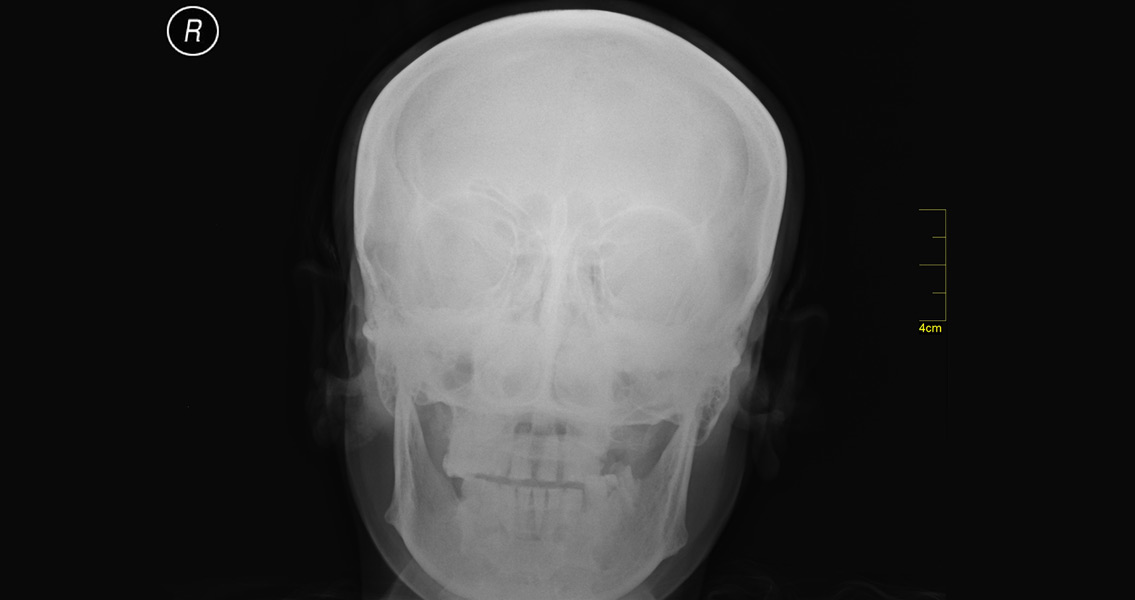
Image courtesy of Wikimedia commons user: Nevit Dilmen ]]>