Categories
Breaking News

Fossils of 50 Million Year Old Ostrich Relative Discovered

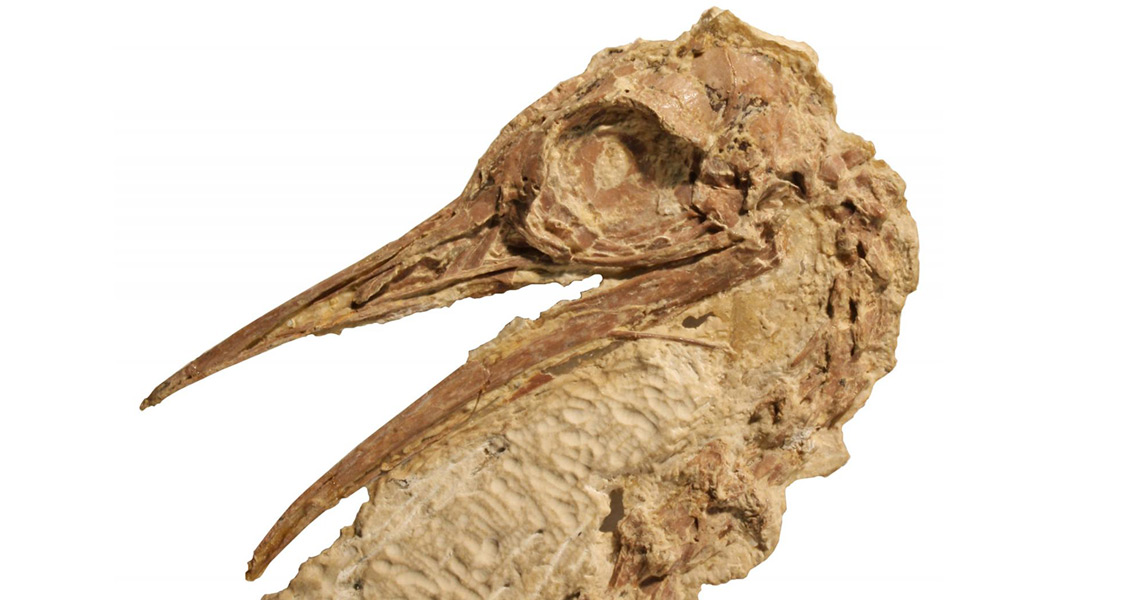
Bulletin of the American Museum of National History. Named Calciavis grandei, the newly discovered species is believed to have been roughly the size of a chicken. The creature was probably a predominantly ground dwelling bird, again, much like a chicken according to the authors, only engaging in short bursts of flight to evade predators. The species was partially named after renowned archaeologist Lance Grande, who had studied fossil fish in the same lake the new species was discovered in. The first part of the name is comprised of calci, meaning hard or stone, and avis, the Latin for bird. Fossil diggers unearthed two Calciavis fossils in the Green River Formation in Wyoming, a site usually considered a hotbed for fossilised fish. The Calciavis fossils date back to the Eocene Epoch, between roughly 56 million and 30 million years ago. Nesbitt, and his co-author Professor Julia Clarke, believe the fossils fit into the extinct group of early Palaeognathae birds, the Lithornithidae. They explain that the extinct bird is a close relative of ostriches, kiwis and tinamous now living in the southern hemisphere. Calciavis likely went extinct following the disappearance of tropical forests in North America. The creature’s discovery offers fresh insight into the chronology and distribution of tropical birds on the continent. “The new bird shows us that the bird group that includes the largest flightless birds of today had a much wider distribution and longer evolutionary history in North America,” Nesbitt said. “Back when Calciavis was alive, it lived in a tropical environment that was rich with tropical life and this is in stark contrast to the high-desert environment in Wyoming today.” The discovery of such a spectacularly well preserved example of a new species has the potential to greatly aid the interpretation of both bird fossils discovered decades ago, and those found in the future. “This spectacular specimen could be a ‘keystone’ that helps interpret much of the sparse fossils of birds that once lived in North America millions of years ago,” said Nesbitt. For more information: American Museum of Natural History ]]>
Categories
Breaking News

Outhouses Uncovered in Philadelphia Flush with Artifacts

Huffington Post as coming from a tavern which occupied the location on Chestnut Street, including red earthenware which was made from known local potters. Another particularly impressive piece that the team found and reassembled is a delftware punch bowl, believed to be English. Delftware (also known as Delft pottery or Delft Blue) is white and blue pottery that was made in and around the town of Delft, in the Netherlands, during the sixteenth century. The bowl is embellished with a picture of the Tryphena, a brigantine ship that carried the colonists’ petition contesting the Stamp Act to Liverpool from Philadelphia in 1765. Philadelphia, Pennsylvania, was the location of the First and Second Continental Congress, a meeting of delegates from all thirteen colonies. Soon after the Second Convention, which began meeting in 1775, it was declared that the American Revolutionary War had started. The Second Congress oversaw the colonial war efforts, and moved slowly towards independence from England by adopting the U.S. Declaration of Independence on the 4th of July, 1776. By directing strategy, raising armies, appointing diplomats and writing formal treaties, like the Olive Branch Petition, the Congress performed as a de facto national governmental body of what in the future would become the United States. The recovered items are an eclectic mix; a large assortment of seashells linked to a local button shop, 1,400 fruit pits (mostly cherries) in one vault suggesting a nearby baking operation (no pie pans though), 750 individual pieces of printers’ type associated with the city’s budding press industry, two whole raccoons, 66 birds, wig curlers, and a curiously large amount of alcoholic bottles, along with an abundance of items from private residences, and of course the usual collection of garbage. Some pieces from the collection are expected to be on display inside the Museum of the American Revolution when it opens in 2017. ]]>

Categories
Breaking News

12,000-Year-Old Grave of Female Shaman Found in Israel

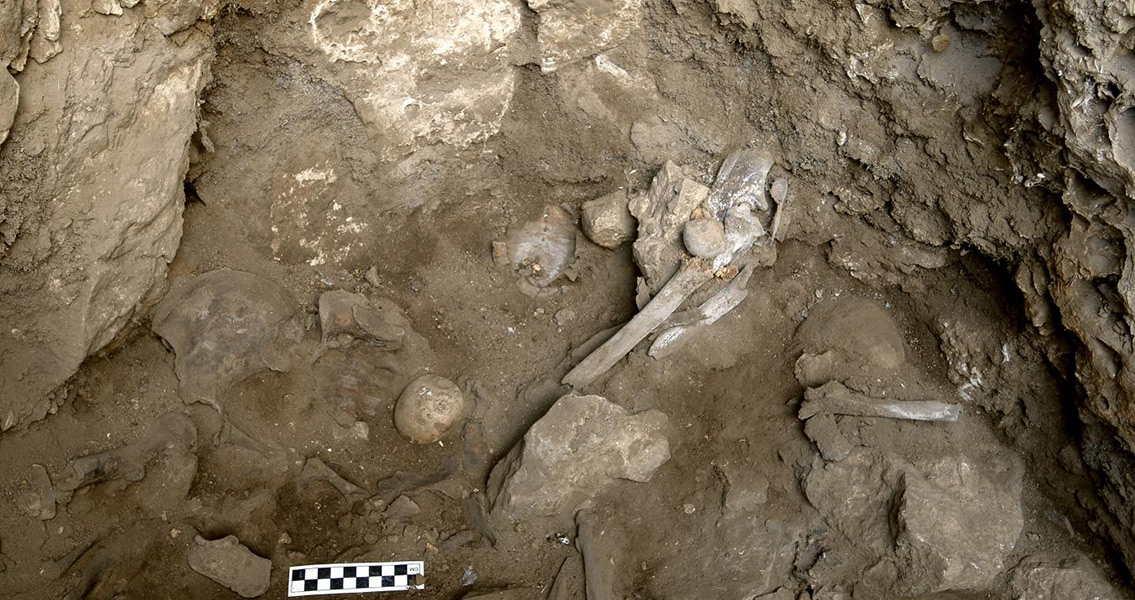
Current Anthropology, can be found here Image courtesy of Naftali Hilger ]]>

Categories
News

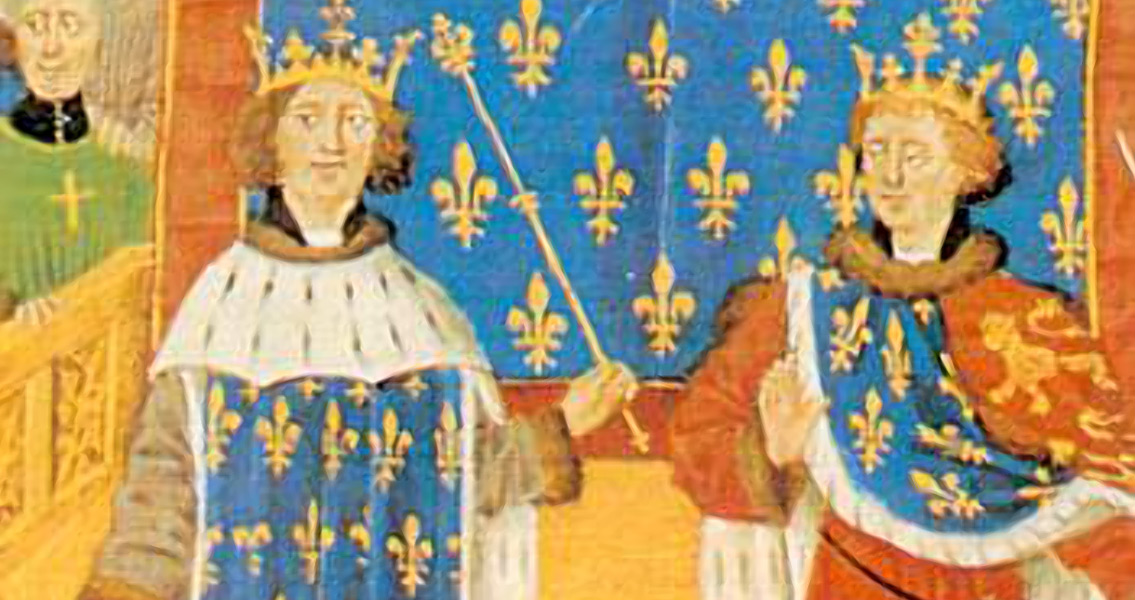
Richard the Lionheart Ascends To The Throne

Categories
Breaking News

Burials Found in Wales Date to Time of Patron Saint

Categories
Breaking News

Police are on the Case of 1,000-year-old Whodunit

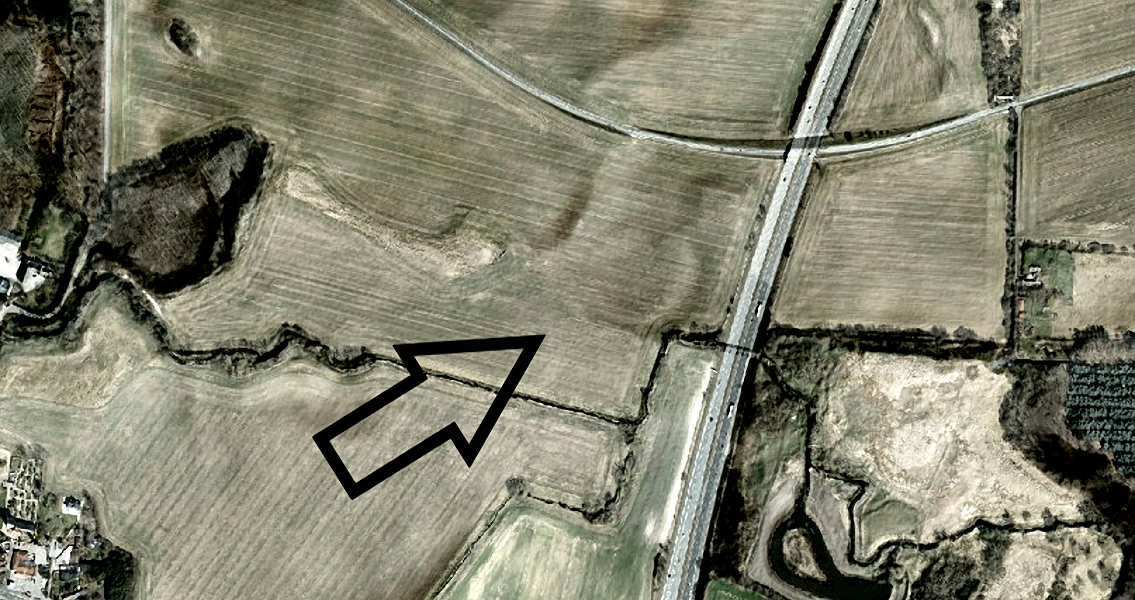
Copenhagen Post. Harald “Bluetooth” Gormsson, the king of Denmark during the late 900s, was likely the master builder of the half-completed structure, as he had been for four fortresses constructed in this unique style during his lifetime. King Harald had powerful enemies, a consequence of him having worked his army too hard, and one theory held by Ulriksen and his team is that the ring fortress had been attacked. “Our theory right now is that other powerful men in the country attacked the castle and set fire to the gates,” said Ulriksen. King Harald is probably most famous for erecting the Jelling Stones, considered by Encyclopedia Britannica as the best known runic inscriptions in Denmark, in honor of his parents. His biography can be summed up by the stone’s inscription: “King Harald bade these memorials to be made after Gorm, his father, and Thyra, his mother. The Harald who won the whole of Denmark and Norway and turned the Danes to Christianity.” King Harald’s conversion to Christianity is a contested bit of history, most likely because of the conflicting accounts of how it occurred given by medieval writers like Adam of Bremen and Widukind of Corvey. Widukind of Corvey, who wrote during the lifetime of King Harald, claims that he was converted by a cleric named Poppa who, as the story goes, carried a “great weight” of heated iron without suffering any burns when the king asked him to prove his faith in Christ. Adam of Bremen wrote his account of the event 100 years after the king’s death and described Harald’s forced conversion at the hands of Otto I, the German king and emperor of the Roman Empire from 962, after being defeated in battle. Widukind’s account makes no mention of this event. Furthermore, four hundred years later the Heimskringla (the best known saga of the Old Norse kings) tells of how King Harald, along with Earl Haakon, was converted willingly by Otto I. How King Harald acquired his nickname, Bluetooth, is another contested aspect of his life. Bluetooth first appears in the Chronicon Roskildense (the first comprehensive account of Danish history) accompanied by the explanation that Harald must have had a conspicuously bad tooth which appeared “blue” (black in other words, as blue meant dark). However, according to a curator at the Royal Jelling Hans Ole Mathiesen, King Harald was often, if not always, clothed in blue, the blue color being the most expensive during this period. Harald was killed while fighting off a rebellion which his son Swein led, in either 985 or 986. Researchers are hopeful the police investigator will bring in dogs to help sniff out unearthed bones and other evidence at Vallø Borgring. Image courtesy of Danskebjerge]]>

Categories
News

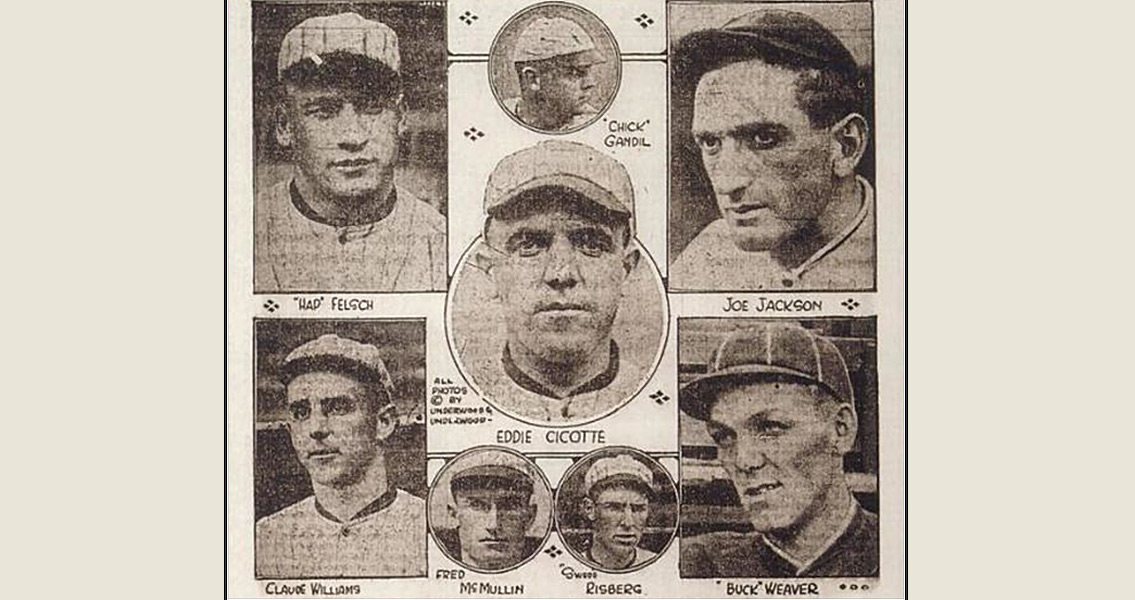
The Murky Trial of the Black Sox Begins

Categories
Breaking News

New Records Show Shakespeare Established His Own Brand

Categories
Breaking News

Chinese Shrine May Contain Skull Bone of the Buddha

,Chinese Cultural Relics Image courtesy of Wellcome Images]]>

Categories
Editorial

The Mystery Behind Emily Davison's Death