Categories
Breaking News

History News of the Week: The Biblical Canaanites' Modern Descendants

Present day Lebanese are descendants of Biblical Canaanites A new genome study of ancient remains from the Near East suggests that present day Lebanese people are direct descendants of the Biblical Canaanites. The research, which has been published in the American Journal of Human Genetics, sequenced the entire genomes of 4,000 year-old Canaanites who inhabited the region during the Bronze Age, and compared them to other ancient and present day populations. Despite the Canaanites creating the first alphabet and establishing colonies throughout the Mediterranean, historians and archaeologists only have a limited knowledge of them. They are mentioned several times in the Bible, as well as in ancient Greek and Phoenician texts, but experts know little about their genetic identity, who their ancestors were, and if they have any descendants today. The study by the researchers from the Wellcome Trust Sanger Institute determined that more than 90% of present Lebanese ancestry is likely to be from the Canaanites, with a small proportion coming from a different Eurasian population. The researchers estimate that new Eurasian people mixed with the Canaanite population about 2,200 to 3,800 years ago at a time when there were many conquests of the region from outside. Details about the Canaanites own ancestry have also been revealed. The study claims that they were a mixture of local people who settled in farming villages during the Neolithic period and eastern migrants who arrived in the area around 5,000 years ago. “For the first time we have genetic evidence for substantial continuity in the region, from the Bronze Age Canaanite population through to the present day.” Dr Claude Doumet-Serhal, co-author of the study and Director of the Sidon excavation site in Lebanon, said. “These results agree with the continuity seen by archaeologists. Collaborations between archaeologists and geneticists greatly enrich both fields of study and can answer questions about ancestry in ways that experts in neither field can answer alone.” Meanwhile, Dr. Chris Tyler-Smith, lead author from the Wellcome Trust Sanger Institute, said: “Genetic studies using ancient DNA can expand our understanding of history, and answer questions about the likely origins and descendants of enigmatic populations like the Canaanites, who left few written records themselves. “Now we would like to investigate the earlier and later genetic history of the Near East, and how it relates to the surrounding regions.” Bronze Age Iberia spared the brunt of Steppe invaders New DNA analysis of people who lived in the Iberian Peninsula during the Bronze Age has revealed that they received only minor genetic input from Steppe invaders, suggesting the Steppe migrations played less of a role in the cultural and genetic makeup of Iberian people than they did in populations elsewhere in Europe. Between the Middle Neolithic (4200-3500 BCE) and the Middle Bronze Age (1740-1430 BCE), Central, Northwestern and Northern Europe received a massive influx of people from the Steppe regions of Eastern Europe and Asia. Archaeological digs have gained insights into some of the impacts of these influxes on Iberia, in the form of changing cultural practices and funeral rituals, but the genetic effect has remained hitherto unexamined. The genomes of fourteen people who lived in Portugal in the Neolithic and Bronze Age were sequenced for the study, which has been published in the journal PLOS Genetics. These genomes were then compared with other ancient and modern genetic data, revealing only subtle changes between the Portuguese Neolithic and Bronze Age DNA, suggesting a minor genetic influence from the Steppe. Surprisingly, the changes were significantly more pronounced in paternal lineage. “It was surprising to observe such a striking Y chromosome discontinuity between the Neolithic and the Bronze Age, such as would be consistent with a predominantly male-mediated genetic influx” says first author Rui Martiniano. Height was also estimated from the samples, based on relevant DNA sequences, revealing that genetic input from Neolithic migrants decreased the height of Europeans, which subsequently increased steadily through later generations. By showing that migration into the Iberian Peninsula occurred on a much smaller scale than elsewhere in Europe, the study raises questions about the impact this had on language, culture and technology. For example, the fact that the Basque region of Spain speaks a pre-Indo-European language could be explained by these findings. The discovery also supports a theory which says Indo-European languages spread through Europe from the Steppe heartland. The study was carried out by Daniel Bradley and Rui Martiniano of Trinity College Dublin, in Ireland, and Ana Maria Silva of University of Coimbra, Portugal. New project aims to highlight importance of The Indian Army in the First World War In the UK, The Soldiers of Oxfordshire (SOFO) Museum and Oxford University’s History Faculty have received a £12,000 grant from the Arts & Humanities Research Council ‘Voices of War & Peace’ WWI Engagement Centre, for their project titled: The Indian Army in the First World War: An Oxfordshire & Buckinghamshire Perspective. The project aims to shed new light on the British Indian Army’s role in the war on the Eastern Front in Iraq through an outreach programme and touring exhibition. Sikhs, Muslims and Hindus of all ages in the local community are being called upon to engage with researchers by sharing stories, experiences and memorabilia. The touring exhibition will then showcase the findings in November. Photographs that have never been displayed before will explore the experiences of British and Indian soldiers in the conflict, as well as the Iraqi prisoners. Featured image: Archaeological remains of individual MC337 excavated from the site of Hipogeu de Monte Canelas I, Portugal, and analysed by the archaeologist Rui Parreira and the anthropologist Ana Maria Silva. Courtesy of Rui Parreira ]]>
Categories
Breaking News

Sex With Neanderthals Still Benefiting Humans

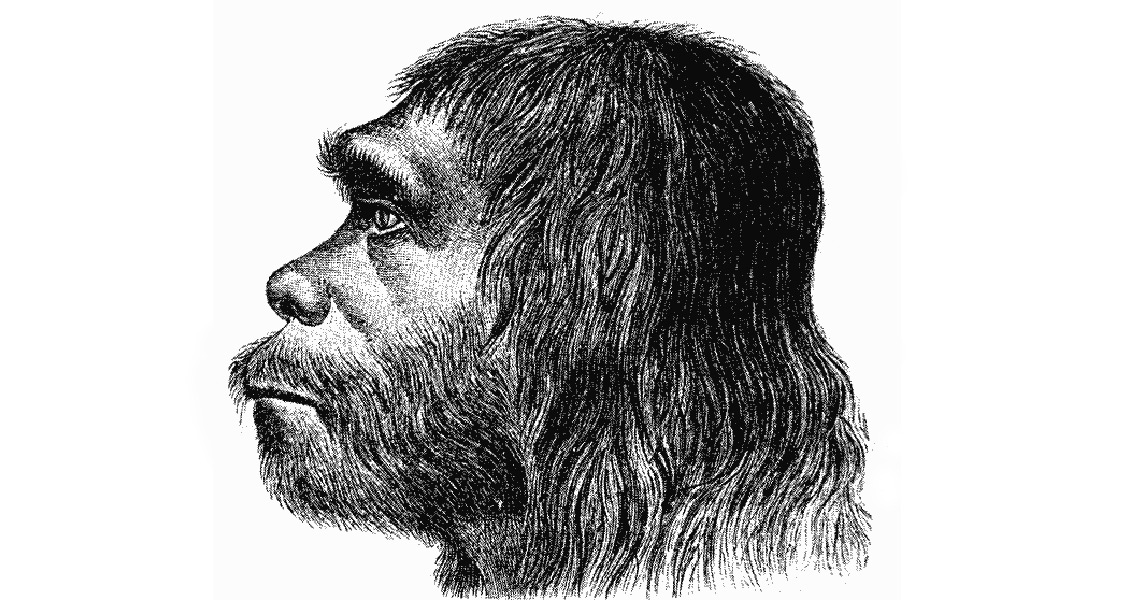
in Science Daily. Titled ‘Archaic Hominin Admixture Facilitated Adaptation to Out-of-Africa Environments’, the study by Rachel M. Gittelmann, Joshua G. Schraiber, Benjamin Vernot, Carmen Mikacenic, Mark M. Wurfel and Akey has been published in the journal Current Biology. It argues that as humans left Africa, interbreeding with Neanderthals and other archaic hominins allowed them to develop various traits for survival. Neanderthals left Africa hundreds of thousands of years before modern humans, around 300,000 years ago. Modern humans made their way away from the continent sometime between 100,000 and 60,000 years ago. It has been well established that as modern humans made their way to new parts of the world, they encountered and sometimes had children with various archaic humans, such as Neanderthals and Denisovans. Remains of this breeding can still be seen in people today. Previous studies have shown that non-African humans inherited about 2% of their genome from Neanderthals. People of Melanesian ancestry take between 2% and 4% of their genome from Denisovan ancestors. In the study, the researchers searched a sample of 1,500 individuals from East Asia, Europe and South Asia, as well as 27 from Island Melanesia, for archaic DNA sequences in their human genomes. In particular, the team were searching for archaic DNA sequences which appeared at a higher frequency than one would expect unless the genes were beneficial in some way. Neanderthal and Denisovan DNA sequences are typically found at low frequencies, generally less than 5%. However, Gittelmann et al found 126 locations where the archaic sequences exist at much higher frequencies, up to 65%. 31 of those regions are involved in human immunity, while seven play a role in determining characteristics of our skin. These attributes inherited from archaic hominins could have played a vital role in our survival after leaving Africa, allowing human populations to spread. “The ability to increase to such high population frequencies was most likely facilitated because these sequences were advantageous,” Akey explained. “In addition, many of the high-frequency sequences span genes involved in the immune system, which is a frequent target of adaptive evolution.” As humans left Africa they encountered a host of unfamiliar, challenging environments. Tellingly, the team’s results suggest that many of the genes received from Neanderthals and Denisovans are connected to interactions with the environment. Hybridization through interbreeding, therefore, could have been the most efficient way for humans to adapt to the potentially hostile new lands they were encountering.]]>

Categories
Breaking News

Fonni's Dogs Followed Their Owners to Sardinia, Genome Shows

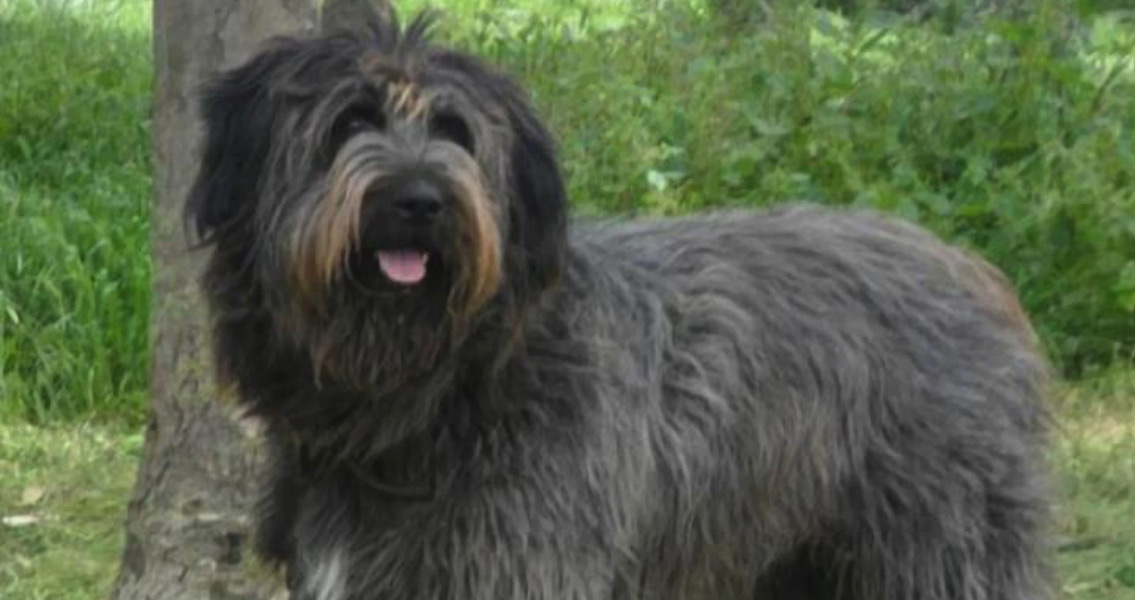
GENETICS, the new study reveals that the regional variety has in fact developed into a true breed. Interestingly, the authors suggests this took place because of unregulated selection for the animal’s distinctive behaviour. The results also suggest that the Fonni’s Dog came from the same geographic areas as the island’s human migrants. Known as Cane Fonnese in Italian, Fonni’s Dogs are characterised by their intense facial expressions. A rugged herd guardian, they all make fine protectors of flocks and display a wariness towards strangers. Despite these common traits, significant variation in their fur has led many to question if they’re a true breed. “If you were to look at ten Fonni’s Dogs, you would see there’s a lot of variation in coat color and fur length. But they are all good protectors of their flocks. That’s because nobody cares what they look like; they’ve been bred to do a job and to do it right,” said study leader Elaine Ostrander of the National Human Genome Research Institute (NHGRI), in a press release. Another common trait among Fonni’s Dogs is their fierce loyalty to their owners. This manifests itself in their willingness to guard the property of their owner, and somewhat more unusually in their skill as thieves. “They can be trained to sneak over to the neighbors’ and bring items home.” Ostrander explained. Much like the people that brought them to the island, the Fonni’s Dogs are an example of an isolated population which is providing scientists a wealth of genetic insights, particularly in regards to genes that influence health and behaviour. Sardinia’s geographic isolation means its population has a unique ancestry, and very low genetic diversity. These characteristics make it easier to study the genetic influences of disease and aging in Sardinians when compared to other genetic groups. Ostrander and colleagues argue that the same is also true of the hundreds of different dog breeds. “Dogs get all the same diseases as humans, and there are lots of dog breeds with genetic predispositions, for example to particular types of cancer,” Ostrander said. “Once we understand the genetic history of a breed we can search for disease genes in a much more powerful way than is possible in humans, enabling us to hone in on medically-relevant genes.” The study also revealed that the ancestors of the Fonni’s Dog were related to the Saluki, a swift, graceful ‘sight’ hound from the Near and Middle East; and the Komondor, a powerfully built sheep guardian from Hungary. These insights into the history of the Fonni’s Dog show just how closely it mirrored human migration to Sardinia. “The map we can draw of the dog’s origins is the same as the map of human migration to Sardinia,” said Ostrander. “Clearly ancient people traveled with their dogs, just as they do now.” These parallels between the migration of dogs and humans could have a surprising application, according to the study authors. “Our study shows how closely dog migration parallels human migration. It could be that if you have missing pieces in a study of a human population’s history, samples collected from dogs in the right place could fill in those gaps.” The team now plan to study the regions of the genome that make the Fonni’s Dog unique, perhaps even explaining its loyalty and protective behaviour. Ostrander and her team also hope to work with colleagues in other countries to explore other so called ‘niche’ dog populations; to demonstrate the ways man’s best friend can be used to help track down disease genes. ]]>

Categories
Breaking News

DNA Sequencing Proves First Polynesians Didn’t Linger on Their Journey

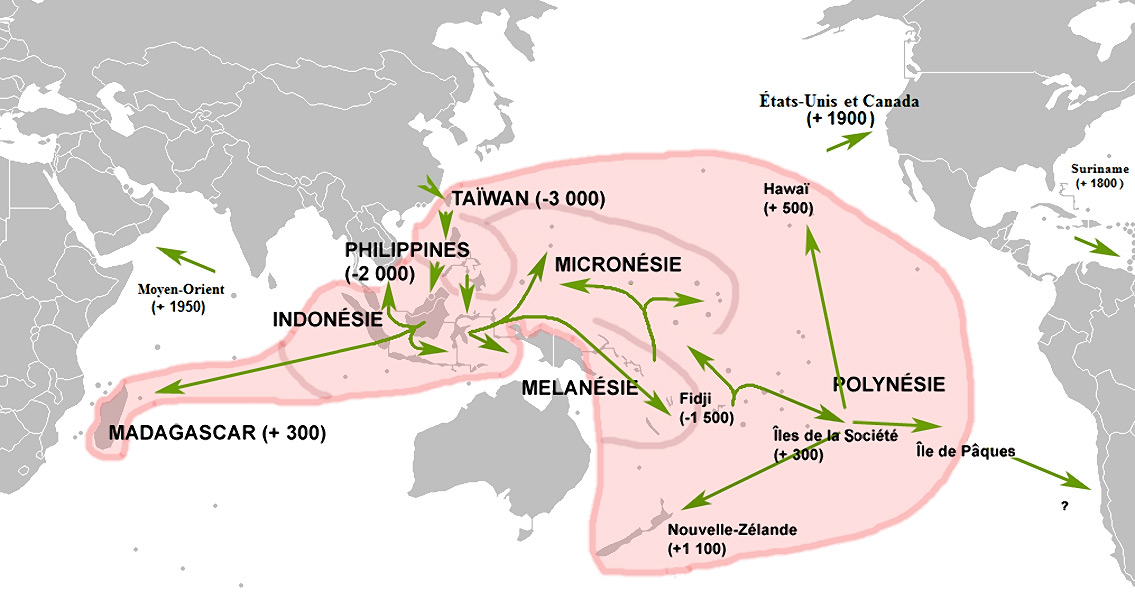
Science that the study decides a decades-long dispute, showing the East Asians skipped over islands populated by Melanesians at the time without picking up any of their genes, an example of how cultures can initially avoid mixing between groups. Known collectively as the Lapita culture, the first Polynesian Islanders left behind plenty of enticing artifacts, including unique red stamped pottery, shell ornaments and obsidian tools. These artifacts first showed up over 3,000-years-ago in New Oceania, in the Bismarck Archipelago. The Lapita culture grew yams, taro and breadfruit; brought chickens and pigs; and quickly spread to other islands such as New Caledonia and Vanuatu, and then to Tonga, Samoa, Fiji, and beyond. The two models previously considered by archaeologists included the “express train” model, which had the Lapita traveling quickly from mainland China to Taiwan, the Philippines, and then across open ocean to Vanuatu and then Samoa. Covering a total of 24,300 kilometers in around 300 years. This model is supported by linguistics models showing how Austronesian languages, which are very different from the Papuan languages of Melanesia, spread into Oceania from East Asia. The “slow boat” model was supported by the DNA of live Polynesians which showed evidence of their Lapita ancestors lingering in Melanesia, living with the locals and then spreading slowly eastward. This new study involved the extraction of DNA from the ancient skeletons of four women from the islands Tonga and Vanuatu, dating back to between 2,300 and 3,100 years ago, three of which were directly connected to the Lapita culture. The international team sequenced the DNA (up to 231,000 positions) of each skeleton and then compared their findings to the DNA of almost 800 people from 83 different populations currently living in East Asia and Oceania. The four ancient women shared all of their ancestry with the Atayal, an indigenous people from Taiwan and the Kankanaey people from the Philippines. The Lapita showed no evidence of a Papuan ancestry, meaning they took the express route all the way to Oceania without ever mixing with Melanesians. ]]>

Categories
Breaking News

It Takes Global Collaboration to Sequence a 6,000-year-old Seed

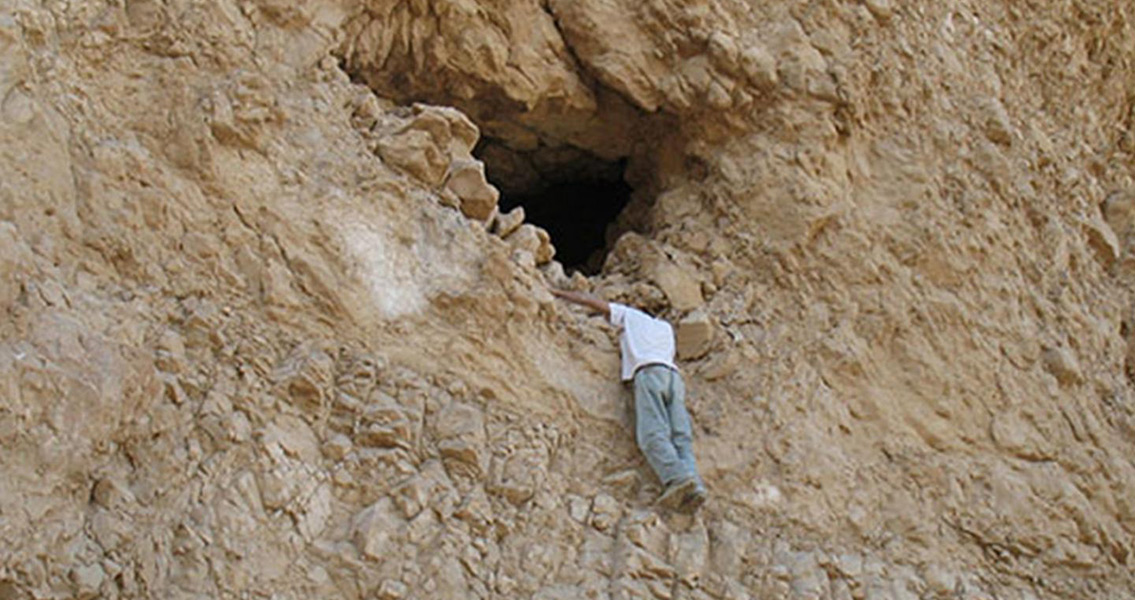
Nature Genetics. Image courtesy of Prof. Ehud Weiss ]]>

Categories
Breaking News

Genetic Sequencing Sheds Light on Irish Origins

Categories
Breaking News

Chicken Evolution Faster Than Thought

www.rsbl.royalsocietypublishing.org Image courtesy of Wikimedia Commons user: Juegos olimpicos 2012 ]]>

Categories
Breaking News

Aurochs and Modern Cattle Linked Genetically

Bos primigenius, the extinct species was once ubiquitous across the grasslands of North Africa, Asia and Europe 11,000 years in the past. Domestication efforts by modern humans to turn the aurochs into something a bit more docile led to a pair of major cattle groups known as Bos indicus and Bos taurus. European B. taurus is largely descended from aurochs populations that were prevalent in Asia, according to previous studies. However, with little in the way of scholarship regarding European wild aurochs and domesticated cattle – and how the European branch of the wild ox species played a role in how modern cows evolved – researchers from University College Dublin (UCD) decided to investigate the issue. UCD scientists began their endeavour by taking the remains of a wild British aurochs discovered in a Derbyshire cave dating back to 6,750 years ago and extracting genetic material from one of the bones. The researchers then conducted genetic sequencing on the sample to create a complete genome of the ancient wild ox before holding it up to comparison with more than 80 domesticated B. indicus and B. taurus specimens, as well as more than 1,200 modern domesticated cattle. The results were clear: there was abundant evidence that early domesticated cattle were interbred with wild British aurochs, according to UCD scientist David MacHugh, the study’s senior author. The results highlight how the ancestors of modern Irish and British cattle breeds are more genetically similar to the wild British aurochs than other cattle in Europe are. MacHugh remarked in an interview with Phys.org that this could indicate early British cattle farmers used wild aurochs to supplement their domesticated herds. Additional discoveries revealed that genetic markers which are known to play a role in muscle development and neurobiology were used in domesticating what would have been the ancestors of cattle from Europe. This indicates that ancient farmers considered behavioural traits and also suitability as a food source when it came to the domestication process. MacHugh further remarked that this study is the first of its kind to deliver a complete genome from an extinct Eurasian aurochs specimen. The data revealed in this study has the ability to supplant earlier models of cattle evolution and domestication, the scientist added. Image courtesy of Wikimedia Commons user: Brunodesacacias]]>

Categories
Breaking News

Study Finds Parallel Between Language and Genetic Diversity

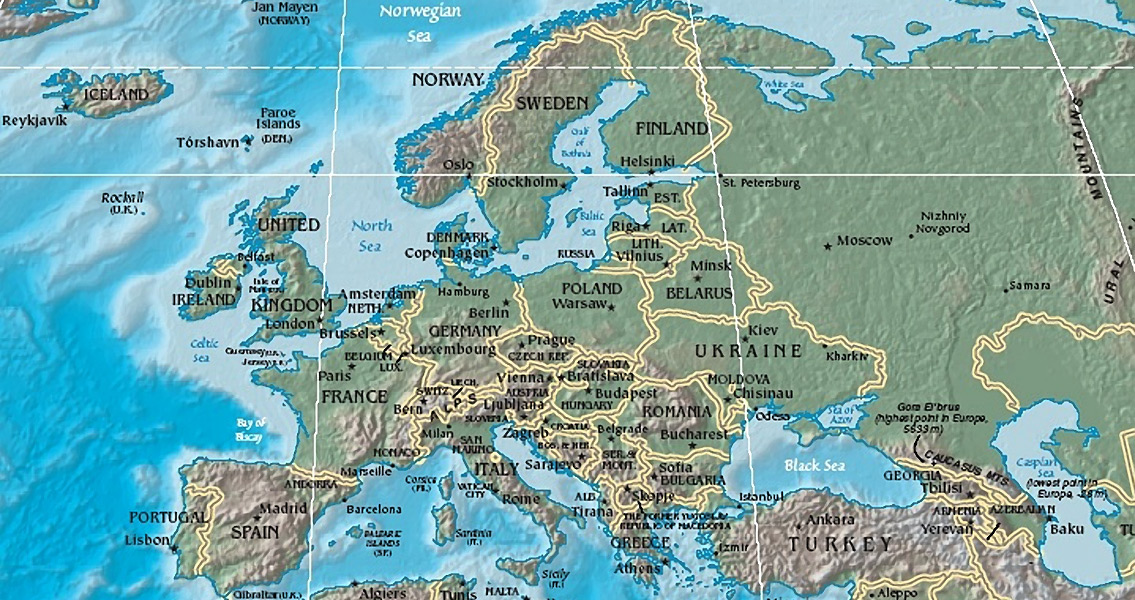
American Journal of Physical Anthropology, suggests that linguistic diversity can predict genetic diversity better than geographical distribution. This idea about a parallel between genetic and linguistic diversity was first put forward by Charles Darwin but so far it has been difficult to devise a methodology that would allow science to actually prove this correlation. With the help of geneticists and linguists from two Italian universities, Ferrara, and Modena and Reggio Emilia, the lead author of the study, linguist Giuseppe Longobardi, developed a methodology using two new tools for comparative linguistics research. The first tool was a refined list of Indo-European cognate words and the second a hitherto unavailable method of language comparison, which can be used to estimate linguistic diversity based on “a universal inventory of grammatical polymorphisms”. This method allows researchers to compare languages from different families, which is what the team did, comparing languages from the Indo-European and the Uralic families. Using these tools, the team identified two sets of linguistic distances, they wrote in the paper, one syntactic and one lexical. Then they used matrix correlation tests to compare these sets with certain values of geographical and genomic distances. The methodology was applied to fifteen European languages and the respective nations. In a press release from the University of York, Longobardi said that, for instance, the French and the Russians speak notably different languages, they have “a certain degree of linguistic diversity”. The study, however, found that the degree of genetic diversity between two populations in Europe was proportional to the extent of linguistic diversity. As a general historical rule, he added, it can be assumed that populations as geographically and linguistically diverse as the Japanese and the Kenyans, for instance, will also be proportionally diverse genetically. Still, as every rule, this also has exceptions. In the case of European populations and languages, the marked exceptions are Hungarians, who are genetically very close to the Slavic and Germanic peoples but linguistically very different. The diversity resulted from a conquest, which brought the new language into the territory of what is today Hungary. Longobardi said the study will now be expanded to include languages spoken outside Europe, hopefully reaching a global scale at some point. This expansion will allow the scientists to see if the rule holds true and they are even hoping that it could tell them exactly when and how the Indo-European languages were brought into Europe. In addition to the purely linguistic perspective, however, the team are hoping that their findings and any future ones will also help the study of genetics. As Longobardi said, “Ultimately being able to identify the ancestry of a population just on the simple basis of the language they speak may benefit identifying genetic properties of these populations, which could ultimately be of practical use even for medical research.” For more information: “Across language families: Genome diversity mirrors linguistic variation within Europe” Image courtesy of Wikimedia Commons user: public domain, CIA]]>

Categories
Breaking News

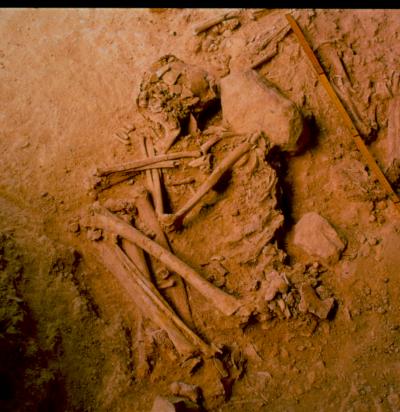
Clues of Human Origin Found in 2,330-Year-Old Skeleton