Categories
Breaking News

New Paper Tackles Macedon Royal Tomb Mystery

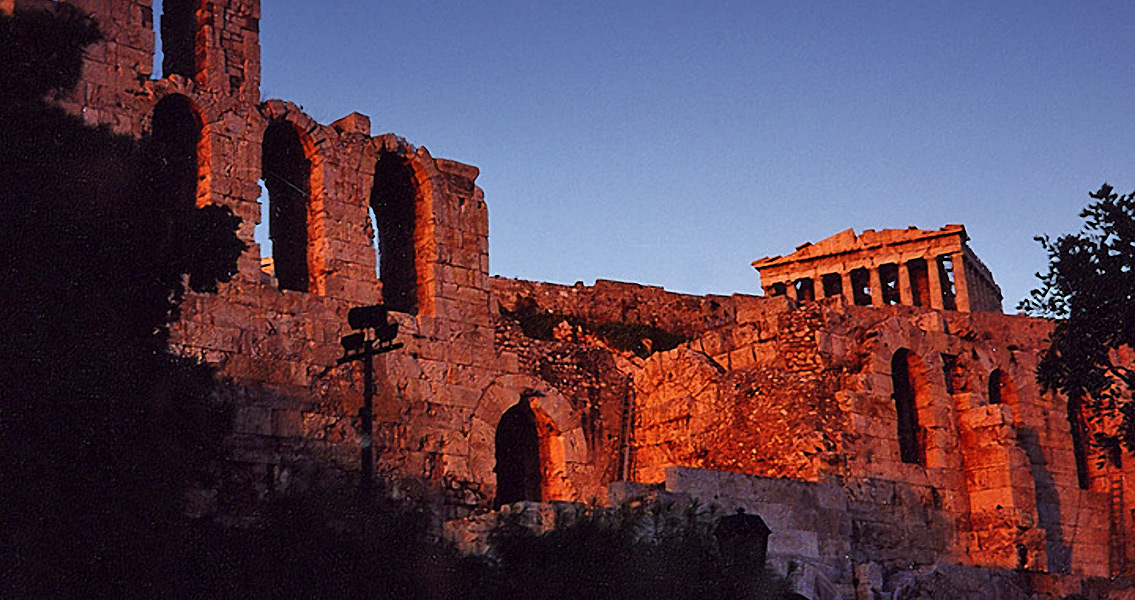
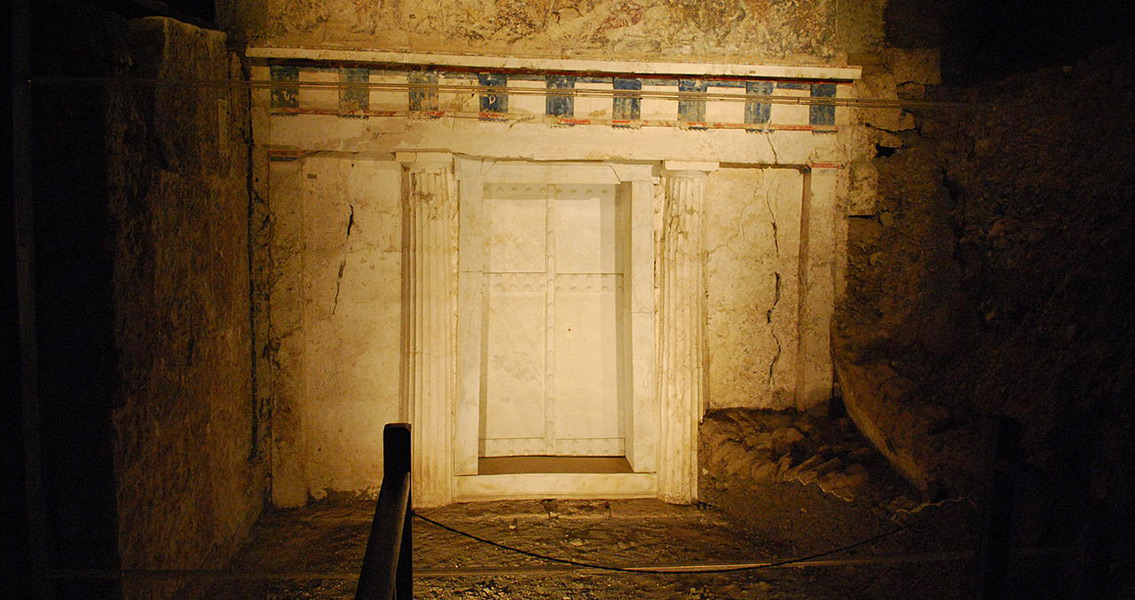
Live Science writes. Antikas told Live Science in an e-mail that all the objects in the tomb’s antechamber apparently belonged to its female occupant and nothing could be linked to the male remains. He added that this suggested the woman was Philip II’s seventh wife, the daughter of the Scythian king Ateas. In addition to the artefacts, the team found she was a habitual horse rider and had suffered a broken leg in the past meaning one leg was shorter than the other, which is why her protective leg gear was different lengths. As for the male skeleton, the researchers tried to find any marks on it that could be used for identification, like University of Bristol anatomist Jonathan Musgrave had done in the 1980’s. He reconstructed the face of the male occupant of the tomb and claimed there was a notch in the bone above one of the eyes, corresponding to a wound sustained by Alexander’s father in battle. Later, however, another scientist, paleopanthropologist Antonis Bartsiokas, argued that the notch noted by Musgrave as a distinguishing mark of Philip II had been a result of the cremation that the body underwent. Cremation is the second line of argument regarding the identity of the tomb’s male occupant. When a dead body is cremated soon after death, with the flesh still on it, bones tend to bend. When the body has stayed in the ground for some time, the bending is not so pronounced as there is not so much flesh. While Philip II was cremated soon after he died, Philip III was first buried, then exhumed a year later and given a royal funeral, including cremation. So far, neither of the two opposing camps has presented any conclusive evidence about the extent of bone bending that would unquestionably tip the scales in one direction or the other. Most scientists that Live Science contacted asking for comments on the new paper, which has been approved for publication by the International Journal of Osteoarchaeology, declined to comment, but one who did was anthropologist Maria Liston from Canada’s Waterloo University. She told Live Science that the dating of the female skeleton was “overconfident” and it was impossible to give such a narrow range given the methods used. What’s more, she said that the Greek team had based its dating in part on the status of the body’s collarbones and the extent of their fusion with the sternum. Liston said that this fusion was usually complete by the age of 29 but the team’s data actually suggested the woman was younger than this, which meant she may have been Philip III’s wife, Eurydice, who was about 20 when she died. It seems the mystery will remain for the time being until some new evidence presents itself or technology develops to a stage that can yield more conclusive results. For more information: New Finds from the Cremains in Tomb II at Aegae Point to Philip II and a Scythian Princess Image courtesy of Wikimedia Commons user: Panegyrics of Granovetter (Sarah Murray) ]]>
Categories
Breaking News

Cannibalism: An Evolutionary Defense?

www.nature.com ]]>

Categories
Editorial

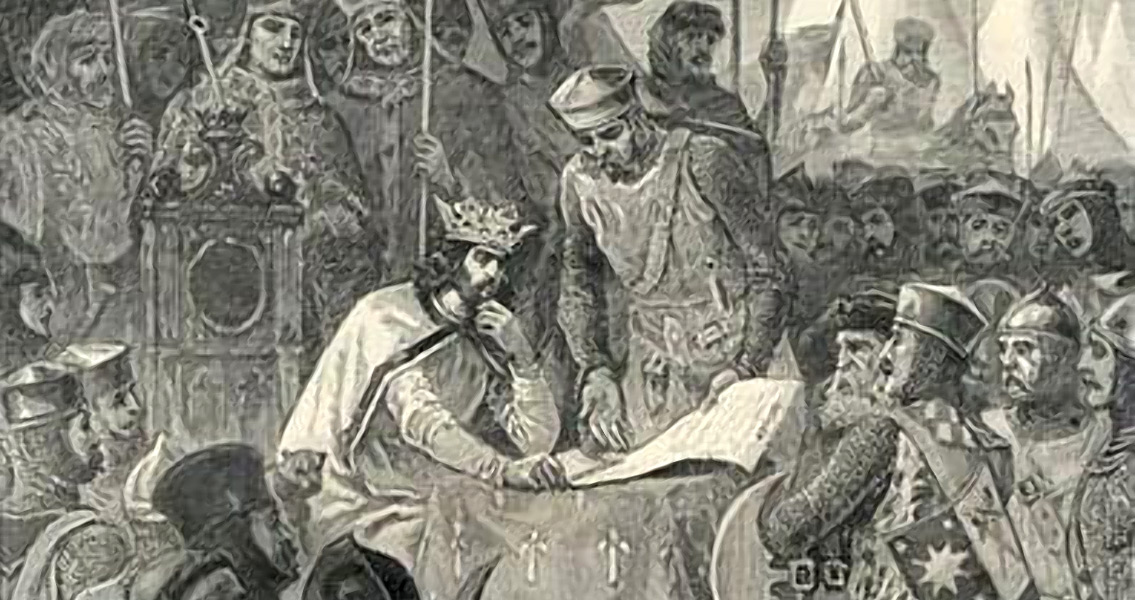
Magna Carta

Categories
Breaking News

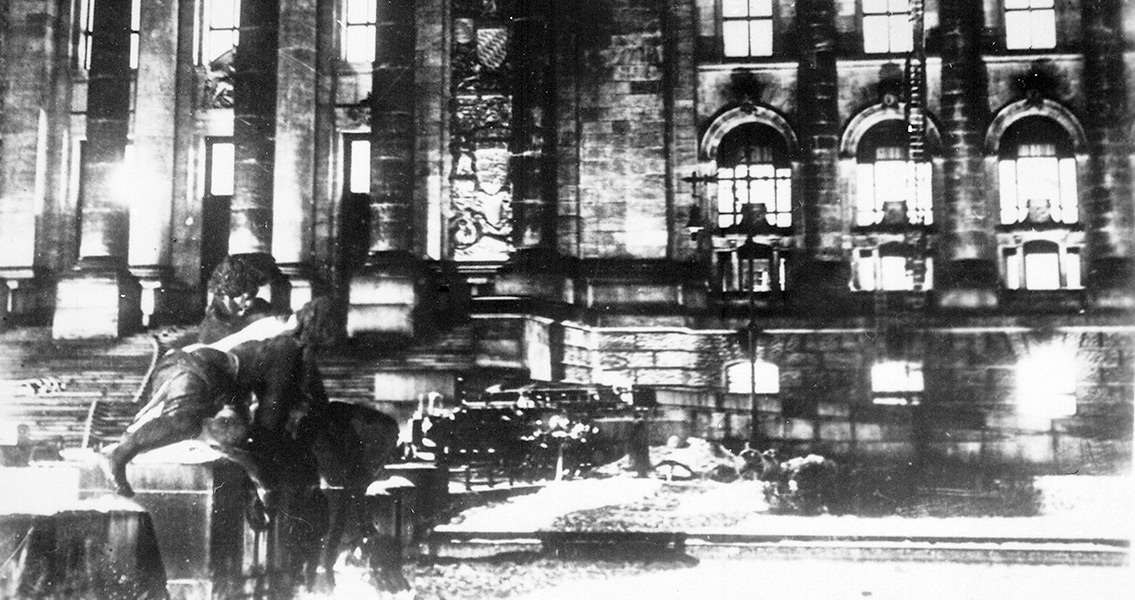
The Reichstag Fire and the Difficulties of Contemporary History

Central European History. “It tells us about the subterranean forces, especially of legal and political interest, that have shaped the master narrative; and it tells us about our attitudes toward different kinds of sources and authors.” Hett argues that the two conflicting arguments about who started the Reichstag fire – van der Lubbe acting alone, or the blaze being instigated by the Nazis – allow us to view major trends in the history of Germany. The version of the Reichstag fire in which the Nazis were the culprits was a narrative developed and presented by victims of Nazism, Hett explains. The theory that van der Lubbe was the sole culprit, on the other hand, began as a self-serving perpetrators’ story. “The critical moment in the development of the single-culprit narrative—and in the Reichstag fire controversy overall—came in late 1951 or early 1952 when the Lower Saxon interior ministry ordered Fritz Tobias to research the fire in an effort to defend Lower Saxon police official (and former Nazi political police detective)Walter Zirpins”, Hett writes. It is very difficult to use victim narratives as historical sources as they are often personal accounts of people in extreme situations. As a result, victim narratives have evoked discomfort for earlier historians; only recently have these stories been examined. “It was precisely such [victim narrative] sources that tended to tell of Nazi responsibility for the Reichstag fire,” Hett notes, explaining why the single-culprit narrative has been so pervasive. Researchers are still in the very early stages of an important process of determining which accepted narratives need to be re-examined. Through much of the postwar era, Hett notes, victims have repeatedly been lost in the historiography because historians discounted their testimony, favouring ‘objective’ sources. Contemporary history is a troublesome area in particular, because it is not removed from the present. Accounts of the recent past are often intertwined with current political interests. Hett, among others, has effectively shown that accepted accounts of the past require significant scrutiny. For more information: www.journals.cambridge.org Image courtesy of Wikimedia Commons user: DIREKTOR]]>

Categories
Breaking News

Decentralisation Made Ancient Greece Economic Success

Categories
News

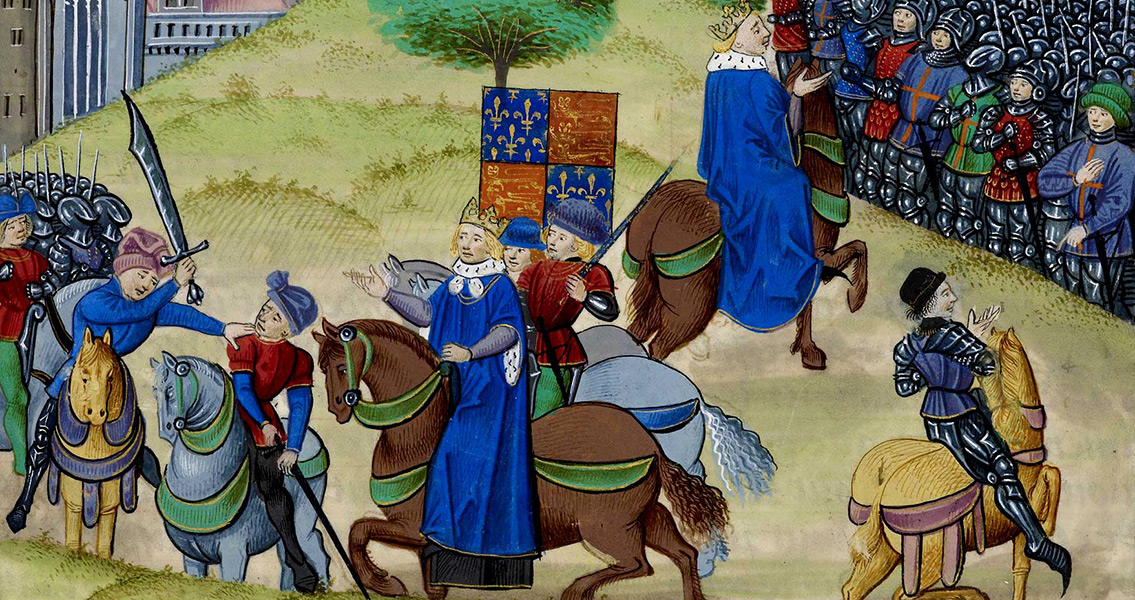
Peasant Revolt Hits London

Categories
Breaking News

Rabbit-Hunting Helped Modern Humans Gain Upper Hand

DNA analysis that the Neanderthals started declining in numbers very soon after the first modern humans set foot in Europe. Part of the reason may have been the new diseases that modern humans brought to the Neanderthals, and the fact that the latter had no immunity against them, unlike the modern humans. Climate change also had a big part to play in the decline of the Neanderthals, with some authors suggesting the cause of the change was a series of volcano eruptions, which could explain why they declined so fast. It seems one could say with a reasonable degree of certainty that there was no one single reason why the Neanderthals died out and modern humans thrived, but each of the reasons so far identified allows us a deeper understanding of this stage in human evolution and greater insight into how our own species came to be where it is today. For more information: Rabbits and hominin survival in Iberia Image courtesy of Wikimedia Commons user: Bernard Dupont]]>

Categories
Breaking News

Israeli Highway Workers Find Ancient Byzantine Church

Haaretz interview with Annette Nagar, the head of the IAA, the NRC is funding the current excavation of the remains of the church site. “The road station and its church were built in the Byzantine period beside the ancient road leading between Jerusalem and the coastal plain,” said Nagar, adding that while the road itself survived the end of the Byzantine era, the church and road station have fallen into disuse and disrepair in the 1,500 years since they were used regularly. The church, when in its heyday, was around 16 meters in length. To the side was a small alcove measuring 6.5 meters by 3.5 meters, thought to have been used as a secondary chapel; in the northeast corner of this smaller chapel is a baptismal font constructed in the shape of a four-leaf clover, which was an early symbol of Christianity used to represent the cross. Directly west of the church are the remains of the roadhouse, a building that would have been used to provide lodging for travelers and pilgrims on their way to and from Jerusalem. A plethora of archaeological finds were discovered in both the remains of the church and the roadhouse in the form of smaller artifacts, which included fragments of marble, shells made of mother-of-pearl, glass drinking vessels, coins and small oil lamps. The walls of the church were likely decorated with frescoes as evidenced by countless shards of red-colored plaster strewn about the ruin, according to Nagar. This isn’t the first archaeological find that has been uncovered along the road from Jerusalem, especially in the region surrounding Abu Ghosh. Nagar remarked that there were some uncovered within the town itself as well as the proposed site of the Biblical town of Emmaus, the site where Jesus is said to have appeared shortly after his resurrection after his crucifixion. Once the NRC completes its excavation and the IAA concludes its investigation of the site and any artifacts uncovered during the dig, the remains of the church and the roadhouse are slated to be re-buried once more. This will preserve the site for posterity, the IAA says; it could also pave the way for additional research and study on the site at a later date without having to oversee the site and preserve it from the elements in a more active manner. ]]>

Categories
News

Philippines Proclaim Short Lived Independence

Categories
Breaking News

European and Asian Cultures Born From Mass Migration

Population genomics of Bronze Age Eurasia ]]>