Categories
Breaking News

More Details Revealed About Iceland’s “Woman in Blue”

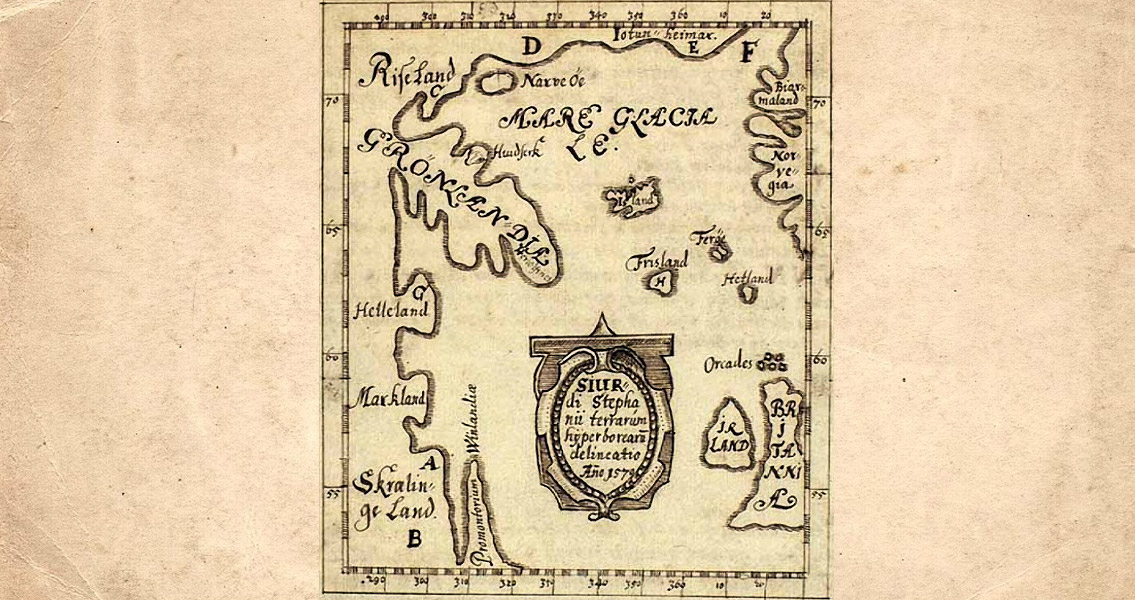
American Association of Physical Anthropologists, researchers presented the results of their ongoing examination and testing of the girl’s remains and the objects found buried with her. The incomplete and poorly preserved skeletal remains belong to a young woman determined to have been between 17 and 25 years old (radiocarbon testing of the fabric and tooth show she was born around the year 900 CE and the time of her death was sometime around the year 920 CE). Based on the chemical analysis of one of her teeth, the Woman in Blue moved from the British Isles or Scandinavia to Iceland when she was between five and ten years old, a fact indicated by her change in diet from mostly land animals and plants to one that included a large amount of seafood and fish. It’s unclear if the young woman was a Viking or Northern European, although she was dressed in traditional Viking garb which had been made with Icelandic wool and dyed blue using herbs that were probably brought to Iceland from abroad. The indigo blue plant-based dye is typical of female Viking garments. Buried along with her were an extravagant pearl necklace and two oval Scandinavian brooches made with a copper alloy. Amazingly, a piece of her skin had been preserved underneath one of the Scandinavian brooches which had been pressed against the young woman’s body at the time of her burial. The skin has allowed researchers to determine, among other things, her age and origin. Iceland’s history starts with Viking explorers (and their slaves) settling there in the ninth century – Iceland remained uninhabited even after western Europe had long-been settled. These first permanent settlers and the vast majority of the settlers (but not all) who arrived in Iceland over the following decades were Norwegian. The traditional story for this Norwegian exodus is that it was instigated by people escaping the overly strict rule of then Norwegian king Haraldr Hárfagri (Harold the Fair-haired). Alternatively, people may have simply been leaving Norway because of overcrowding in the western fjords. Seagoing Vikings from Norway, Denmark, and Sweden arrived and settled in several different countries, Iceland being one of them between the year 700 CE and the year 1100 CE, supporting the possibility the “Woman in Blue” came with the Vikings to Iceland. Skin and bone remains from the Woman in Blue were inadvertently stained green by the preservation solution used in the jars they were stored in. These items were transferred recently into jars containing a light paraffin oil in order to maintain their preserved state without staining them further. DNA from the young women is currently being studied by a team of researchers led by Joe and Jakob Walser, both with the University of Iceland in Reykjavik.]]>
Categories
Breaking News

Patent for Wright Brothers’ Flying Machine Re-Discovered

Categories
Breaking News

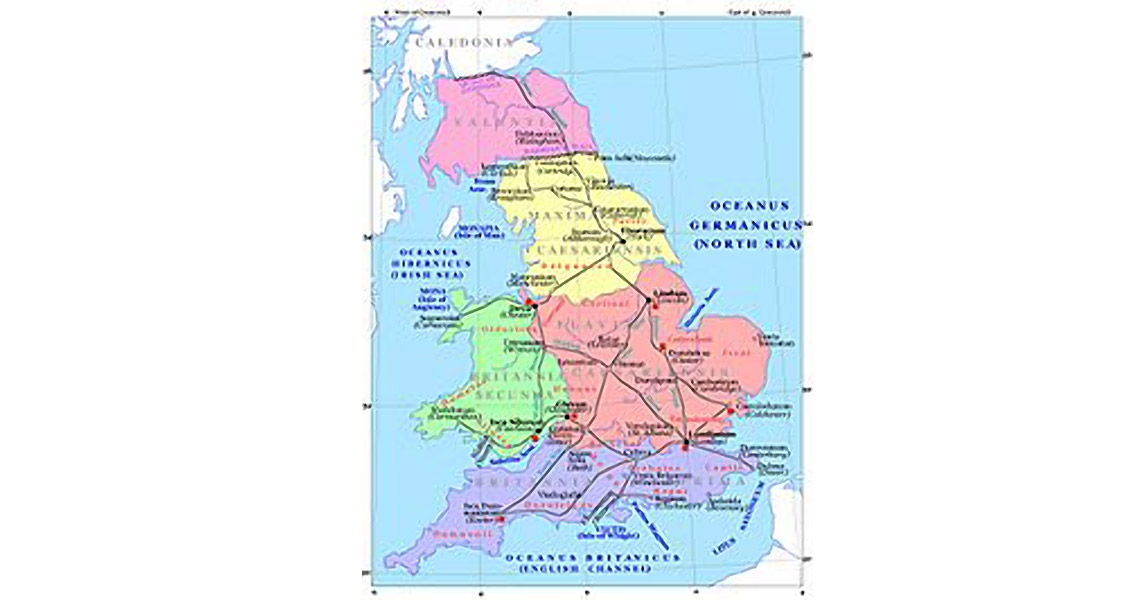
Electrical Construction Sheds Light on Roman Britain

Categories
Breaking News

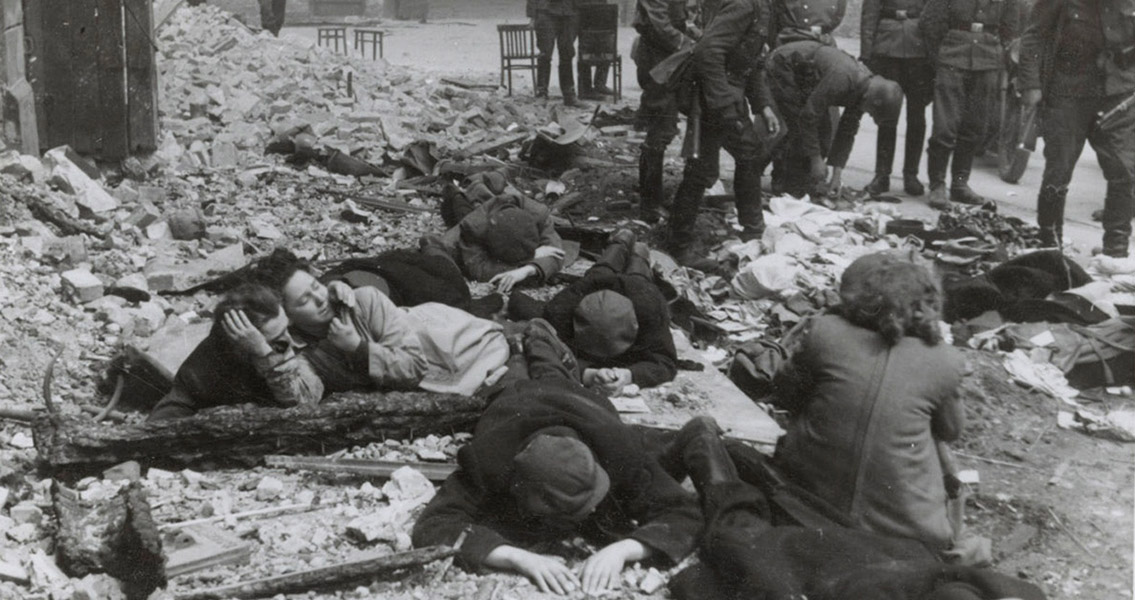
Jews Fight Back in Warsaw Ghetto Uprising

Zydowski Zwiazek Wojskowy, trans. The Jewish Military Union) and ZOB (Zydowska Organizacja Bojowa, trans. The Jewish Combat Organisation) to combat the Nazi soldiers. The two groups, the ZOB with around 500 members, the ZZW some 250, soon elected to work together to resist German attempts to destroy the ghetto. In October 1942, the ZOB managed to establish contact with the Home Army, an underground movement of the Polish military which resisted the Nazi occupation. They made a deal which saw the Home Army supply ZOB with weapons, mostly hand guns and explosives. Resistance had become the only option for those imprisoned in the Warsaw Ghetto. The chances of success were slim, but their fate under Nazi rule had been made increasingly obvious. Death seemed more and more inevitable, at least armed resistance offered some chance of survival. “Whomever you talk to, you hear the same cry: The resettlement never should have been permitted. We should have run into the street, set fire to everything in sight, have torn down the walls, and escaped to the Other Side. The Germans would have taken their revenge. It would have cost tens of thousands of lives, but not 300,000.” wrote Emmanuel Ringelblum in 1942, in his diary of life in the Warsaw Ghetto. “Now we are ashamed of ourselves, disgraced in our own eyes, and in the eyes of the world, where our docility has earned us nothing. This must not be repeated now. We must put up a resistance, defend ourselves against the enemy, man and child.” Shortly after the Nazi invasion of Poland, Warsaw’s Jewish citizens were forced into the barb wire fenced ghetto. More Jews from across Poland and Nazi occupied Eastern Europe were sent to the site, so that some 400,000 people ended up living in an area covering less than two square miles. Forced to live on inadequate rations, disease and starvation soon started to kill thousands each month. From July 1942, Jews from the Warsaw Ghetto started to be rounded up and taken to the Treblinka concentration camp at a rate of roughly 6,000 a day. The Nazi authorities initially claimed Treblinka was a labour camp, but news soon got to the ghetto that being transferred meant almost certain death. The first act of resistance came on 18th January, 1943, when ZOB fighters ambushed the Nazi forces sent in to round up some of the ghetto’s population for transfer. Fighting lasted for a few days, and several Nazi soldiers were killed before they could withdraw. Two months later, Heinrich Himmler announced that the ghetto was to be emptied of its population on 19th April, to celebrate Hitler’s birthday. When SS soldiers entered the ghetto on the 19th they were faced with 1000 ZOB fighters armed with homemade bombs and guns. Frantic fighting ravaged the streets while the non-combatant residents hid themselves in secret underground bunkers. The SS soldiers soon withdrew, but the respite was short lived. On the 24th April an all out military assault was launched on the ghetto. For a month relentless fighting wrecked the ghetto, as the ZOB waged guerrilla warfare against the Nazi troops in an attempt to fend off transportation to Treblinka. As the battle continued, Nazi soldiers set about systematically destroying the ghetto block by block, obliterating the bunkers where Jewish residents had been hiding. ZOB soldiers continued their fight from the sewers, but on 8th May their cause was all but lost with the destruction of their command centre, and the group’s leaders committed suicide to evade capture. By 16th May the Warsaw Ghetto was under Nazi control, and transportation to Treblinka resumed en masse. Some 300 German soldiers were killed in the uprising, while thousands of Jews lost their lives in the fighting. Any Jewish survivors were sent to Treblinka, where most perished before the end of the war. The heroic last stand by the ZOB may have ended in tragic defeat, but it was remarkable in terms of the amount of Nazi forces it diverted, especially considering the resistance fighters’ limited resources. Although it failed to save the people of the Warsaw Ghetto, it had aided the Allied war effort with the Nazi troops it occupied.]]>

Categories
Breaking News

Ancient Mass Graves Uncovered in Outskirts of Athens

Categories
Breaking News

Fire – Early Humans Knew a Good Thing When They Saw It

Evolutionary Anthropology ]]>

Categories
Breaking News

Anglo-Saxon Graves, Prehistoric Finds Discovered in UK

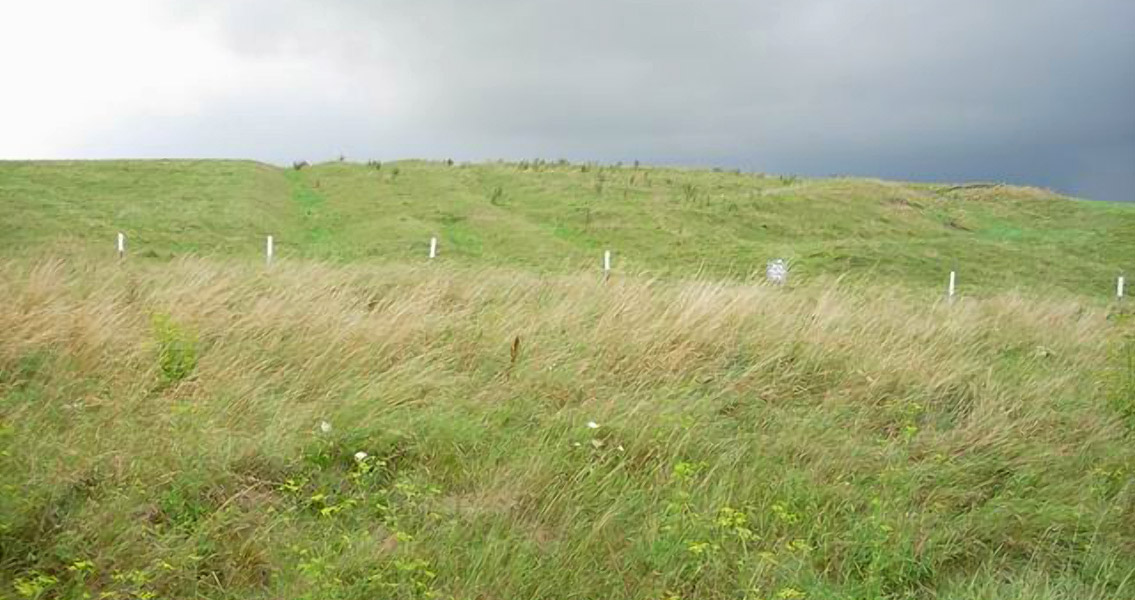
Current Archaeology. The Defence Infrastructure Organisation enlisted the aid of Wessex Archaeology to undertake excavation and study of the mass grave site. Jackie McKinley, an osteologist with the archaeology organisation, remarked that the site was likely a planned cemetery and would have featured some sort of grave identification such as low mounds or markers. While rather large for its date, the cemetery is a normal domestic one judging from the wide range of ages of the deceased, McKinley added. Grave goods were found within many of the burials, including personal possessions such as knives, brooches and glass beads. There was also evidence that those buried within were part of a community that had wide-ranging trade and commerce connections, judging by the Red Sea cowrie shells found in a selection of the graves. One unique object, a small cylinder found buried with a young woman, is of special note; known as a “work box” because other examples unearthed at other dig sites have been found containing pins, the object has yet to be opened. However, x-ray analysis has revealed that there could be several fragmented objects made of a copper alloy within. McKinley stated that the work box would have certainly been a status symbol at the time. Its properties were likely as functional as they were “amuletic”, she added. While there’s no evidence of any Anglo-Saxon settlement within close proximity to the cemetery, there is evidence of why the community chose the site for its burial needs. A pair of prehistoric “hengiform” monuments, edifices that could have been barrows or ring ditches, have been found close by the cemetery. The research team says that right now, based on preliminary findings, these monuments could have been used from as early as the Neolithic to as late as the Bronze Age. Additional prehistoric discoveries at the site include several Neolithic ceremonial pits found to have been filled deliberately with a selection of unique objects. The majority included potsherds from grooved ware pottery in the Woodlands style as well as intact and fragmented axes – one of which seems to have been constructed from a distinctive Cornish green stone. Antlers, aurochs bones, flint hammerstones, and pieces of chalk carved into the shape of a ball and a bowl round out the prehistoric finds. The crown jewel of the Neolithic artifacts, a rare standout oval flint blade known as a discoidal knife, is now one of only three ever found dating back to the time period. Image courtesy of Wikimedia Commons user: Hugh Venables]]>

Categories
Breaking News

New Clue in the Study of Fauna Dispersal Routes

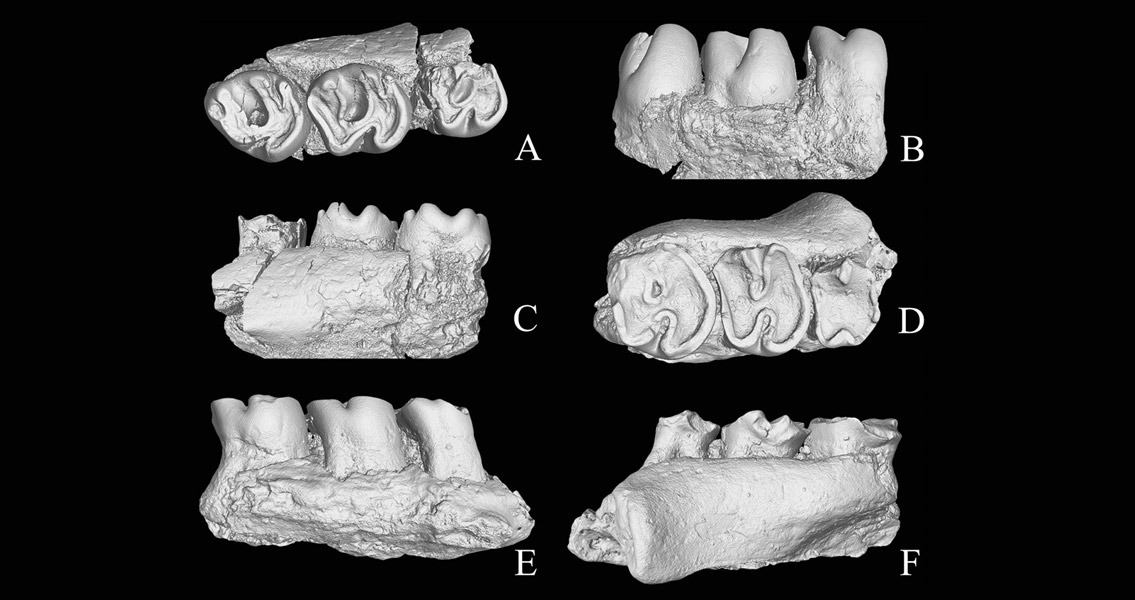
Sayimys negevensis – was discovered in Israel’s Negev desert (the species was named for the Negev area where it was discovered) and researchers hope it will shed new light on the dispersal routes of several species, including mammals, between Africa and Eurasia during the Early Miocene which occurred between 23 million and 16 million years ago. The discovery has already highlighted Israel’s unique paleogeographic status as an important piece of the Levantine corridor which connected North Africa with Eurasia. Israel is the one place in the Eastern Mediterranean – from Sinai to Anatolia – where Early Miocene fossil sites have been discovered. The research, published in the open access journal PLOS ONE, describes a distant ancestor of today’s gundi: a small rodent who sports bristles (which resemble a comb) on its hind feet’s two middle toes – not surprisingly the gundi is also referred to as a comb-rat. “It is a pivotal species that bridges the gap between an array of primitive Ctenodactylines and the most derived, Early Miocene and later, gundis,” the authors wrote in the PLOS ONE article. Gundis are the only remaining descendants of the Ctenodactylidae family whose ancestors appeared in Asia around 40 million years ago. The species’ widest distribution and greatest diversification occurred from the Far East to Africa, during the Miocene. Today, they live in groups in the deserts and semi-deserts of North and East Africa. “The fossil sites of Israel are in a unique position to offer data on the early times of the large waves of faunal exchanges that took place around 19 million years ago between Eurasia and Africa,” Dr. Raquel Lopez-Antoñanzas, with the University of Bristol, said in a press release. At the time of the Early Miocene, what’s known as Israel today was still attached to Africa. Almost all of the mammals found in modern Israel originated in Africa. Sayimys negevensis is one of only a few species found in Israel with connections to Eurasia. “The new Israeli species is closer in morphology to nearly coeval species found in Pakistan, therefore demonstrating that mammals were already using the Levantine corridor to travel between Eurasia and Africa in the Early Miocene,” Dr. Rivka Rabinovich, a research co-author with the Institute of Earth Sciences and the National Natural History Collections at the Hebrew University of Jerusalem, said in the press release. The new rodent discovery is part of international research being undertaken by scientists from the Israel Geological Survey, Midwestern University in Glendale, Arizona, the University of Manchester and the University of Connecticut; focusing on the paleogeographic implications involving the fauna of Israel during the Early Miocene. For more information www.journals.plos.org Image courtesy of Rivka Rabinovich]]>

Categories
Breaking News

New Research Reveals “Tully Monster” Was a Vertebrate

Tullimonstrum gregarium, have been found exclusively in the state of Illinois, deep in its coal quarries. The bizarre visage of the Tully Monster – with its long, eel-like body, fins on its tail resembling that of a squid’s back end, and long, tentacle-like neck ending in a mouth reminiscent of a crab claw – has captured the imaginations of scientists and cryptozoologists alike. Because of the strange agglomeration of body parts – which included a pair of stalks that ended in blob-like ovals thought to have been eyes – researchers have been flummoxed as to how to classify the Tully Monster. However, the new research study, headed by University of Leicester PhD student Thomas Clements, managed to reveal some of T. gregarium’s secrets, specifically by investigating those strange eye stalks. In a university press release, Clements recounted how it was the distinctiveness of those stalked structures that inspired the study. Bizarre anatomy in a fossil makes it difficult to choose a starting point, the PhD student added, which led the research team to focus on what they thought was the most interesting feature of the Tully Monster. The idea panned out in a big way. The researchers, who joined forces with colleagues from the University of Texas in Austin and the University of Bristol, found that the dark blobs at the ends of those stalks were composed of microscopically small granules, hundreds of thousands of them, and they were identical chemically and physically to melanosomes, organelles instrumental in the creation and storage of melanin. Almost every animal is capable of producing this pigment, according to the University of Bristol’s Dr. Jakob Vinther, who was also involved in the study. Melanin is instrumental in the wide range of hair and skin color in humanity, for instance; however, it’s also found in the eyes of a large number of animals, where it plays a role in blocking excess light from entering the eye, and allowing a clear visual image to form. What this means for the Tully Monster – finding melanosomes in such high concentrations in the two terminal bulbs on its stalks – is that it has been conclusively proven that the dark blobs were eyes. The team also found that there were two differently-shaped melansomes in the Tully Monster’s eyes. This is a characteristic found exclusively in vertebrates. In other words, not only has it been proven that T. gregarium had eyestalks but also that it was indeed a vertebrate, unlike previous research that suggested the Tully Monster lacked a backbone. These new revelations – the fact that the Tully Monster had rather good vision and that it was indeed a vertebrate – suggest that the animal might have been a fish. A rather bizarre fish, Thomas commented, but a fish nonetheless. The research study, which was published in the journal Nature, can be found online here Image courtesy of University of Leicester]]>

Categories
Breaking News

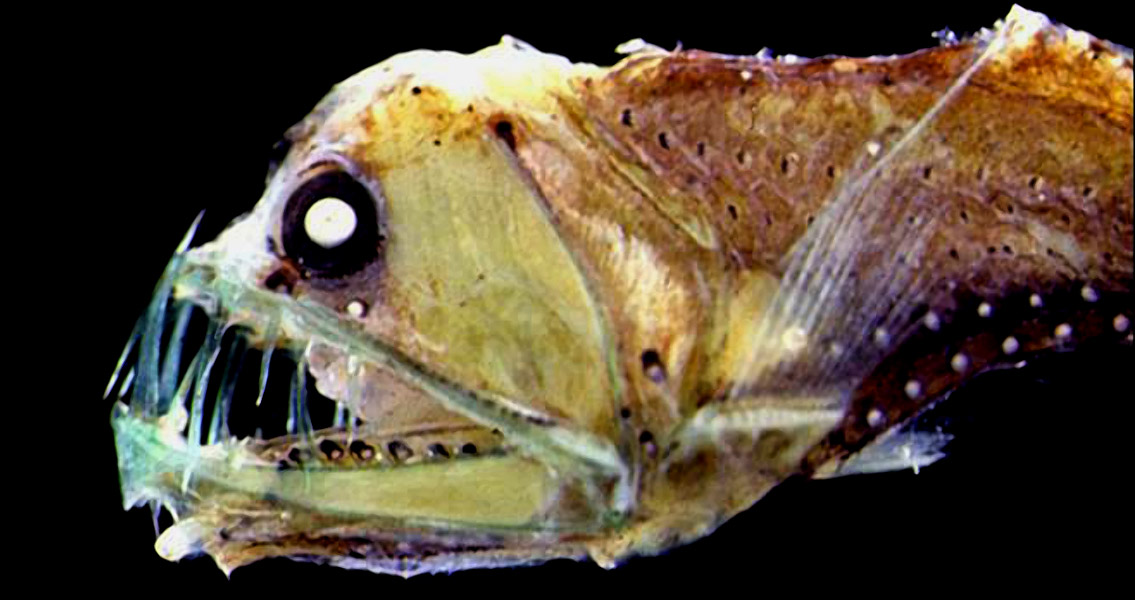
How Deep Sea Life Survived the Asteroid the Dinosaurs Didn't

Geology, the study has answered one of the most curious questions surrounding the mass extinction event which took place 65 million years ago. ]]>