Categories
Breaking News

New Species of Duck-Billed Dinosaur Discovered

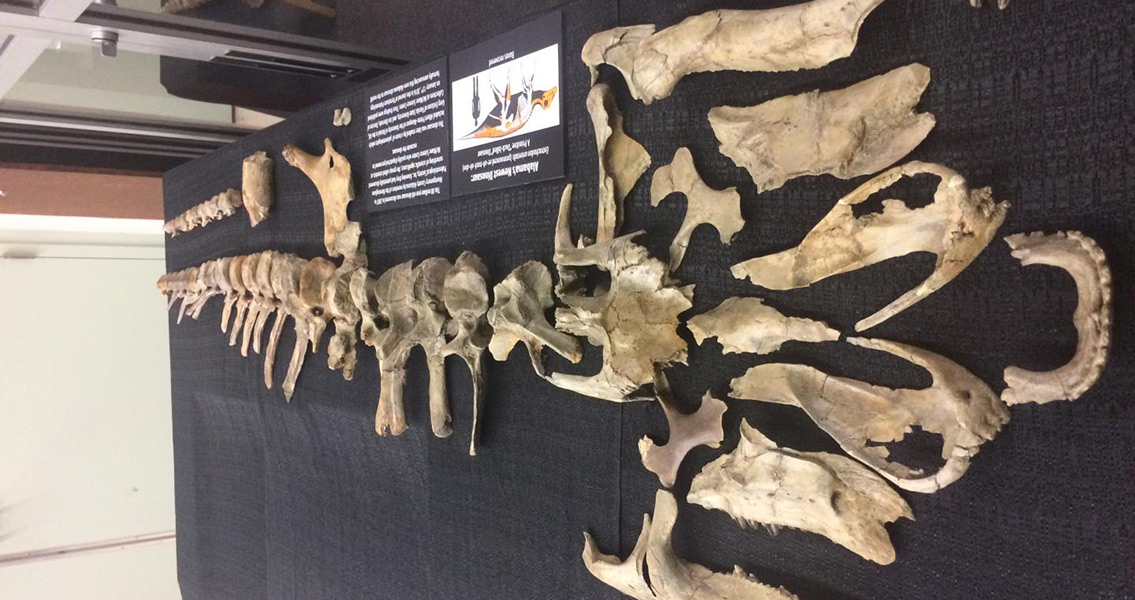
Eotrachodon orientalis, which means “dawn rough tooth from the east”, the name is also a tribute to the first duck-billed dinosaur ever discovered: the Trachodon. The details of the team’s research have just been published in the Journal of Vertebrate Paleontology. Erickson and colleagues say the Eotrachodon orientalis specimen measured between 20 and 30 feet long (between 6 and 9 metres) in life. It likely walked on its hind legs, occasionally coming down on to all four to graze on plants. The team are currently unable to say for sure how old the specimen was when it died, but according to Erickson, the highly vascularised bones suggest it had been growing rapidly before its death. This could suggest it was in adolescence, and would have grown even longer had it reached adulthood. The discovery has revealed a great deal about the development of Hadrosaurids. The family of dinosaurs lived during the Cretaceous Period which lasted for roughly 79 million years, from 145.5 million to 65.5 million years ago. One of the most common families of dinosaurs from the period, Hadrosaurid remains have been found in North America, Europe and Asia. The discovery in Montgomery County shows that the duck-billed dinosaurs originated in what is now the eastern United States. “This is a really important animal in telling us how they came to be and how they spread all over the world”, said Erickson, in a press release. During the Cretaceous Period the North American continent was divided into two landmasses: Laramidia to the west and Appalachia to the east, by a 1,000 mile ocean connecting the Arctic Ocean to the Gulf of Mexico. “For roughly 100 million years, the dinosaurs were not able to cross this barrier”, said Jun Ebersole, director of collections at McWane Science Center. “The discovery of Eotrachodon suggests that duck-billed dinosaurs originated in Appalachia and dispersed to other parts of the world at some point after the seaway lowered, opening a land corridor to western North America.” For more information: www.tandfonline.com Image courtesy of Jun Ebersole, McWane Science Center]]>
Categories
Breaking News

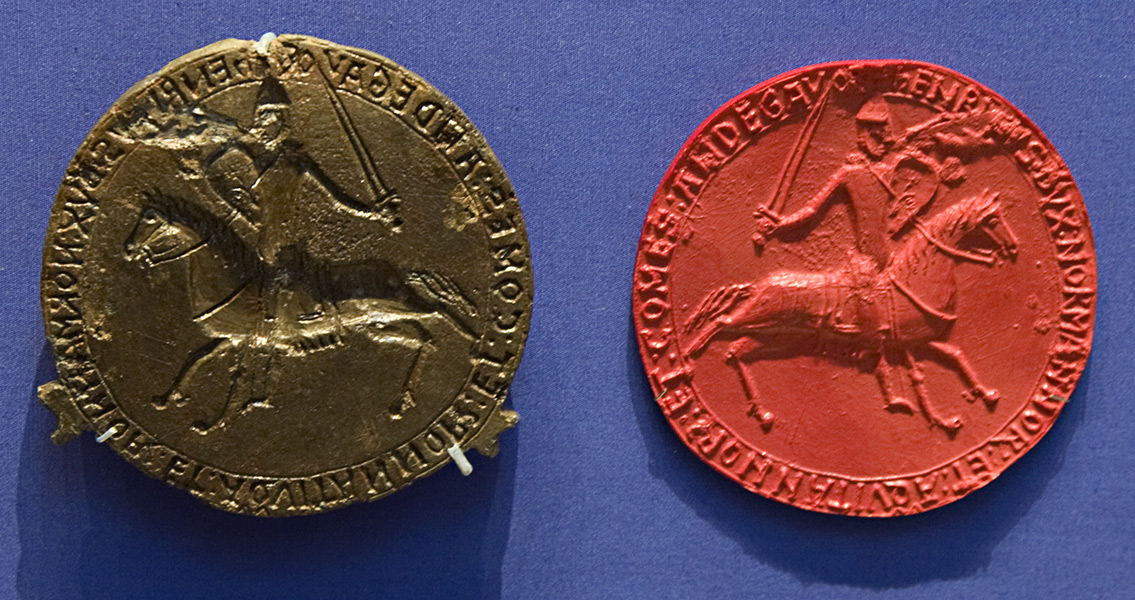
Fingerprint Analysis to be Used on Medieval Wax Seals

Categories
Breaking News

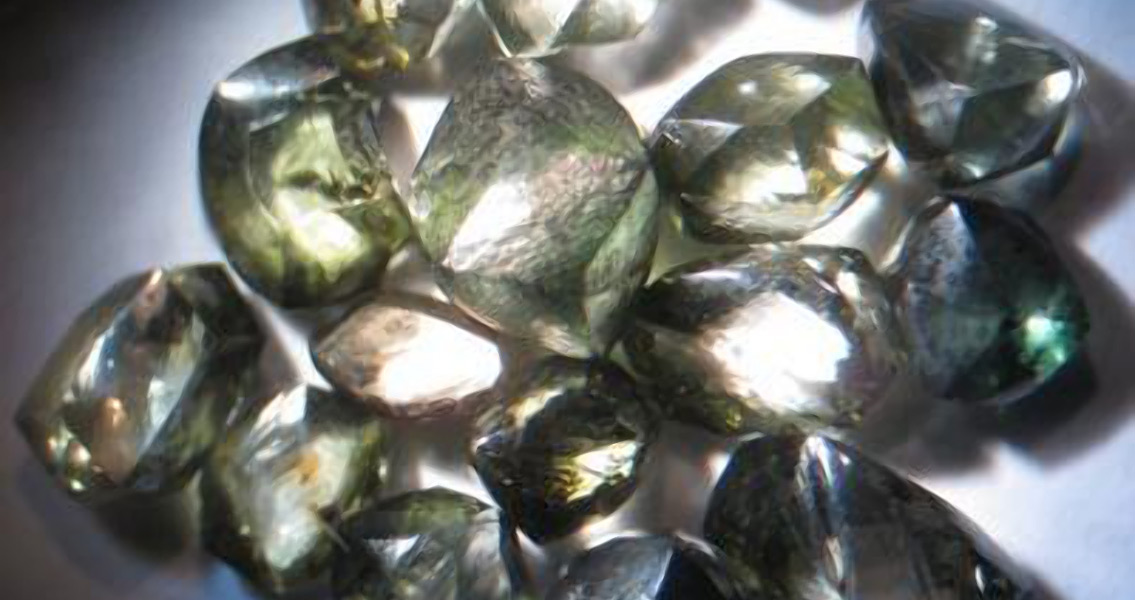
Wits Diamonds Are a Geoscientist's Best Friend

Categories
Breaking News

Native American Depopulation Affected Ecology

Categories
Breaking News

First Finds from Oldest Dig Site in Lima Unveiled

Categories
Breaking News

Neanderthals Could Have Lived in Southern Scandinavia

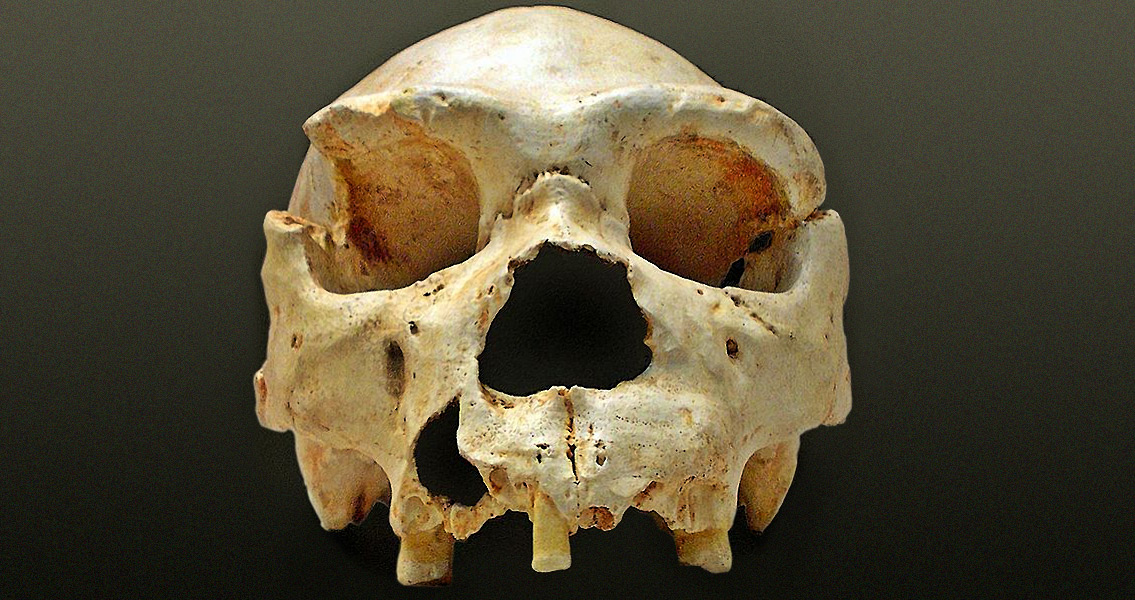
Quarternary International, the new study questions this idea. Although not proving either way whether Neanderthals actually made it as far as Southern Scandinavia, it shows that climate constraints wouldn’t have been enough to stop them. Two main hypotheses exist regarding Neanderthal inhabitation of Southern Scandinavia. The first, and by far the most widely held, is that climate constraints and dispersal barriers made it an impossibility. The second hypothesis claims that they did migrate north of 55°N, but they have for some reason remained invisible to the archaeological record. Led by Trine Kellberg Nielsen from Aarhus University, the authors of the study constructed climate models of where Neanderthals are known to have lived, and where they could have lived. Palaeoenvironmental reconstruction techniques were used to model the environment of Northern Germany and Southern Scandinavia during the Last Interglacial Complex. “Our results are inconsistent with the claim that climatic constraint and/or a lack of suitable habitats can fully explain the absence of Neanderthals in Southern Scandinavia during the Eemian Interglacial and Early Weichselian Glaciation”, they write in the abstract to the study. For years a cast of roe deer bones held in Denmark’s National Museum were considered evidence that Neanderthals had reached Southern Scandinavia. Archaeologists argued that the bones, discovered in 1955, showed signs of having been manipulated by Neanderthals. In 2013 this evidence was debunked by a team specialising in genetic engineering, from Aarhus University. Other evidence for a Neanderthal presence in Denmark comes in the form of Coups de poing, Lower Paleolithic hand axes. Around fifteen such axes which could have been used by Neanderthals have been found in Denmark. This evidence is far from conclusive however, human stone age hunters also used the primitive stone axes, and the examples found in Denmark were all unearthed from mixed soil, making it impossible to definitively date them. The timing and extent of Neanderthal migration throughout Europe is under constant revision and revaluation. Late last winter a study argued that Neanderthals had reached Italy 100,000 years earlier than previously thought. Significantly, Nielsen and colleagues’ study does find evidence that a geographic barrier may have impeded northerly migrations during the Eemian Interglacial Period between 130,000 and 115,000 years ago. The higher temperatures of the Interglacial Period inevitably led to higher sea levels, and there is a strong indication that the Baltic and North Seas were connected over southern Denmark. As such, even if the climate was warm enough for Neanderthals to have lived in Southern Scandinavia, a sea could have prevented them from walking there. Neanderthals lived across Eurasia between 200,000 and roughly 30,000 years ago, although these dates are far from agreed upon. Their duration, and the breadth of the area they inhabited: from the Middle East to the British Isles, shows the Neanderthals’ flexibility and endurance, especially when one considers the period they lived in included the last Ice Age. Nielsen et al’s study shows just how much there is still to learn about our closest extinct relatives. For more information: www.sciencedirect.com]]>

Categories
Breaking News

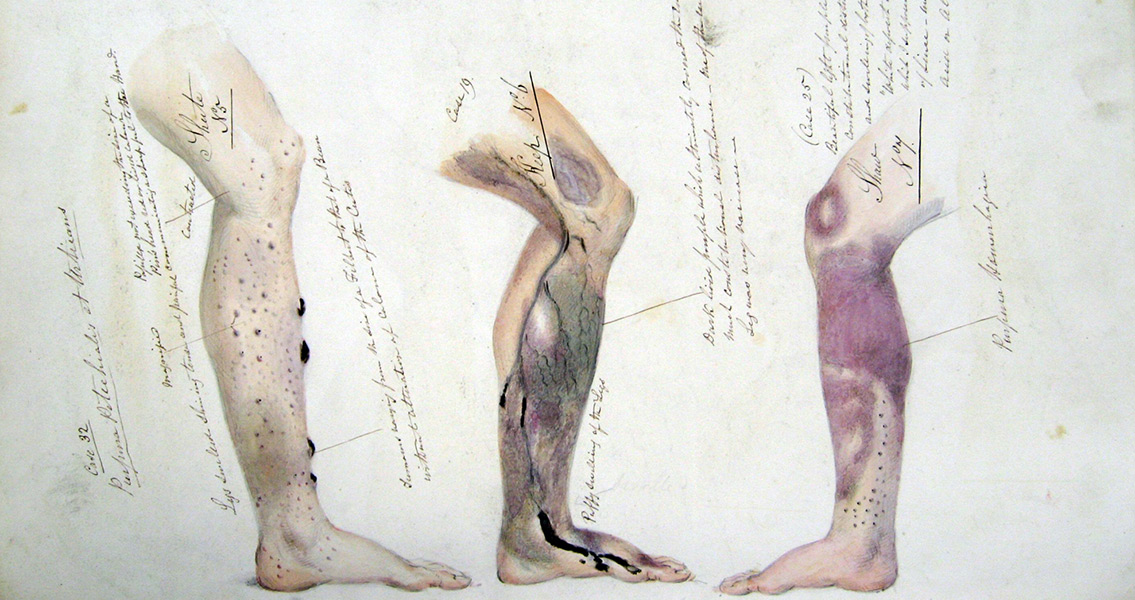
Oldest Case of Scurvy in the World Discovered in Aswan

Categories
Breaking News

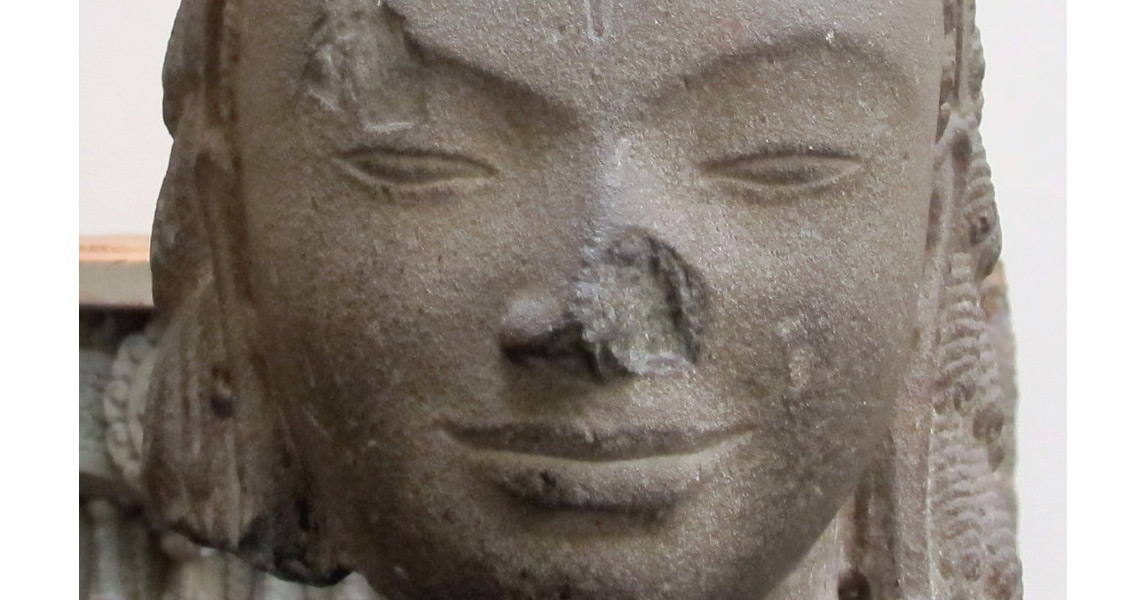
Oneness Achieved As Harihara Statue Is Reunified

Categories
Breaking News

WW1 Era U-Boat Discovered off British Coast

Categories
News

Manson Family Convicted of Brutal Murders