The Journal of Archaeological Science, can be viewed online here Image Reused from Journal of Archeological Science, 2016, with permission from Elsevier]]>
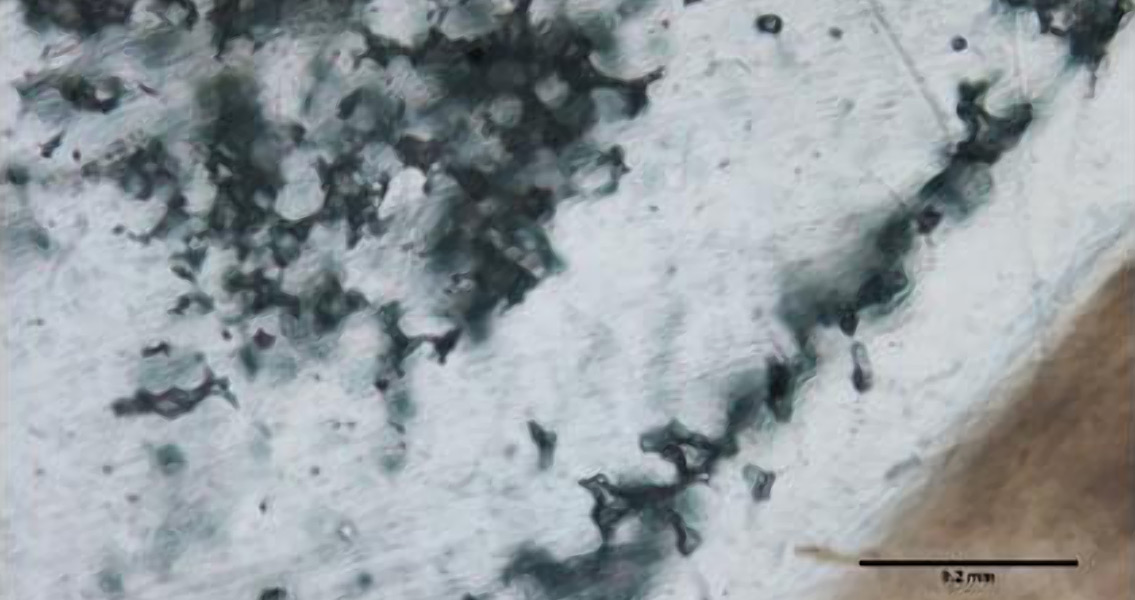
The Journal of Archaeological Science, can be viewed online here Image Reused from Journal of Archeological Science, 2016, with permission from Elsevier]]>
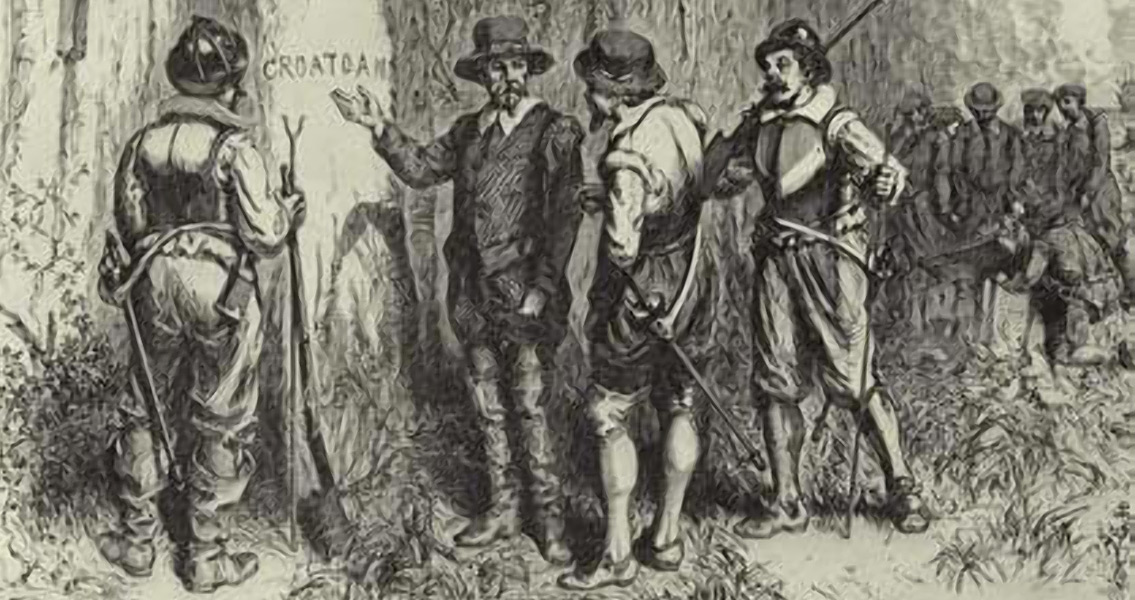
Virginian-Pilot that the findings may not offer definitive proof that the Lost Colony settled there, but they do show, at a minimum, that they could have; adding that there are numerous time periods represented at the Bertie site (renamed for the county it’s located in). Another critical piece of the puzzle is a map of the area drawn by fellow explorer John Smith, in the 1850’s, which is preserved at the British Museum in London, where researchers found the symbol of a fort underneath a repair patch – the symbol indicates a fort in the same location as the artifacts. Additionally, prior to leaving for England, White had instructed the colonists to “remove 50 miles into the main.” The Bertie site is approximately 57 miles from Roanoke Island. Years later, after the establishment of Jamestown, where White also had a significant role, a search party was sent south to look for the colonists. The party never arrived at the Bertie site, due to ongoing conflicts with the Native Americans in the area. During his time at Roanoke Island, Smith produced a number of maps and watercolor sketches of native Algonkin peoples and the surrounding landscape, considered to be the most informative drawings of the Native American culture in the region. The surviving watercolors are stored at the British Museum. White never fully recovered from the loss of the Roanoke colony, and he would never return to the New World. The excavation efforts haven’t unearthed any evidence of an actual fort, as the map showed, only evidence of a small number of early English settlers. Mysteriously however, Swindell is quoted in the Virginian-Pilot as saying, “We have new clues, that’s all we can say, there are new clues.” ]]>
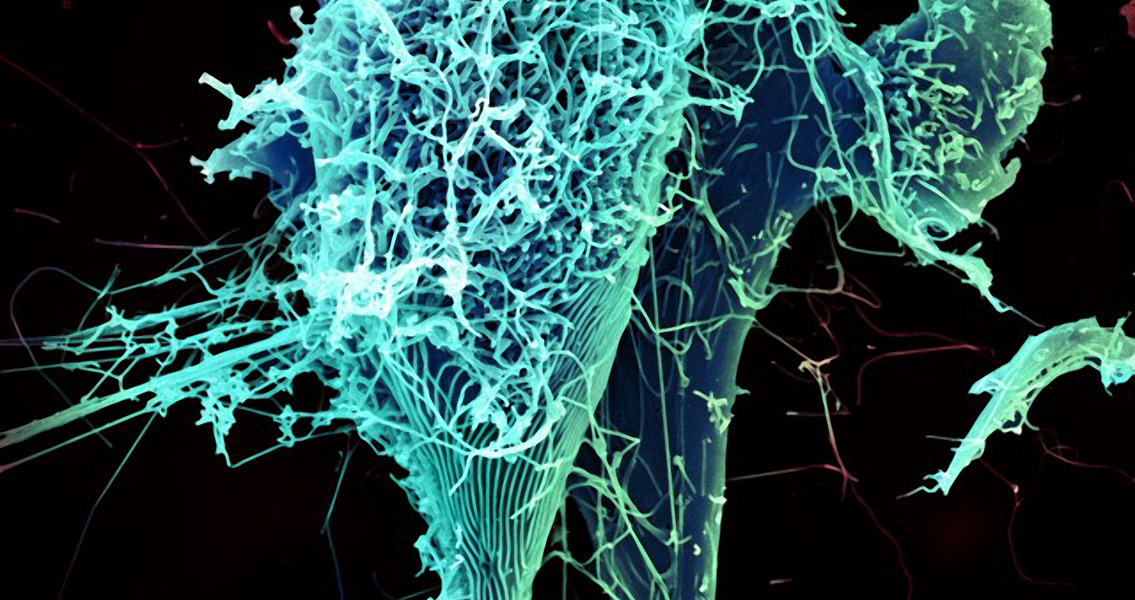
Phys.org, Stanford University postdoctoral fellow and study author David Enard remarked on these findings, stating that while the research team knew that an epidemic or a pandemic that affects a population will either lead to adaptation or extinction, the scientists were surprised at how strong and clear the pattern of viruses having this impact on adaptation was. Proteins are crucial to our biological function, as they are responsible for many different cellular functions. By pulling back the curtain on how small changes in the composition and shape of proteins have aided mammal populations’ response to viral threats, the way could be paved for new therapies against modern-day viruses. Stanford professor Dmitri Petrov, a co-author of the study, stated that researchers are hard at work determining which cell parts have played a role in fighting viral infections in the past, and how this was accomplished without compromising the organism’s health. Existing research has focused on understanding how proteins directly involved in immune response reacted to being exposed to viruses, but this study is the first of its kind to take a global approach to as many proteins as possible. Enard said that viruses don’t just cause adaptation in highly specialized immune proteins. In fact, any protein that happens to come into contact with a virus can be part of the adaptation process of overcoming the ill effects of that virus. The researcher added that data analysis had revealed this adaptation occurred at least as frequently outside the immune response as it did within. The first step of the research study was to flag every protein that we know has had physical interaction with viruses. This led the team to review several thousand scientific abstracts. In the end, Enard and his team whittled down the list to around 1,3000 relevant proteins. Next, big data algorithms were built by the team to see how proteins that interacted with viruses evolved compared to others. The results revealed that adaptations in virus-interacting proteins occurred three times as often as they did in non-interacting proteins. The new study, which has been published in the journal eLife, can be found online here Image courtesy of NIAID ]]>

Scientific Reports. ]]>

Antiquity, has offered a personalised insight into the intercultural and spiritual dynamics at play as European and indigenous Caribbean cultures clashed for the first time, showing the tone and attitudes of some of the earliest interactions. “This research reveals a new perspective on the personal encounter between indigenous populations and the first generations of Europeans in the Americas.” said Dr. Jago Cooper from the British Museum. “This is a unique site that helps us to understand the origins of cultural identity in the Americas, the start of a process that continues right up to the modern day.” Image courtesy of University Leicester]]>
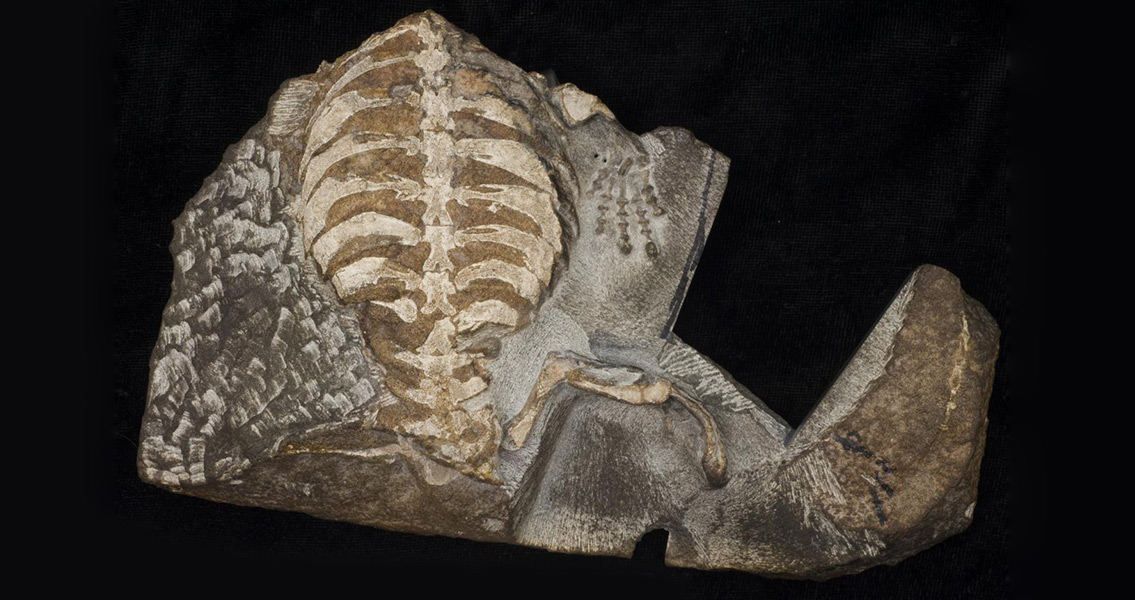
Current Biology claims that this was not always the case. Rather, the authors suggest that broad ribbed proto-shells were actually an adaption to help with burrowing underground. Eight year old Kobus Snyman was walking on his father’s farm in the Western Cape of South Africa when he found the remains of a proto-turtle. The specimen proved to be the missing piece in the puzzle for the group of scientists striving to determine the origin of turtle shells. Measuring about 15 cm in length, the specimen Snyman discovered is in remarkably good condition, comprising a well preserved skeleton with fully articulated feet and hands. It is an example of Eunotosaurus africanus, a partially shelled turtle that lived around 260 million years ago. “Why the turtle shell evolved is a very Dr. Seuss like question and the answer seems pretty obvious – it was for protection.” said lead author of the study, Dr. Tyler Lyson of the Denver Museum of Nature and Science. “But just like the bird feather did not initially evolve for flight – we now have early relatives of birds such as tyrannosaur dinosaurs with feathers that definitely were not flying – the earliest beginnings of the turtle shell was not for protection but rather for digging underground to escape the harsh South African environment where these early proto turtles lived”. Understanding the importance of ribs in turtles was crucial to the team’s results. “We knew from both the fossil record and observing how the turtle shell develops in modern turtles that one of the first major changes towards a shell was the broadening of the ribs.” said Lyson, in a press release. Because ribs are crucial to both respiration and movement, changes in them have a major impact on all four legged animals. When ribs broaden they stiffen the torso, in turn shortening stride length, slowing down the animal and impeding its breathing. “Ribs are generally pretty boring bones. The ribs of whales, snakes, dinosaurs, humans, and pretty much all other animals look the same. Turtles are the one exception, where they are highly modified to form the majority of the shell.” explained Lyson. The breakthrough for the team came with the discovery of several specimens of Eunotosaurus africanus in the Karoo Basin of South Africa. Analysis of the fossils revealed that the broadening of the ribs in this creature had nothing to do with protection, but was rather a means to provide a more stable base when the animal used its front limbs to dig underground. Professor Rubidge from the University of Witwatersrand in South Africa, who was one of the scientists gathering fossils for the study, made it clear how important Snyman’s contribution had been. “I want to thank Kobus Snyman and shake his hand because without Kobus both finding the specimen and taking it to his local museum, the Fransie Pienaar Museum in Prince Albert, this study would not have been possible.” For more information: www.cell.com Image courtesy of Tyler R. Lyson]]>
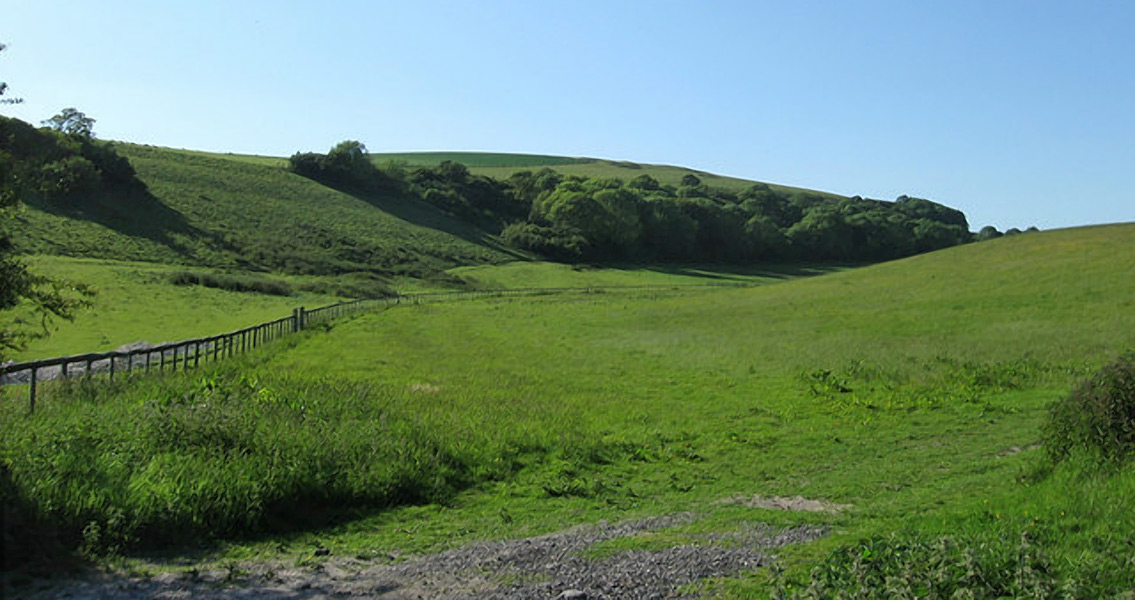
Historic England aerial investigation manager Helen Winton said the discovery of the long-forgotten Roman road was one of the true highlights of the project, despite the true bounty of “exciting” results the LIDAR study yielded. The South Downs National Park may have prehistoric roots, but it’s a relatively new addition to England’s national park system. Becoming fully operational on April 1st, 2011, the park covers a massive 628 square miles across the counties of East Sussex, West Sussex and Hampshire. The park itself stretches for 87 miles, terminating at the chalk headland known as Beachy Head, the highest chalk sea cliff in Britain. ]]>

T. rex and G. shinyae had such disproportionate forearms remains a mystery. The function of such seemingly useless forelimbs has perplexed experts and amateurs alike. An initial theory was that T. rex used its arms to hold a mate, others have suggested the arms were used to hold prey in place, (an earlier study hypothesized the arms were capable of maneuvering more than 400 pounds) or to help itself stand up – assuming the dinosaur ever sat. The current theory is that these short forelimbs were, in actuality, totally useless. Researchers are hopeful that learning how these shortened forelimbs evolved may help solve the puzzle. The study has been published in the journal PLOS ONE. ]]>

Science, is available here Image courtesy of Fereidoun Biglari, National Museum of Iran]]>