here Image courtesy of Wikimedia Commons user: Internet Archive Book Images]]>

here Image courtesy of Wikimedia Commons user: Internet Archive Book Images]]>
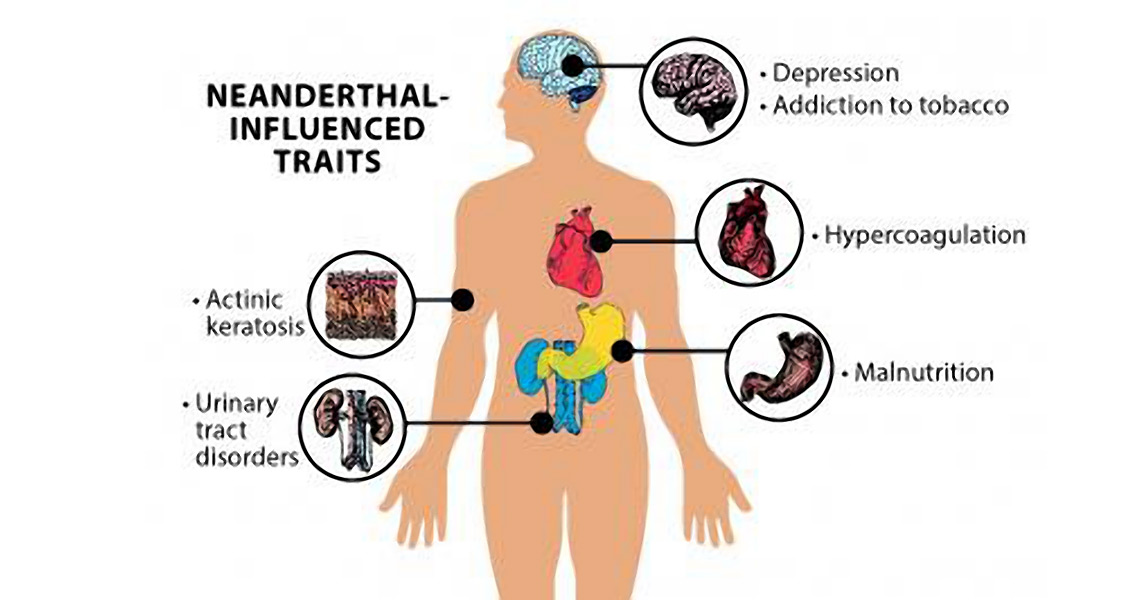
Science, the new study from scientists at Vanderbilt University is the first to actually compare Neanderthal DNA in a significant population of adults from European ancestry with their medical records. Just a few weeks ago, a study claimed that Neanderthal DNA could be responsible for allergies in humans, while previous research has suggested anything from skin colour to our fat metabolism could have been affected by Neanderthal DNA. Led by Professor John Capra from Vanderbilt University, the new study confirms that Neanderthal DNA influences a surprisingly diverse range of clinical traits in modern humans. “Our main finding is that Neanderthal DNA does influence clinical traits in modern humans: We discovered associations between Neanderthal DNA and a wide range of traits, including immunological, dermatological, neurological, psychiatric and reproductive diseases”, Capra explained. A surprising number of Neanderthal snippets are associated with neurological and psychiatric effects, according to the new study. “The brain is incredibly complex, so it’s reasonable to expect that introducing changes from a different evolutionary path might have negative consequences.” explained Corinne Simonti, a doctoral student from Vanderbilt University and the the paper’s first author. Aspects of Neanderthal DNA which modern humans retained to their advantage 40,000 years ago could be proving deadly now. One Neanderthal DNA variant is responsible for rapid blood coagulation in modern humans, something which seals wounds quickly and prevents infection – a crucial trait in hostile, perilous prehistoric environments. In modern societies however, this trait has become detrimental, with hypercoagulation increasing the risk of stroke, pulmonary embolism and complications during pregnancy. The team obtained their results by taking advantage of the Electronic Medical Records and Genomics Network funded by the National Human Genome Research Institute, a database which links the biological samples of 28,000 patients with their health records. After identifying individuals who suffered from specific medical conditions, such as heart disease or depression, the team determined the unique set of Neanderthal DNA those individuals carried. By comparing the two sets of data the team could identify whether each piece of Neanderthal DNA influenced the risks found in the medical records. The techniques developed by the team have the potential to open up new avenues to study the effects of different key events on human evolution. “Vanderbilt’s BioVU and the network of similar databanks from hospitals across the country were built to enable discoveries about the genetic basis of disease”, explained Prof. Capra “We realized that we could use them to answer important questions about human evolution.” Capra and his team are now looking into studying other data held in the medical records, beyond just physical traits, to gain an even wider understanding of the effects of Neanderthal DNA. For more information: www.science.sciencemag.org Image courtesy of Deborah Brewington, Vanderbilt University]]>
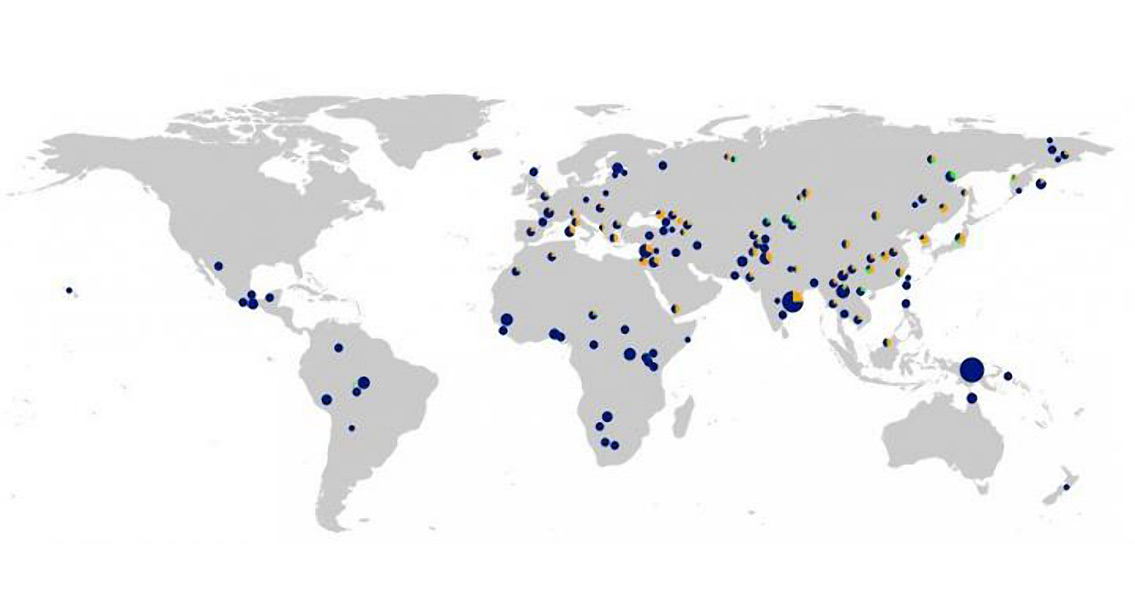
here and here Image courtesy of Dannemann et al./American Journal of Human Genetics 2016]]>
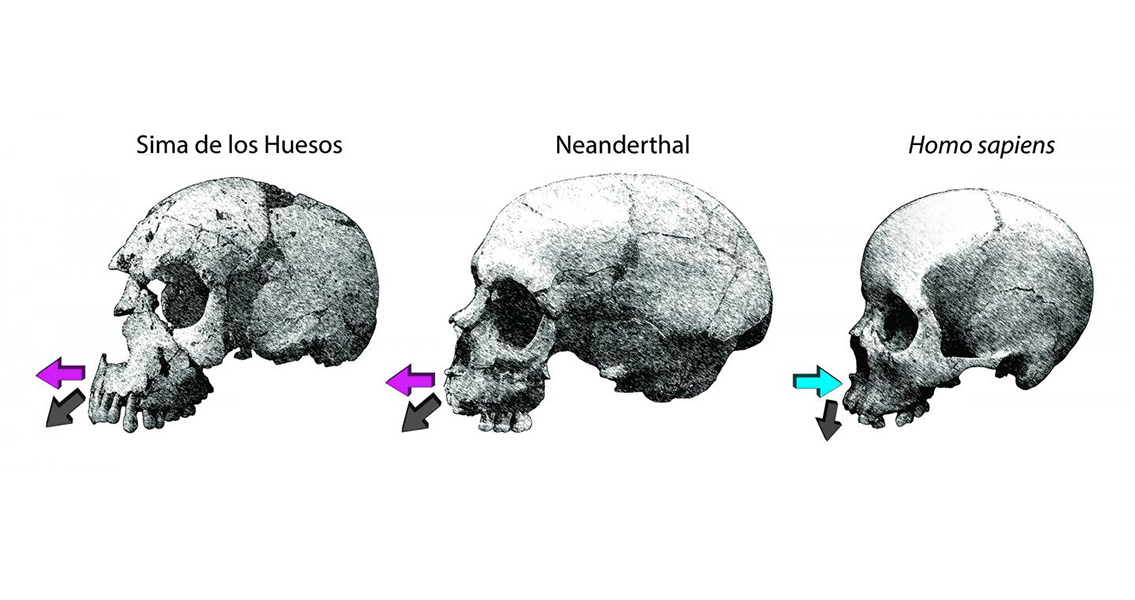
www.nature.com Image courtesy of Rodrigo S Lacruz]]>

45,000years ago. Exactly what caused our genetic cousins to disappear from the continent is a hotly contested issue. Theories range from the effects of humans, whether through increased competition for food and resources or by humanity inadvertently spreading fatal diseases to the Neanderthals, to climate change or even a major volcanic eruption. Prior to this study, the earliest Neanderthal specimen found in Italy was Altamura Man. Discovered embedded in a limestone cave in Southern Italy in 1993, an analysis of the calcium deposits on Altamura Man’s skeleton suggested he was between 128,000 to 187,000 years old. The skeleton is renowned for providing the oldest ever DNA sample extracted from a Neanderthal. Marra and his team were inspired to analyse the Saccopastore remains further by a mystery which has plagued scientists since the skulls were first discovered. Eleven stone artefacts found at Saccopastore seemed to be significantly older than the bones themselves. By re-dating the skulls, this inconsistency has been cleared up. The findings will be published in the journal Quaternary Science Reviews, later this month. Image courtesy of Wikimedia Commons user: 120]]>
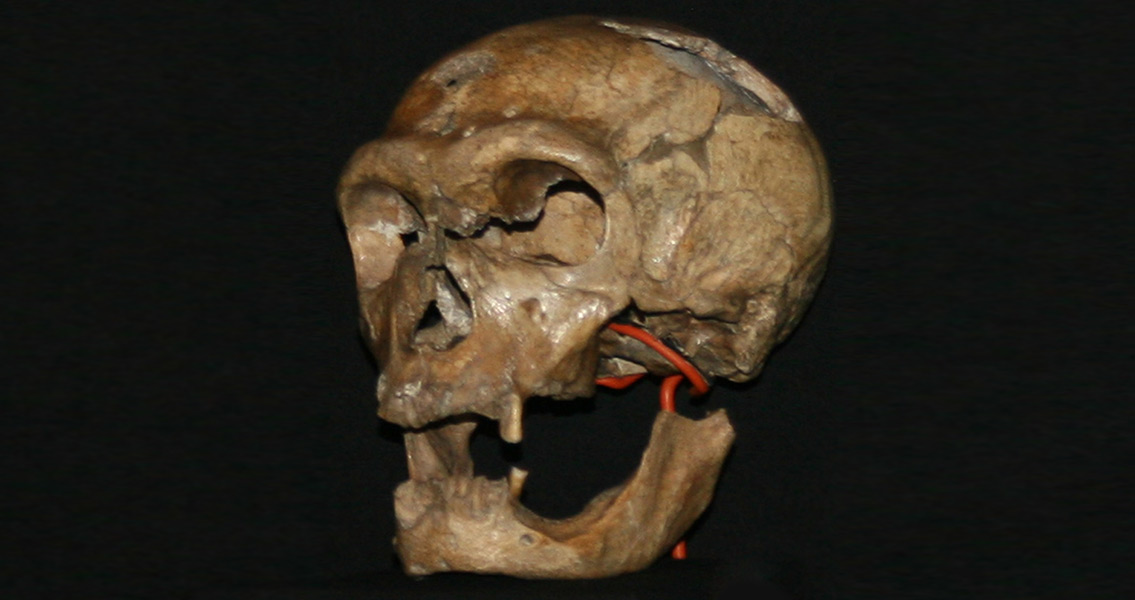
www.plosone.org Image courtesy of Wikimedia Commons user: 120 / V. Mourre ]]>
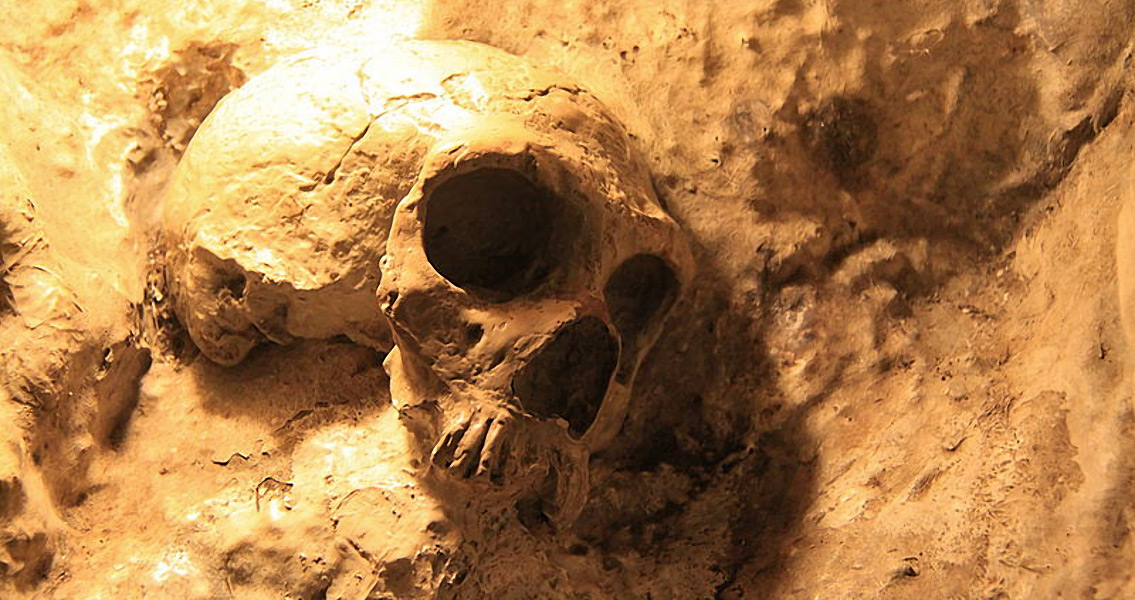
Homo heidelbergensis, the species believed to have given rise to both the Neanderthals and modern humans. Homo heidelbergensis lived in Europe, Asia, and Africa around 600,000 to 250,000 years ago, according to the Science report. Later, however, tracing the origins of these fossils became complicated. Two years ago, analysis of mitochondrial DNA – the non-nuclear genetic information in the cell that is inherited on the maternal side only and is very useful in tracing a person’s ancestry – revealed that the Sima de los Huesos fossils did not have as much in common with Neanderthals as they did with another ancient hominin species, the Denisovans. Researchers suggested that the inhabitants of the Sima de los Huesos cave had interbred with Denisovans or maybe that this Denisovan mitochondrial DNA actually belonged to a common ancestor, possibly Homo erectus. This is when the Max Planck Institute of Human Evolution joined the study and tried to extract and sequence nuclear DNA to settle the matter. This took two years, with Matthias Meyer’s team focusing on a tooth and a leg bone fossil from which they managed to extract enough fragments to work with. According to Meyer, they got as many as a couple of million base pairs – not a lot but enough for a reasonable level of accuracy in the results, which were in the form of unique genetic markers for Neanderthals, modern humans, and Denisovans. What these results showed was that the occupants of the Sima cave had split from the ancestor they shared with the Denisovans more than 430,000 years ago and they were Neanderthals, the Mail Online quotes Meyer’s report from the meeting. The implications of these results are that first of all, the Neanderthals are much older than previously believed, and also that the split between them and modern humans occurred much earlier. Talking about the findings to Mail Online, palaeoanthropologist Chris Stinger from the Natural History Museum in London said the results suggested modern humans and Neanderthals split around 650,000 years ago, while Neanderthals and Denisovans separated some 450,000 years ago. This constitutes a serious shake-up of the human evolution tree, adding further evidence to the idea that it was much more complex than previously believed. Image courtesy of Wikimedia Commons user: Bjorn ]]>


www.sciencedirect.com Image courtesy of Wikimedia Commons user: William Warby]]>