Categories
Book Reviews

The Works of Flavius Josephus

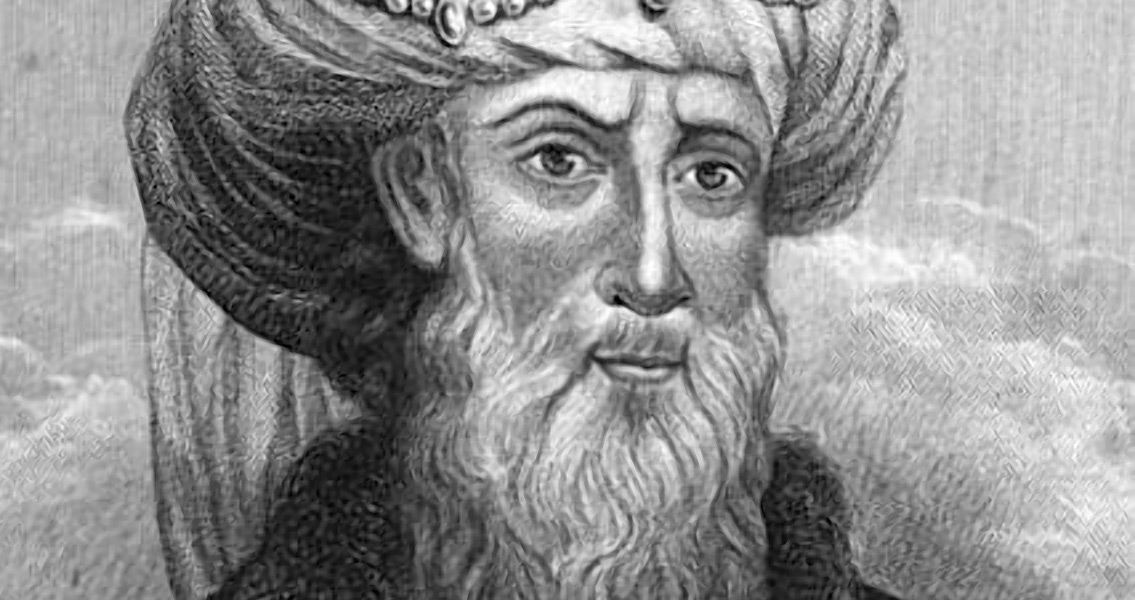
works of Flavius Josephus our knowledge of early Jewish history would be littered with massive gaps. The Jewish priest, scholar and historian wrote crucial texts on the Jewish Revolt and subsequent Roman suppression as well as earlier Jewish history, even making references to the life of Jesus. In particular, his writings give us a glimpse into the dramatic Second Temple Period. Even now, Josephus’ works are used by historians to gain an insight into events such as the Roman siege of Jerusalem in 70 CE. As excavations continue to explore the supposed site of the siege, it’s remarkable how often artefacts and evidence support the general narrative of Josephus’ writings. Two of his works are particularly crucial for the study of Jewish history. The first, ‘History of the Jewish War’, was written in seven volumes between 75 and 79 CE. At the start of the book there is a brief outline of Jewish history from the second century BCE, before launching into a detailed account of the Jewish-Roman War. The siege of Jerusalem is described in fine detail while the book also depicts the invincible might of the Romans, suggesting the revolt was likely doomed from the start. Additionally, the work deals with the causes of the revolt, highlighting it was an inevitable backlash to the harsh reality of life under Roman rule. ‘The Antiquities of the Jews’ is a much broader work, tracing the history of Judaism from creation up until the outbreak of the revolt. It is widely considered by historians to have been an attempt to present Judaism to the Romans and Greeks in a positive light; to distance the religion from the fanatical reputation it had gained in light of the Roman-Jewish War. Fascinatingly, ‘The Antiquities of the Jews’ contains references to Jesus Christ. In Book XX he is referred to as the “so-called Christ”, while a later reference refers to Christ’s divinity, something that many assume was in fact added by a Christian copyist. Most significantly, the work preserved many sources that otherwise could have been lost, making it vitally important for Jewish history. Details of Flavius Josephus’ early life are far from clear. Some accounts claim he was born in Jerusalem in 37 CE, his father a man connected to the Jewish church, his mother from a royal blood line. Others argue that he was born in Sadducee, to an aristocratic family. He excelled in his studies and eventually joined the Pharisees, a Jewish religious party infamous for distancing themselves from the Jewish nationalism which culminated in the revolt. The Pharisees were willing to submit to Roman rule, provided they could maintain religious independence. Despite his allegiance to the Pharisees, when the Jewish-Roman war broke out Josephus led forces against the Romans at Galilee. He eventually surrendered to the Romans at the siege of Jotapata, ignoring the calls of his men to fight to the death. After capture by the forces of Vespasian, Josephus managed to win the future emperor’s favour, entering his circle of trust and eventually completely defecting to the Romans (hence his Latin name). Josephus became completely absorbed into Roman society, giving his children Roman names and becoming a regular figure in the court of the emperor. Although his works show he stayed connected to Judaism, writing several retorts to the criticism leveled at the religion in the Roman and Hellenic world, he was denounced as a traitor by the Jews. A controversial figure in the history of Judaism who is often portrayed as a self-serving traitor, Josephus’ works nevertheless provide a crucial insight into a crucial period of history. The works are occasionally blighted by exaggeration, poor chronology or obvious bias reflecting the writer’s Pharisee beliefs, but they have been crucial in helping modern historians piece together the relationship between Judaism and the Roman Empire.]]>

Categories
Breaking News

New Evidence of a Battle Still Mourned during Jewish Fast

Jewish Press: “This is a fascinating testimony of the intensive bombardment by the Roman army, led by Titus, on their way to conquering the city and destroying the Second Temple. The bombardment was intended to attack the sentries guarding the wall and provide cover for the Roman forces so they could approach the wall with battering rams and thereby breach the city’s defenses.” As described by historian Flavius Josephus, who witnessed the event, the last battle against the Jewish rebels started with the Romans using catapults to hurl large stones, spears and gravel at the outer third wall and its defenders. The Romans were firing from siege towers which Jewish weapons were unable to reach. When the Jews were forced to retreat, they were no longer able to prevent the endless onslaught of Roman battering rams which gradually destroyed the wall. Josephus wrote: “The soldiers who reached the top of the wall opened the gates and brought the entire military force inside. Therefore on the 15th day of the siege, the 7th day of Artemisius [corresponding to the Hebrew month of Iyar], the Romans took control of the … wall, most of which was destroyed to the foundations along with the northern part of the city.” It took another two and a half months of battle before Titus was able to breech the remaining two walls. The findings attesting to the battle at the third wall were discovered in the Russian Compound, an area west of Jerusalem’s Old City, named for the Russian Orthodox church built there during the nineteenth century. Construction of Jerusalem’s third wall was started by Judean King Agrippa I, however, construction was halted and the wall was only completed years later, haphazardly and with inadequate resources making it a weak spot in the city’s defense. The destruction of the first and second temples is still mourned yearly as the Jewish fast Tisha B’Av, while the Arch of Titus, which celebrates the Roman’s victory in Jerusalem and the Temple’s destruction, is still standing in Rome. The excavation findings are scheduled to be presented at the “New Studies in the archaeology of Jerusalem and its Region” conference. ]]>

Categories
Editorial

A Short History of Ancient Theatre

Cennarium bring it back to our lives in the digital format. Theatre is here to stay, so let us take a short look at the historical timeline of its development. Primitive Tribal Dance (8500 BCE) Dancing was an integral part of most shamanistic rituals. Body movements naturally accompanied rites of passage and were present in spirit- appeasing performances. Dancing was then primitive, to say the least. It had been synchronised with rhythmic chanting and drumming with simple instruments such as sticks and stones. Shamanism and Ritual (pre-2500 BCE) The shaman is the holy person of a tribe. He communicates with the divine through elaborate rituals. The fact that shamanism foreshadows theatre is evident in the existence of theatrical elements that are present in a shamanistic ritual. These include song, dance, music, characterization, hypnotism, illusion, clowning, and ventriloquism. Rituals were spectacular performances through which humans tried to ensure success in battle, hunting, and life in general. They used various significant artefacts, which now serve as proof for the fact that the first theatrical performances arose from such rituals. One of the first records of a ritual depiction of a myth was as early as 2500 BCE and was performed annually in Egypt. First Recorded Dramatic Production (1887 BCE) The first ever recorded dramatic production is the Egyptian Passion Play that celebrated the mythical and divine king Osiris. The play was held annually for several centuries and it depicts the struggles and triumphs of the Egyptian king and god. As stated by Greek historians, those plays were so realistic that some of the actors consequently died from the severity of their wounds. Dance as Entertainment (1400 BCE) It is not an easy task to determine the exact date of the origin of dance as we know it today. Unfortunately, there are not many artefacts or cave paintings that clearly depict or represent dancing. However, some Egyptian paintings have been found to represent scantily clad girls who danced to music played by seated musicians. The dancing occurred in tombs, as the women tried to bring delight to the deceased and bring them happiness during their next world residence. This is probably one of the earliest representations of dance as entertainment. Dramatic Dance, Myth and Storytelling (800 BCE- 600 BCE) Dancing was definitely a precursor of the theatre as we know it and today it is its integral part. Variations of a dramatic dance included animal imitation, gymnastics and synchronised rhythmic movements. As time went by, people added sound, costumes and masks so as to make the event more spectacular. Since the creation of language, myths and stories were used as devices for learning and entertainment. Oral storytelling was extremely important when it comes to the development of theatre. The epic tales allowed people to elaborate on a certain myth, modify its elements and develop characters in various different ways to create new stories. It is in a similar way that the Greek theatre came to be, through the rites of Dionysus, and it incorporated elements of the aforementioned ecstatic dances. Greek Theatre (600 BCE- 400 BCE) The cult ceremonies of the fertility and wine god Dionysus are directly connected to the origins of the Greek theatre. These performances included female devotees who danced themselves into a state of trance. Besides dancing, they also ripped apart and devoured the raw flesh of sacrificial animals. The Dionysians then went on to develop a more structured version of theatre. More precisely, it was the Dionysian priest Thespis who first introduced a new element to the Greek theatre. He engaged in a first ever dialogue with the chorus and in that way became the world’s first actor. This event also marks the birth of theatre as we would recognise it today. Tragedians (500 BCE) Theatrical performances and contests became integral parts of the festival which was held in the honour of Dionysus. Unfortunately, there are not many tragedies that survived as full texts, but those that did are truly works of geniuses. Namely, there are three extremely important Greek tragedians: Aeschylus, Sophocles and Euripides. Aeschylus – He added a second actor and in that way increased the potential for drama. He wrote around 80 plays, out of which 7 are preserved. He won the prize for the best tragedy in 484 BCE. Sophocles – He added a third actor, thus expanding the possibilities for achieving an even greater dramatical effect. He defeated Aeschylus in 468 BCE when he won the prize for best tragedy. While Aeschylus dealt with topics of great public interest, Sophocles was concentrated on personal interaction between characters. Euripides – He introduced an unconventional view of the Greek myth. He represented mythological characters as having human frailties and by doing so, he influenced the later schools of tragic drama. The Beginning of Greek Comedy (500 BCE) An annual comedy competition started taking place in Athens in 486 BCE. Unfortunately, only one comedy author’s work was saved, namely, Aristophanes: a comedy genius who won the prize many times. Most of his plays heavily rely on the devices that are central to the ongoing tradition of comedy. He satirised basic character flaws while putting the characters in a ridiculous setting. A good example of such a play is The Frogs, which was written mainly to satirise Euripides. Architecture At first, the Greeks sat on hillsides to watch the performance on a temporary wooden stage. In 400 BCE the “venue” got an upgrade in the form of a stone auditorium. This is known today as the theatre of Dionysus and represents a reconstruction from the Roman period. The best example of a classical Greek theatre is Epidaurus, which was built in around 340 BCE. Roman Comedy (300 BCE- 200 BCE) It is well known that Greece heavily influenced Rome in most cultural matters, but this is especially true when it comes to theatre. In the decades before and after 200 BCE, there were two Roman comedy writers who achieved lasting fame. One of them was named Plautus and is famous for his body of work that resembled entertainment similar to a farce. The other one is Terence and he was mostly known for his comedy of manners. However, neither of them ever invented a single plot. They were all based on Greek drama, while the setting of all Terence’s plays was actually Athens. Roman plays were held as a part of a broader event: the Roman games (which were essentially a harvest festival). Consequently, the audience was scarce and inattentive. The main events were chariot races and boxing matches, while the clowns and plays were more of a sideshow act. What is also interesting is the fact that the Roman circus and gladiators were much more popular than the theatre. Romans found greater excitement in the gladiator’s’ arena while watching a fight to the death, than in the theatre. Senecan Tragedies The date of these writings cannot be exactly pinpointed due to the lack of any ancient references. According to a nineteenth-century German scholar, Friedrich Leo, Seneca’s tragedies were written essentially for recitation. Others believe that the tragedies were in fact performed during Seneca’s lifetime. Unfortunately, we cannot be certain solely on the basis of the existing evidence. Nevertheless, Senecan tragedies are of great value. They were written in blank verse and were not all reworks of Greek dramatists. Senecan tragedies include Hercules Hercules, Furens, Troades, Phoenissae, Phaedra, Thyestes, Hercules Oetaeus, Agamemnon, Oedipus, Medea and Octavia. Seneca’s works heavily influenced medieval tragic drama and still remain of great value. And Then There was Silence With the rise of Christianity and the fall of the Roman Empire many festivals were abated. The last records of Roman theatre could be associated within the Byzantine Empire. When the seat of Roman power shifted to the Northern Roman Empire, so did the festivities. Various dances, including a form of ballet, together with pantomime and recitations from comedies and dances became increasingly popular. Unfortunately, by 400 CE the theatre was completely banished because of its association with the pagan gods, the lack of moral constraints and the ridicule of the church by the mimes. After the collapse of the Roman Empire and during the upheaval in Europe, the theatre did not play any significant roles because it was suppressed by the church and reduced to folk tales. It reemerged in the late tenth century when the Christians introduced dramatic elements into the Easter liturgy to make it more interesting and captivating. These dramatic integrations led to the development of the Medieval Christian drama. It is worth noting that this article only covers the development of the Western theatre. The Eastern theatre was unimpacted by the Christian censorship and continued its steady course of development.]]>
Categories
Breaking News

Roman Infanticide Was Less Common than Thought

Daily Mail. “The ability to more accurately differentiate between stillborn and short-lived infants, without having to alter precious archaeological skeletons, will profoundly impact on the study of past human life.” Historians have long believed that infanticide was a fact of life for the ancient Romans. A number of explanations have been given, including attempts to manipulate the gender ratio, to control the size of families, or even as mercy killings to alleviate suffering. Some historians suggest that poor families may have killed newborns if they felt they were unable to provide for the child. Infanticide is an issue apparent even in ancient Rome’s foundation story: Romulus and Remus, the two sons of the god of war, Mars, narrowly survive after being thrown into the Tiber river. Seeming horrifically inhumane to modern eyes, in ancient Roman society babies were not considered fully human at birth. Rather, their humanity was thought to develop over time. Although not ruling out infanticide in ancient Roman society, the study results suggest it was not as prevelant as widely believed. Of course, the study was limited to a sample of just ten individuals from a single region, and is therefore far from conclusive. Other Roman burial sites at other locations would need to be studied in order to make a concrete conclusion. Meanwhile, the researchers behind the study intend to apply the x-ray microtomography technique to other remains in the Museum of London, to learn more about the history of the people of London in the Roman period and beyond. “The size of the Museum of London’s 20,000-strong collection of skeletons means we are uniquely placed to investigate research questions such as this one, as well as to provide meaningful interpretation of the results with our detailed archive information.” said Dr Rebecca Redfern, a co-author of the study in the Daily Mail interview. “We can now apply this research to infant skeletons in our collection from periods other than Roman London to investigate mortality risks and how these relate to London’s ever-changing environment and population.”]]>

Categories
Breaking News

Volunteers Strike Again with Discovery of Bronze Goddess

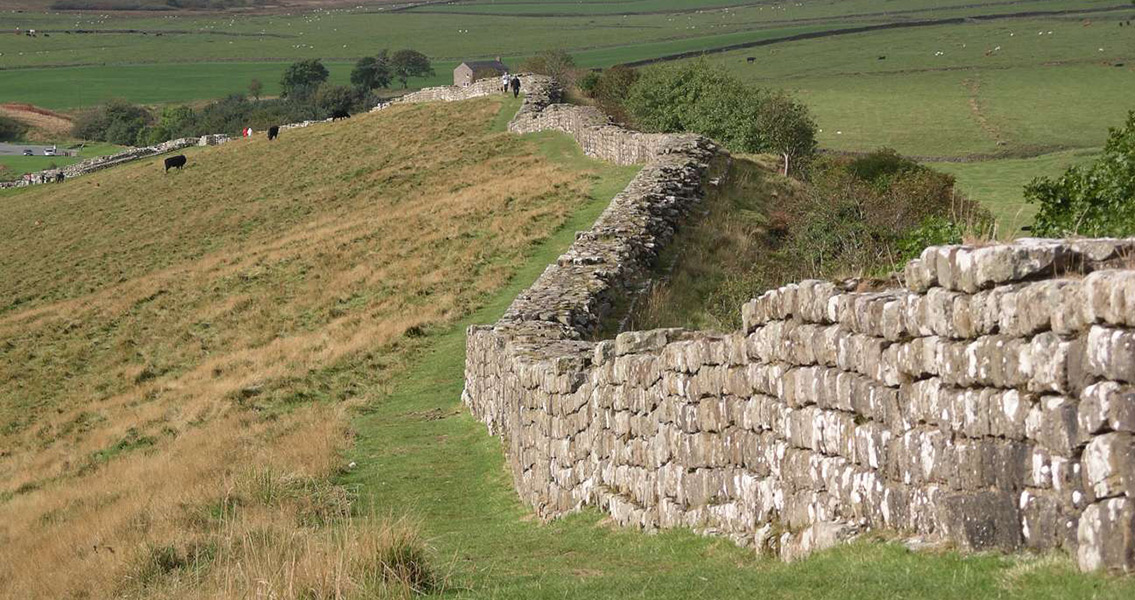
Wallquest project has unearthed at Arbeia. In 2014, another volunteer discovered the head of a protective goddess, a tutela, carved out of stone. The site of the only permanent stone granaries left in Britain, the fort, constructed sometime around 120 CE, was occupied until the fifth century when the Romans left Britain. One possible interpretation of Arbeia is “fort of the Arab troops”, which refers to a time when Mesopotamian boatmen were garrisoned there, as was the First Asturian, a squadron from the Spanish cavalry. It was not uncommon for Roman forts to be manned by troops from somewhere else within the empire, where they often assimilated and recruited locally. Ceres, the goddess of the harvest, was credited with teaching mankind how to grow, and then preserve and prepare corn and grain. She was also believed to be responsible for the fertility of the land. The only god involved in the day-to-day lives of common people, she is typically portrayed holding a scepter or a farming tool with one hand, and a basket of fruit, grain or flowers with the other. Hadrian’s Wall, also known as the Roman Wall, was a defensive fortification in the Roman province of Britannia during the rule of Hadrian, the Roman emperor between 117 CE and 138 CE. Built along the River Tyne, it was constructed to mark the northern limit of the Roman Empire. The total length of the wall was 80 Roman miles or 73 modern miles (117.5 km). The structure consists of a stone wall atop a stone base, with two turrets in between milecastles (small forts, or fortlets, guarding a gateway), and forts approximately five Roman miles apart. Designated a UNESCO World Heritage Site in 1987, the portion of the wall that remains standing can be followed by visitors using the Hadrian’s Wall Path. Amanda Seim, the Earthwatch volunteer working with the Wallquest Community Archaeology Project, who discovered the Ceres figure, described the moment she found the figure to Heritage Daily, “At first I didn’t believe the goddess was real since the condition seemed pristine and the detail was incredible, but then our site supervisor fell eerily-quiet triggering a hum of authentic excitement.” The goal of the Wallquest project is to learn about the easternmost section of Hadrian’s Wall – an approximately 30 mile long section between Hexham/Corbridge and South Shields. Although the wall isn’t always visible in this area, locals are exceptionally interested in it and this project allows them to become involved in the excavations and research. Visitors to Arbeia will see the two newly discovered goddesses displayed in the site’s museum. ]]>

Categories
Breaking News

Bath Houses and Tombs Uncovered at Roman Building Site

The Local, the bodies consisted of lower class, working Romans, all of whom had lived modest lives and all of whom had died between the ages of 20 and 40-years-old. Earlier studies have shown that the average working Roman who lived 2000 years ago suffered a variety of health issues and seldom lived past 30 years of age. Skeletons exhumed over the past 15 years in conjunction with other construction work have revealed the brutal reality of a worker’s life in ancient Rome, whose skeletons display high occurrences of fractured and broken bones, bone cancer and chronic arthritis, brought about by the extreme working conditions at the time. The common injuries faced by ancient lower-class Romans between the first and third century CE also included broken hand bones, noses and collar bones. However, the ancient inhabitants of Rome were also adept at treating these injuries, developing effective solutions that allowed them to keep working years after sustaining even severe injuries. Although effective, it seems they weren’t pretty – Roman doctors simply placed a wooden cage over the broken bone, immobilizing it until the pieces eventually fused themselves together. Aside from the absence of workplace safety laws, studies have also highlighted the long hours of back-breaking labor endured by workers, with chronic arthritis in the back, knees and shoulders found in the skeletons of those who were only 20 when they died. It goes without saying that the life of the average worker in Rome stands in stark contrast to the good health the city’s elite enjoyed. ]]>

Categories
Breaking News

Discovery in Devon Expands the Boundary of Roman Rule in Britain

This article was changed on 1st July 2016. The original wrongly claimed that the Roman Empire had ruled over the entirety of Great Britain]]>

Categories
Breaking News

New Research Describes Roman Fort Built After Boudican Revolt

An Early Roman Fort and Urban Development on Londinium’s Eastern Hill. ]]>

Categories
Breaking News

Electrical Construction Sheds Light on Roman Britain

Categories
Breaking News

Reminders of the Tenth Roman Legion Unearthed in Jerusalem