Categories
Editorial

Melanesian cargo cults and the unquenchable thirst of consumerism

Credit: https://godshotspot.wordpress.com/2016/05/02/the-cargo-cult-belief/[/caption]

Outsiders come to the islands

During the Second World War, the US Army’s ‘island hopping’ strategy saw its troops occupy small, relatively unguarded but well-located islands in the South Pacific. From there, they could embark upon their path to invade Japan. In avoiding major islands and focusing on island hopping, American soldiers came into contact with people who had, until then, had little or no contact with the outside world. The G.I.s came with aeroplanes, manufactured goods, modern medicine, canned food and guns: all of which were new concepts to the islanders.

Perceiving new technologies

Having been colonised by the British Empire, the people of Tanna, a small island in what is now Vanuatu, had already encountered Westerners. Mass-produced goods, however, were new to them. Sci Fi writer Arthur C. Clarke’s assertion that ‘any sufficiently advanced technology is indistinguishable from magic’ was proven true: it wasn’t long before cults worshipping the American goods appeared in islands around the Pacific. Most notably, they cropped up in the islands of Vanuatu, Fiji and New Guinea.

The John Frum cargo cult

These foreigners and their apparently miraculous supplies caused the people of Tanna to mix their existing beliefs (which included an anti-colonialist cult as well as Keraperamun, a volcano god) with their new experiences. The result came to be known as the John Frum cargo cult. To this day, the members of the cult worship a god named John Frum, who is usually depicted as an American solider in full uniform. A neighbouring cult from the same island also worships a god called Tom Navy. These were not considered to be ‘new’ gods, but instead extensions of their existing deities.

Absence leads to fetishism

As the war came to an end, the Americans went back home. The islanders, however, continued to worship their newly evolved deities in an effort to convince the gods to return and bring with them an abundance of cargo. To the people of Tanna, John Frum, Tom Navy and the other deities became messianic figures who would one day return in ships and aeroplanes laden with fascinating goods. A kind of fetishism emerged, as members of the John Frum cargo cult started to build symbolic runways out of bamboo. Adding to this, they erected wooden air control towers and designed life-size replicas of aeroplanes out of the wood and straw from the island. [caption id="attachment_8823" align="aligncenter" width="500"] Members of the John Frum cult with a replica of an aeroplane. Credit: http://purgingtalon.com/diabologue/wp-content/uploads/2009/01/cargocult1.jpg[/caption] In 1957, this fetishism progressed further as the newly formed ‘Tanna Army’ emerged. It is a non-violent organisation that emulates the public parades and military mannerisms of the American army. Its ‘soldiers’ dress in red, white and blue; and to this day, a parade occurs on the 15th of February every year.
So what are the Melanesian cargo cults?

The definition of ‘cargo cults’ has thrown up a multitude of problems. In 1948, anthropologist Lucy Mair wrote ‘the motive force of cargo cult is a feeling of hopeless envy of the European with his immensely higher material standards’. This is by no means an accepted analysis of the movements; but it presents an interesting juxtaposition of the cults with modern consumerism. Loosely, we can now say that they are organised social movements of people in pursuit of ‘cargo’ by means of ritual action. Whether the cults were nativistic, and thus concerned with reviving waning traditions, or iconoclastic, and thus focused on replacing local culture with Western substitutes, continues to be subject to debate. We can say with absolute certainty, though, that over the past 7 decades, these movements have played a pivotal role in developing the communities and cultures currently in play on the islands of Vanuatu. Where there are leaders and prophets of these cults, they are concerned with social harmony and order. They insist that in order for new cargo to arrive on the islands, certain social rules have to be followed. Moral renewal and collectivism over individualism are common themes: to love one another, to perform different kinds of sexual relationships, and the rejection of stealing, lying and cheating. No order, no cargo. A prominent writer and researcher on the cargo cults, Peter Worsley, has argued that cargo cults ‘weld previously hostile and separate groups together into a new unity’ and that ‘by projecting his message on to the supernatural plane’, a cargo cult luminary establishes that his leadership ‘transcends the narrow province of local gods and spirits associated with particular clans, tribes or villages’.

Cargo cults: a comforting reflection of the human condition

Despite having largely faded away, stories of cargo cults are constantly doing the rounds. A quick internet search of the term will throw up seemingly endless analyses and hypotheses; and if you are so inclined, you can purchase a bottle of John Frum alcohol to sip at your leisure. Many documentaries have been made about the faction that specifically worships Prince Philip, Duke of Edinburgh. So why the obsession? Simply put, they epitomise modern, consumerist desire. It is a desire that cannot be satiated. We have endless opportunities to shop for our own cargo, and yet the acquisition of goods never seems to satisfy us. When we get our cargo, it doesn’t quash the desire. It intensifies it. Unending desire and the constant strive to be better, have more, and achieve dominance is human nature – whether it’s on the shores of Tanna or in the heart of Manhattan. To Westerners, cargo cults seem to be as futile as they are relatable. It’s the modern condition, reflected in a place that feels like another world.]]>

Categories
Book Reviews

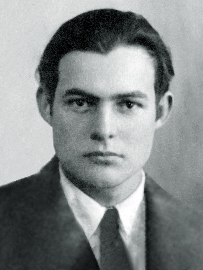
A Farewell to Arms by Ernest Hemingway

A Farewell to Arms was published to critical acclaim. The book quickly became a best-seller and it remains a popular portrait of World War I. However, Hemingway’s classic novel is so much more than a war story. It also contains timeless themes of love and tragedy. Brief Synopsis of the Plot The plot of A Farewell to Arms is centered around the main character, Frederic Henry, a lieutenant in the Italian Army ambulance corps. Given Hemingway’s own history in that profession, it is believed that at least some elements of the novel are inspired by his own personal experiences. As a paramedic, Henry’s time at the warfront is cut short by a significant injury. Yet, that injury also allows him the opportunity to grow close to his love interest, Catherine Barkley, while he recovers at hospital. The two form a relationship that is wrought with challenges from the war, and life in general. Although primarily thought of as a book about the toils of war, Hemingway’s book is simultaneously a romance novel with some painful twists that make it a tragic read. A focused reading reveals the following themes and imagery that highlight the complexity of the characters and the overall plot: Relevant Themes in the Text Literary scholars have long analyzed Hemingway’s great work, A Farewell to Arms for relevant themes and images that would provide deeper meanings to the story. A modern reading can reveal those same elements against the current context. You may find these themes seem not so different from what you might see in your other favorite books, as well as in your favorite songs, television shows, and films.

War-What is it Good For?

That old song may have had it just about right—what is war good for? Absolutely nothing. Or at least very little, according to Hemingway. In A Farewell to Arms, the characters see very little value in the war effort. Their participation is not met with feelings of honor, but rather with feelings of fear and a belief that their time (and lives, in some cases) have been wasted.

It is this aspect of the book that most lends itself to the title. When Hemingway’s characters are saying their farewells to arms (aka war), it is because they see it as only bringing pain and suffering. It is really a cautionary tale—give up this approach or face greater loses for humanity.

Love is a Battlefield

As it has been said, Hemingway’s novel is generally considered a portrait of war. However, it is also secretly a tragic romance novel, not unlike many that were so popular in the past and still so popular today. The romantic aspects of the book do bring much of the drama to the story.

When Henry is injured, it provides him with the opportunity to fall in love. The only problem is, his love interest is fresh off a previous relationship, in which her fiancé died. She is quick to run into Henry’s arms, but seemingly as an escape from her pain and grief. Sadly, that impulsive and poorly thought out choice is only met with greater and greater challenges as the story unfolds.

Here Comes the Rain Again

In many great works, rain is used as a symbol of growth and renewal. This makes sense because rain serves to wash away all that is old, and it feeds new life. However, Hemingway subverts this traditional approach. In this novel, the rain is associated with impending doom and failure. Since it occurs quite frequently, as a reader you might be left thinking “when it rains, it pours.”

Yet, the rain is not just a portent foreshadowing doom and gloom, it also does serve to wash away the fantasies that the characters illusion themselves with. When the rain goes away (and the sun does not really emerge), the characters are left with only a stark and harsh reality.

Analysis of Writing Style A Farewell to Arms is not just a classic because of its timeless themes, it also earned this spot in literature because of the writing style. Hemingway is a wordsmith, but he also does not mince words. He composed this novel with a high level of detail that was, at times, graphic. Hemingway’s depiction of war was brutal and realistic, leaving little to the imagination. By the end of his highly descriptive battlefield descriptions, most readers will also be inclined to say farewell to arms. Further, all the primary characters of the novel are well-crafted. Each feels like a real person (even someone you could know). Their wartime struggles will evoke strong emotional reactions. Relevant Themes for Today If you have ever heard the saying ‘everything that is old, is new again’ then you may also know everything new is actually inspired by something old. It is not only today’s war movies that take inspiration from the stylings of Hemingway, today’s romance novels and romantic dramas do too. Truly, you may be surprised to learn that if you enjoy a good complex and sometimes tragic love story, perhaps something in the Nicholas Sparks realm of book or book-to-movie adaptation, then you will also enjoy A Farewell to Arms. You need only read the book yourself to see the truth in this comparison. Final Recommendations For many people, when they think of a text such as A Farewell to Arms, they assume an older book, about a war, will be dry and boring. They assume it will have little relevance to them and that they will be unable to connect with the characters and the story. However, Hemingway’s classic is a timeless work that speaks to the tragic challenges any one can face at any time in human history. If you enjoy books that simultaneously chronicle the common experiences any one may have (love, loss) and the most challenging times of the human condition (war, great tragedy), then you will likely find A Farewell to Arms to be a worthwhile read. In fact, you may even find it ranks with your other favorites.    ]]>

Categories
Book Reviews

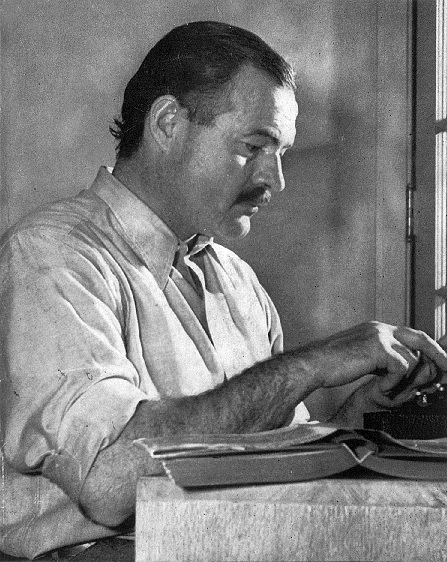
For Whom the Bell Tolls by Ernest Hemingway

For Whom the Bell Tolls is a book with important themes that still hold relevance today. The book is semi-biographical as Hemingway took inspiration for some of the characters and events from his own experiences in the Spanish Civil War. Brief Synopsis of the Plot The story is centered around American-born Robert Jordan, a dynamiter, who is tasked with blowing up a bridge near the Sierra de Guadarrama mountain range that is located between Segovia and Madrid. The plot is tight as the action occurs over the course of just four tense days and three sleepless nights. Wrought with the brutality of war, For Whom the Bell Tolls contains imagery and themes that reveal the even deeper meanings of an already complex and rich story: Relevant Themes in the Text Like any great work, For Whom the Bell Tolls has been analyzed by literary scholars. Most agree on central themes to the story. As a reader, you can look for each theme in your own reading of the text, seek out your own as well, and take personal lessons from the messages Hemingway intended. Camaraderie based on loyalty A key theme in the text is friendship and love or more broadly camaraderie based around shared ideals, shared loyalty to those ideals, and ultimately shared loyalty to one another due to common goals. In the brief span of the time depicted in the text, Robert Jordan experiences intense friendship with his comrades and an intense relationship with his newfound love, Maria. On the one hand, this theme can all read as romanticized. After all, it seems lovely to think of a group of people quickly banding together over a shared mission. It might be easy to scoff at the way things play out. However, research does show that when placed in life and death situations, brain chemistry does allow for these fast and furious bonds. It aids survival after all. Sacrifice for the greater good of all If a main theme of For Whom the Bell Tolls is the coming together of different peoples over a common goal to promote the survival of each, it may be surprising to learn that another theme of the text is personal sacrifice. Indeed, the characters of the book are putting themselves at risk not just for their own personal survival but to promote greater ideals and a greater good. The goal for Robert Jordan and his comrades is not just their own survival but the survival of something much greater than themselves. That is war. No person ever went to war just hoping to make it out alive. They knew they risked their life, but they did it with the hopes of making the world a better place. Hemingway illustrates this perfectly through the plot of the text. Defeat and death of one’s ideals Sadly, camaraderie and personal sacrifice do not always mean success. Throughout the text, Hemingway also weaves a theme of defeat, which is illustrated with repeated instances of hopelessness and inevitability for a less desired future. This is first illustrated when Robert Jordan visits the palm reader, whose prophecies serve to foreshadow the rest of the book. Death in a literal sense is also a key theme in the book. This is to be expected based on the title alone. Being set in a period of messy war tactics only increases the odds. The characters each know the risks they face in their situation, with death by enemy or self being the ultimate one. There is no skirting around it and Hemingway does not even try to. In fact, he highlights it. Analysis of Writing Style For Whom the Bell Tolls was lauded during its initial publishing. Today, however, there are millions of books to choose from and it might not be the first option you would turn towards. The book does contain some antiquated stylings that might make it seem less relevant and accessible to today’s reader. In writing the book, Hemingway nearly treated it as though it was a true account of the war, even “translating” the content from Spanish into English. As such, there are some phrasings that might make little sense to the common reader. Although, that can also reasonably happen with any aged book, wherein some phrases have simply been lost to changing styles that occur over time. Further, despite depicting the brutalities of war, Hemingway was simultaneously mindful of the sensibilities of the time-period he was writing in. As such, he modified “foul” language, often replacing those words with the terms “obscenity” or “unprintable.”  This makes reading the book akin to watching a show with words ‘bleeped’ out but the reader can still discern meanings from context clues. Relevant Themes for Today Despite its somewhat antiquated language and styling, For Whom the Bell Tolls still has great relevance to today. The text is considered a classic after all because the themes that Hemingway included and highlighted are ones that every generation will face in some form. Any person who has been in school, a club, a job, or some other setting will know the force that can come along with camaraderie and allegiance to others. It can make people do amazing things they could not have done on their own or engage in unspeakable acts under the guise of anonymity. When you watch the news and see that an innocent person has stepped in front of a gun to protect another innocent person, you know that personal sacrifice still abounds. Yet, when you watch the news too much, seeing death and destruction, you may also be met with the same feelings of hopelessness and inevitability about a dismal future that the characters in For Whom the Bell Tolls faced. Final Recommendations Ultimately, the question is whether you should take the time to read Hemingway’s classic novel For Whom the Bell Tolls. The answer is yes, you absolutely should. This book is a classic for a reason. It contains a piece of history not often depicted in books and movies. It also contains timeless themes. At the least you will be a more learned person for adding this classic to the bookshelf of your mind. You may also learn some valuable lessons about the human spirit. You may even learn more about what people (including yourself) are willing to do to protect the people they love and their shared ideals.

 ]]>

Categories
Breaking News

Human Stride Older than Thought – The History News of the Week

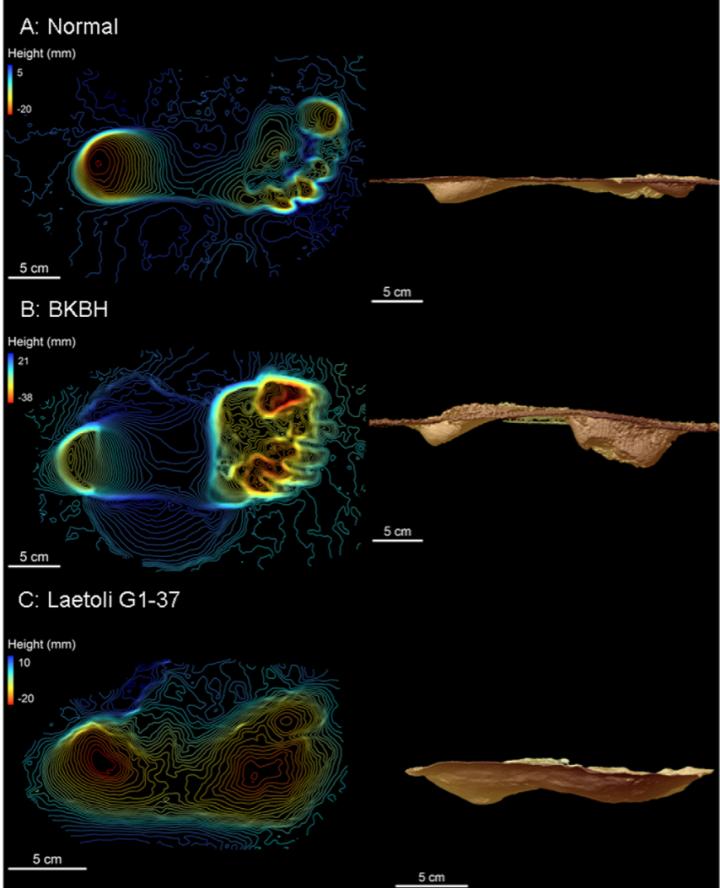
Footprints Show Human Gait Evolved Pre-Homo genus 3.6-million-year-old footprints suggest early hominins may have made the transition from ape like shuffling to upright walking much earlier than thought. “Fossil footprints are truly the only direct evidence of walking in the past,” said David Raichlen, PhD, associate professor at the University of Arizona, in a press release. Raichlen is part of a team analysing the footprints discovered in Laetoli, Tanzania. “By 3.6 million years ago, our data suggest that if you can account for differences in size, hominins were walking in a way that is very similar to living humans. While there may have been some nuanced differences, in general, these hominins probably looked like us when they walked.” It is generally considered that hominins, the name given to human ancestors prior to the homo genus, began walking on two legs around seven million years ago. However, it is also assumed that they had a crouched, bent legged posture while walking. Raichlen and colleagues used footprints and skeletons to reconstruct how these early hominins walked. These tests included comparing the Laetoli footprints with those of eight volunteers walking in an upright or ‘stooped’ (i.e. bent knees) posture. It was found that the volunteers walking upright left footprints closer to those at Laetoli. “This work suggests that, by 3.6 million years ago, climate and habitat changes likely led to the need for ancestral hominins to walk longer distances during their daily foraging bouts,” said Raichlen. “Selection may have acted at this time to improve energy economy during locomotion, generating the human-like mechanics we employ today.” Raichlen recently presented his research at the American Association of Anatomists annual meeting. Origins of the Carambolo Treasure Scientists claim to have found the source of the gold used to create the Carambolo Treasure. Currently housed in the Seville Archaeological museum, the Carambolo Treasure is a selection of gold items from 650 BCE. Discovered by chance in 1958, the Treasure comprises 16 rectangular plates, two breastpieces or pendants, a necklace and two bracelets. The items were discovered hidden inside an oval structure which also contained numerous animal bones and ceramics, leading archaeologists to conclude it was a place of ritual or worship. Ever since its discovery, archaeologists have debated the origins of the Bronze Age treasure. Now, using isotope and chemical analysis, a team of scientists from the UPV/EHU’s Geochronology and Isotopic Geochemistry Service – Ibercron, have concluded that the gold originated from a deposit 2km away from the site of the discovery, and not thousands of kilometres away has been suggested. [caption id="attachment_8598" align="alignnone" width="720"]The Carambolo Treasure Image of the Carambolo Treasure © Consejería de Cultura de la Junta de Andalucía / J. Morón[/caption] The scientists behind the study deployed an innovative method to avoid damaging the priceless artefacts. Using a form of laser ablation, they made a hole of around 0.1mm in size in the gold, in order to analyse it. This laser ablation is combined with plasma mass spectrometry, “with which we not only do isotope analyses but also elemental analyses directly on solid samples with the minimum possible impact”, according to Dr Sonia García de Madinabeitia, who worked on the study. “We base ourselves on a kind of footprint of the lead,” explained the researcher. “The isotope ratios of lead vary in terms of the function of the materials used and the age of the materials, and we determine the isotope ratio that the lead has. The fact is that there are considerable differences between some mineral deposits and others.” In addition, the scientists also carried out ‘trace and ultratrace’ analyses on the Carambolo Treasure, “because we know that mines, however much they may be gold or silver mines, never consist of pure materials, but have a series of trace and ultratrace elements that subsequently allow links between the archaeological materials and the geological materials to be established,” added García de Madinabeitia. Lessons From the World’s Oldest Peace Treaty ‘The world’s oldest peace treaty’ is challenging our image of antiquity and shedding new light on ancient conflicts. In preparation for a new exhibition at the Berlin Pergamon Museum, archaeologists have been analysing a 3,200-year-old peace treaty between Ramesses II and Ḫattušili III. They claim that contrary to the popular idea that ancient conflicts were settled through the total humiliation of the loser, complex negotiations were in fact at play. “More than 3,200 years ago, Egyptians and Hittites ensured each other mutual support in the treaty; neither of them triumphed. This must have been preceded by much negotiating, as is evidenced by extensive correspondence between the rulers”, write Director Prof. Dr Achim Lichtenberger and Curator Dr Helge Nieswandt of the University of Münster’s Archaeological Museum, in a press release. “Although the ‘victorious peace’ dominates over the ‘peace of reconciliation’ in peace images of antiquity, our research shows that the latter also existed.” In addition, the researchers claim that many ancient peace images were actually created in times of conflict. They cite the example of the Roman goddess of peace, Pax, who was present on Roman coins even at times of war. “Despite the glorification of war in antiquity, which undoubtedly existed and alienates us: images of the ideal of peace were particularly widespread during wars,” says Nieswandt. “When the order of the Roman Empire fell apart in the 3rd century AD, and when mostly short-lived soldier emperors took turns, there was an ‘inflation of peace’ on coins.” The exhibition, entitled Frieden. Von der Antike bis heute (Peace: From Antiquity to the Present Day), opened on 28th April at the Berlin Pergamon Museum. Featured Image: Footprints from (A) a modern human walking normally, (B) a modern human walking with a stooped posture known as the “bent knees, bent hip,” or BKBH, posture, and (C) 3.6 million-year-old hominin footprints found in Laetoli, Tanzania. The team’s analysis suggests ancient hominins probably walked in a way that is very similar to modern humans. Credit: David Raichlen, University of Arizona. ]]>

Categories
Breaking News

History News of the Week – Neanderthals Showed Compassion

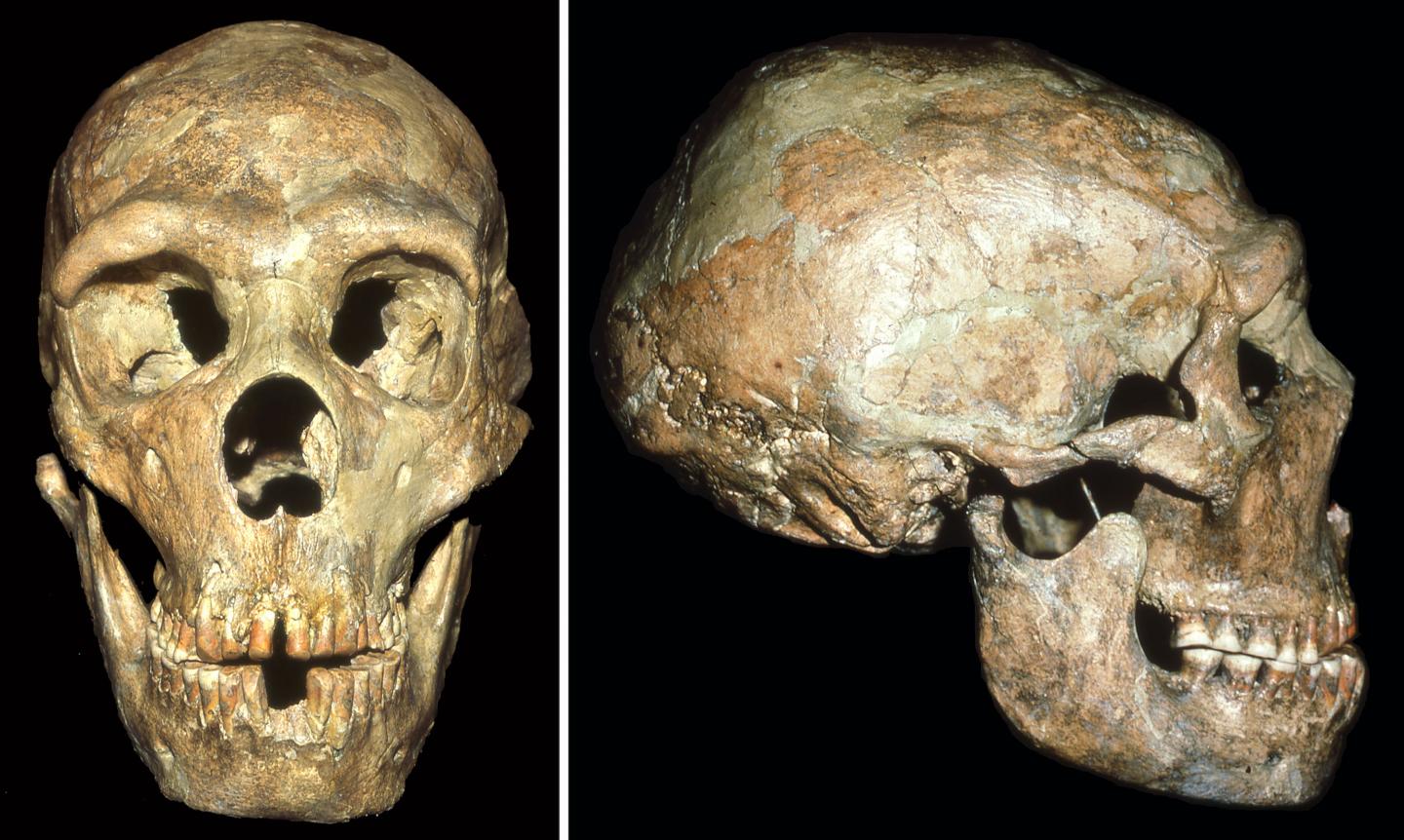
Neanderthals Were Compassionate, New Evidence Suggests Around 50,000 years ago, an older Neanderthal who had suffered multiple debilitating injuries and became deaf likely relied on others to avoid prey and survive into his forties, new analysis suggests. “More than his loss of a forearm, bad limp and other injuries, his deafness would have made him easy prey for the ubiquitous carnivores in his environment and dependent on other members of his social group for survival,” said Erik Trinkaus, study co-author and professor of anthropology in Arts & Sciences at Washington University in St. Louis. Trinkaus and colleagues’ research has been published in the online open access journal PLOS ONE. Known as Shanidar 1, the Neanderthal’s remains were discovered in 1957 at the Shanida Cave in Iraqi Kurdistan by Ralph Solecki, an American archaeologist. Previous studies of Shanidar 1’s remains had found evidence of multiple injuries, including a serious blow to the side of the face, fractures and the eventual amputation of the right arm at the elbow. It was also noted that he had suffered a systematic degenerative condition. In the latest analysis, Trinkaus and Sébastien Villotte of the French National Centre for Scientific Research confirm that bony growths in Shanidar 1’s ear canals would have produced profound hearing loss. Surviving in the hostile Pleistocene environment would have been highly challenging, even without hearing loss. As with other Neanderthals who have been found to have survived with serious injuries or disabilities, the authors suggest Shanidar 1 most likely required significant social support to reach old age. “The debilities of Shanidar 1, and especially his hearing loss, thereby reinforce the basic humanity of these much maligned archaic humans, the Neandertals,” said Trinkaus. Squirrels Spread Leprosy to England The prevalence of leprosy in the south-east of England during the medieval period could be explained by squirrel fur trade with Scandinavia, according to new research. Genetic analysis of a pre-Norman woman’s skull, unearthed from a garden in Suffolk, has added to growing evidence that East Anglia was the epicentre of a leprosy epidemic that spread through medieval England. New research, published in The Journal of Medical Microbiology, suggests the disease reached England through either contact with Scandinavia via Anglo-Saxon movement, or through the sustained trade in squirrel fur. Radiocarbon dating by researchers from the University of Cambridge confirmed that the woman, dubbed the “The Lady of Hoxne,” lived sometime between 885-1015 CE. Their analysis of the skull also detected traces of Mycobacterium leprae, the bacteria which cause leprosy. Squirrels are a known carrier of these bacteria. The disfiguring effects of leprosy were clear on the woman’s skull, providing evidence that she would have suffered extensive facial lesions and possibly nerve damage to her extremities. She was infected with the same strain of the disease that has been found in other remains in East Anglia. Sarah Inskip, Research Associate at St John’s College, Cambridge, and lead author of the paper, said: “This new evidence coupled with the prevalence of leper hospitals in East Anglia from the eleventh century onward adds weight to the idea that the disease was endemic in this region earlier than in other parts of the country. “It is possible that apparent clustering of leprosy cases in the East Anglia region could be attributed to chance – perhaps more medieval human remains have simply been uncovered in the region and the discoveries have been better conserved by a soil type containing high levels of bone-preserving chalk. However, the same conditions are also found in areas such as Hampshire and Dorset, where many early Anglo-Saxon cemeteries have been excavated, but no cases of leprosy have yet been reported.” Significantly, the same strain of leprosy that seems to have been prevalent in East Anglia has also been identified in medieval remains in Sweden and Denmark. This has led the authors to claim that North Sea trade links could have brought the disease to England. “It is possible that this strain of leprosy was proliferated in the South East of England by contact with highly-prized squirrel pelt and meat which was traded by the Vikings at the time this woman was alive. Strong trade connections with Denmark and Sweden were in full flow in the medieval period, with Kings Lynn and Yarmouth becoming significant ports for fur imports,” added Dr Inskip. Although leprosy has not been found in humans on the British Isles for over two centuries, a recent study has detected the infection in red squirrels on Brownsea Island in Dorset. Sequencing of the M.leprae strain that affects the squirrels found it to be closely related to that detected in the woman from Hoxne. “Research has already established that leprosy can be passed from armadillos to humans, so that it may also come from squirrels is an interesting idea,” said Inskip. “It is questionable how long the bacteria could have survived on fur or meat, but it’s notable that squirrels were also sometimes kept as pets.” “Perhaps it’s the movement of people and prolonged connection between East Anglia and Scandinavia that’s important to our understanding of the history of leprosy in the UK, but further research refuting or confirming the role of the fur trade could be highly enlightening and exciting”. Modern Society hasn’t Made Mankind less Violent Two anthropologists claim that people living in ‘modern-day nations’ are not less violent than their ancestors or people currently living in smaller hunter-gathering and horticultural societies. The research also claims that living in ‘a large, organised’ society increases the likelihood of surviving a war, pointing out that although ‘modern’ societies may have a larger number of soldiers or combatants who die in a war, they represent a smaller percent of the total population. Florida State University Distinguished Research Professor of Anthropology Dean Falk and Charles Hildebolt, a professor from the Washington University Medical School in St. Louis, make their claims in the journal Current Anthropology. “Rather than being more violent, people who live in small-scale societies are more vulnerable to a significant portion of their community being killed in warfare than those living in states because, as the old saying goes, ‘there is safety in numbers,'” Falk said in a press release. “We recognise, of course, that people living in all types of societies have the potential not only for violence — but also for peace.” Falk and Hildebot have found that war deaths for both small-scale and more modern state societies escalate with increasing population sizes. They attribute this, at least partly, to developments in weapons and military strategy. The authors claim their study challenges the idea that as nations and modern societies develop, there is a reduction in violence. Falk and Hildebolt analysed data on population sizes and death from intergroup conflicts in 11 chimpanzee communities, 24 human non-states, 19 countries that fought in World War I and 22 countries that fought in World War II. It was discovered that on the whole the chimpanzees were less violent than humans, pointing to humans having more severe forms of warfare. It was also found that, as with humans, the annual average percentage of deaths among chimpanzees declined as their populations increased. Featured image: The skull of a Neanderthal known as Shanidar 1 shows signs of a blow to the head received at an early age. Credit: Erik Trinkaus ]]>

Categories
News

Richard the Lionheart Ascends To The Throne

Categories
News

New Insights into What Happened on Easter Island

Frontiers in Ecology and Evolution, has attempted to provide an answer to the question of the fate of the Rapa Nui people by taking a holistic approach to new evidence discovered over the last decade. According to records, when Captain Cook first set foot on Easter Island in 1774, only 700 Rapa Nui remained. What caused the island’s population to sink so low is a mystery, but there are a number of popular hypotheses. The prevailing view of the island’s history is that it is a microcosmic example of human selfishness leading to a population’s extinction. This narrative claims that the island was first settled by people from east Polynesia sometime between 800 and 1200 CE. As the island’s population expanded, the people started to over-exploit its resources, triggering an ecological catastrophe which in turn led to a social one. Scientific evidence supports this hypothesis by revealing a period of dramatic deforestation between 1200 CE and 1400 CE. Thousands of obsidian points discovered on Easter Island’s south coast are considered by some archaeologists to be weapons, pointing to a massive war among the island’s population as they started to compete for the dwindling resources. Earlier this year however, that interpretation of the evidence was called into question by a study suggesting the points weren’t in fact weapons. Other explanations suggest that the deforestation was caused by a plague of rats who ate the island’s palm fruit, or that in fact the cultural extinction was a result of Europeans arriving on the island, wiping out the population through slave trading and the unintentional spread of diseases the islanders had no immunity to. The main argument made by the latest study is that the truth of the Rapa Nui’s’ fate can not be explained by a single factor. “These different interpretations may be complementary, rather than incompatible,” said Dr. Valenti Rull, a senior researcher of the Spanish National Research Council in Barcelona, Spain, and the lead author of the study. “In the last decade, there’s been a burst in new studies, including additional research sites and novel techniques, which demand that we reconsider the climatic, ecological and cultural developments that occurred.” Taking advantage of the latest analytical methods, Rull and his team are beginning to shed light on many of the uncertainties in the history of Easter Island. In particular, complete sedimentary samples for the last 3000 years have revealed how drought and wet seasons may have influenced the island’s population. Periods of adverse weather could have affected sea travel to and from the island, leading to periods of isolation. Times of drought could have triggered the deforestation shown in the pollen record. Other evidence, such as radio carbon dating and DNA analysis of artefacts and human remains, has provided insights into Easter Island’s inhabitants. It is now possible to see where the islanders lived, what they farmed and ate, and how other cultures influenced them. By combining all of this newly available evidence, the complexity of the Rapa Nui’s story is being revealed. “These findings challenge classical collapse theories and the new picture shows a long and gradual process due to both ecological and cultural changes. In particular, the evidence suggests that there was not an island-wide abrupt ecological and cultural collapse before the European arrival in 1722,” said Rull, in a press release. The causes of the extinction of the people of Easter Island remains a mystery, but the work of Rull and his colleagues shows that to truly trace the story of the Rapa Nui, a combined approach studying climate, ecology, and culture is necessary. For more information, the study is available here]]>

Categories
Breaking News

Shipwreck Off N. Carolina Coast Likely a Blockade Runner

Agnes E. Fry, the Georgianna McCaw and the Spunkie. The project is associated with the American Battlefield Protection Program and is being funded by the National Park Service.]]>

Categories
Breaking News

Easter Island Inhabitants Weren't Wiped Out By War

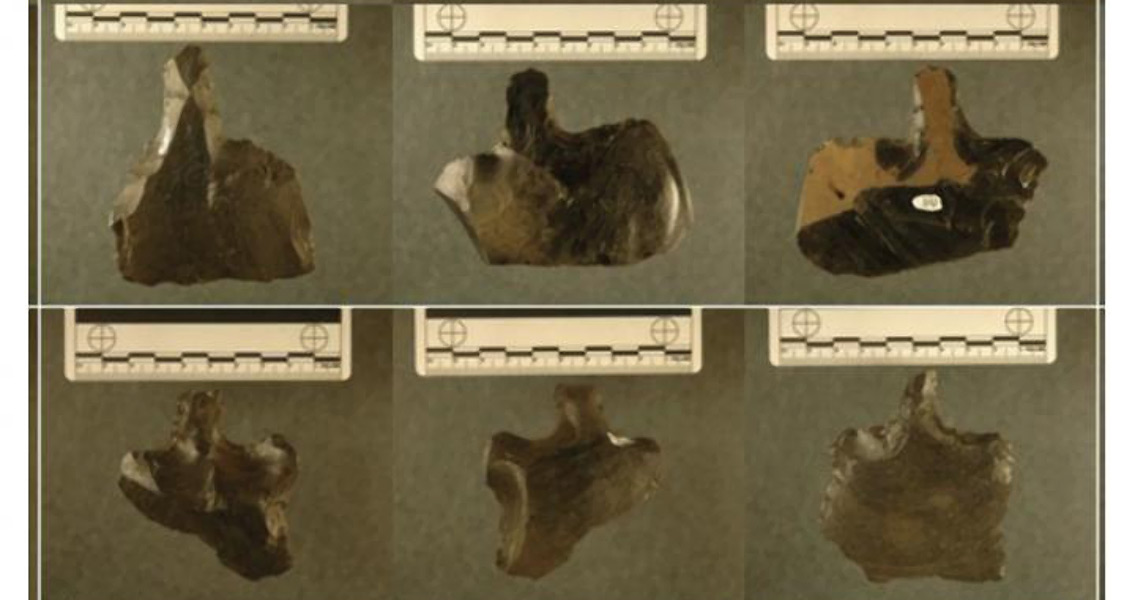
Antiquity. Famed for its impressive yet mysterious stone head statues, Easter Island, and the fate of the inhabitants who constructed the monolithic Mo’ai heads, has long captured the imagination. Multiple interpretations exist for the disappearance of the Rapa Nui, the small Polynesian civilisation that inhabited the isolated island off the coast of Chile. A popular hypothesis is that they were victims of their own expansion. Believing that the first inhabitants reached the island by canoe around 800 CE, the explanation goes that the small initial settlement rapidly grew into a population of several thousand. When Captain Cook first set foot on the 63 square mile island in 1774, only 700 Rapa Nui remained The hypothesis claims that the Rapa Nui’s slash and burn form of agriculture saw them permanently alter the once densely forested island, essentially driving themselves extinct. As the Rapa Nui population expanded, the forests of the island were wiped out. Deforestation meant the inhabitants had no wood to build boats, leaving them unable to launch deep sea fishing missions for food. Perhaps more terrifyingly, it also left them with no way to escape the isolated island. Leading on from this, the hypothesis claims that war broke out between the islanders as competition for resources became deadly. A key piece of evidence to support this theory is thousands of obsidian triangles found on the island’s coast, known as mata’a. The abundance of the objects, and their sharpness, has lead many archaeologists to conclude that they were weapons of war, evidence of the Rapa Nui’s violent demise. The new study has dramatically brought this interpretation into question, however. Led by Carl Lipo, anthropology professor at Binghamton University, a team of researchers have concluded that the triangular objects were not weapons, but general purpose tools instead. “We found that when you look at the shape of these things, they just don’t look like weapons at all,” said Lipo in a press release from Binghamton University. “When you can compare them to European weapons or weapons found anywhere around the world when there are actually objects used for warfare, they’re very systematic in their shape. They have to do their job really well. Not doing well is risking death.” Lipo’s team used morphometrics to analyse the shape variability of a photo set of some 400 mata’a collected from the island, allowing them to study the shapes in a quantitative manner. Both the variability in the shapes, and their differences from other weapons, led Lipo’s team to conclude the obsidian objects were unlikely to have been used for warfare. “You can always use something as a spear. Anything that you have can be a weapon. But under the conditions of warfare, weapons are going to have performance characteristics. And they’re going to be very carefully fashioned for that purpose because it matters…You would cut somebody {with a mata’a], but they certainly wouldn’t be lethal in any way.” Lipo said. The traditional interpretation of the Rapa Nui is that it was a failed society, one which brought about it’s own demise. The new findings however, pull this theory into doubt, and raise a host of new questions about the fate of the people who built the remarkable Easter Island Heads. Lipo and his team believe that the collapsed civilisation narrative is just a later European reading of the record, rather than an actual archaeological event. “What people traditionally think about the island being this island of catastrophe and collapse just isn’t true in a pre-historic sense. Populations were successful and lived sustainably on the island up until European contact.” For more information: www.journals.cambridge.org Image courtesy of Carl Lipo, Binghamton University]]>

Categories
Breaking News

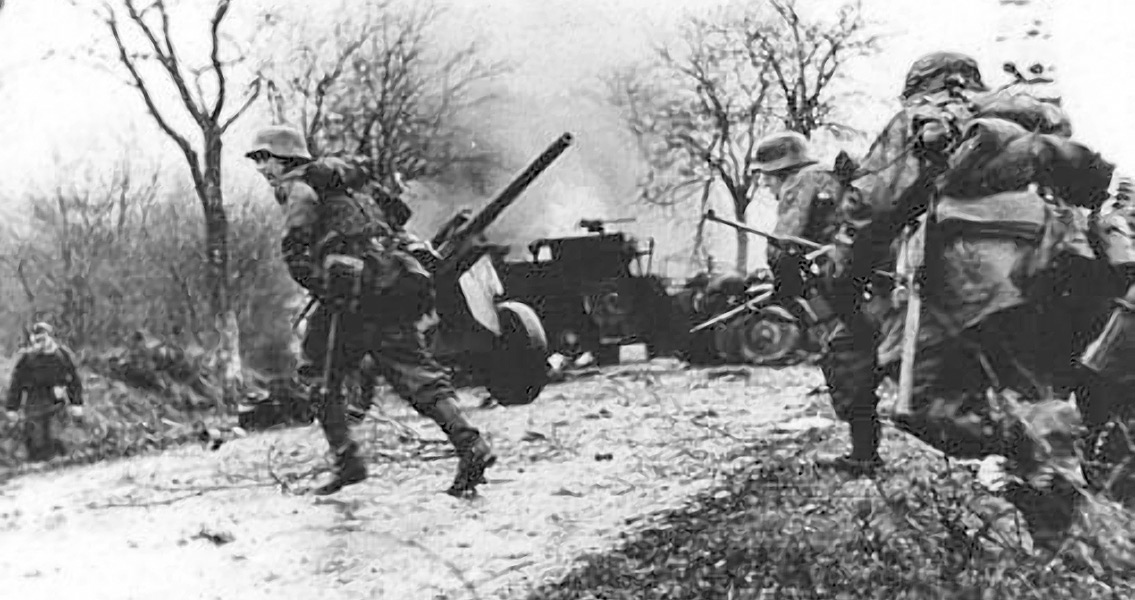
The Ardennes and the Battle of the Bulge, by Anthony Beevor

www.anthonybeevor.com]]>