Nature, can be found here Image courtesy of Paleoanthropology Group MNCN-CSIC]]>
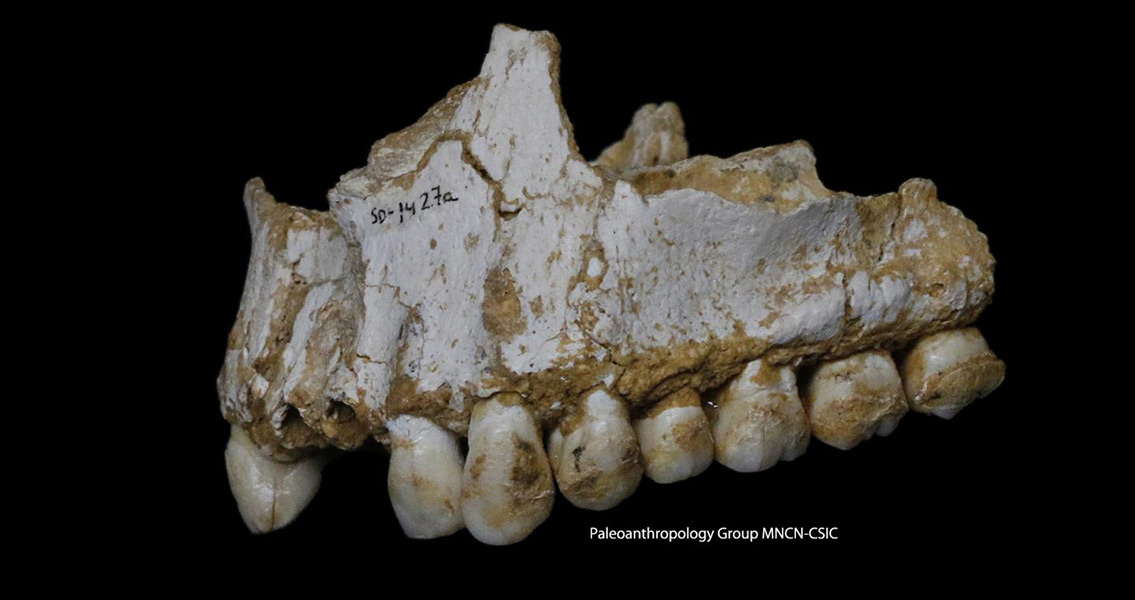
Nature, can be found here Image courtesy of Paleoanthropology Group MNCN-CSIC]]>
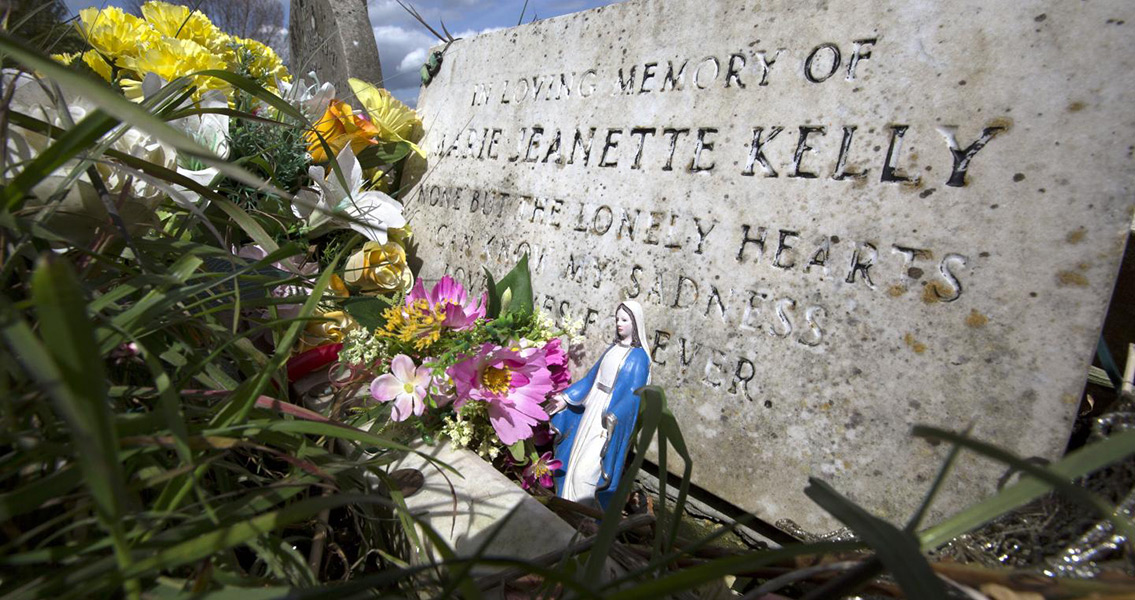
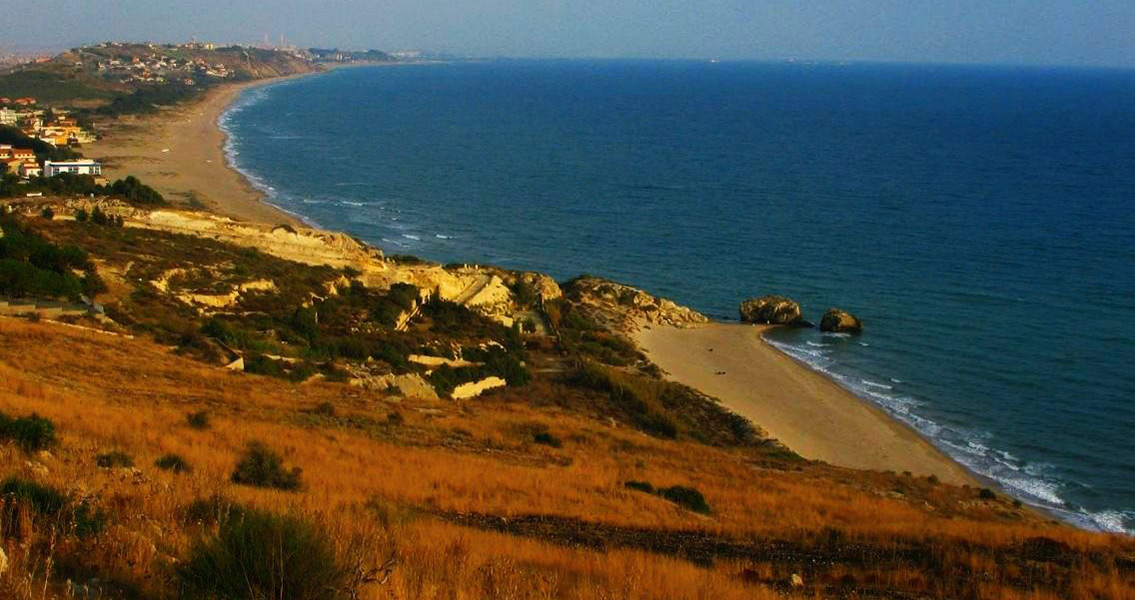
Seeker. “It was likely caught in a sudden storm and sunk just when it was about to enter the port.” Long considered a mystery, orichalcum has, until now, never been found in any significant quantity, and its origin and composition have been widely debated. In Greek mythology, it was invented by the Phoenician founder Cadmus, who was also the first king of Thebes. Although orichalcum is mentioned in a number of ancient texts that go back to Hesiod, a Greek poet believed to have been active between 750 BCE and 650 BCE, it was the Greek philosopher Plato, from the fourth century BCE, who made it a legend. Plato’s Critias dialogue tells the story of the island kingdom of Atlantis and its failed effort to conquer Athens. In the dialogue, Critias, an Athenian figure, claims orichalcum was mined in Atlantis and used to cover the interior walls, floors and columns of Poseidon’s temple. Critias describes the metal as shiny and more precious than any other metal except gold. According to the story, the metal was so revered that inside the temple was an orichalcum pillar that had been inscribed with Poseidon’s laws. Plato wrote, “The outermost wall was coated with brass, the second with tin, and the third, which was the wall of the citadel, flashed with the red light of orichalcum.” Today, most scholars agree that while orichalcum is rare, it’s much less precious than described in Plato’s writing. It’s actually a brass-like alloy, produced in antiquity through a cementation process using zinc ore, copper metal and charcoal. X-ray fluorescence analysis indicates the recovered ingots are indeed an alloy produced using between 75 and 80 percent copper, and 15 and 20 percent zinc, along with small percentages of iron, nickel, and lead. The archeological work to fully excavate the sunken ship and retrieve its cargo is ongoing. ]]>
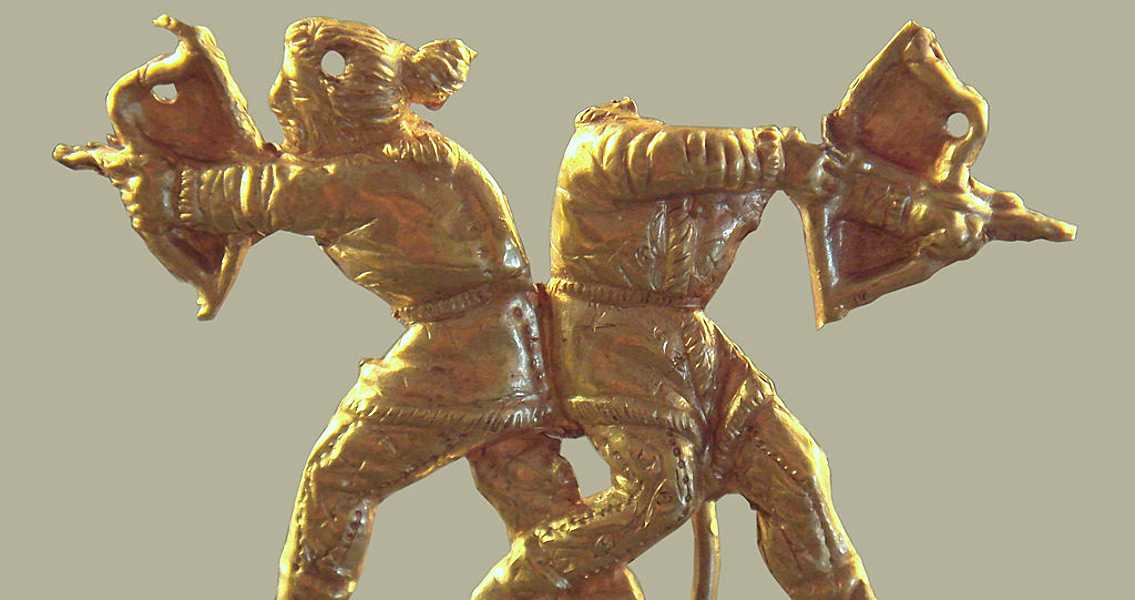
According to a university press release, anthropologists conducted comparative analysis of non-metric cranial trait frequencies in the remains of Scythians found in the northern Black Sea region. These non-metric traits were then compared to those gathered from Central Asian and Eastern European remains dating to the Bronze Age to look for commonalities. These so-called “cranial series” are groups of skulls found from either one burial or several burials spaced closely together, and from either one archaeological culture or one ethnic group. Non-metric, varying cranial traits can reflect minor anatomical variations in the human skull. These variations take the form of irregular skull sutures and processes or additional and irregular holes, and are consistent among those with similar genetics. When compared to data gathered from molecular genetic markers, these non-metric cranial traits tell a similar tale in determining the genetic distances between populations. Many researchers have begun to use these cranial trait comparisons as an alternative to direct DNA research, which can be much more expensive and not necessarily always appropriate. There are two major hypotheses regarding the origin of the Scythians. One claims the Scythians came from Central Asia as invaders, resulting in local Indo-European populations being assimilated by them. The other claims that the ancient people were descended from the “Timber-Grave culture” of the Srubnaya people who lived between the Dneiper and Ural Mountains during the Late Bronze Age. According to lead author Alla Movesyan, the results of the study provide evidence for both of these theories. In other words, both hypotheses are partly correct: the Scythian gene pool was formed from descendants of the Srubnaya from the Late Bronze Age, but these descendants migrated from Central Asia and mingled with the Indo-Europeans living in the northern Black Sea region. This revelation could be a blow to Eurasian mythmakers who have enjoyed claiming the Scythians were predecessors of the Slavs. While there was undoubtedly some genetic intermingling thanks to geographic proximity, Movsesyan claims that the idea of Slavs being direct descendants of the Scythians is simply no longer supported by any scientific data. The new research study, published in The American Journal of Physical Anthropology, can be found here]]>

Journal of Systematic Palaeontology, published by Taylor & Francis. In the early nineteenth century the fossils of massive, mysterious sea creatures started to be unearthed around the coast of the United Kingdom. By 1821, scientists realised they had discovered a new, extinct group of sea dwelling reptiles and described the first ichthyosaur species: Ichthyosaurus communis. First appearing in the Triassic period, ichthyosaurs lived through the Jurassic and Cretaceous, ultimately dying out some 25 million years before the mass extinction event which wiped out the dinosaurs. Physically, ichthyosaurs were shaped like modern dolphins or sharks, yet the creatures were reptiles – evolved from an as yet unidentified land creature. Following the initial description of Ichthyosaurus communis in 1821, three more ichthyosaur species were quickly described – supposedly distinguished by the shape and structure of their teeth. Two of these species have since been designated as belonging to other types of ichthyosaur. The other, Ichthyosaurus intermedius, continued to be regarded as a relative of I.communis. For years confusion reigned as eminent scientists studied Ichthyosaur fossils unearthed on the coasts of Yorkshire, Dorset and Somerset. Ambiguity over the differences between I.communis and I.intermedius meant many fossils were identified on a possibly shaky basis. Lomax explained in a press release from the Taylor and Francis Group: “The early accounts of ichthyosaurs were based on very scrappy, often isolated, remains. This resulted in a very poor understanding of the differences between species and thus how to identify them. To complicate matters further, the original specimen of Ichthyosaurus communis is lost and was never illustrated. Similarly, the original specimen of I. intermedius is also lost, but an illustration does exist. This has caused a big headache for palaeontologists trying to understand the differences between the species”. Paleontologist Dr Chris McGowan was the first to suggest I. communis and I. intermedius could be the same species, in the 1970s. Since then, various studies have argued back and forth over whether the species should or should not be separated. Lomax and Massare’s study is the most comprehensive ever published comparing the species of ichthyosaur. The authors conclude that the two species are the same, and that characteristics of Ichthyosaurus intermedius can be found in other ichthyosaur species, including I. communis. The two authors have made countless other vital contributions to the study of ichthyosaurs over the years, including describing three new species and reassessing historical species. Their work is providing groundbreaking new insights into the spectacular reptiles that once dominated the earth’s seas. To read the full article please visit: http://www.tandfonline.com/doi/full/10.1080/14772019.2017.1291116 Image courtesy of London Natural History Museum]]>

HMHS Anglia, a hospital ship sunk during the First World War, was recently given war grave status, recognizing the remains of the more than 160 soldiers and sailors who lost their lives aboard her. The ship sunk in November of 1915 off the coast of Chepway after hitting a German mine. Other sunken warships, including the MHS Hogue, HMS Cressy, and HMS Aboukir, all of which sunk in September of 1914 in a German U-boat attack, have been declared war graves as well with the stroke of the same pen. The new “war grave” designation provides legal protection to the wreck of the HMHS Anglia and the other Royal Navy ships, barring them from casual visits from divers or scavengers. Maritime historians spearheaded the campaign to get the ships listed and protected. According to an article on Kent Online, campaigner Christopher Conn said he was glad to see the Anglia given the protection she deserved. Conn hails from Folkestone, just a few miles from the final resting place for HMHS Anglia in Folkestone Harbour on the English Channel. The campaigner said he had been fearful that “spot divers” were visiting the ship to take souvenirs back up to the surface, and was keen to see legal protections put in place for the sunken hospital ship. There were nearly 400 injured aboard HMHS Anglia when it struck the mine that sealed its fate on November 17th. A team of medical staff were also onboard, tending to the wounds of the injured soldiers. While nearby ships did their best to rescue victims of the attack, it’s thought that around 167 people went down with the ship that day. Meanwhile, the sinking of the Aboukir, Cressy, and Hogue has long been recognized as one of the British Royal Navy’s darkest hours, even if their wrecks were not protected by law until recently. The incident that led to their destruction – and the deaths of 1,459 sailors serving aboard them – earned them the moniker of the “Livebait Squadron”, an epithet that expressed how severely demoralized the British people had become as a result of the massive loss of life. The three cruisers, left behind after their destroyer escort had turned around due to bad weather, fell prey to German submarine U9 on September 22nd, 1914. The older cruisers, sporting highly visible smokestacks from their steam engines, stood out starkly once the weather cleared, making them an easy target for the U-boat. The three ships were subjected to a salvo of eight torpedoes that crippled them, sending them to the deep. In total, there are 13 wartime vessels that have been added to the lists of protected military vessels this month, including HMHS Anglia, HMS Aboukir, HMS Cressy and HMS Hogue. This brings the grand total of ships and submarines protected as war graves to 79. The majority of these are ships dating from the First World War, though there are five German submarines and Second World War-era Allied cargo vessels on the list as well. ]]>


The Journal of Theoretical Biology, can be found here Image courtesy of Scott Persons]]>

How do you define fascism? Like any political ideology, it is difficult to define fascism convincingly; debates over definition clouded by historical examples serving as inescapable archetypes. The Oxford Dictionary defines fascism as: “a political philosophy, movement, or regime (as that of the Fascisti) that exalts nation and often race above the individual and that stands for a centralized autocratic government headed by a dictatorial leader, severe economic and social regimentation, and forcible suppression of opposition.” Taking this as a basis, elements of fascism have been seen throughout US history, and in particular in the 1930s. Fascism Versus the New Deal Fascism took hold in Europe in the wake of economic calamity. In the USA, the response to the Great Depression was the election of Franklin D. Roosevelt to the presidency and the implementation of the New Deal – a program of government investment, extension of federal authority and welfare spending designed to stabilise the US economy. Roosevelt was elected president four times, but his liberal politics were far from universally popular. Like Europe, there were those in the US who felt fascism was the only way forward. Father Charles Coughlin Eleven days after the Kristallnacht massacre of Jews in Germany, Michigan based Catholic priest Father Charles Coughlin took to the airwaves in defence of the Nazis’ actions. A swift backlash ensued against Coughlin, culminating in New York radio station WMCA cancelling his show. Nevertheless, Coughlin continued broadcasting from his Michigan church. Father Coughlin associated Judaism with Russian Communism. To him, the actions of the Nazis, including their blatant antisemitism, were a means to fight off Communists. Speaking to a reporter in the late 1930s about the path of politics in the USA, Coughlin said: “I take the road of fascism”. A few years earlier the charismatic priest had formed his own political party, and even made a run for the White House. In 1933 the radio stations carrying Coughlin’s broadcasts had a potential audience of some 40 million people. Rallying against internationalism, bankers and Jews, Coughlin started a new political organisation in 1934, the National Union for Social Justice. Two years later, the party had a candidate in the presidential election. At a rally in Rhode Island, Coughlin declared, “I shall have the courage to stand up and advocate the use of bullets”, promising “more bullet holes in the White House than you could count with an adding machine.” Coughlin’s candidate, William Lemke, suffered an embarrassing defeat by winning just nine hundred thousand votes. Combined with the backlash against his post Kristallnacht broadcast, Coughlin was increasingly pushed into retiring from public life. The German American Bund Father Coughlin wasn’t alone in backing Hitler and the Nazis. Supporters of the German American Bund remained loyal to the Nazis throughout the Great Depression, and into the 1940s. The German American Bund was essentially an organisation of ethnic Germans living in the USA. Its support of Nazism stretched to antisemitism, anti-communism, and an insistence that the USA should remain neutral in the Second World War. German American Bund leader Fritz Kuhn was regarded as the leading antisemite in the USA. His organisation carried out a range of activities around the USA, publishing books and magazines, organising rallies, even maintaining youth organisations similar to the Hitler Youth in Germany. Kuhn was ultimately imprisoned for embezzling funds, while other leaders of the group were arrested as the USA headed towards war with Germany. With support waning, the organisation was eventually banned after the USA entered the fray of World War Two. Father Charles Coughlin and the German American Bund are two American Fascist movements that existed in the run up to the Second World War. There were others, such as the Black Legion; a Ku Klux Klan splinter group which indulged in acts of terrorism and vigilantism, but what makes the German American Bund and Father Coughlin so shocking is the level of public respectability their representatives and their ideas seemed to win. Fascist governments never took hold in the USA in the twentieth century like they did in Spain, Italy, Germany and elsewhere in Europe. However, that doesn’t mean that fascism hasn’t left its mark on US history. ]]>