
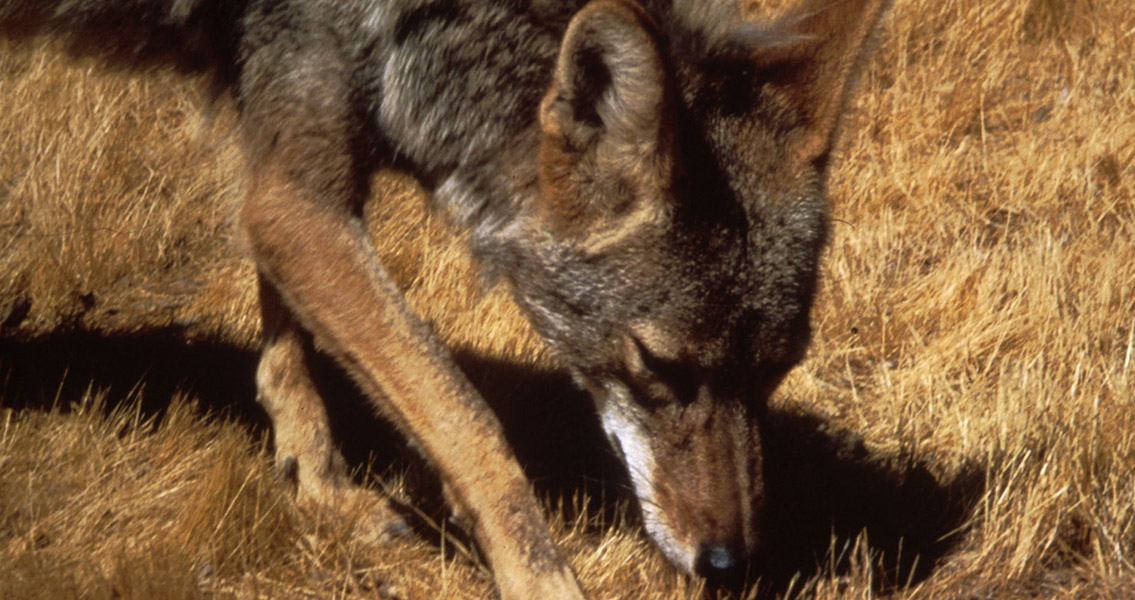
Cynarctus wangi – lived 12-million years ago and is described in a recent study in the Journal of Paleontology. The animal is described as being around the size of a modern coyote, and the specimen is a fossilized tooth, specifically an upper right second molar recovered at the Choptank Formation, part of Maryland’s Calvert Cliffs. Cynarctus wangi was part of the Borophagine canids that roamed eastern North America during the middle Miocene era. Borophagine canids are part of a line of carnivorans that includes wolves, domestic dogs, foxes, dingoes and jackals as well as a variety of other existing and extinct dog-like animals. Referred to as bone crushers, (they are known for their strong jaws and oversized teeth) the Borophagine canids lived across North America from 10 to 30 million years ago. Researchers believe the species probably went extinct because it was unable to compete with other canids. Regardless of the fierce nickname, scientists don’t believe C. wangi was wholly carnivorous. The fossil led them to the conclusion that around two-thirds of its meals were non-meat — the animal was surviving on insects and plants, more like a bear than a dog. Steven E. Jasinski, a University of Pennsylvania doctoral student and the study’s lead author, wrote in the study that what’s especially significant about the find is its location –the discovery of land animal fossils in the Choptank Formation is extremely rare and therefore can provide important information about North America as it was between 12 and 13 million years ago. The Miocene period (extending from 23 million to 5 million years ago) was the first geological epoch in the Neogene Period. The word Miocene means ‘less recent’ and the ‘Epoch’ gained its name due to having 18% fewer modern sea creatures than the epoch which followed it, the Pliocene. The planet moved through the Oligocene, then the Miocene which was followed in turn by the Pliocene, cooling as it did with a succession of ice ages. The Miocene Epoch’s time boundaries aren’t distinguished by any single global event as many time periods are, but by the regional boundaries that occurred between the warmer Oligocene Epoch and the colder Pliocene Epoch. When tasked with identifying the Choptank Formation fossil, researchers considered two different, yet distinctly possible scenarios. First, the geographic and stratigraphic provenance of the specimen could have indicated that it belonged to Cynarctus marylandica, another type of canine whose fossils have been found at the site. The second, and most plausible possibility according to experts, is that the Cynarctus wangi fossils at the site are from a younger strata than the C.marylandica specimen. Either way, this new fossil increases the scant record of the groups that lived in this region of North America and our knowledge of the terrestrial taxa that resided there. ]]>
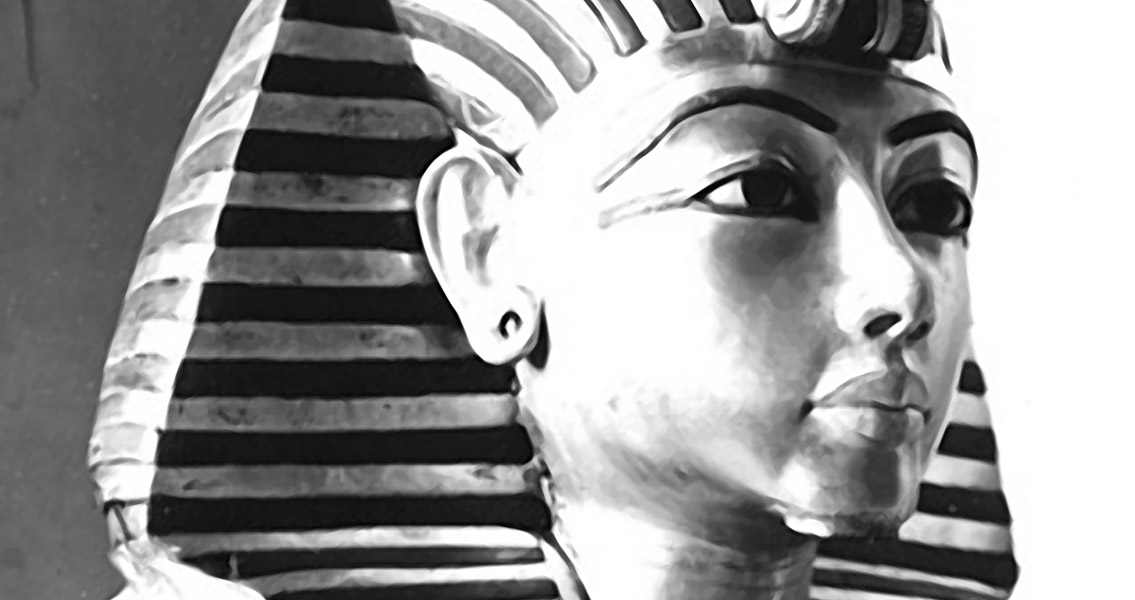
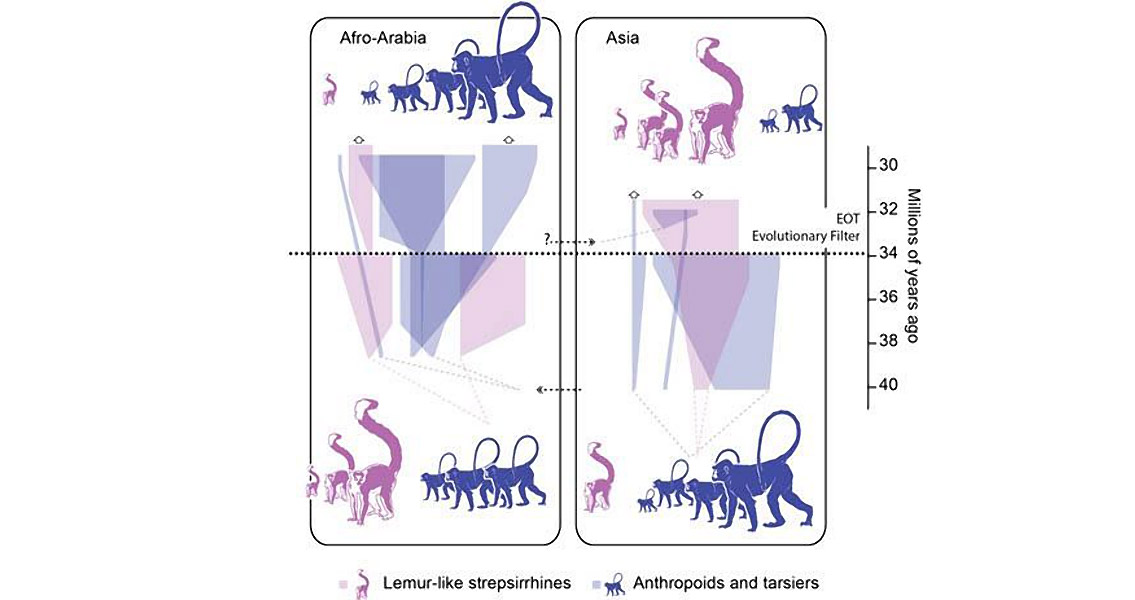
Science. Image courtesy of Ni Xijun]]>


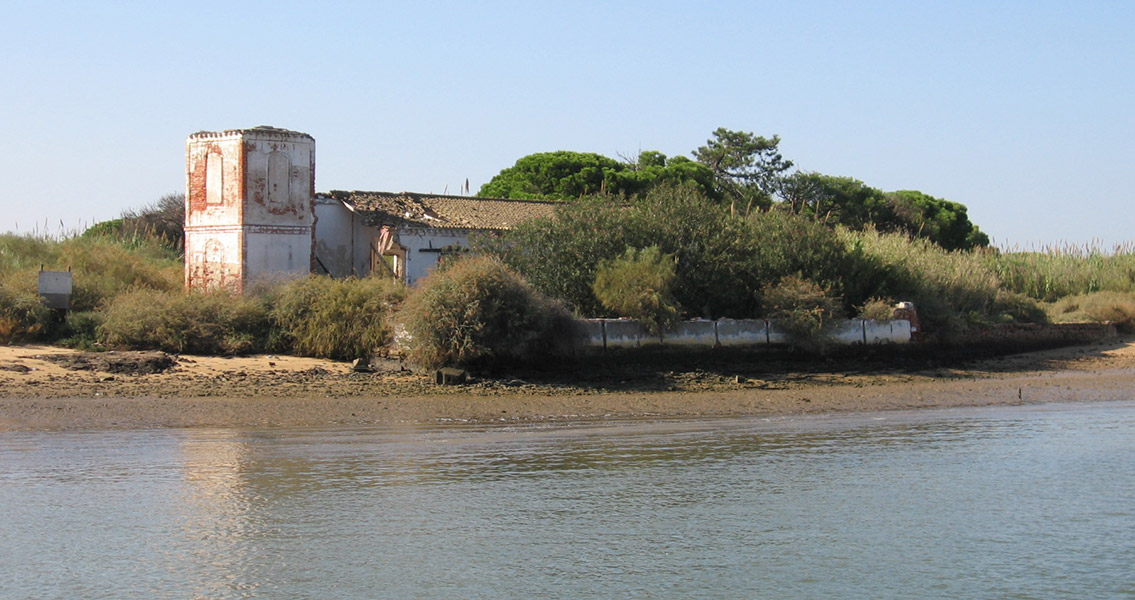
Lepeichnus Giberti. The organism that created the burrows is unknown but believed to have been a type of swimming crustacean. Dr. Zain Belaústegui from the University of Barcelona and the article’s main author explained to Heritage Daily that what makes L. Giberti exceptional is that all stages of the fossil, from its origin to its final phase, have been recovered – a total of 9 separate and consecutive ichnogenetic phases within the fossil. A modern comparison would be if you took a series of pictures of an animal burrowing, but instead of seeing the burrowing process in a series of pictures, the stages were kept as fossils. Ichnofossils are valuable for several reasons; since they are typically preserved in situ, they provide environmental information for the time in which they were formed, they’re a record of an animal’s behavior, and often times they’re the only record of certain (soft-body) organisms which have no fossilization characteristics. The preserved state of the L. Giberti is exceptional in large part because of the sandy silt which filled the burrows after they were abandoned by their organisms and helped preserve even the most delicate details. The sandy silt also helped aid in the collection process. Approximately 90 samples have been collected, and the fact that the samples vary in size, from 1cm to 10cm wide, indicates to researchers that the animal or organism had the same burrowing behavior whether young or old. A bay, likely affected by tides, was present 6 million years ago in the area where the fossils were found. Relatively shallow and protected from storms and waves, it would have been an ideal location for large communities of organisms of this nature to gather. Other organisms, such as anemones, other crustaceans, and possibly cetaceans would have also lived in the area. At this time, scientists know of no other organism, ancient or modern, that digs a burrow with the characteristics of L. Giberti’s. Several similar traits are found in today’s upogebiid (a crustacean) which burrows on the sea floor. It’s possible the burrowing habits of the new organism are an extinct behavior of the upogebiid. The degree of fossilization and preservation of the various evolutionary stages of L. Giberti has experts proposing a new term in the field of Ichnology; ichnogeny. Ichnogeny describes the evolution and origin of a fossil or modern print, burrow or trace, found in both soft and hard substrates. The name of the new fossil – Lepeichnus Giberti – pays tribute to the town of Lepe and the memory of Dr. Jordi Maria de Gibert Atienza, a distinguished leader in Spain’s ichnology research. Image courtesy of Wikimedia Commons user: Daniel Toscano Díaz]]>
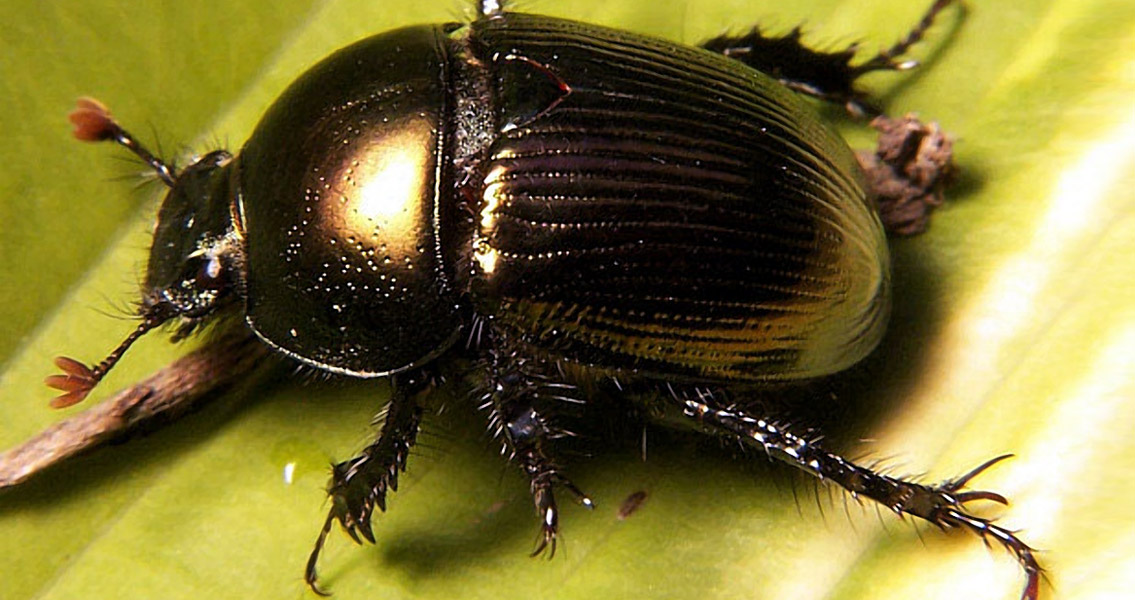
PLOS ONE, co-author Dr. Stephen Cameron with the Queensland University of Technology in Australia explained that fossilized dinosaur feces (70 and 80 million years old) supports the hypothesis the study outlines because it shows signs of tunneling that has been attributed to dung beetle feeding. The study is the first to show how the specialization of one group was related to using dinosaurs, the dominant species for 135 million years, as a resource. Of course, the flip side of this connection is that the mass extinction of dinosaurs during the Cretaceous-Paleogene period would have also impacted the dung beetle. Fortunately for the beetle, the impact of the dinosaur extinction occurred during the beetle diversification and they survived the event. The study concludes that the modern dung beetle is descended from a species which either fed on the dung of dinosaurs and other early mammals, or from a species which had already adapted to eating the dung of the Cretaceous mammals. Although the findings may challenge prior research associating mammals and the origin of dung feeding, the study also shows that the greatest rate of diversification the beetle experienced was during the Paleogene period, which is in line with the timing of major diversification of most mammals. Additional research will be needed to untangle the cause of the latest diversification and provide more detail on the dung beetle’s survival through the Cretaceous-Paleogene mass extinction. This story of flowering plants, beetles, and dinosaurs, demonstrates the relationships and complex interactions between evolving ecosystems, and the possibility of discovering what drives diversification – even for insects like the dung beetle for which very limited fossil records exist. The study was published this week, in the open-access journal PLOS ONE.]]>
Science Advances, an organism’s ability to adapt lies squarely on the shoulders of protein synthesis, so it’s critical to biological systems that the information is transferred correctly. Increasing genetic code by building proteins with customized amino acids is one of the goals scientists working with synthetic biology are pursuing. Doing this would allow scientists to assign specific functions to a specific amino acid. Researchers use organisms like bacteria and work in highly controlled systems to produce proteins with specific characteristics that will also allow them to be identified as synthetic, a key function of effective biotechnological systems. Synthetic biology combines various disciplines from within engineering and biology, such as biotechnology, molecular biology, evolutionary biology, biophysics, systems biology, genetic engineering and computer engineering, and describing the field depends a lot on your approach; as an engineer or as a biologist. It was originally considered a field of biology however, chemical and electrical engineering have started to play a larger role in recent years. In addition to the numerous technical and scientific challenges synthetic biology faces, there are the ethical and biosecurity questions. Because of previous issues raised with genetically modified organisms (GMOs) however, there are already extensive regulations in place in the U.S. and Europe. Image courtesy of Wikimedia Commons user: Artur Warchavchik]]>

HMS Endeavour, a ship once sailed by British explorer James Cook. The ship was scuttled as part of a blockade during the Revolutionary War in 1778, prior to the Battle of Rhode Island. The HMS Endeavour (also known as HM Bark Endeavour) was a research vessel with the British Royal Navy and was commanded by Captain James Cook on his first voyage of discovery to New Zealand and Australia between the years 1769 and 1771. First launched in 1764, the ship was purchased by the British Navy in 1768 for a scientific mission and to search the high seas for Terra Australis Incognita (unknown southern land), a theoretical landmass which appeared on maps between the fifteenth and eighteenth centuries. The ship was largely forgotten after returning to England in 1771, was sold to a private owner in 1775, and then finally scuttled in 1778. Never precisely located, the wreck of the Endeavor was long-thought to be one of five wrecks found in a cluster in Newport Harbor, and that’s exactly where the RIMAP team claim to have pinpointed her. James Cook was a British explorer and cartographer who created detailed maps of Newfoundland before making three separate voyages to the Pacific Ocean, during which he became the first recorded European to make contact with Australia’s eastern coastline and the Hawaiian Islands. He had joined the British merchant navy as a teenager and then joined the Royal Navy in 1755. Cook sailed thousands of miles during his three Pacific voyages, and most of those were in uncharted areas of the globe. He was responsible for mapping lands from Hawaii to New Zealand in greater scale and detail than had previously been accomplished. As his voyages of discovery progressed he surveyed landmasses, named features, and recorded islands and coastlines – many of which had never been observed by Europeans before. During his third voyage to the Pacific in 1779, Cook was killed during a fight in Hawaii. He left behind an enviable legacy of geographical and scientific knowledge that influenced his successors far into the twentieth century. Not surprisingly, you can find memorials dedicated to him and to the Endeavor around the world. For example, the U.S. Endeavor space shuttle was named after the ship, and she’s also depicted on a New Zealand coin. An Australian University is named for Cook, and of course there’s the Cook Islands. There’s even a Cook’s Crater on the Moon. Relics from the Endeavor, including an anchor and six cannons, are on display at maritime museums worldwide. The next phase of RIMAP’s archaeological investigation will include a more detailed study of each of the five vessels in the cluster and their related artifacts, to verify which one is in fact the Endeavor. In the meantime, plans are being made for the construction of a facility suitable for the management, conservation and display of any material removed from the site. ]]>