Categories
Breaking News

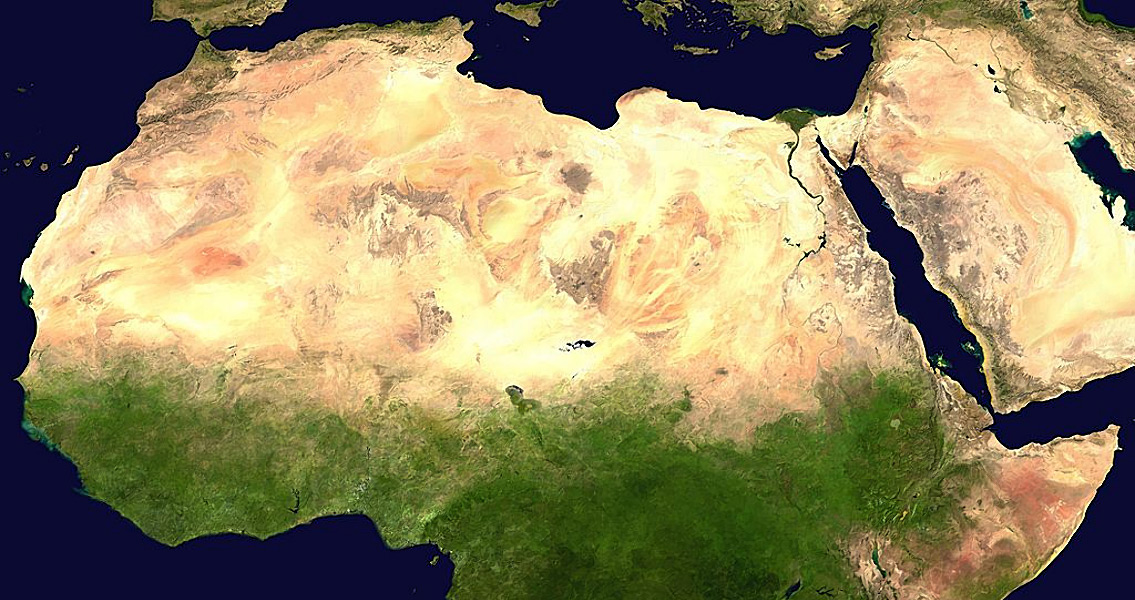
Eurasians Probably Left Africa Through Egypt

Live Science, the lead author Luca Pagani said that what is most exciting for the team is shedding light on an important stage of the evolution of all European and Asian peoples. This will deepen the understanding of billions of people of their “biological history”. Another of the authors, Toomas Kivisild from the University of Cambridge, told media that the results give a clear map of how modern humans moved out of Africa, even though they do not account for all the aspects of the process or give it any precise timing. One additional benefit of the study is that science has gained a neat genomic database of the genetic diversity present in Ethiopia and Egypt, which can be used as reference in other studies, Phys.org notes. Some questions related to this major exodus in the evolution of humans are still waiting to be answered however, says co-author Chris Tyler-Smith from the Wellcome Trust Sanger Institute. One such question is whether the route through Egypt was the only mass migration of that period, or were there other groups that left the continent without their genetic makeup surviving to the modern day? This question could be answered by the examination of ancient genomes from the areas through which such a migration would have passed. It has been established that the route through Ethiopia was indeed used, but probably by fewer people who did not go beyond the Arabian peninsula and whose genetic makeup has left no trace in the modern day, Pagani told Live Science. Image courtesy of Wikimedia Commons user: NASA]]>
Categories
Breaking News

Oldest Murder Victim Discovered

PLOS ONE journal. What makes the find particularly interesting is the fact that it is the earliest known example of murder, taking place much earlier than the appearance of the Homo genus on the world scene. The proof that the Neanderthal’s death was the result of deliberate injury can be seen in the presence of two nearly identical fractures to the frontal skull bone of the individual. Examination of the fractures revealed that they had been inflicted with one weapon and the trajectory that could be inferred from their shape and size told scientists that this weapon had been used in a close, face-to-face, conflict. Moreover, the authors say, the fact that there is more than one fracture, given that the severity of each of them would have been lethal, suggests “an intention to kill.” The major conclusion of the analysis was that intentional killings were part of our ancestors’ lives, something for which there has not been abundant evidence from this period of pre-human history. According to the authors, any insight into early hominin violence is of interest because it sheds light on the relations within communities and between different communities with regard to resources and their distribution, the density of the population, and the distribution of land. The authors also note in their paper that up until now there has been no evidence of “direct traumatic injury” in hominins from the Middle Pleistocene, although there has been previous evidence of non-fatal injuries and cannibalism. There is also abundant evidence from the Middle and Upper Pleistocene of skull trauma, although the sufferers survived in the majority of cases. In fact, only two fossils have been discovered that could be said to have belonged to people who died violent deaths, but not with a high degree of certainty, the PLOS ONE paper authors write. One of these two fossils has a lesion on one of the ribs but the shape of the bone actually suggests he lived for a few weeks after the injury was inflicted, so it cannot be established whether the lesion was the real, or only, cause of death. The other fossil shows signs of severe trauma to the first thoracic vertebra, which has been taken as the cause of this individual’s death, but it is unclear whether this trauma was caused by the deliberate actions of another hominin or was the result of an accident, while hunting, for example. It is the scarcity of fossils bearing the clear marks of an intentional death that makes the Spanish find so precious for the scientific community. It might also provide clues as to why there were so many people in this cave, which, at the time, could only be accessed through a 13-metre high chimney. Two of the hypothesis put forward so far have been ruled out, namely predators or geological activity dragging the bodies there. The two remaining hypotheses have to do with accidental falls and intentional killings. These latest findings could support the latter hypothesis. For more information: www.journals.plos.org Image courtesy of Wikimedia Commons user: Jose-Manuel Benito]]>

Categories
Breaking News

Unique Golden Vessels Unearthed in Scythian Tomb

Digital Journal, however, pegs them as the work of the Scythians themselves. One of the bucket-like vessels features a depiction of two gryphons attacking a deer on the one side, and another two gryphons attacking a horse. The depictions are done with stunning detail, including the spots on the skin of the deer. Another vessel features a fighting scene in which you could even see the stitches on the participants’ clothes, their shoes, and the type of bow they hold. The central figure in this depiction is an elderly man, with wrinkles on his face, and it is this figure and the fact that the old man is attacking a much younger one that suggest the find may have historical implications as well. According to Belinski and his colleagues, the scene is very likely a depiction of the so-called “Bastard Wars” described by Herodotus. The Bastard Wars, the story goes, took place after the Scythians returned from a long war to find their wives had borne children to their slaves. So, the scene on the vessel could be a piece of evidence that these wars took place. On the other hand, as Belinski himself notes, it could be a depiction of the ‘Bastard Wars myth’, as he calls it. The vessel with the gryphons killing animals most probably depicts a scene from the Underworld, and both it and the one with the Bastard Wars scene are thought to have been used for ritual purposes by the high priest of the tribe, who was also usually the king, Belinski told MK.ru. Image courtesy of Wikimedia Commons user: Derzsi Elekes Andor]]>

Categories
Breaking News

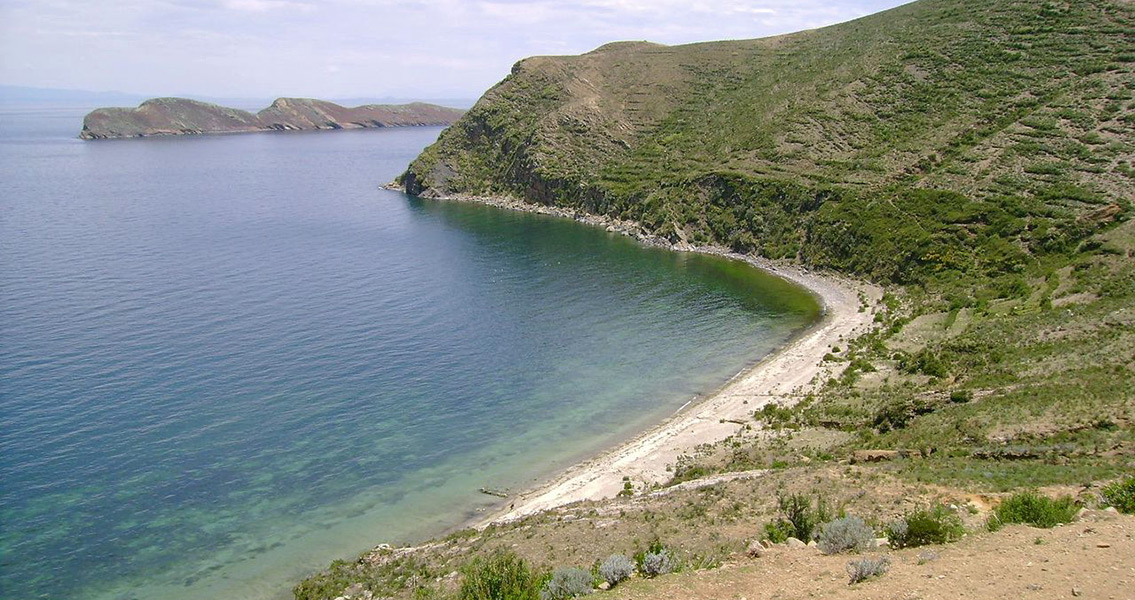
Ancient Skull Trauma Survivors Unearthed in Bolivia

Categories
Breaking News

2,000-Year-Old Aqueduct Unearthed in Jerusalem

livescience.com that the aqueduct was initially just an open channel that flowed along a gentle slope, ensuring that the water level only declined by about a metre for every kilometre. The open channel remained in active use until about 500 years ago. During the Ottoman rule over the region a terracotta pipe was placed along the channel to keep the water clean. It was one of the main sources of water for the city of Jerusalem, which explains why it was taken good care of over such a long time. A century ago, however, the aqueduct was replaced by an electric water supply system. Now, the pipe will be studied more closely by the Israeli Antiquities Authority, with sections of it eventually being exposed and turned into a tourist attraction. The same has been done with some already uncovered sections of the aqueduct in the city, while others have been sealed to ensure they are better protected “for the sake of future generations”, according to the official statement of the IAA. The Hasmonean dynasty ruled the ancient state of Judea from 142 BCE until the Roman conquest in 63 BCE. It won control over the land from the Hellenistic Seleucid dynasty, which had sought to establish Hellenistic culture in Judea. The locals were prohibited from practising their religion, which led to a revolt in 166 BCE headed by Mattathias, a member of the Hasmonean family. The revolt succeeded and the Jews re-entered Jerusalem and purified Solomon’s Temple, the greatest hallmark of Judaism, which had been desecrated by the Seleucids. The victory, the first in a series that led to the independence of Judea, is traditionally celebrated during Hanukkah. Solomon’s Pools and the system of aqueducts that brought water from the reservoirs to the south of the country became necessary during the Second Temple Period, between about 530 BCE and 70 CE, after a second temple besides Solomon’s was built in Jerusalem and the number of pilgrims coming to the city increased considerably. In addition to the three pools, the water supply system included two aqueducts that fed the reservoirs and another three that distributed water from the reservoirs to Jerusalem and Herodium. Their overall length was 80 km. Parts of the system, which was refined and expanded during the Roman era in Judea, continued to be in use until as recently as 1967.]]>

Categories
Breaking News

Written Communication May Be 40,000 Years Old

Categories
Breaking News

First Contemporary Shakespeare Portrait Revealed in Herball

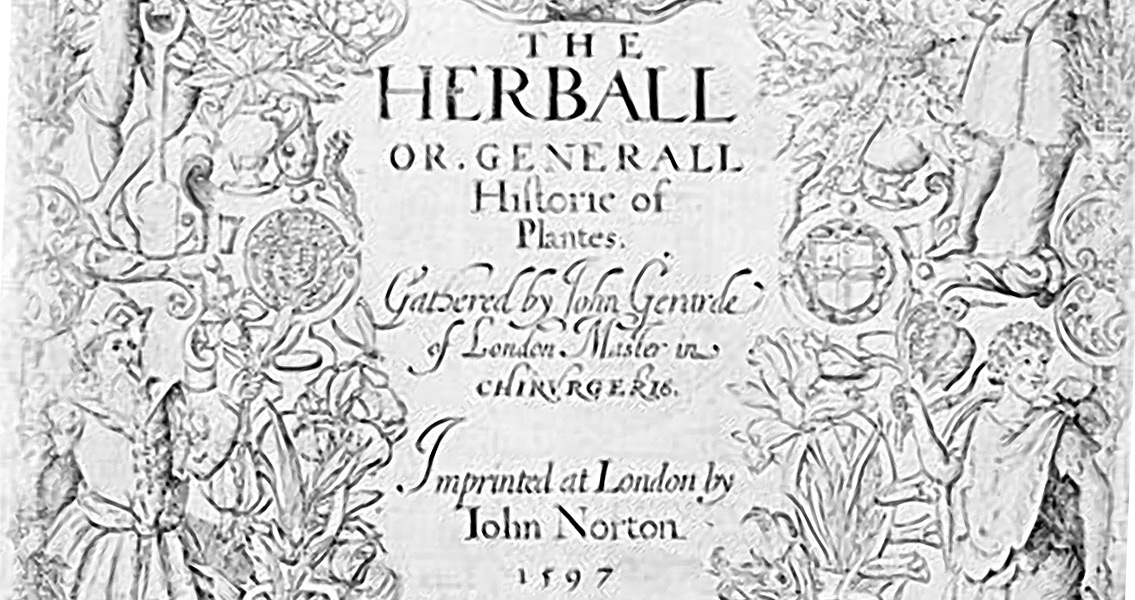
Country Life magazine, Griffiths said the identity of the man in the engraving had been coded with a set of symbols and a pattern of plants. What made the discovery possible was not just Griffiths’ knowledge of plants, but his understanding of how plants were used in a symbolic way to refer to specific individuals in sixteenth century literature. The 1,484-page ‘Herball’ came out in 1598, and was the first work of such length on botany in English. Its title page is an intricate engraving done by William Rogers, the first professional engraver in England and the best-known portrait engraver from the Tudor period. The engraving itself bears the date 1597, and features a variety of flowers and other plants, cherubs, and four human figures. Griffiths told Country Life that when he started studying the engraving he realised the patterns abounded in allusions to the people who had in some way contributed to the book, particularly four people depicted in the four corners of the engraving. Three of these individuals Griffiths identified relatively quickly. One was the engraver himself, sporting a spade in one hand and a bunch of flowers in the other. Another was Rembert Dodoens, a prominent Flemish botanist and physician, author of a number of botanical works, with a large flower in one hand and a book in the other. The third figure was Lord Burghley, the Lord Treasurer of Elizabeth I, and her closest advisor, as well as the patron of Gerard’s book. The identity of the fourth figure, however, remained a mystery at first. This figure is one of a young man with a beard and moustache, dressed in a Roman-style toga, holding a sheaf of corn in one hand and a flower in the other. The figure and the surrounding patterns suggested that this person had ”something to do with poetry”, Griffiths said. Griffiths turned his attention to these plant patterns around each of the figures, believing that they were codes for the identity of each of the four individuals. Besides the flower patterns there are also letter and figure-like symbols beneath the etchings of Lord Burghley and the man in the Roman toga. Griffiths focused his attention on the mysterious fourth figure, and after a while became convinced that, based on the information coded in the engraving, it could be none other than William Shakespeare. This, according to Griffiths, makes the portrait the first image ever discovered of the genius playwright produced in his own lifetime. The other two famous portraits of Shakespeare were made after his death. What’s more, this image, notes Griffiths, is identified as William Shakespeare by the engraver, increasing its credibility. Commenting on the discovery, Country Life’s editor Mark Hedges said it could help us see the playwright from a new perspective, that of a man highly involved with the most prominent figures of his day, a fact which could lead to new ways of looking at the sources of his inspiration. Image courtesy of Wikimedia Commons user: the Wellcome Trust]]>

Categories
Breaking News

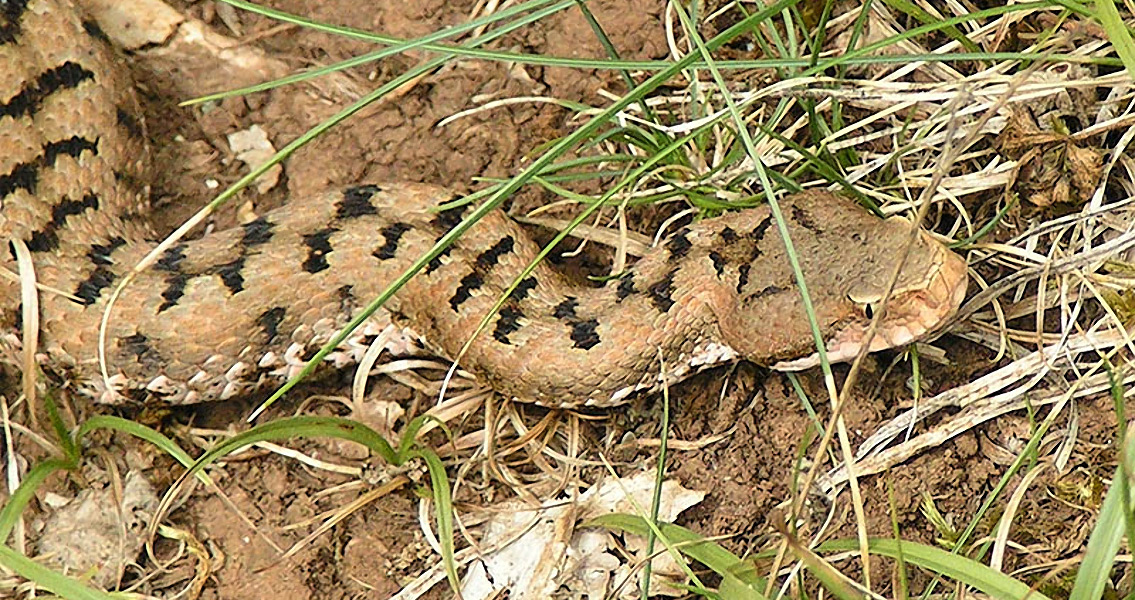
Snakes Evolved on Land, Hunted by Night

Categories
Breaking News

Two-Thirds of European Men Descend From Three People

Categories
Breaking News

Farming To Blame For Our Weakened Bones