www.pnas.org Image courtesy of Wikimedia Commons user: Fir0002/Flagstaffotos]]>

www.pnas.org Image courtesy of Wikimedia Commons user: Fir0002/Flagstaffotos]]>

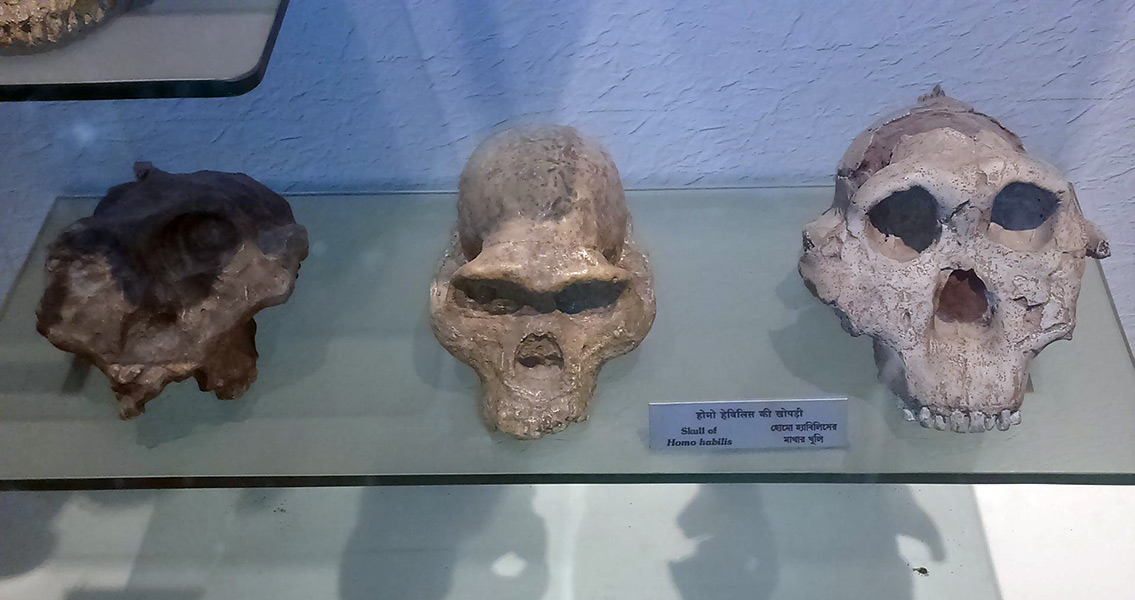
Homo erectus as long believed, but a smaller species, Homo habilis, also called Handy Man, Discovery News writes. The senior author of the study told the website that the Homo habilis species was characterised by more ape-like features than previously thought, such as climbing besides walking on two legs, but also had some features characteristic of modern humans; such as a large brain, and tool-making skills. It was, however, shorter than Homo erectus: a more muscular species more closely resembling modern man. Using the huge dataset, Mark Collard, who is professor at the Human Evolutionary Studies Program of Simon Fraser University, and his team compared a number of alternative evolutionary trees and looked into how well each tree fit in with the dataset. There were three possible outcomes: either the tree was inconsistent with the dataset and was hence rejected, it was partially consistent, or it was fully consistent with the dataset. Based on what they found from the comparisons, the researchers suggest that Handy Man went into Asia and Europe from Africa and somewhere in Asia it gave rise to Homo erectus. Collard explains that the ‘Upright Man’ then went into Africa, a bold suggestion in the face of current consensus but backed by evolutionary data, apparently. The little Handy Man was also the ancestor of another species, this time even smaller: the Homo floresiensis, the ‘Hobbit Humans’ who were thought to have been nothing more than physically deformed humans. In fact, according to the theory of Collard and his team, H.floresienis were a separate species that inhabited the island of Flores in Indonesia. As to where the first modern human originated, Collard says this most likely happened in South Africa. He told Discovery News that “The fact that Australopithecus sediba [a two-million-year-old fossil] groups with Homo is consistent with the idea that the earliest known representative of the genus Homo originated in South Africa.” Another interesting conclusion of the team was that the Neanderthals were almost certainly a species exclusive to Eurasia; there was no evidence that its representatives had ever been in Africa. At the same time the researchers were unable to establish the immediate ancestor of this species, as scientist before them had been unable to trace back the origins of other hominin species from the Middle Pleistocene. Collard said he hoped his team’s findings would encourage further research by other scientists in South Africa, China, and Southeast Asia, where some of the oldest known human fossils have been unearthed. Asked by Discovery News to comment on the study, the director of New York University’s Center for the Study of Human Origins, Terry Harrison, said it would definitely fuel a debate among palaeoanthropologists, hardly a surprise given the way it challenges long-held beliefs in the area. Another commenter, human origins professor Bernard Wood from George Washington University, said the team who did the study had made an important step in furthering our understanding about evolution, which he called “superficial” at present. Image courtesy of Wikimedia Commons user: Royroydeb ]]>
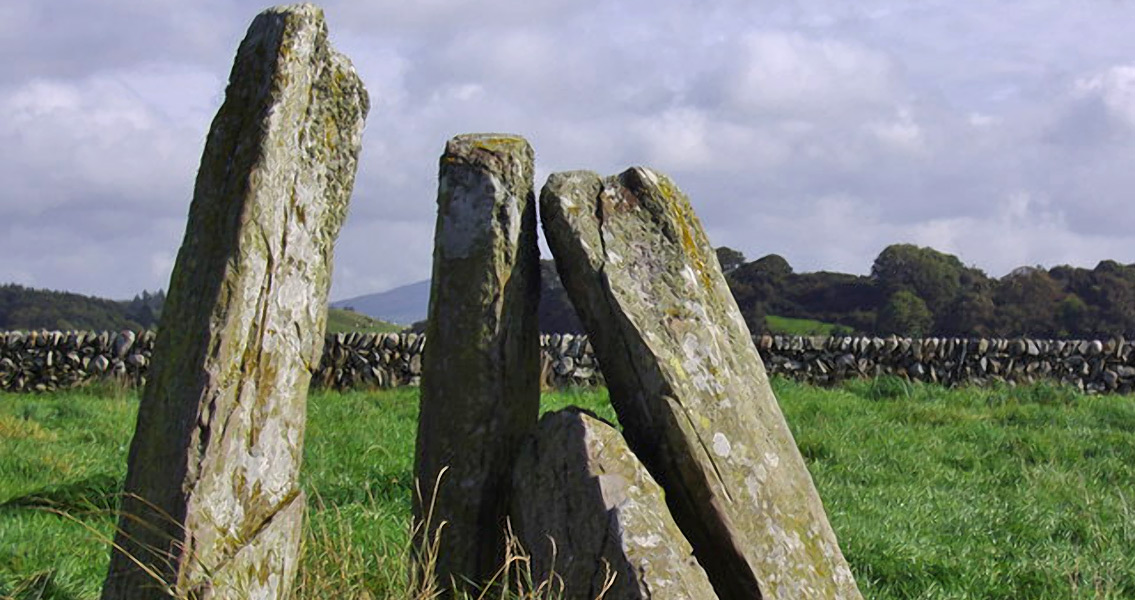
www.pnas.org Image courtesy of Wikimedia Commons user: Ann Cook ]]>

Manhattan Melodrama at the Biograph Theatre. A force of twenty FBI agents and police officers positioned themselves outside the building, in preparation for Dillinger’s exit. Sage had agreed to wear a red dress, so the officers would be able to identify her. At 10:40pm, Dillinger and Sage left the cinema. The authorities immediately pounced, ordering Dillinger to surrender, but he bolted. He made it less than a block before being gunned down in a hail of bullets. Official reports claimed the FBI and police had opened fire because Dillinger had pulled a gun. Dillinger died at the scene, close to an alleyway next to the theatre. The response to Dillinger’s death shows the extent of the celebrity status he had garnered, despite the at times brutal nature of his robberies. Souvenir hunters lined up to dab handkerchiefs in his blood at the scene of his shooting, while thousands went to the morgue to see his body. At his funeral, 5,000 people came to witness his burial, despite attempts to keep the date and location a secret. At a time when the United States was gripped by the Great Depression, the fascination with Dillinger can be put down to a roguish, ‘Robin Hood’ type mythology which surrounded him. The banking system was held up as the source of the United State’s economic calamity. Dillinger’s frequent attacks on banks and his rebellious personality turned him into something of an anti-hero for many Americans. Even now, there are some who argue Dillinger was not killed in Chicago on 22nd July. Pointing to inconsistencies in medical records, they claim that someone other than John Dillinger was gunned down outside the theatre. Suspected motives for this supposed cover-up vary, from desperate attempts by the FBI to prove they could catch the man they had declared public enemy number one, to the belief that Dillinger had organised the whole deception himself, so he could retire into obscurity. Image courtesy of Wikimedia Commons user: Wildhartlivie]]>

Leptobos brevicornis, a large, now extinct bovine weighing up to 300 kilos, with pointed horns. On the fossil there are three traces of sharp teeth, one even piercing the almost 8-cm bone clean through. At first, Li said, speaking to the South China Morning Post, he thought the hole in the bone came from a missing tooth of the bovine but closer inspection showed that it had the full set of teeth on its lower jaw. The researcher was also able to establish that the traces were not caused by anything else but a predator’s teeth. Using teeth samples from large cats that are known to have lived in the area around the time tigers emerged as a species, including a sample from a tiger ancestor, the Panthera palaeosiensis, Li determined that the hole in the mandible must have come from such an animal. According to Li’s mentor, Deng Tao, researcher at the Laboratory of Vertebrate Evolution and Human Origins, this could be the only fossil of a tiger bite. Based on the location of the bite marks, Li came to the conclusion that tigers’ hunting strategy has been the same for the last two million years. “This is like playing the Hunger Games for more than two million years without bothering to change the strategy,” he told the South China Morning Post. Such a consistency is truly remarkable and perhaps proof of the strategy’s efficiency. Modern tigers are the largest member of the feline family but they tend to hunt prey that is larger than themselves. In order to be able to quickly subdue its victim, a tiger targets the head and neck, a strategy well documented by feline researchers. However, it has only been documented for modern representatives of the tiger family, and fossil records tend to be scarce, notes Deng, as they are so far only available for hyenas and bears. As to whether the bite of that ancient tiger was instantly lethal, Li and Deng cannot say with certainty. It is possible that the bovine lived for a while after the attack but not long, as the bite marks showed no signs of healing. Now the fossil will be subjected to further examination aiming to determine, among other things, the force of the bite. This could be inferred from the cracks inside the bone, but has so far proven impossible to do using CT scanning because of the sheer size of the fossil. Image courtesy of Wikimedia Commons user: Dick Mudde]]>
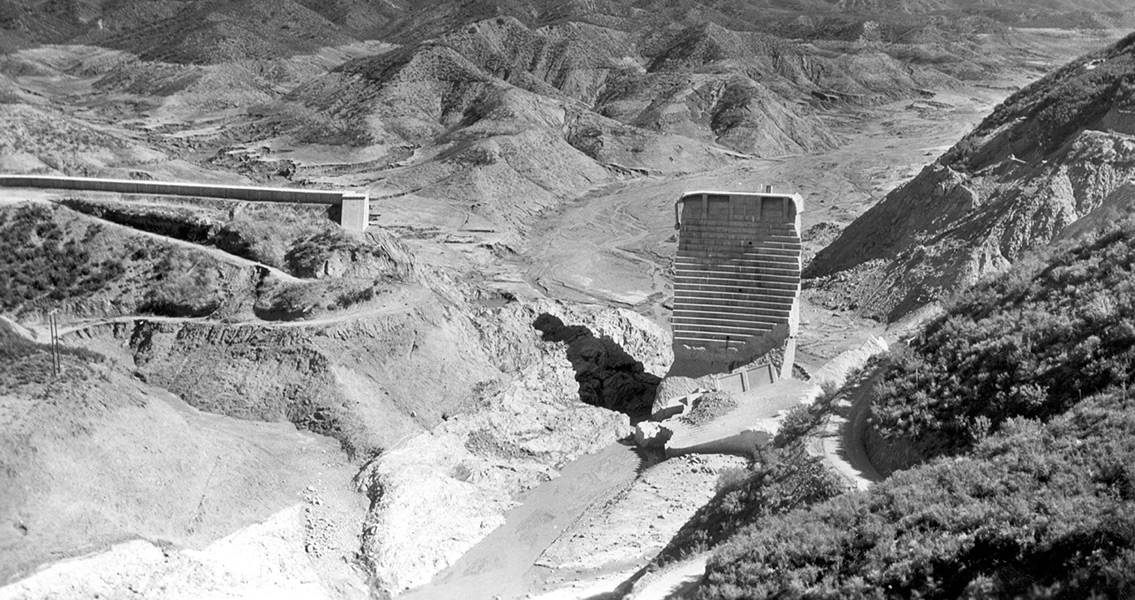
here ]]>
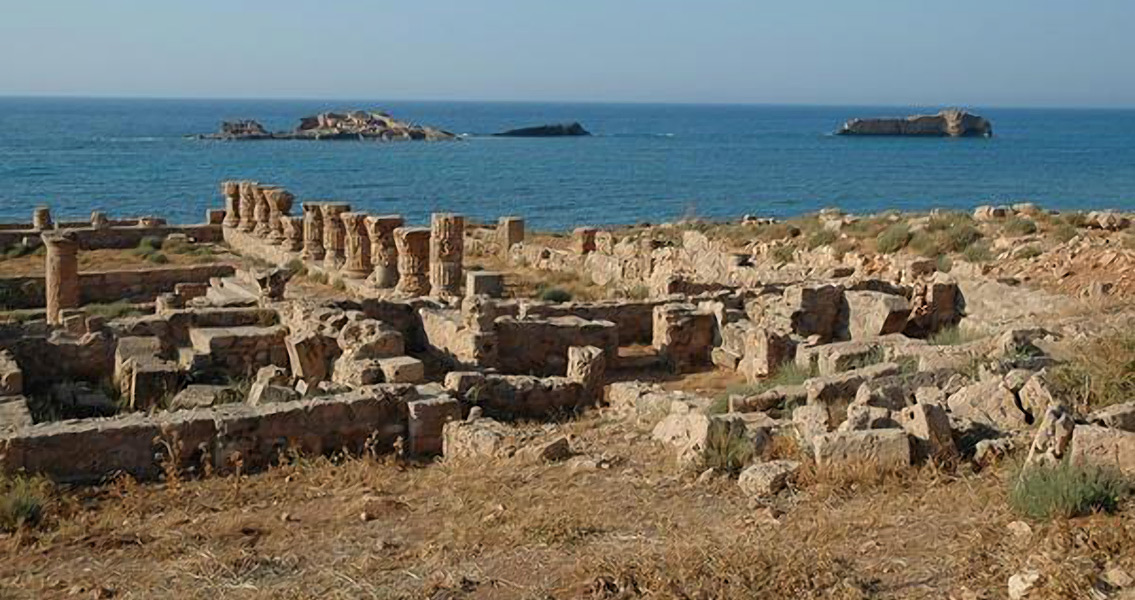
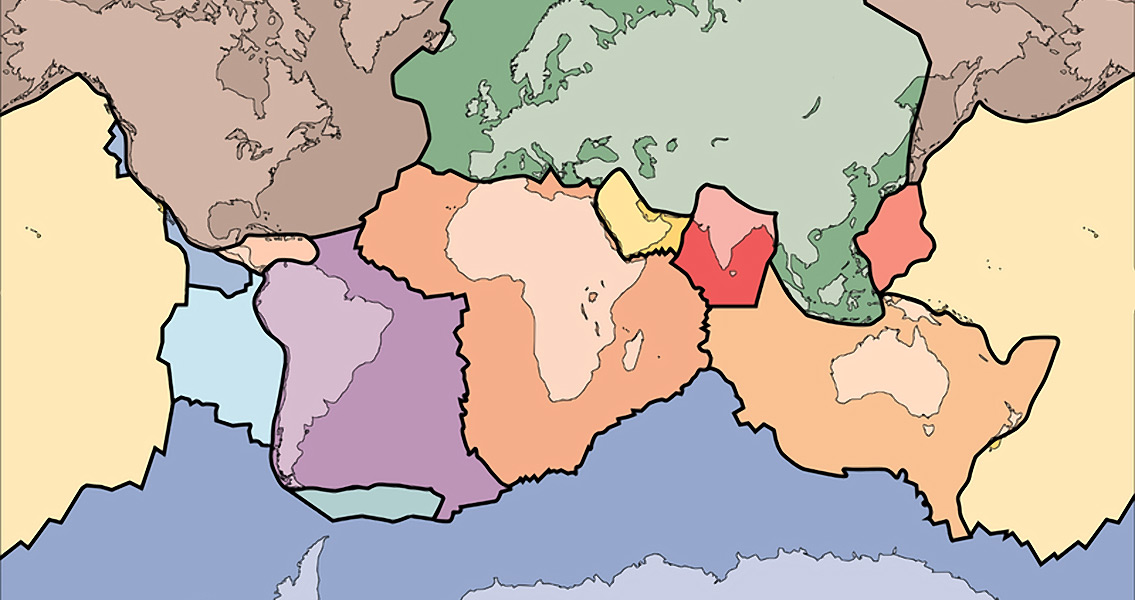
study by Stathis C Stiros, published in the Journal of Structural Geology, used historical and archaeological evidence to argue that the 365 CE earthquake was just the worst example of an “unusual clustering of destructive earthquakes” in the Eastern Mediterranean between the fourth and sixth centuries. The study suggests that the seismic activity may have been the result of a reactivation of the tectonic plate boundaries in the region. The tsunami which resulted from the earthquake struck the Nile Delta, obliterating many small communities. Eye witness accounts provide a description of the tidal wave as it struck the city of Alexandria. The historian Ammianus Marcelinnus wrote in his work Res Gestae “…the solidity of the whole earth was made to shake and shudder, and the sea was driven away, its waves were rolled back, and it disappeared, so that the abyss of the depths was uncovered and many-shaped varieties of sea-creatures were seen stuck in the slime… The waters returning when least expected killed many thousands by drowning.” As the wave struck Alexandria, ships were hurled over the sea walls and landed on buildings in the city. Approximately 5,000 people in the city lost their lives and 50,000 homes were destroyed. Outside of the city, farmland around the Nile Delta was rendered useless for years as a result of contamination from salt water. Other coastal towns and cities around the Mediterranean were hit at the same time as Alexandria, with the tsunami responsible for destroying settlements in West Cyprus, Libya, and Sicily. In the years following the devastation Alexandria was gradually flooded by sea water, eventually consuming most of the city. It wasn’t until 1995 that the historic centre of the city was recovered by archaeologists. Image courtesy of Wikimedia Commons user: Jona Lendering]]>
“Cycles of nutrient trace elements in the Phanerozoic ocean” Image courtesy of Wikimedia Commons user: US Geological Survey]]>
www.journals.plos.org ]]>