


Related Books

The Travels of Marco Polo, the Venetian
The Translation of Marsden Revised
by Marco Polo

www.aber.ac.uk Image courtesy of Wikimedia commons user: Black-Velvet]]>
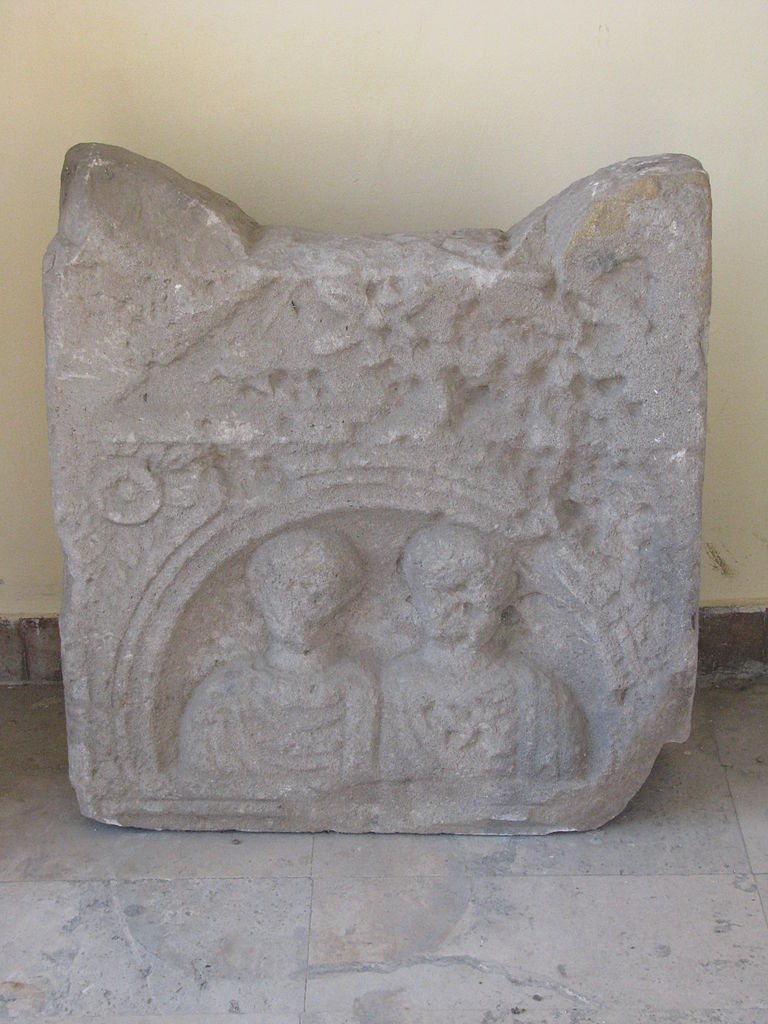

Research by the University of California at Berkley (UCB) has provided an explanation for the abandonment of the Mesoamerican city of Cantona in 900 CE. The pre-Aztec city had a population of 90,000 people at its peak, but was left completely deserted. Analysis of sediments in the nearby Lake Aljojuca allowed researchers from UCB to determine that the region had undergone a period of frequent drought, lasting over 500 years from 600 CE. They were also able to glean insights into population movements in the period of drought, noting that initially Cantona’s population had increased, possibly as a result of mass immigration to the city by those searching for water, before its sudden decline. Elsewhere, researchers from the University of Arizona applied social network analytical methods to archaeological data, and gained insights into the ancient importance of community. During the 250 year period starting from 1200 CE, huge swathes of the North-American South-west became uninhabited. Through their study, the researchers determined that the communities that survived in this period tended to be those with extensive connections to other communities. Essentially, the study provided an analysis of the significance of social networks, on a regional scale. Finally, a combined study, produced by academics from the University of Colorado in Boulder and the Santa Fe Institute, compared the urban growth patterns of ancient and modern civilisations. The study, which focused on pre-contact sites along the basin of Mexico, concluded that ancient cities in the region developed in much the same way as modern ones. The research throws into question the commonly held belief that modernity and industrialisation have made modern day cities distinct from ancient. Two meditating monks Tukdam is an advanced state of meditation achieved by Buddhist monks. It is thought that remaining in this state for more than three weeks leads the body to shrink, and appear mummified. Buddhist doctors, such as Dr. Barry Kerzin, have long argued that many Buddhist mummies are not in fact dead, but in this advanced state of meditation. Two discoveries in February have brought Tukdam and Buddhist mummification into the limelight. In Mongolia, a startlingly well preserved, two hundred year old monk was discovered in the Lotus position, suggesting he had been meditating when he died. The monk’s body demonstrated very few sings of decomposition, aside from a slight grey tint to his skin and his body being slumped to one side. In Holland, researchers from the Drents Museum carried out tests on a mummified Buddhist monk encased in a statue. Although it had been known previously that the monk was in the statue, the researchers were stunned to find that organs of the monk had been removed, and pieces of paper containing ancient Chinese writing inserted into his body. The pieces of paper are currently being translated, in the hope of gaining more insight into the monk and his burial. Migration Two unrelated studies have both provided fascinating insights into the spread and migration of species. The first, by academics from Tel Aviv University in Israel, made a startling conclusion about when humans first colonised Eurasia. An almost complete, 55,000 year old skull found in the Manot cave near Galilee, has provided direct anatomical evidence of when humans first colonised the Levant corridor, the piece of land connecting Africa to Europe. The discovery has raised some fascinating questions, firstly suggesting that Homo Sapiens inhabited the Levant Corridor at the same time as other Hominins, and secondly that the first H.Sapiens in Europe were not in fact direct migrants from Africa, but descended from those that had settled in the Corridor. Another study looked at the migration of Solenopsis geminata, or Red Fire ants. University of Illinois academics analysed the genetic code of ants from 192 locations to determine a time frame for their “Global invasion”. The biologists concluded that the spread of the ants to Africa, the Americas, Australia, India, and Southeast Asia, took place because Spanish Galleons unwittingly transported them in the sixteenth century. Essentially, the biological invasion by the fire ants was directly linked to the Spanish Empire establishing the first globalised trading network. Both study’s are fascinating, as they reveal the new detail with which ancient migration and population dispersal of different species can be monitored. Ancient Egyptian Healthcare System Perhaps one of the most startling stories from February concerns Ancient Egypt. Excavations at Deir el-Medina, a village built for workers tasked with constructing tombs during the New Kingdom (1550-1070 BCE) period, has revealed that the workers received extra amenities from the state in exchange for their services. Recently discovered papyri texts from the site have suggested that grain distribution in the village had remained consistent, even at times when workers were unable to work due to sickness. This suggests that the state provided some level of sick pay to the workers it valued so highly. The discovery reveals the seemingly never ending stream of new information that can be gleaned about the incredibly complex societies of Ancient Egypt. Image courtesy of Wikimedia commons user: Tomascastelazo]]>
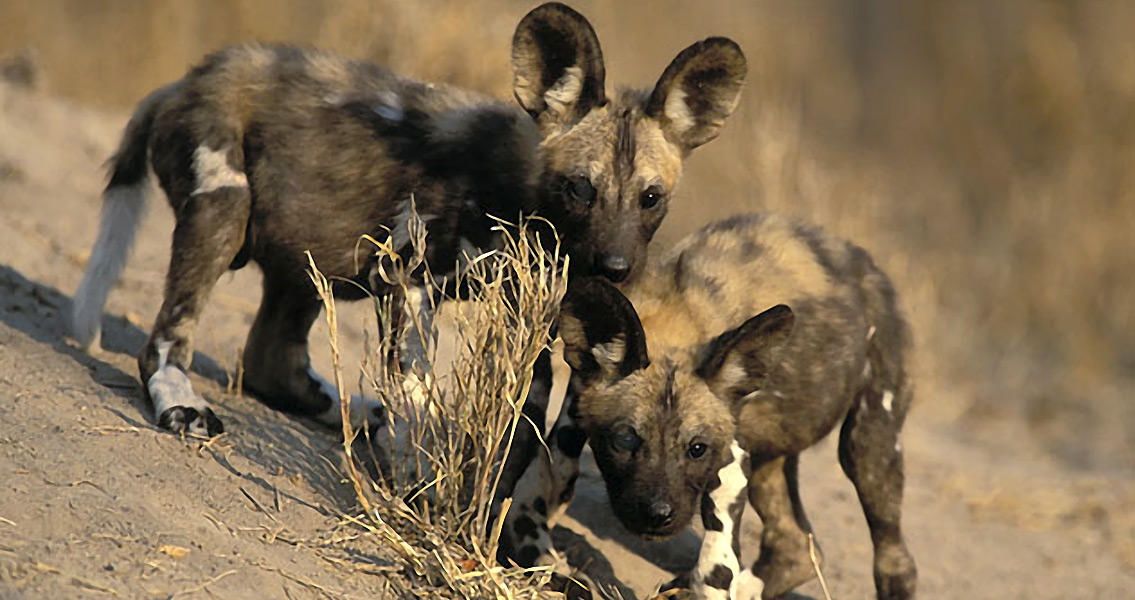
Azania. Recent DNA research has indicated that all modern dog breeds are descended from the domestication of a now-extinct wolf breed, about 11 to 16 thousand years ago. There is a lot of debate, however, surrounding where this domestication took place. Dogs were adopted by early hunter-gatherers, as they could assist in the capture of prey, or provide defence from large competing predators at kills. It is unclear however, whether their domestication took place just once, or on multiple occasions. The huge genetic diversity among dogs found in East Asia had led many scientists to conclude that domestication began there. Other research, however, has challenged this assumption, stating there is an equal likelihood of dog domestication having occurred elsewhere on the Eurasian continent. C. familiaris, it seems, is not native to the African continent, domestic dogs appear to have been introduced from the Middle East at some point after 12,000 years ago. After their initial introduction, dogs spread relatively quickly across North Africa, possibly because they were useful in the pastoral economy of animal husbandry. The expansion of dog populations south of the Sahara, however, appears to have been slow and staggered. In an effort to explain this much slower rate of expansion, Prof Mitchell has suggested that when dogs entered Sub-Saharan Africa, they encountered a series of endemic diseases. Mammalian species, including wild canids, native to Sub-Saharan Africa, acted as reservoirs for these diseases. The most virulent diseases that dogs encountered would have been the various strains of Trypanosomiasis, caused by parasitic protozoa in the bites of insects. One of the best-known diseases dogs could have been affected with is sleeping sickness, principally spread by tsetse fly bites. “[These diseases] pose a significant health risk to dogs living in Sub-Saharan Africa today, particularly to dogs not native to the region,” Prof Mitchell writes. It appears that African breeds of dog have a level of tolerance for these diseases; this resistance obviously took a long time to develop. Dogs which did not have this resistance, therefore, would not have been able to spread as quickly across Sub-Saharan Africa. “Based on the high mortality rates that European breeds introduced to sub-Saharan Africa today suffer, from the diseases discussed, such as sleeping sickness, I would think it very likely that the earliest dogs introduced to the region in prehistory would have suffered a similar challenge,” Prof. Mitchell told New Historian. Prof. Mitchell’s work provides an important addition to the little-understood history of the domestic dog. “I hope that this work will make a contribution to understanding the general history of dogs and people as a whole,” Prof Mitchell said. “[The study] helps develop a more informed understanding of how all kinds of domestic animals were taken up.” It is important to understand the history of the dog and other animals we have domesticated, as they are inextricably linked to our own development. “[Studying domesticated animals] is a field with a lot of potential to it,” Prof Mitchell said. For more information: www.tandfonline.com Image courtesy of Wikimedia commons user: Attis1979]]>
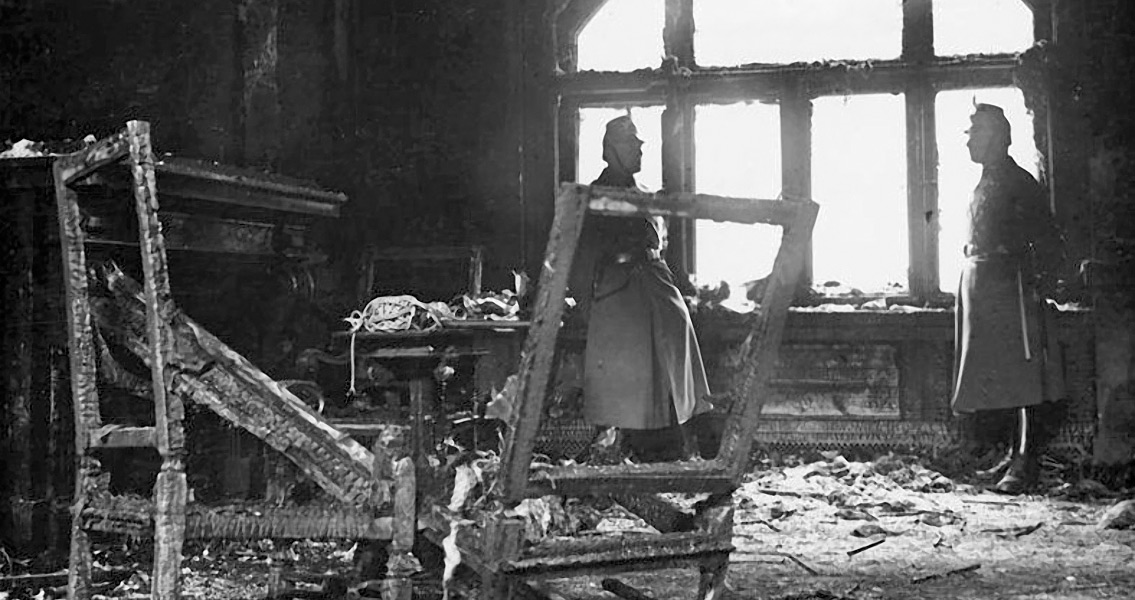
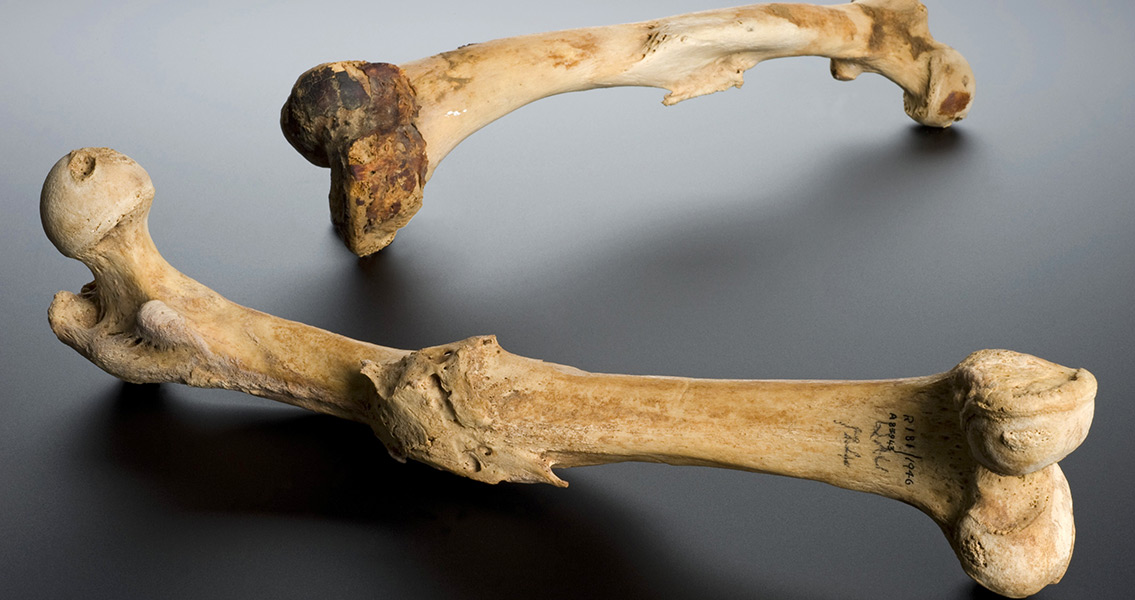
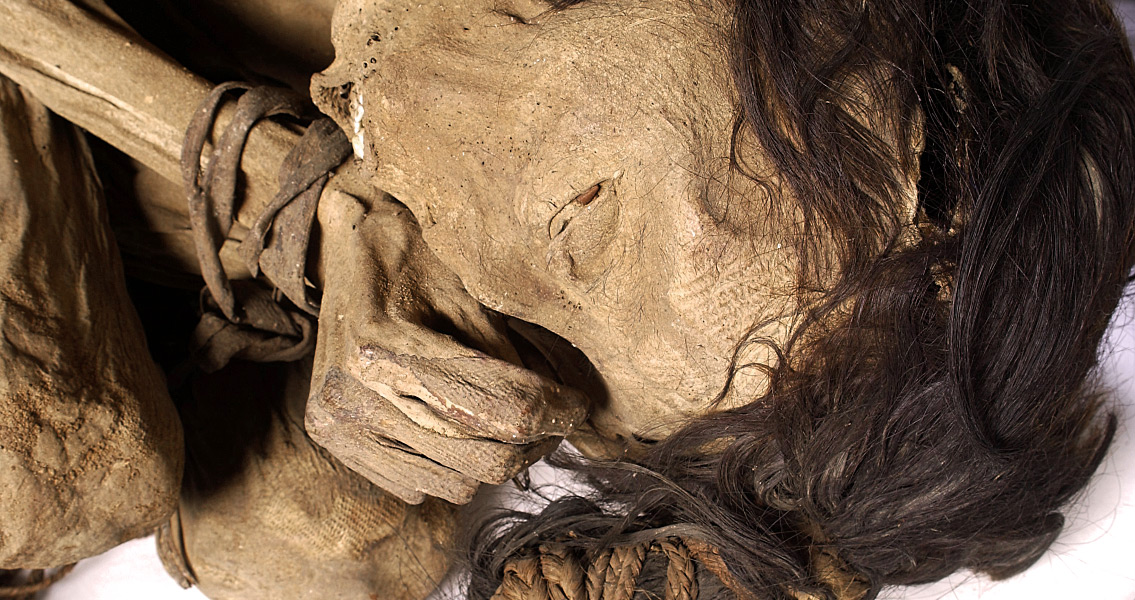
Antiquity. When the team began excavating the religious complex of Khonkho Wankane a decade ago, little was expected of the site. It was located a fair distance from the sunken temples of Khonkho, the original focal point of excavations. What Smith and Pérez uncovered, however, was truly remarkable. They found a circular building containing a floor strewn with a variety of exciting artefacts. Of particular interest were small blocks of a white, chalky substance. Tests revealed these blocks were quicklime, made by heating limestone. Quicklime, when mixed with water, has a particular use in that it can remove tissue and fat from bones. When exposed to air, quicklime-water mixtures turn into a white plaster. Within the mortuary, a number of body parts coated with this quicklime-water plaster were found. Nearly 1,000 teeth and small bones, mostly from feet and hands, were found along with pieces of skull. Outside the mortuary, carvings on a pillar were found which depicted a human with an exposed ribcage. The bones, when taken together with the quicklime found at the site, suggest that bodies were dismembered, stripped of flesh and cleaned in lime water. Bones were then taken away from the site, Smith and Pérez suggest. Dead family members were a prominent part of life in nearby communities. “Human remains were central to the creation of community,” Smith and Pérez state in their study. “The dead helped to anchor social identity in a collective understanding of the past and embedded lineage in the landscape.” People who stopped at Khonkho were probably no different, but they had mobile lifestyles and were unable to live near burial sites. The evidence from Khonkho Wankane suggests that these people took their dead on the road with them. “Khonkho Wankane,” Smith and Pérez wrote, “was a ritual centre to which the dead were brought for processing and then removed for final burial elsewhere.” For more information: www.journals.cambridge.org Image courtesy of Wikimedia commons user: Fæ ]]>
www.sciencedirect.com Image courtesy of Wikimedia commons user: Fæ ]]>