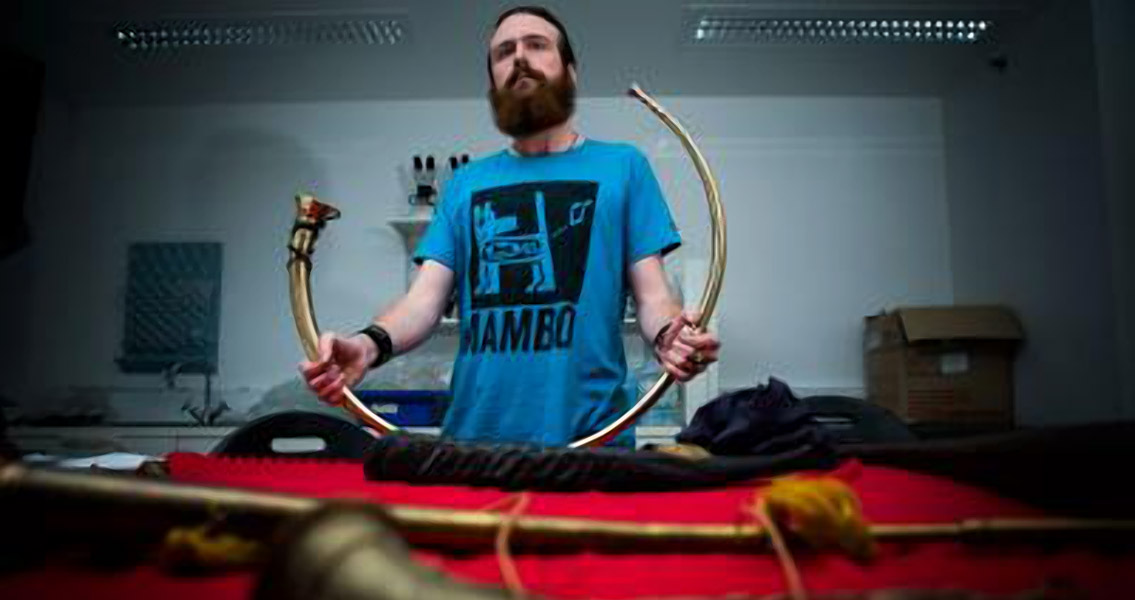
Proceedings of the Royal Society A, is available online here Image courtesy of Selbymay]]>

Greek Reporter has just revealed that the Greek Ministry of Defense, Infrastructure, and Finance has received a letter from the Culture Ministry on behalf of the General Directorate for Antiquities and Cultural Heritage that could place the future of the Elliniko site, and the ability of Greece to move forward with recovering from its myriad financial woes, in jeopardy. The original plans for the site included a small portion of the area to be reserved as an archaeological site, according to the Culture Ministry. However, new developments at the airport have revealed that the scope of the dig site is much more expansive than it was originally estimated to be. In its letter, the Culture Ministry has urged recipients to respond urgently to the new plans. Regardless of whether the Culture Ministry succeeds in setting aside larger swathes of Elliniko for archaeological study, the bureaucratic result is likely to be at the very least a delay in the privatization project – something that has been in development since 2014. Additionally, there are fears now that delays may expose the Greek government to litigation from Lamda Development in the wake of the recently signed memorandum of understanding between the two parties. According to the Greek-language newspaper Kathimerini, opposition leaders in the Greek government have responded angrily. Stavros Theodrakis, leader of the centrist To Potami political party, spoke out in condemning the move, going so far as to accuse factions within the ruling Syriza Party and a handful of government ministers of coming together in collusion to delay the Elliniko project. Likewise, Union of Centrists leader Vassilis Leventis felt that it was unnecessary to discuss Elliniko’s archaeological significance after the investment had already been agreed upon. The Elliniko privatization project will provide the equivalent of more than $1 billion USD to the Greek government. Additionally, it will create around 70,000 new jobs after construction is completed on the new tourist center, which will include hospitality staff for the numerous new hotels, restaurants, and other amenities set to be created for the region in an effort to create the largest metropolitan park of its kind. The plans also call for the creation of a kilometer’s worth of new recreational beachfront. ]]>
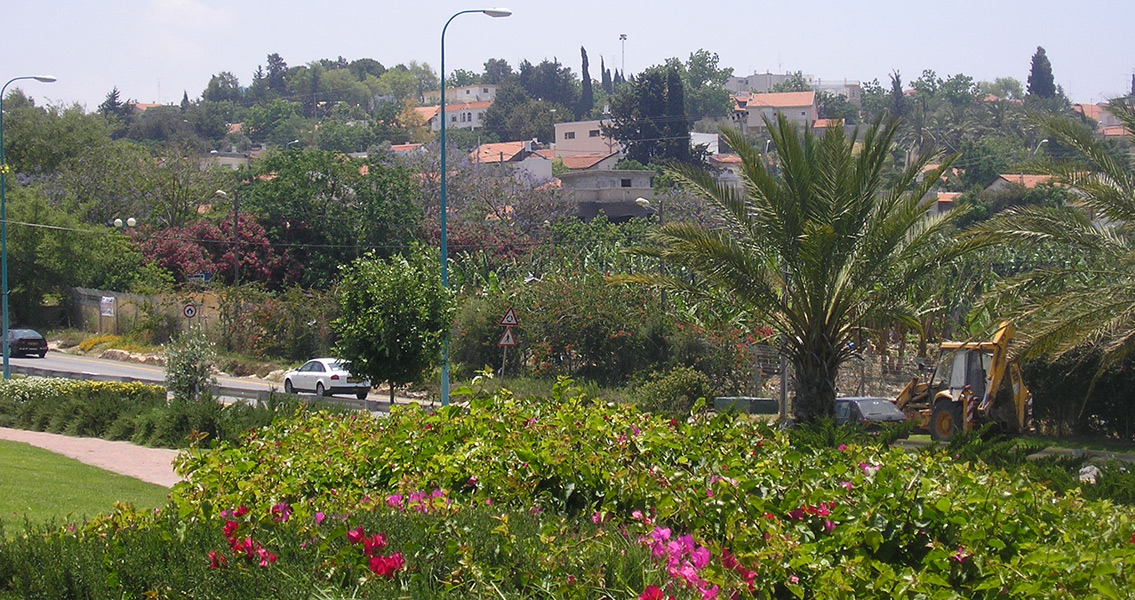
Live Science details the find, which included a ceramics factory where vessels and jars to hold oil and wine would have been made around 1,600 years in the past. Researchers conducting the dig reported that the shop site is noteworthy due to its kiln, which was cut from the living rock of the region. Exhibiting careful construction, the kiln was cut out of the bedrock, according to excavation director Joppe Gosker. This is unique in that the majority of kilns dating to the period would have been constructed not just of stone but of mud and earth as well, Gosker added. The kiln itself was constructed in two parts, the first being a chamber where the unfired clay jars and vessels would have been placed in order to cure them for hours in the blistering heat. The other, the firebox, would have been where combustible materials such as tinder and wooden branches were burned to provide that heat. Based on the types of broken ceramic shards found in piles close to the sides of the kiln, archaeologists are led to believe that there were two types of pottery created at the site. One type, likely exported from the site via the Mediterranean, were large-handled jugs known as amphorae that were typically used to transport oil or wine, while the others were jars that would have been ideal for transporting over land routes. According to Israel Antiquities Authority geologist Anastasia Shapiro, the geological conditions in the town of Shlomi were ideal for creating such a unique type of kiln. Shapiro stated that the chalky bedrock of the region has a high level of durability, making it strong enough to withstand the high temperatures of curing pottery in a kiln, yet at the same time it was not so hard that it would have been difficult to quarry. Researchers have been conducting excavations in the area for the past six months, prior to plans to construct new residences in the region. A portion of the site will be set aside for a public-access archaeological park. Additional discoveries include a handful of mosaic floor tiles and an ancient system for storing water, while geophysical surveys have revealed the ruins of several Byzantine-era walls that date to between the fourth century and the seventh century CE. The Roman-era pottery workshop is not the only one of its kind to be discovered within the borders of Israel recently. Earlier in 2016, researchers announced the discovery of a glass kiln near Haifa that had been traced to the fourth century CE, making it the oldest such kiln ever to be found in Israel. ]]>
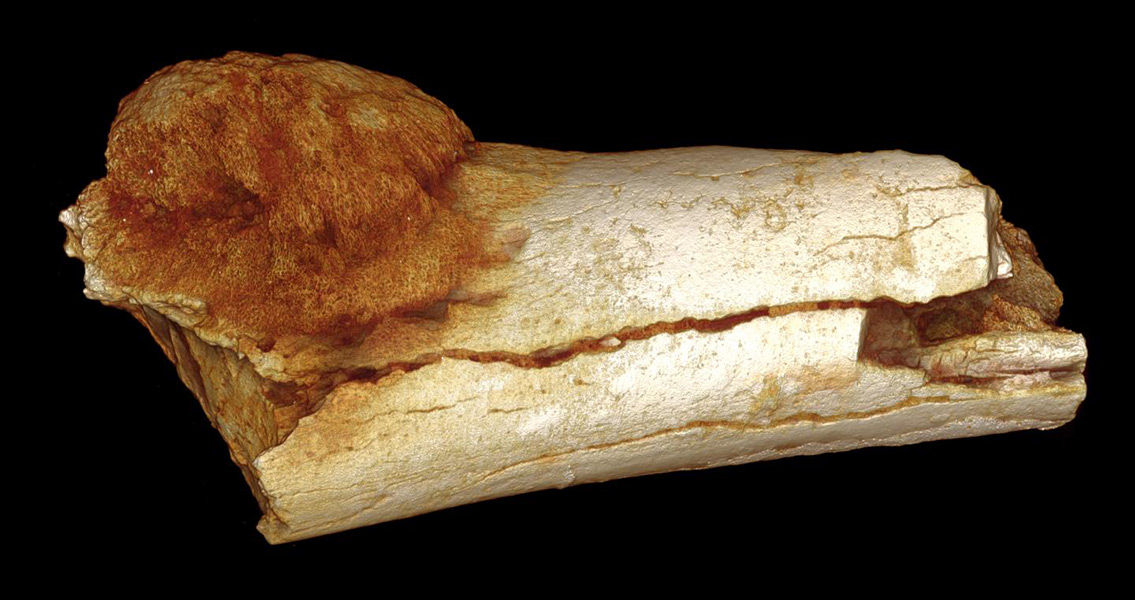
South African Journal of Science, an ancient cancer case and an ancient tumour case are detailed. Until now, the oldest documented incidence of a tumour had been discovered on the 120,000 year old remains of a Neanderthal. The two new studies suggest that cancer and tumours were in fact around well over a million years ago. A 1.7 million year old foot bone discovered in Swartrans, South Africa, bore definitive evidence of malignant cancer. Although the species to which the foot belongs remains unclear, the researchers behind the first paper say it is clearly that of a hominin or bipedal human relative. The accompanying paper identifies the oldest tumour ever found in the human fossil record. A benign neoplasm was found in the vertebrate of Karabo, the close to two million year old remains of an Australopithecus sediba child discovered at the site of Malapa. “Modern medicine tends to assume that cancers and tumours in humans are diseases caused by modern lifestyles and environments.” said Edward Odes, a Wits doctoral candidate and lead author of the cancer paper, and co-author on the tumour paper. “Our studies show the origins of these diseases occurred in our ancient relatives millions of years before modern industrial societies existed”. In the case of the foot bone, the cancer: an agressive osteosarcoma, was discovered on the metatarsal. It’s a form of cancer most commonly found in younger humans, which if left untreated proves fatal. “Due to its preservation, we don’t know whether the single cancerous foot bone belongs to an adult or child, nor whether the cancer caused the death of this individual, but we can tell this would have affected the individual’s ability to walk or run”, explained Dr Bernard Zipfel, a Wits Scientist and expert on the feet and movement of early human relatives. Both discoveries further complicate the picture we have of the causes and history of cancer and tumours. The diseases are typically linked to aspects of modern life, such as our diet, urban living and background radiation. Prevailing thought also suggests that the reason cancer and tumours seem to exhibit themselves more often now is due to increasing life expectancies. However, the tumour discovered on the child’s vertebrate is one associated with adulthood. Indeed, it is the first evidence of the disease in a young individual in the whole of the fossil record. Professor Lee Berger, the leader of the Malapa project and an author on both papers, highlighted just how much of a game changer in the study of oncology both discoveries could prove to be. “…not only has there been an assumption that these sorts of cancers and tumours are diseases of modernity, which these fossils clearly demonstrate they are not, but that we as modern humans exhibit them as a consequence of living longer, yet this rare tumour is found in a young child. The history of these types of tumours and cancers is clearly more complex than previously thought”. In both studies, cutting edge imaging technology was used to diagnose the incidences of disease. The results show the potential of modern technology to not only further our understanding of our ancient human relatives, but also the origin and development of modern diseases. “This is another good example of how the modern clinical sciences and the science of palaeoanthropology are working together in South Africa and with international collaborators to advance our understanding of diseases in both the past and the present.” said Dr Jacqueline Smilg, a radiologist based at Charlotte Maxeke Hospital, who is an author on both papers and was involved in the clinical diagnoses. Image courtesy of Patrick Randolph-Quinney (UCLAN)]]>
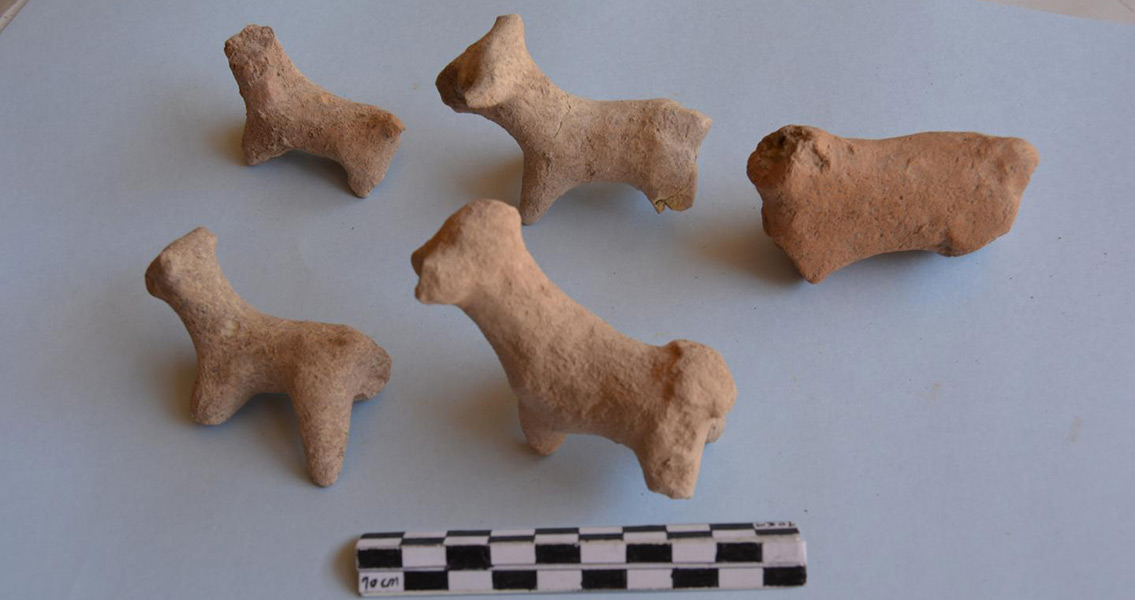

Guardian, renowned Shakespeare archaeologist Julian Bowsher, who specializes in the locations of the sites the Bard performed at as an actor and the locations where his plays themselves were performed; indicated that the Curtain’s rectangular design was a bit of a shock. As the site where the very first performances of such plays as Henry V and Romeo and Juliet might have taken place, the Curtain’s squared-off shape clashes with Henry V’s famous prologue, where the stage was referred to in shape as a “wooden O”. Bowsher said that he’ll have to revise his previous scholarship on The Curtain, as the evidence seems clear that before it was a playhouse, it had likely been an Elizabethan-era tenement. All indications point to the theater being converted once more into a block of flats after The Curtain was no longer in use as a playhouse, the archaeologist added. According to Heather Knight, the excavation’s senior archaeologist, the theater’s remains are some of the best preserved of all of the Tudor-era playhouses excavated to this day. The key to the preservation is actually due to its status as a conversion, the theater being reused as a tenement house led to far more of the structure surviving to the modern era, much more than the South Bank theaters known to have been some of Shakespeare’s most famous haunts, the Rose and the Globe. The current Globe is of course a reconstruction, while the original structures are nothing more than barely visible traces of foundation. The curtain’s architectural remains include a collection of brick walls, some as tall as 1.5 meters. Additionally, the area within the stage where the groundlings would have stood, a sloping surface covered in gravel, has also survived partially. Also surviving are some limited documentation from the era that tell us that the Curtain was set just 100 meters from another playhouse on the outskirts of the city of London, and stood in a fair meadow. The name of the playhouse itself comes from Curtain Road, a medieval pathway that ran parallel to a priory’s old curtain wall. Additionally, the theater was the site of one of Shakespeare’s performances as an actor in 1598, when he appeared in ‘Every Man In His Humour’, by Ben Jonson. Apparently the neighborhood the Curtain was situated in was less than idyllic. Theater manager Richard Burbage, a close friend of Shakespeare, had been fined regularly for running an unlicensed tavern, or “tippling house,” in close proximity to the playhouse, according to surviving records. Fights seemed to have been common, such as an incident where a Thames ferryman assailed two actors for not paying their fares. The backstage area of The Curtain is still being excavated. Tours of the site are available every Friday from now until June 24th. ]]>