Categories
Breaking News

History of Human Migration to be Rewritten? – The History News of the Week

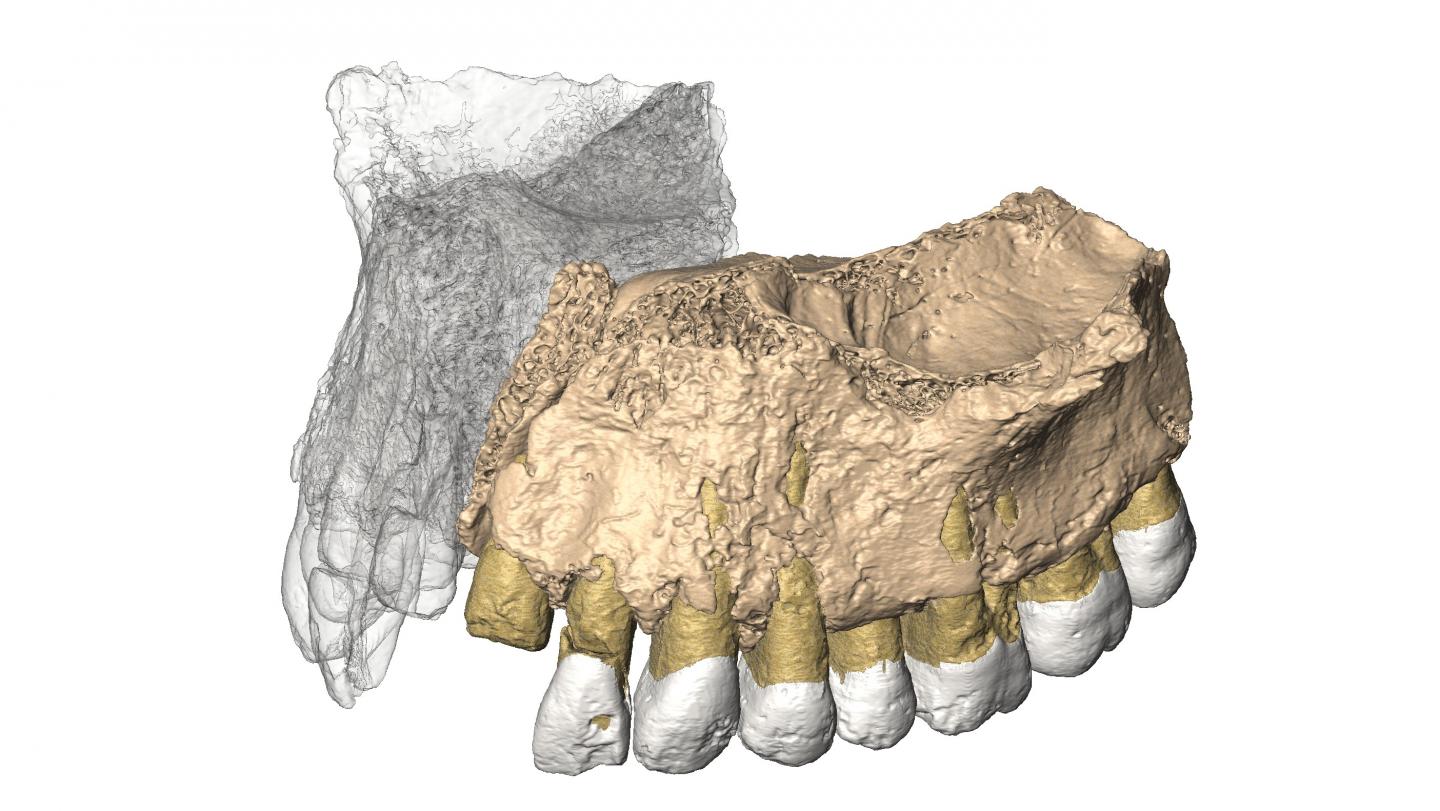
Science. According to Hershkovitz, the findings provide new context for a range of other recent discoveries. “Our research makes sense of many recent anthropological and genetic finds,” Prof. Hershkovitz said. “About a year ago, scientists reported finding the remains of modern humans in China dating to about 80,000-100,000 years ago. This suggested that their migration occurred earlier than previously thought, but until our discovery at Misliya, we could not explain it. “Numerous different pieces of the puzzle — the occurrence of the earliest modern human in Misliya, evidence of genetic mixture between Neanderthals and humans, modern humans in China — now fall into place,” he continued. Horse Skeleton in South Florida Museum Horse Evolution Mystery Solved? The genetic ancestors of the modern horse were animals with five toes. Generally, it is believed that horses evolved to have fewer digits, but new research is challenging that theory and arguing that remnants of the five toes are still present in modern hooves. Humans and horses actually evolved from the same common ancestor, a creature with five digits. As a consequence of living on open grassland, horses adapted to move across these plains. Scientist’s widely believe that this adaption saw horses evolve to have fewer digits. The first horse only had four digits, its later descendant had three, while modern horses have just a central digit, known as the metacarpal. In research published in a recent issue of Royal Society Open Science, a team of scientists are proposing that rather than horses simply losing four digits, all five merged to form the compacted forelimbs with hooves seen today. Currently, scientists accept that splints, small bones found along the outer sides of the metacarpal in modern horses, are partially formed remnants of second and fourth digits. Tapering mid-way down the metacarpal, these fragments were inherited from an earlier ancestor, but ceased to develop into fully formed digits in modern horses. The authors of the new paper claim that this theory is incomplete, failing to account for the animals’ first and fifth digits. “With a distinct surface from the metacarpal, we know the splints on today’s horses to be the remnants of the second and fourth digits,” said Nikos Solounias, a paleontologist from New York Institute of Technology (NYITCOM) and an author on the study. “However, these partially formed digits also appear to contain their own elevated surfaces which hold additional evolutionary clues. We find these ridges, located on the posterior of each splint, to be the partially formed remains of the first and fifth digits, which were once connected to the cartilages of the hoof.” Key to the research are the famous Laetoil footrprints in Tanzania, which show that the famous, eight-million-year-old horse known as Hipparion primigenium walked alongside early humans and had three digits. According to a NYITCOM statement, Solounias analysed the footprints and came to the conclusion that Hipparion actually had five compacted toes, the forelimb divided into five sections – suggesting the small toes had binded together. “Interestingly, we not only find hints of the missing digits on the modern horse, but also its ancestors, such as Hipparion and Mesohippus, two species believed to have three toes,” said Solounias. Neurovascular evidence has provided further support to the NYITCOM researchers’ theory, with dissections of modern equine foetus forelimbs revealing a greater number of arteries and nerves than would be expected in a single digit. “If today’s horse does indeed have one digit per forelimb, we would expect each forelimb to have a total of two veins, two arteries, and two nerve bundles,” said Melinda Danowitz, a recent NYITCOM graduate who worked with Solounias on the study. “However, our dissections found between five and seven neurovascular bundles per forelimb, suggesting that additional toes begin to develop, but do not become fully differentiated.” King Ramses Statue Moved to New Home A colossal, 83 tonne, 3,200 year old statue of the Ancient Egyptian King Ramses II has been moved to a new home, according to Reuters. The complex operation, which saw the statue moved 400m to Cairo’s new Grand Egyptian Museum, required army engineers and specialist contractors. Reuters reports that the statue was put inside a cage, mounted on a truck and suspended from a steel beam to help reduce the impact of any jolts during the journey. Road surfaces on the route were treated with special materials to ensure they could adequately take the massive weight of the statue. The entire operation cost 13.6 million Egyptian pounds ($770,000). The statue was first discovered at the Mit Rahina archaeological site in 1820. Brought to Ramses Square in Cairo in 1955, it was moved again in 2006 due to pollution and congestion, according to Reuters. It was placed in a storage area away from public view, until now. It will be the first site visitors to the Grand Egyptian Museum will see. The museum is set to partially open this year, before its full launch in 2022. Featured image: Reconstruced maxilla from microCT images of the jawbone discovered in Israel. Image credit: Gerhard Weber, University of Vienna, Austria]]>
Categories
Breaking News

Mummy Mystery Solved – The History News of the Week

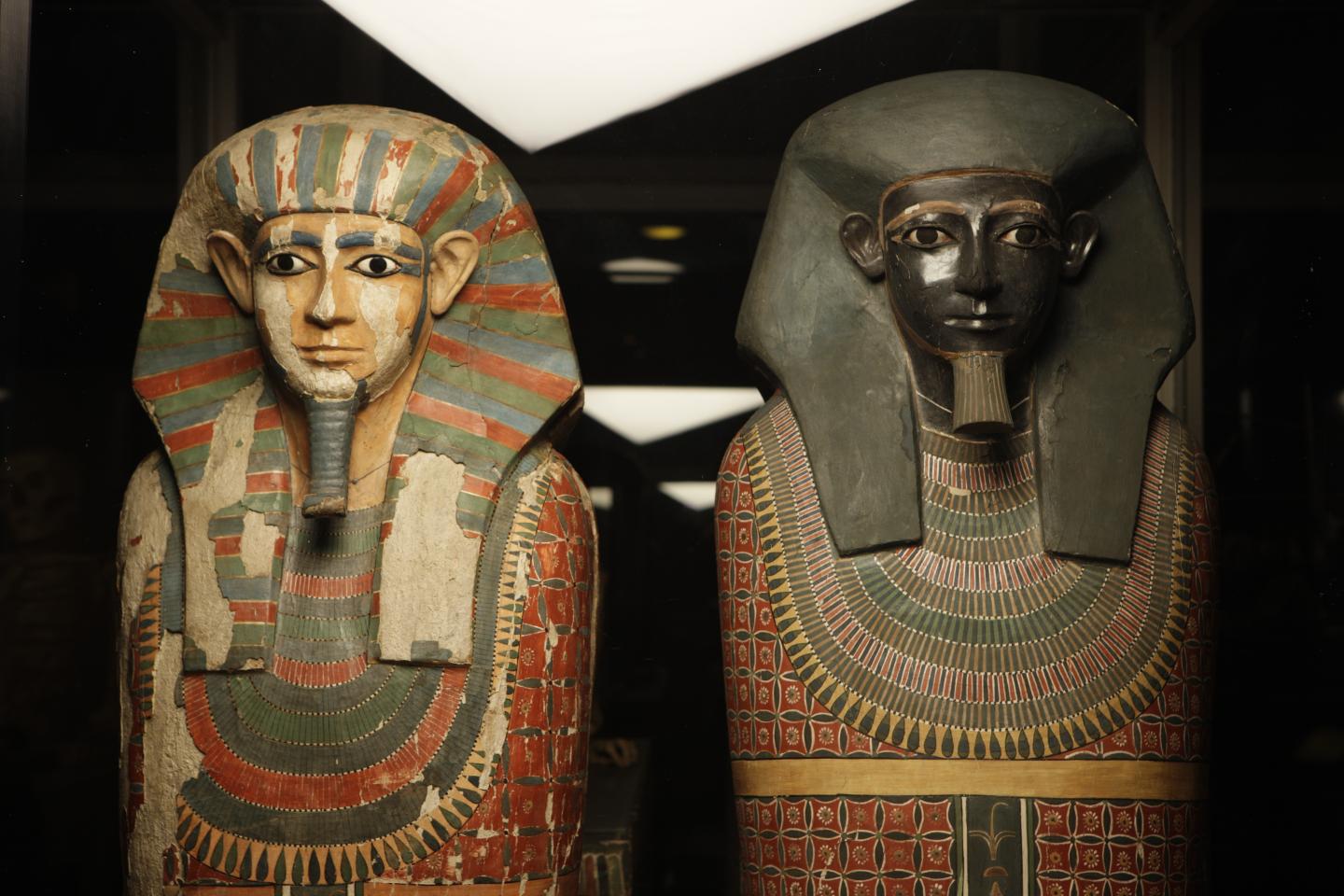
Mystery of Mummified Brothers solved Modern DNA techniques have solved a 4,000-year-old mummy mystery. For years, two mummies at the Manchester Museum were thought to be brothers, but a new study by scientists from the University of Manchester has revealed they are in fact half-brothers with a different father. The mummies are of two ancient Egyptian elites, Khnum-nakht and Nakht-ankh – dating to around 1800 BCE. Despite popularly being dubbed ‘The Two Brothers’, ever since their discovery in 1907 there has been debate over whether they were really related. Hieroglyphic inscriptions on their coffins had suggested the two men were siblings. However, when pioneering Egyptologist Dr. Margaret Murray unwrapped the two mummies in 1908, she argued that differences in skeletal morphologies suggested they weren’t actually related and one had been adopted. In 2015, DNA was extracted from the teeth and sequenced using a next generation technique to determine the relationship – if any – of the two men. The results have now been published in the Journal of Archaeological Science, revealing that they were half-brothers. Dr Konstantina Drosou, of the School of Earth and Environmental Sciences at the University of Manchester, who conducted the DNA sequencing, said: “It was a long and exhausting journey to the results but we are finally here. I am very grateful we were able to add a small but very important piece to the big history puzzle and I am sure the brothers would be very proud of us. These moments are what make us believe in ancient DNA. ” The study is the first to successfully use the typing of both mitochondrial and Y chromosomal DNA in Egyptian mummies. Forest Europe’s Forests Halved over last 6,000 years More than 50% of Europe’s forests have disappeared in the last 6,000 years, new research claims. Authors of the new study identify the need for agricultural land and wood as a source of fuel as causing the massive deforestation. The shocking findings were made through pollen analysis at over 1,000 different sites on the continent. They reveal that at one point more than two thirds of northern and central Europe were covered by trees. By contrast, now only a third of the region is covered with forest. In the UK, Ireland and other coastal areas, the amount has plummeted to less than 10%. Published in the journal Scientific Reports, the study points out that this trend of massive deforestation is now starting to reverse due to new types of fuel and building techniques, and ecological initiatives. “Most countries go through a forest transition and the UK and Ireland reached their forest minimum around 200 years ago,” said study lead author Neil Roberts, Professor of Physical Geography at the University of Plymouth. “Other countries in Europe have yet to reach that point, and some parts of Scandinavia – where there is not such a reliance on agriculture – are still predominantly forest. But generally, forest loss has been a dominant feature of Europe’s landscape ecology in the second half of the current interglacial, with consequences for carbon cycling, ecosystem functioning and biodiversity.” Along with Roberts, the study also involved scientists from Estonia, France, Germany, Sweden and Switzerland. Remarkably, in their bid to track the development of Europe’s forests over the last 11,000 years, the authors found that between 11,000 and 6,000 years ago the amount of forest coverage increased, from 60& to 80%. The introduction of ‘modern’ farming practices in the Neolithic period started the drastic decline that accelerated towards the end of the Bronze Age and has lasted until the present. Glass Was Made in Sub-Saharan Africa Centuries Before Europeans Arrived Glass was being made in Sub-Saharan Africa centuries before the arrival of Europeans, new research has discovered. Scientists from Rice University, University College London and the Field Museum say the findings represent a new chapter in the history of glass making. Abidemi Babatunde Babalola, a recent graduate of Rice with a PhD in anthropology and a visiting fellow at Harvard University, came across evidence of early glass making during archaeological excavations at Igbo Olokun, located on the northern periphery of Ile-Ife in southwestern Nigeria. He recovered more than 12,000 glass beads and several kilograms of glass-working debris. “This area has been recognised as a glass-working workshop for more than a century,” Babalola said. “The glass-encrusted containers and beads that have been uncovered there were viewed for many years as evidence that imported glass was remelted and reworked.” A decade ago, it was found that the chemical composition of the glass from Ile-Ife was different to other known glass production areas, raising the possibility the glass was actually produced in Ile-Ife. The excavations at Igbo Olokun have confirmed that possibility. The researchers analysed 52 of the glass beads discovered, revealing that none matched the chemical composition of any glass production area in the ‘Old World’. The excavations revealed that glass production at Igbo Olokun dates to the eleventh through fifteenth centuries CE, long before Europeans arrived at the west coast of Africa. The teams’ findings have been published in the Journal of Archaeological Science. Featured Image: The Two Brothers are the Museum’s oldest mummies and amongst the best-known human remains in its Egyptology collection. They are the mummies of two elite men — Khnum-nakht and Nakht-ankh — dating to around 1800 BCE. Credit: Manchester Museum, The University of Manchester]]>
Categories
Breaking News

An Iron Throne in the Great Pyramid? – The History News of the Week

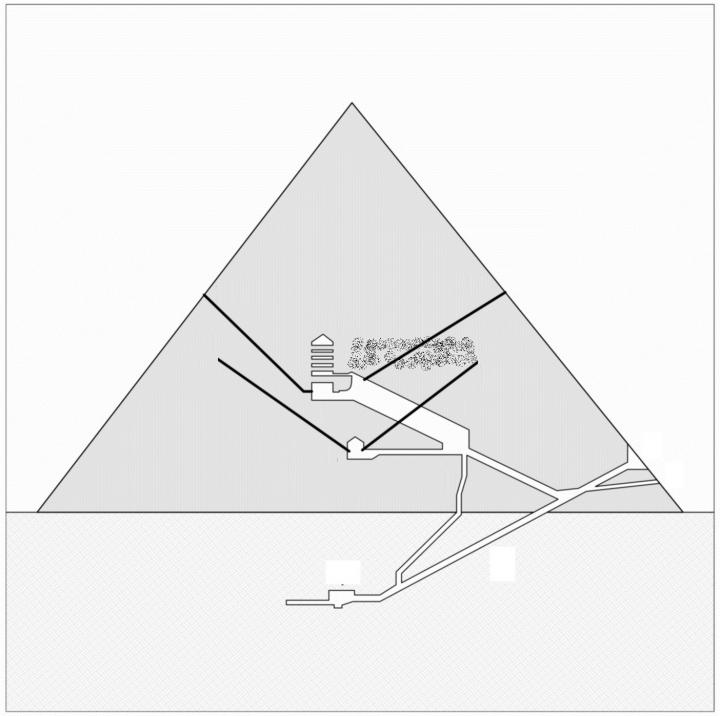
Cheops Pyramid Void an Iron Throne Room? An Italian archaeologist has come up with a theory for the huge void recently discovered in the Cheops (Khufu) Pyramid. In November 2017, the results of the Scan Pyramids project were published in the journal Nature. They revealed a huge void measuring at least thirty metres long within the Pyramid of Cheops. The project used a non-invasive technique based on the measurement of muons: elementary particles that are generated in cosmic rays and absorbed differently depending on the materials they go through. Giulio Magli, Director of the Department of Mathematics and Professor of Archaeoastronomy at the Politecnico di Milano, has now come up with a possible explanation for the mysterious void, suggesting it could be a Pharaoh’s “iron throne”. “Cheops Pyramid, built around 2550 BC, is one of the largest and most complex monuments in the history of architecture. Its internal rooms are accessible through narrow tunnels, one of which, before arriving at the funerary chamber, widens and rises suddenly forming the so-called Great Gallery,” Magli explained in a press release. “The newly discovered room is over this gallery, but does not have a practical function of “relieving weight ” from it, because the roof of the gallery itself was already built with a corbelled technique for this very reason.” Magli continued: “There is a possible interpretation, which is in good agreement with what we know about the Egyptian funerary religion as witnessed in the Pyramids Texts. In these texts it is said that the pharaoh, before reaching the stars of the north, will have to pass the “gates of the sky” and sit on his “throne of iron”. It would be possible to check Magli’s hypothesis by exploring the north shaft of the Cheops Pyramid. At present, it’s not known for sure that the north shaft leads into the mysterious void, as the available images are only approximations of the pyramid’s layout. Dual Migration Routes to Scandinavia Suggested by new Genomic Data The first human settlers to Scandinavia arrived by two distinct migration routes, new research suggests. The new study, which has been published in the journal PLOS Biology, also suggests that the resulting mixed population genetically adapted to the extreme environmental conditions. Although there is consistent evidence of a human presence in the Scandinavian peninsula from around 11,700 years ago, the migration routes and genetic makeup of the first Scandinavians have until now remained elusive. Researchers from Uppsala University sequenced the genomes of seven hunter-gatherers excavated from across Scandinavia and dated to be between 9,500 to 6,000 years old. They determined from their findings that migrations into Scandinavia likely followed two routes, one from central Europe and one from the Northeast along the Norwegian Atlantic Coast. The two groups met and mixed in Scandinavia, creating a genetically diverse population with variants that haven’t been passed along to modern Europeans. Several genetic variants in the hunter-gatherers were found to be linked to a gene associated with physical performance. The study authors hypothesise that this could be part of the physical adaption to cold weather. In addition, the hunter-gatherers had a high-frequency of genetic variants linked to reduced skin pigmentation, a known adaptation to environments with low UV radiation, such as those at high latitude. “We used cutting-edge genomic approaches to investigate hypotheses about the early colonization of northern Europe after the ice-sheet of the last glaciation retracted. It is really great to see how evidence from different disciplines can be combined to understand these complex past demographic processes,” said population geneticist Torsten Günther, one of the lead authors, in a press release. Council Accused of Covering Up Major Archaeological Find North Somerset Council in the UK has been accused of trying to keep a major archaeological find quiet, according to the BBC. The pre-Christian cemetery, containing over 300 graves, was discovered in the village of Yatton in 2017, during works to develop the land for housing. Some have claimed that the local council attempted to keep the find “hush-hush”, although the council told the BBC that publicising cemetery excavations was not common practice. “I’m amazed there hasn’t been more public communication between the archaeologists, the developer and the local community – it’s almost scandalous,” Mark Horton, professor of archaeology at the University of Bristol, told the BBC. “It’s normal procedure – even if the public aren’t allowed inside – to put information on the outside about what’s been found and it does seem to be really bad practice that there’s such secrecy about this project.” The remarkable site is close to both an Iron Age fort and a Roman hill fort. An archaeologist for the council claimed that the fact human remains were found at the site meant that information about it was not made widely available to the public. “It seems like we’ve been covering it up, but it’s common practice not to publicise the excavation of cemeteries like this to avoid risking the integrity of the site,” said Cat Lodge, archaeologist for the council. Boor Homes, the company developing the site, said in a statement to the BBC that “no identified grave goods” or “datable artefacts” had been unearthed, while the skeletons “are in varying states of survival”. Featured image: North-south section of the Great Pyramid showing (dust-filled area) the hypothetical project of the chamber, in connection with the lower southern shaft. The upper southern shaft does not intersects the chamber (as instead suggested by the section) because, when viewed in plan, it is displaced to the west with respect to the Great Gallery. Courtesy of Giulio Magli]]>
Categories
Breaking News

New Native American Population Could Rewrite History – The History News of the Week

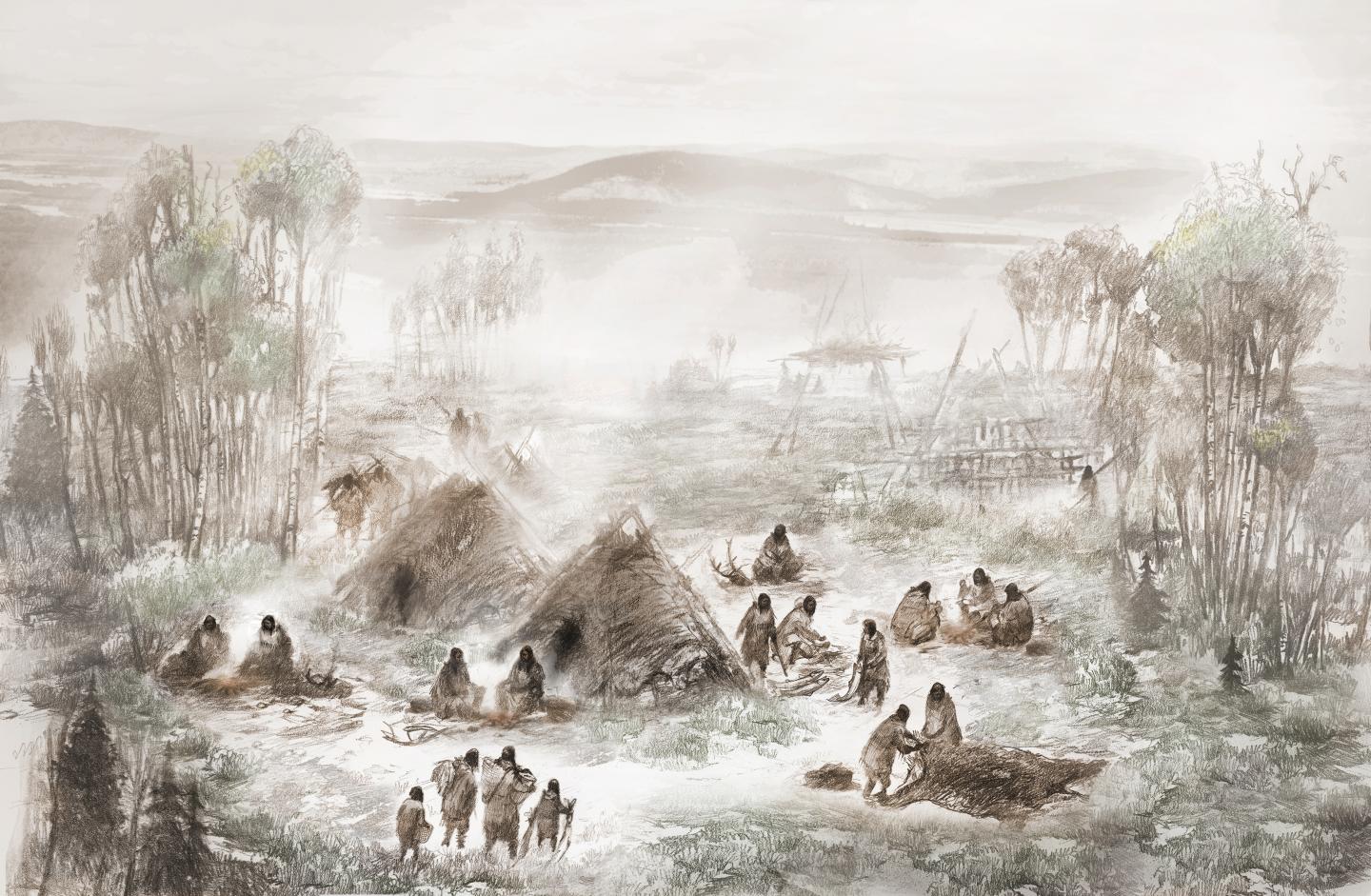
New Native American Population Could Rewrite History of North America Scientists have found evidence of a previously unknown population of Native Americans, a discovery that could cause a drastic rethink on the history of how humans populated the Americas. The revelation came from the genetic analysis of ancient DNA from the remains of a six-week old infant found at an Interior Alaska archaeological site. The new Native American group have been named “Ancient Beringians”. “We didn’t know this population existed,” said Ben Potter, one of the lead authors of the study published in the journal Nature, and a professor of anthropology at the University of Alaska Fairbanks. “These data also provide the first direct evidence of the initial founding Native American population, which sheds new light on how these early populations were migrating and settling throughout North America.” The discovery suggests two new scenarios for the populating of the Americas. One possibility is that there were two distinct groups of people who crossed the Beringian land bridge prior to 15,700 years ago. The second is that a single group crossed the land bridge and then split in Beringia into two groups, the Ancient Beringians, and other Native Americans, with the second group moving south of the ice sheets 15,700 years ago. Combined with archaeological evidence, the DNA results suggest that Athabascan ancestors moved north again, possibly around 6,000 years ago, and eventually either absorbed or replaced the Ancient Beringian population. “There is very limited genetic information about modern Alaska Athabascan people,” Potter explained. “These findings create opportunities for Alaska Native people to gain new knowledge about their own connections to both the northern Native American and Ancient Beringian people.” New Method for Determining a Skeleton’s Age of Death Christine Cave, an archaeologist from the Australian National University, has developed a new way to determine a skeleton’s age of death based on how worn the teeth are. The breakthrough could cause a drastic rethink on just how long people lived prior to the arrival of modern medicine. The method involves analysing the wear on teeth and comparing it to living populations of comparable cultures. Cave applied the technique to skeletal remains from three Anglo-Saxon cemeteries for people buried between 475CE and 625CE. “People sometimes think that in those days if you lived to 40 that was about as good as it got. But that’s not true.,” Cave said in an Australian National University press release. “For people living traditional lives without modern medicine or markets the most common age of death is about 70, and that is remarkably similar across all different cultures.” Cave believes that this myth about ancient populations dying young comes from difficulties in categorising the elderly in archaeological studies. “Older people have been very much ignored in archaeological studies and part of the reason for that has been the inability to identify them,” she said. “When you are determining the age of children you use developmental points like tooth eruption or the fusion of bones that all happen at a certain age. Once people are fully grown it becomes increasingly difficult to determine their age from skeletal remains, which is why most studies just have a highest age category of 40 plus or 45 plus. “So effectively they don’t distinguish between a fit and healthy 40-year-old and a frail 95 year old. It’s meaningless if you are trying to study elderly people.” Cave’s new method allowed her to notice a significant difference in the way male and female people of old age were buried in the Anglo-Saxon period. “Women were more likely to be given prominent burials if they died young, but were much less likely to be given one if they were old,” she said. “The higher status men are generally buried with weapons, like a spear and a shield or occasionally a sword. Women were buried with jewellery, like brooches, beads and pins. This highlights their beauty which helps explain why most of the high-status burials for women were for those who were quite young.” Cave’s research has been published in the Journal of Anthropological Archaeology. She is a PhD scholar at the Australian National University’s School of Archaeology and Anthropology. Mummy’s Name Finally Revealed A new scanning technique has revealed the name of an ancient Egyptian mummy, according to the Daily Express. The new technique was developed by researchers from University College London and the University of Manchester in collaboration with scientists from the USA. It revealed the name of the mummy, a man named Irethoreu. Irethoreu’s name was hidden on the foot plate of the coffin. According to the Daily Express, the international team of researchers used different frequencies of light to read hieroglyphics painted on scraps of papyrus used to make the case. Without this innovative technique, the only way to have read the name would have been by destroying the coffin. The name means “The Eye of Horus”. It’s believed that Irethoreu lived sometime between 664 CE and 30 CE. Featured image: A scientific illustration of the Upward Sun River camp in what is now Interior Alaska. Illustration by Eric S. Carlson in collaboration with Ben A. Potter ]]>

Categories
Breaking News

Faeces Reveals Hippocrates' Parasites: The History News of the Week

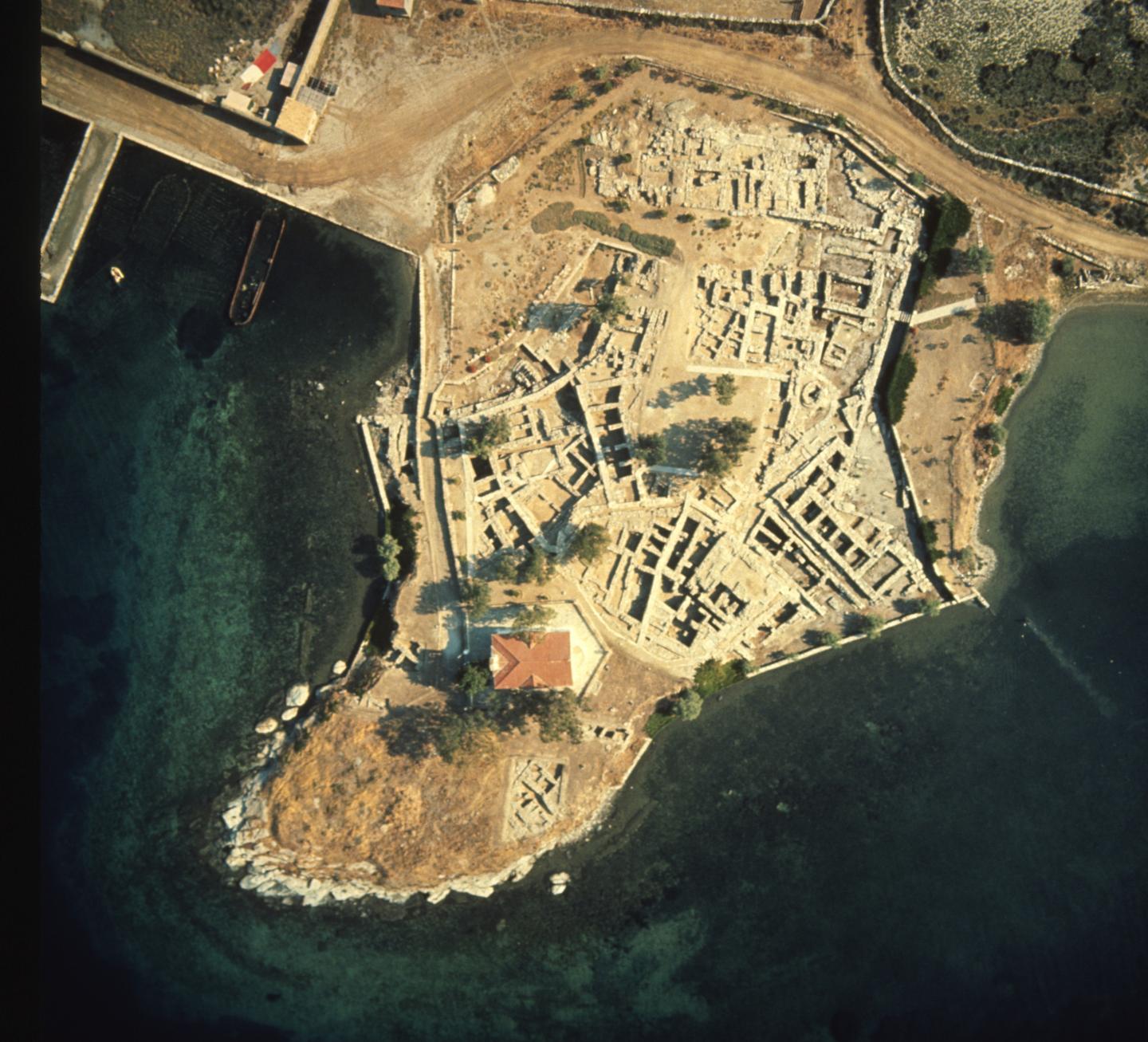
Faeces Reveals Parasites Described by Hippocrates The first archaeological evidence of parasitic worms described in the works of Hippocrates has been discovered on the Greek island of Kea. Archaeologists made the discovery by examining faeces from prehistoric burials on the island. Evilena Anastasiou and Piers Mitchell, two researchers from the University of Cambridge, used microscopy to study soil formed from decomposed faeces recovered from the pelvic bones of skeletons buried in the fourth millennium BCE, second millennium BCE, and the Roman period between 146 BCE and 330CE. Athens based experts in Ancient Greek archaeology and anthropology Anastasia Papathanasiou and Lynn Schepartz worked with the Cambridge team on the project. The team found eggs from two species of parasitic worm (helmiths) were present: whipworm (Trichuris trichiura) and roundworm (Ascaris lumbricoides). Alive in the fifth and fourth centuries BCE, Hippocrates is regarded as a crucial pioneer in medical history. He developed the ground-breaking humoural theory to explain why people became ill. This theory, which stated that a healthy body had a balance of four humours, was the accepted model for explaining disease in Europe up until the seventeenth century. Hippocratic texts referred to intestinal worms known as Helmins strongyle, Ascaris and Helmins plateia. Until now, historians have had to rely on ancient written descriptions of these worms to try and determine exactly which parasites were afflicting the Ancient Greeks. The authors of this latest study, which has been published in the Journal of Archaeological Science: Reports, say that the new evidence identifies beyond doubt some of the parasites that infected people in the region. “The Helmins strongyle worm in the ancient Greek texts is likely to have referred to roundworm, as found at Kea. The Ascaris worm described in the ancient medical texts may well have referred to two parasites, pinworm and whipworm, with the latter being found at Kea,” said study leader Piers Mitchell, from Cambridge’s Department of Archaeology. “Until now we only had estimates from historians as to what kinds of parasites were described in the ancient Greek medical texts. Our research confirms some aspects of what the historians thought, but also adds new information that the historians did not expect, such as that whipworm was present”. Anastasiou explained the significance of the discovery. “Finding the eggs of intestinal parasites as early as the Neolithic period in Greece is a key advance in our field. This provides the earliest evidence for parasitic worms in ancient Greece.” Societies Evolve Along Similar Paths A major new study claims that human societies, from the Incas to modern Britain and China, have evolved along similar paths. The authors argue that despite the myriad differences between societies they tend to become more complex in “highly predictable ways”. To reach their conclusions, the international research team created a database of historical and archaeological information on 414 societies spread across a 10,000-year period. According to the researchers, this database is larger and more systematic than any that has been created before. “Societies evolve along a bumpy path – sometimes breaking apart – but the trend is towards larger, more complex arrangements,” said corresponding author Dr Thomas Currie, of the Human Behaviour and Cultural Evolution Group at the University of Exeter’s Penryn Campus in Cornwall, in a press release. “Researchers have long debated whether social complexity can be meaningfully compared across different parts of the world. Our research suggests that, despite surface differences, there are fundamental similarities in the way societies evolve. “Although societies in places as distant as Mississippi and China evolved independently and followed their own trajectories, the structure of social organisation is broadly shared across all continents and historical eras.” The team’s study has been published in the Proceedings of the National Academy of Sciences. Indonesian Island Contains a Treasure Trove of Cave Paintings A tiny Indonesian island has been found to be unusually rich in cave paintings, according to researchers from the Australian National University (ANU). 28 rock art sites dating from at least 2,500 years ago have been uncovered on the island of Kisar, which measures just 81 square kilometres and lies north of Timor-Leste. According to Sue O’Connor, a professor from ANU’s School of Culture, History and Language, and the lead archaeologist on the recent excavations, these paintings give insight into the region’s history of trade and culture. “Archeologically, no one has ever explored this small island before,” Professor O’Connor said. “These Indonesian islands were the heart of the spice trade going back for thousands of years. The paintings we found depict boats, dogs, horses and people often holding what look like shields. Other scenes show people playing drums perhaps performing ceremonies.” The paintings suggest a stronger shared history between Kisar and nearby Timor than previously thought. “The Kisar paintings include images which are remarkably similar to those in the east end of Timor-Leste,” O’Connor said. “A distinctive feature of the art in both islands is the exceptionally small size of the human and animal figures, most being less than 10 centimetres. Despite their size, however, they are remarkably dynamic.” Professor O’Connor believes that the relationship between the two islands extends back 3,500 years ago to the Neolithic period, which saw an influx of Austronesian settlers who introduced domestic animals and possibly cereal crops. Similarities between some of the painted figures and images cast on metal drums that started to be produced in northern Vietnam and southwest China about 2,500 years ago and traded through the region, suggest some of the paintings were more recent. “These paintings perhaps herald the introduction of a new symbolic system established about two thousand years ago, following on the exchange of prestige goods and the beginning of hierarchical societies,” O’Connor said. Featured image: This is the excavation of the site of Ayia Irini on the island of Kea, where the samples used in the study were found. Credit: Department of Classics, University of Cincinnati ]]>

Categories
Breaking News

Caesar's Landing in Britain – The History News of the Week

Site of Julius Caesar’s Invasion of Britain Discovered Archaeologists have discovery the first evidence of Julius Caesar’s invasion of England. Based on their findings, the archaeologists from the University of Leicester suggest the first landing of Caesar’s fleet in Britain took place in 54BCE at Pegwell Bay on the Isle of Thanet, at the north-east point of the county of Kent. Significantly, the topography of Pegwell Bay, with its visibility from the sea, large open bay and nearby higher ground, is consistent with Caesar’s account of the first landing. The project came about following the discovery of a large defensive ditch in archaeological investigations prior to the building of a new road close to a hamlet in Thanet. This ditch, in Ebbsfleet, is similar to Roman defences at Alésia in France where the decisive battle in the Gallic War took place in 52 BCE. 4-5 metres wide and 2 metres deep, the ditch has been dated by pottery found on site and radio carbon dating to the first century BCE. The archaeological team believe the site covers up to 20 hectares, and the fort was constructed to protect the ships of Caesar’s fleet that had been drawn up on a nearby beach. Dr Andrew Fitzpatrick, research associate from the University of Leicester’s School of Archaeology and Ancient History, said: “The site at Ebbsfleet lies on a peninsular that projects from the south-eastern tip of the Isle of Thanet. Thanet has never been considered as a possible landing site before because it was separated from the mainland until the Middle Ages. “However, it is not known how big the Channel that separated it from the mainland (the Wantsum Channel) was. The Wantsum Channel was clearly not a significant barrier to people of Thanet during the Iron Age and it certainly would not have been a major challenge to the engineering capabilities of the Roman army.” Fitzpatrick detailed the similarities between Caesar’s account and the Thanet site. “Sailing from somewhere between Boulogne and Calais, Caesar says that at sunrise they saw Britain far away on the left-hand side. As they set sail opposite the cliffs of Dover, Caesar can only be describing the white chalk cliffs around Ramsgate which were being illuminated by the rising sun,” he explained in a press release. “Caesar describes how the ships were left at anchor at an even and open shore and how they were damaged by a great storm. This description is consistent with Pegwell Bay, which today is the largest bay on the east Kent coast and is open and flat. The bay is big enough for the whole Roman army to have landed in the single day that Caesar describes. The 800 ships, even if they landed in waves, would still have needed a landing front 1-2 km wide. “Caesar also describes how the Britons had assembled to oppose the landing but, taken aback by the size of the fleet, they concealed themselves on the higher ground. This is consistent with the higher ground of the Isle of Thanet around Ramsgate. “These three clues about the topography of the landing site; the presence of cliffs, the existence of a large open bay, and the presence of higher ground nearby, are consistent with the 54 BCE landing having been in Pegwell Bay.” Sea Level Rises Threatening 13,000 US Archaeological Sites Rising sea levels could impact thousands of archaeological sites on the southeastern US Gulf and Atlantic coasts, new researched published in the journal PLOS ONE claims. David Anderson from the University of Tennessee, Knoxville, USA, and colleagues predict that if projected trends in sea level rises continue, up to 13,000 recorded archaeological sites will be submerged by a 1 metre rise in sea level by the end of the century. This figure does not take into account sites that have not yet been unearthed, suggesting the damage could be even greater. To estimate the impact of sea-level rises, Anderson and his team studied data from the Digital Index of North American Archaeology (DINAA). DINAA aggregates archaeological and historical data sets from the past century from numerous sources, providing a comprehensive insight into the history of human settlement. According to a University of Tennessee statement, large linked data sets like DINAA are vital for showing what is at threat from sea level rises, and can help in planning a response, whether it be mitigation, or taking samples from sites that are at risk. “Sea-level rise in the coming years will destroy vast numbers of archaeological sites, buildings, cemeteries, and cultural landscapes. Developing informatics capabilities at regional and continental scales like DINAA (Digital Index of North American Archaeology) is essential if we are to effectively plan for, and help mitigate, this loss of human history,” Anderson noted. Secrets of 1-900-Year-Old Mummy Revealed With X-Rays Scientists are using pioneering techniques to unravel the mysteries of a young girl mummified in Egypt 1,900 years ago. The mummy was subjected to an all-day X-ray scattering experiment at the Argonne National Laboratory by scientists and students from Northwestern University. It was the first time the technique had been applied to study a human mummy. “This is a unique experiment, a 3-D puzzle,” said Stuart R. Stock, research professor of cell and molecular biology at Northwestern University Feinberg School of Medicine, who led the synchrotron experiment. “We have some preliminary findings about the various materials, but it will take days before we tighten down the precise answers to our questions. We have confirmed that the shards in the brain cavity are likely solidified pitch, not a crystalline material.” The Roman-Egyptian mummy is one of only approximately 100 portrait mummies in the world. Portrait mummies have a lifelike painting of the deceased individual on the mummy wrappings, directly over the deceased’s face. These ‘2D portraits’ were introduced to Egyptian culture by the Romans. Previously, idealised 3D images had been used, such as the iconic burial mask of Tutankhamun. Measuring just 3 feet in length, the girl’s body is swaddled in linen. The outer wrappings have been arranged into an ornate geometric pattern. The image of the face is painted with beeswax and pigment. It gazes outward with a serene look, the body dressed in a crimson tunic and gold jewellery. The students from Northwestern University found that the mummy of the girl, which is stored at Garrett-Evangelical Theological Seminary on Northwestern’s Evanston campus, had notable differences to portrait mummies at Phoebe A. Hearst Museum of Anthropology at the University of California, Berkeley. This suggests it came from a different workshop despite being discovered at the site of Hawara, close to Tebtunis, where the Hearst Museum’s mummy portraits are originally from. “Intact portrait mummies are exceedingly rare, and to have one here on campus was revelatory for the class and exhibition,” said Marc Walton, a research professor of materials science and engineering at Northwestern’s McCormick School of Engineering. As well as providing insights into Egyptian-Roman mummification techniques, the ground-breaking studies being carried out by Northwestern University will help guide preservation of the mummy. The research will culminate in an exhibition at Block Museum titled: “Paint the Eyes Softer: Mummy Portraits from Roman Egypt.” Featured image: The Ebbsfleet Excavation with Pegwell Bay and Ramsgate. Image courtesy of University of Leicester. ]]>

Categories
Breaking News

The Plague’s Stone Age Origins – History News of the Week

Plague Came to Europe in the Stone Age The plague likely entered Europe during the Neolithic era with a large-scale migration of people from the Eurasian Steppe, according to new research from the Max Planck Institute for the Science of Human History. If correct, the new findings suggest that the plague causing Yersinia pestis bacteria arrived in Europe millennia before the first known historical epidemics. The scientists from the Max Planck Institute have sequenced the first six European genomes of Y.pestis as part of research that aims analyse ancient forms of the disease in a bid to understand its evolution. Over 500 tooth and bone samples from Germany, Russia, Hungary, Croatia, Lithuania, Estonia and Latvia were screened for Y.pestis in the latest study. Six full Y.pestis genomes were recovered from the remains. It’s been deduced that the plague likely entered central Europe at the same time as nomads from the Caspian-Pontic Steppe around 4,800 years ago. Significantly, the Y.pestis genomes from this period were all closely related despite having been found at different sites across the continent. “This suggests that the plague either entered Europe multiple times during this period from the same reservoir, or entered once in the Stone Age and remained there,” explains Aida Andrades Valtueña of the Max Planck Institute for the Science of Human History, first author of the study. To clarify which scenario was more likely, the scientists examined their data in the context of the existing archaeological and ancient DNA evidence regarding the movement of peoples during the same period. “In our view, the human genetic ancestry and admixture, in combination with the temporal series within the Late Neolithic-Bronze Age Y. pestis lineage, support the view that Y. pestis was possibly introduced to Europe from the steppe around 4,800 years ago, where it established a local reservoir before moving back towards Central Eurasia,” explains Alexander Herbig of the Max Planck Institute for the Science of Human History, a corresponding author of the study. The study detailing the research has been published in the journal Current Biology. Origins of Gold Answered? New light has been shed on the origins of gold by an international team of researchers. One of our planet’s most intriguing mysteries, the origins of gold have puzzled scientists for centuries, with no satisfactory explanation yet developed. Published in the journal Nature Communications, the new research has established that gold came to the Earth’s surface from the mantle, the layer separating the Earth’s crust from its nucleus. The internal movements of the planet were behind the ascent and concentration of the precious metal. Evidence of the process has been found in the Deseado Massif at the Argentinean Patagonia, an area which represents the first register of gold found under the South American continent. “The minerals we extract and which support our economy are located in the crust. And, although we are experts in taking advantage of them, we still know very little about their true origin. The search for gold has motivated migrations, expeditions and even wars, but its origin is one of the main questions in the field of mineral deposits genesis,” said José María González Jiménez, a Ramón y Cajal researcher from the Department of Mineralogy and Petrology at the University of Granada. Studying xenoliths- small fragments from the earth’s mantle which have been brought to the surface through volcanic eruptions, the scientists found tiny native gold particles, whose thickness is that of a human hair and whose origin is the deep mantle. The mantle’s upper limit is located at about 17 kilometres under the oceans and 70 kilometres under the continents. The Deseado Massif is one of the largest auriferous provinces in the whole planet, with gold mines that are still being exploited. The area’s high concentration of gold has given the scientists an insight into why mineral deposits are limited to certain specific regions. “Said history dates back 200 million years, when Africa and South America were part of the same continent González Jiménez explained. “Their separation was caused, among other factors, by the ascent of a ‘mantle plume’ from the deep mantle, which broke the crust (much thiner and fragile) and caused the separation of the two continents. The ascent of said deep mantle plume generated a true chemical factory that enriched the mantle with metals, which would later generate the conditions for the creation of gold deposits. This time the process was caused by the movement of a tectonic plate under another, allowing the circulation of metal-rich fluids through the cracks, which precipitated the metals and concentrated them near the surface”. The international team of researchers behind the study includes scientists from Chile, Australia and France. Featured Image: Map of proposed Yersinia pestis circulation throughout Eurasia. A) Entrance of Y. pestis into Europe from Central Eurasia with the expansion of Yamnaya pastoralists around 4,800 years ago. B) Circulation of Y. pestis to Southern Siberia from Europe. Only complete genomes are shown. Credit: Aida Andrades Valtueña. Andrades Valtueña et al. (2017). The Stone Age Plague and its Persistence in Eurasia. Current Biology. ]]>

Categories
Breaking News

Inequality’s Deep Roots – The History News of the Week

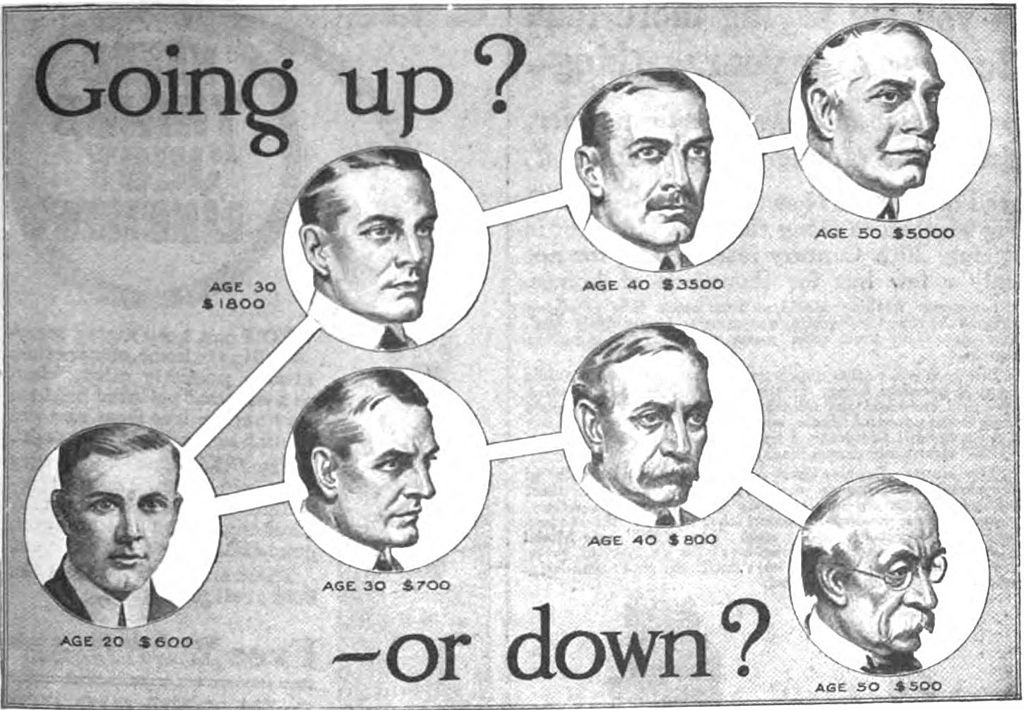
Inequality Started with the Rise of Agriculture New research claims that the rise of economic inequality in human societies can be traced all the way back to the dawn of agriculture. Published in the journal Nature, the research involved academics from fourteen different institutions, and was led by Tim Kohler from Washington State University (WSU). The findings have profound implications for modern societies, the authors believe. “Inequality has a lot of subtle and potentially pernicious effects on societies,” Kohler explained. The researchers based their findings on the Gini coefficient, a commonly used measure of inequality developed over a century ago by Italian statistician and sociologist Corrado Gini. On this system, a country with total wealth equality would have a Gini coefficient of zero, while a country with all the wealth concentrated in one household would have a Gini Coefficient of one. House sizes were compared at 63 different archaeological sites, and the researchers used this data to assign Gini coefficients. It was found that hunter-gatherer societies typically had lower wealth disparities, with a median Gini of .17. This is likely because their nomadic lifestyles would have made wealth accumulation difficult, and passing it on to future generations even more so. Small-scale, low intensity farmers (horticulturalists) had a median Gini of .27, while large scale agricultural societies had a median Gini of .35. One remarkable observation by Kohler’s team is that inequality continued to rise in the Old World, but plateaued in the New World. According to Kohler, this is down to the ability of Old World societies “to literally harness big domesticated mammals like cattle and eventually horse and water buffalo.” Draft animals, which were not available in the New World, let rich farmers till more land and expand into new areas. This increased their wealth while ultimately creating a class of landless peasants. “These processes increased inequality by operating on both ends of the wealth distribution, increasing the holdings of the rich while decreasing the holdings of the poor,” the researchers write in their study. Bronze metallurgy and a mounted warrior elite further increased the Gini coefficient in the Old World, allowing some individuals to live in massive houses and make territorial conquests, the benefits of which were inherited by their descendants. The researchers’ models put the highest Gini numbers in the ancient Old World at .59, close to that of contemporary Greece’s .56 and Spain’s .58. It is well short of China’s .73 and the United States .80, a 2000 figure cited in the Nature paper. The 2016 Allianz Global Wealth Report puts the U.S. Gini at .81 and Kohler said in a WSU press release he has seen the U.S. Gini reported as high as .85, “which is probably the highest wealth inequality for any developed country right now.” For Kohler, the current high Gini number in the US should be a cause for concern. “People need to be aware that inequality can have deleterious effects on health outcomes, on mobility, on degree of trust, on social solidarity–all these things,” he said in a WSU statement. “We’re not helping ourselves by being so unequal.” Kohler has documented four periods of growing inequality among the ancient Pueblo people of the American Southwest, all of which ended in violence and greater equality. The last of these was particularly dramatic – coinciding with the complete depopulating of the Mesa Verde area. “In each case, you see not just this decline in Gini scores, but we also see an increase in violence that accompanies that decline,” Kohler said. “We could be concerned in the United States, that if Ginis get too high, we could be inviting revolution, or we could be inviting state collapse. There’s only a few things that are going to decrease our Ginis dramatically.” 14 Million Years Ago, Madrid Was a Desert A new study claims that the central Iberian Peninsula, an area that covered what is now Madrid, was an arid savanna during the middle Miocene period. The research, led by the Complutense University of Madrid and published in the journal PLOS ONE, compared mammal assemblages from different localities in Africa and South Asia with those that inhabited the Iberian central area 14 million years ago. Through paleontological studies of the fossil vertebrate remains found at the Somosaguas site in Madrid, the researchers have been able to infer the environment that existed there. The central premise behind the research is that the body size of every species is largely influenced by the environmental conditions of their habitat. Elephants in humid places such as Asian jungles, for instance, are smaller than those living in dry places like African savannas. “Based on this premise, the distribution of sizes within a mammal community can offer us valuable information about its climatic context”, explains Iris Menéndez, a researcher at the Department of Paleontology of the UCM and the Institute of Geosciences (UCM and CSIC). From their analysis, the palaeontologists have inferred that the centre of the Iberian Peninsula witnessed ‘a very arid tropical climate with a high precipitation seasonality’. After a brief wet period, the annual dry season could last up to ten months. “These results confirm the previous inferences on the savanna environment of Somosaguas in the Miocene, but placing this habitat at their driest estimated, within the limits between the savanna and the desert”, says Menéndez. Climatic parameters from more than 60 modern day Asian and African sites were compiled as a point of comparison for the study. “For this purpose, we made a compilation of information on mammalian fauna lists, their body sizes, and climatic parameters for these localities, such as temperatures and precipitation. Based on this data, we developed statistical models suitable for the inference of different climatic parameters in the past”, explained the UCM researcher. “We included the information on the 26 mammal species found in the Somosaguas site, which allowed us to infer the environment by comparison with the extant assemblages”. Neanderthals Lived in Spain for 3,000 Years Longer Than Thought Neanderthals survived in Spain long after they had died out every else, new research claims, suggesting our extinct cousins lived in Spain 3,000 years longer than is traditionally believed. According to the international team of researchers who carried out the study, the findings suggest that the process of modern human populations absorbing Neanderthal populations through interbreeding was not a regular, gradual wave of advance but a “stop-and-go, punctuated, geographically uneven history.” Over a period of ten years the researchers excavated three new sites in southern Spain, where they unearthed evidence of Neanderthal materials from as recently as 37,000 years ago. “Technology from the Middle Paleolithic in Europe is exclusively associated with the Neanderthals,” said Dr. João Zilhão, from the University of Barcelona and lead author of the study. “In three new excavation sites, we found Neanderthal artefacts dated to thousands of years later than anywhere else in Western Europe. Even in the adjacent regions of northern Spain and southern France the latest Neanderthal sites are all significantly older.” The Middle Paleolithic spanned from 300,000 to 30,000 years ago. It is widely acknowledged that during this time, anatomically modern humans started to move out of Africa and assimilate coeval Eurasian populations, including Neanderthals, through interbreeding. “We believe that the stop-and-go, punctuated, uneven mechanism we propose must have been the rule in human evolution, which helps explaining why Paleolithic material culture tends to form patterns of geographically extensive similarity while Paleolithic genomes tend to show complex ancestry patchworks,” Dr. Zilhão said. Dr. Zilhão believes that discovering and analysing new Neanderthal sites is the key to understanding the pattern of human evolution, and the true fate of the Neanderthals. “There is still a lot we do not know about human evolution and, especially, about the Neanderthals,” said Dr. Zilhão. “Our textbook ideas about Neanderthals and modern humans have been mostly derived from finds in France, Germany and Central Europe, but during the Ice Ages these were peripheral areas: probably as much as half of the Paleolithic people who ever lived in Europe were Iberians. Ongoing research has begun to bear fruit, and I have no doubt that there is more to come.” The study has been published in the journal Heliyon. Featured Image: Illustration from a 1916 advertisement for International Correspondence Schools, Scranton, Pennsylvania, a vocational school, in the back of a US popular science magazine. During the Industrial Revolution, income inequality in the US was very great, and education was seen as a route to social mobility. This advertisement uses the threat of poverty to recruit students. Part of advertising copy that appeared below the picture: “Here is your future charted for you, based on the actual average earnings of trained and untrained men. Which way will you go? You’ll either go up, through training, to a position that means good money and more comforts as the years go by, or you’ll go down, through lack of training, into the ranks of the poorly paid.” ]]>

Categories
Breaking News

Neanderthals Never Had a Chance – The History News of the Week

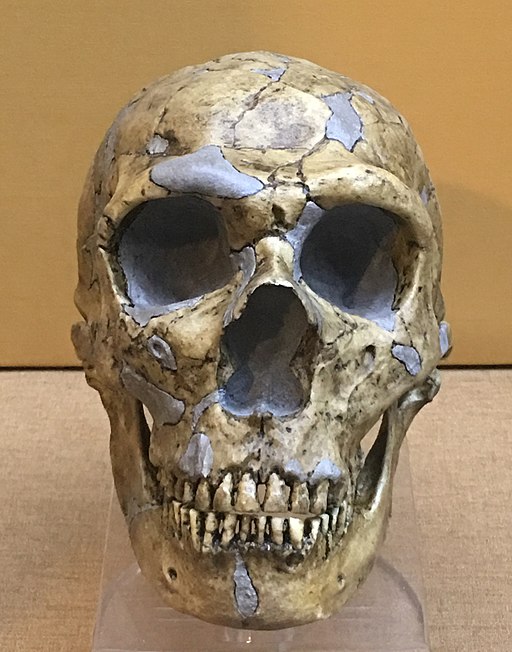
Neanderthals Were Always Doomed A new study, published this week in the journal Nature Communications, claims the Neanderthals were doomed the moment humans entered Eurasia. Scientists have long been trying to determine the cause of the Neanderthals’ extinction. Theories have ranged from the spread of humans providing too much resource competition for the Neanderthals’ to survive, to climate change or fundamental genetic limitations. The latest study suggests that the Neanderthals’ fate was inevitable. The Stamford University scientists used computer modelling to show that the migration of modern humans from Africa into Asia meant humans were always going to eventually replace Neanderthals, whatever factors might have played a role in the species’ collapse. “Here we show that a scenario of migration and selectively neutral species drift predicts the Neanderthals’ replacement,” the authors write in the introduction to their study. Neanderthals inhabited Eurasia for over 300,000 years, yet within 15,000 years of the arrival of modern humans to the region, our closest extinct living relatives were extinct. “We suggest that although selection and environmental factors may or may not have played a role in the inter-species dynamics of Neanderthals and modern humans, the eventual replacement of the Neanderthals was determined by the repeated migration of modern humans from Africa into Eurasia,” the authors write. “Our simple model suggests that recurring migration from Africa into the Levant and Europe—even at a low rate—was sufficient to result in the Neanderthals’ replacement even if neither species had a selective advantage over the other, and regardless of possible differences in population size between the two species.” Fossils of Humans’ Oldest Ancestors Discovered in Southern England Fossils of the oldest mammals from the line that led to mankind have been discovered on England’s Jurassic Coast. The small, rat like mammals lived 145 million years ago, at the time of the dinosaurs, and are the ancestors of most mammals alive today – from humans to blue whales. A team of researchers led by Dr Steve Sweetman from the University of Portsmouth identified the two fossilised teeth of the creatures found on the Dorset coast. Portsmouth graduate student Grant Smith made the initial discovery. “Grant was sifting through small samples of earliest Cretaceous rocks collected on the coast of Dorset as part of his undergraduate dissertation project in the hope of finding some interesting remains. Quite unexpectedly he found not one but two quite remarkable teeth of a type never before seen from rocks of this age. I was asked to look at them and give an opinion and even at first glance my jaw dropped,” Dr Sweetman explained in a University of Portsmouth press release. “The teeth are of a type so highly evolved that I realised straight away I was looking at remains of Early Cretaceous mammals that more closely resembled those that lived during the latest Cretaceous – some 60 million years later in geological history. In the world of palaeontology there has been a lot of debate around a specimen found in China, which is approximately 160 million years old. This was originally said to be of the same type as ours but recent studies have ruled this out. That being the case, our 145-million-year-old teeth are undoubtedly the earliest yet known from the line of mammals that lead to our own species.” According to Dr Sweetman, the animals were likely furry, nocturnal creatures. He believes the smaller one may have eaten insects and could have been a burrower, while the larger may have eaten plants as well as insects. “The teeth are of a highly advanced type that can pierce, cut and crush food. They are also very worn which suggests the animals to which they belonged lived to a good age for their species. No mean feat when you’re sharing your habitat with predatory dinosaurs.” The teeth were recovered from exposed rocks in cliffs near Swanage, a site which has yielded thousands of fascinating fossils in the past. According to Smith’s supervisor, Dave Martill, a professor of Biology at the University of Portsmouth, it quickly became apparent that they’d discovered something remarkable. “We looked at them with a microscope but despite over 30 years’ experience these teeth looked very different and we decided we needed to bring in a third pair of eyes and more expertise in the field in the form of our colleague, Dr Sweetman. “Steve made the connection immediately, but what I’m most pleased about is that a student who is a complete beginner was able to make a remarkable scientific discovery in palaeontology and see his discovery and his name published in a scientific paper. The Jurassic Coast is always unveiling fresh secrets and I’d like to think that similar discoveries will continue to be made right on our doorstep.” A study detailing the findings has been published in the journal Acta Palaeontologica Polonica. Ancient Egyptian Papyri Ink Contained Copper The black ink used by Ancient Egyptian scribes contained copper, according to new analysis by the University of Copenhagen of 2,000-year-old papyri fragments. It’s generally been assumed that writing ink was primarily carbon-based until the fourth and fifth centuries CE, but by carrying out X-ray microscopy on the fragments, the Danish researchers have shown that copper, an element never before identified in ancient ink, was used. Intriguingly, even though the papyri fragments were written over a period of three centuries and originate from different regions, the team’s results did not show much variation. “The composition of the copper-containing carbon inks showed no significant differences that could be related to time periods or geographical locations, which suggests that the ancient Egyptians used the same technology for ink production throughout Egypt from roughly 200 BCE to 100 CE,” said Egyptologist and first author of the study Thomas Christiansen from the University of Copenhagen. Private papers of an Egyptian soldier named Horus, who was stationed at a military camp in Pathyris, and the Tebtunis temple library, were the two primary sources of the papyri. The fragments all formed parts of larger manuscripts which are currently part of the Carlsberg Collection at the University of Copenhagen. “None of the four inks studied here was completely identical, and there can even be variations within a single papyrus fragment, suggesting that the composition of ink produced at the same location could vary a great deal. This makes it impossible to produce maps of ink signatures that otherwise could have been used to date and place papyri fragments of uncertain provenance,” explains Christiansen. “However, as many papyri have been handed down to us as fragments, the observation that ink used on individual manuscripts can differ from other manuscripts from the same source is good news insofar as it might facilitate the identification of fragments belonging to specific manuscripts or sections thereof.” The researchers suggest that their findings, which have been published in the journal Scientific Reports, could also greatly aid conservation efforts of ancient Papyri. Featured Image: Homo neanderthalensis skull – a hominid fossil reconstruction in the Beijing Museum of Natural History – China, July 2017. Image courtesy of Wikimedia Commons user: Bjoertvedt ]]>

Categories
Book Reviews

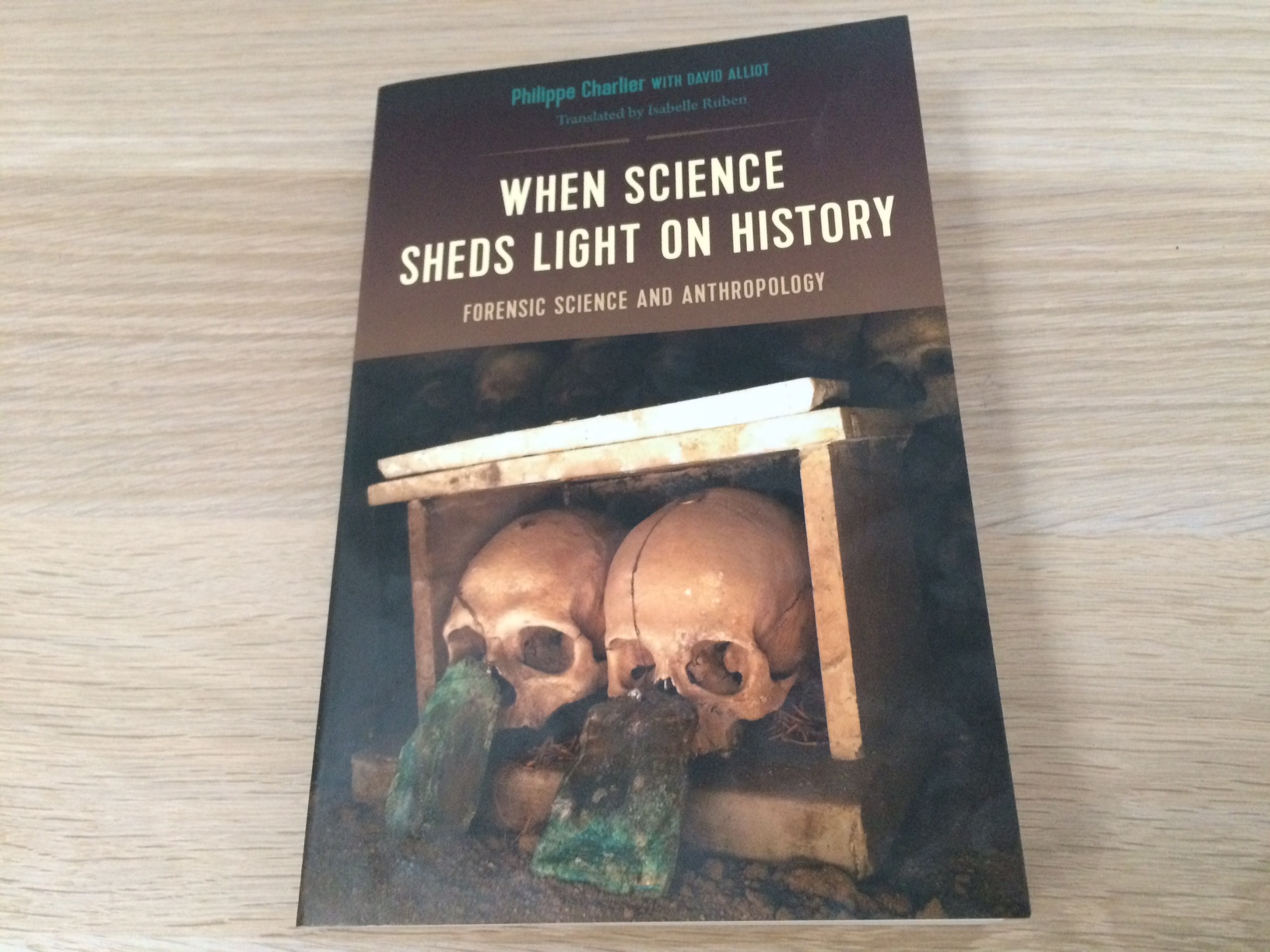
When Science Sheds Light on History – Book Review